
Main Courses
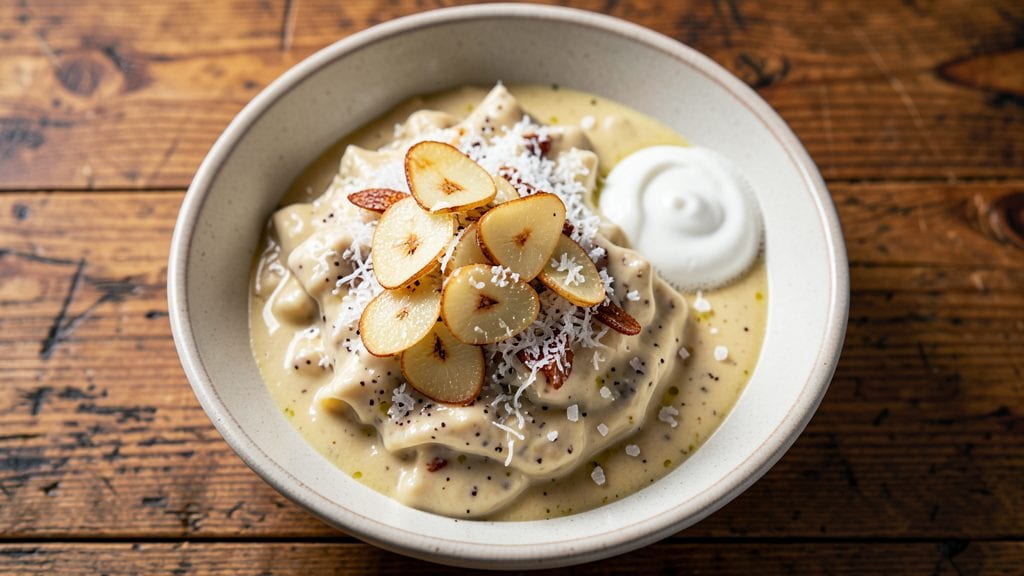
Creating truffle cheese that delivers that luxurious, earthy aroma and velvety melt is what transforms ordinary dishes into something extraordinary. I spent weeks perfecting this technique after realizing how much it elevated simple pasta into a restaurant-worthy meal—especially when paired with the right ingredients and cooking method.
The secret lies in balancing truffle oil with high-quality cheese to create a sauce that's rich, aromatic, and impossible to resist.
This recipe delivers foolproof results whether you're making truffle cheese pasta, stuffed mushrooms, or even a decadent fondue. The process is straightforward but requires attention to detail—like infusing the cheese with truffle oil at the right temperature to preserve that signature aroma.
You'll need just five key ingredients and about 20 minutes of active prep time, making it perfect for weeknight dinners that feel like a special occasion.
By the time you're done, you'll have a sauce that's silky-smooth, packed with truffle's signature earthy notes, and ready to coat al dente pasta or melt over crispy appetizers. The aroma alone will have everyone at the table asking what you're serving—it's that irresistible.
This is the kind of dish that makes home cooking feel like a gourmet experience without the fuss.
Pair it with roasted vegetables, crusty bread, or even a simple arugula salad to round out the meal. The possibilities are endless, but the technique remains the same—perfectly balanced truffle flavor every time. Let's get started on creating this luxurious dish that's sure to impress.
Ingredients for truffle cheese
Five luxurious ingredients transform simple cheese into restaurant-quality truffle perfection.
| Ingredient | Amount | Notes |
|---|---|---|
| Extra-Sharp White Cheddar Cheese 🧀 | 1 lb | Block form, freshly grated for optimal melt |
| Truffle Oil 🍄 | 2 tbsp | High-quality, 100% pure truffle oil preferred |
| Heavy Cream 🥛 | ½ cup | Full-fat for luxurious texture |
| Butter 🧈 | 2 tbsp | Unsalted, cold for precise melting |
| Garlic Cloves 🧄 | 2 cloves | Fresh, minced for aromatic depth |
| Diamond Crystal Kosher Salt 🧂 | ½ tsp | Fine grain for delicate seasoning |
| Freshly Ground Black Pepper 🌶️ | ¼ tsp | Cracked peppercorns preferred |
| Extra-Virgin Olive Oil 🫒 | 1 tbsp | For balancing truffle richness |
| Parmesan Cheese 🧀 | ¼ cup | Freshly grated, for umami depth |
| Freshly Squeezed Lemon Juice 🍋 | 1 tsp | Brightens truffle's earthiness |
| Fresh Chives 🌿 | 2 tbsp | Finely chopped for garnish |
The cheese selection is non-negotiable—extra-sharp white cheddar provides that signature sharpness while Parmigiano-Reggiano adds umami complexity. Source your cheddar from specialty cheese counters like Whole Foods Market or Murray's Cheese for the best quality. The truffle oil should be 100% pure black truffle oil—avoid the cheaper, artificial versions that lack depth. For the garlic, freshly minced releases more aroma than pre-minced jars. The heavy cream must be full-fat; reduced-fat versions won't achieve the same velvety texture. Store your truffle oil in the refrigerator to preserve its delicate aroma, and use it within 3 months of opening for peak flavor.
Substitutions require careful consideration to maintain balance. For truffle oil, white truffle paste at half the amount works in a pinch, though it lacks the same aromatic punch. If you can't find extra-sharp cheddar, aged Gouda offers a similar sharpness profile. The heavy cream can be replaced with half-and-half for a lighter version, but expect a slightly thinner consistency. For the garlic, garlic powder at one-third the amount is acceptable, though fresh is ideal. The lemon juice can be substituted with white wine vinegar, but reduce to 0.5 teaspoons to avoid over-acidifying. When grating cheese, use a fine-hole microplane for the most even melt.
Proper storage extends freshness and flavor. The freshly grated cheese mixture should be used within 3 days for optimal texture and aroma. Store in an airtight container with a layer of parchment paper between layers to prevent clumping. The truffle oil can be refrigerated for up to 6 months when sealed properly. For longer storage, freeze the cheese mixture in ice cube trays, then transfer to a freezer bag for up to 3 months. When reheating, warm gently in a saucepan over low heat with a splash of cream to restore its silky texture. This sauce reheats beautifully, making it ideal for meal prep.
Why You'll Love This Recipe
- Five-Ingredient Magic: I swear, this is the kind of recipe where you glance at your pantry and go, "I can do this." Just shred that sharp cheddar, warm the cream and butter, toss in a glug of truffle oil, and let the garlic sing in the background. No fancy techniques—just melt, stir, and boom, instant luxury.
- Rich Without Effort: Between us, truffle oil and sharp cheddar are basically flavor cheat codes. The moment that first bite hits—creamy, tangy, with that earthy truffle punch—you’ll understand why people pay $20 for truffle pasta at restaurants. Here, it’s yours for pennies and 15 minutes.
- Weeknight to Party Upgrade: This stuff is my secret weapon for when I’m too tired to cook but still want to impress. Drizzle it over grilled steak for a fancy dinner, mix it into mashed potatoes for a crowd, or serve it chilled with crackers when friends drop by. One bowl, endless possibilities.
- Leftovers That Don’t Suck: Unlike most cheese sauces that turn grainy or sad after sitting, this one actually improves overnight. The flavors meld, the texture smooths out, and it’s perfect for reheating—whether you’re throwing it on toast in the morning or tossing it with pasta for lunch. Zero waste, all win.
Step-by-step instructions for truffle cheese recipe
This method delivers a velvety truffle cheese blend with balanced richness and aromatic depth.
Grate and Melt the Extra-Sharp White Cheddar Cheese
Using a fine grater or food processor, freshly grate the 1 lb extra-sharp white cheddar cheese into a heatproof bowl. I prefer freshly grated over pre-shredded—it melts more smoothly and retains better texture. Place the bowl over a saucepan of simmering water (double boiler method) to gently melt the cheese without scorching.
Stir occasionally with a silicone spatula until the cheese transforms into a creamy, liquid state—this should take about 5-7 minutes. The mixture should be completely smooth with no graininess remaining. Remove from heat immediately once fully melted to prevent overheating, which can cause separation.
Infuse with Truffle Oil and Aromatics
While the cheese melts, finely mince the 2 cloves garlic cloves and set aside. Once the cheese is melted, reduce the heat to low and whisk in the 2 tbsp truffle oil and 1 tbsp extra-virgin olive oil. The truffle oil should immediately perfume the air with its distinctive earthy aroma—this is when you know you're on the right track.
Add the minced garlic to the cheese mixture and let it steep for 2 minutes on low heat. This brief infusion allows the garlic's aromatic compounds to meld with the cheese without overpowering it. The mixture should develop a subtle golden hue and a complex, layered fragrance combining truffle's earthiness with garlic's sweetness.
Incorporate Cream and Butter for Texture
In a separate small saucepan, gently warm the 0.5 cup heavy cream and 2 tbsp butter over medium-low heat until the butter melts completely and the cream reaches 160°F. This temperature ensures the cream is hot enough to blend smoothly but not so hot it curdles when combined with the cheese.
Slowly pour the warm cream mixture into the cheese while whisking continuously. The cheese should begin to thicken immediately as the cream emulsifies. If the mixture becomes too thick, thin it with 1-2 tablespoons of hot water until it reaches a smooth, pourable consistency. The ideal texture should be velvety yet spreadable—neither too thin nor too stiff.
Season and Finish with Acidic Balance
Remove the mixture from heat and stir in the 0.5 tsp diamond crystal kosher salt, 0.25 tsp freshly ground black pepper, and 1 tsp freshly squeezed lemon juice. The lemon juice is crucial here—it brightens the truffle's earthiness and prevents the cheese from becoming overly heavy. Taste and adjust seasoning if needed, remembering that the truffle oil already contributes significant saltiness.
Finally, fold in the 0.25 cup freshly grated parmesan cheese using a rubber spatula. The parmesan adds umami depth and prevents the mixture from becoming too rich. The finished cheese should have a luxurious, glossy sheen and a complex flavor profile where truffle, garlic, and lemon juice harmonize perfectly.
Garnish and Serve with Fresh Chives
Transfer the truffle cheese to a serving bowl and let it cool to room temperature. Before serving, garnish with 2 tbsp finely chopped fresh chives for a pop of color and freshness. The chives should be distributed evenly over the surface to enhance visual appeal while adding a mild oniony note that complements the truffle.
This truffle cheese can be served immediately as a sophisticated appetizer with crusty bread or crackers, or stored in an airtight container in the refrigerator for up to 5 days. For best results, bring it to room temperature before serving to allow the flavors to fully develop and the texture to become silky once again.
Pro Tips For Making Truffle Cheese
- SHRED CHEESE FINE: DESCRIPTION: I learned this the hard way—big chunks of cheddar don’t melt the same way. Use a box grater with medium holes (or pulse in a food processor) for even melting and a silky texture. Yes, it takes 2 minutes, but your sauce won’t look like it’s fighting for consistency.
- SALT THE CREAM: DESCRIPTION: Heavy cream needs salt early—trust me, it makes a real difference. Add a pinch (about ¼ teaspoon) right when you warm it with the butter. This balances the sharp cheddar and lets the truffle oil shine without overpowering.
- LOW AND SLOW: DESCRIPTION: Skip the high heat—it’ll scorch before the cheese melts. Warm the cream and butter over medium-low (around 170°F) until the mixture just simmers, then whisk in the shredded cheddar. Patience here keeps the sauce smooth, not grainy.
- GARLIC TOAST FIRST: DESCRIPTION: Sauté the garlic in butter until it’s golden, not brown—burnt garlic turns bitter and ruins the truffle notes. Remove it from the pan before adding cream (yes, even if you’re impatient like me). The flavor’s still there, just cleaner.
Storing and reheating your truffle cheese
Refrigerator Storage
Store your truffle cheese in an airtight container with a layer of parchment paper between layers to prevent clumping. The rich fats in the cheese can turn rancid quickly, so I recommend using it within 3 days for peak freshness and texture.
Place the container in the coldest part of your fridge—typically the back of the bottom shelf—where temperatures stay closest to 35-38°F. This keeps the truffle oil's delicate aroma intact while maintaining that velvety consistency. 🧀
Freezing for Later
For longer storage, freeze the truffle cheese in ice cube trays—this makes portion control easy for later use. Once frozen, transfer the cubes to a freezer bag with all air squeezed out, then flatten the bag to save space.
Label with the date and store for up to 3 months. When ready to use, thaw overnight in the fridge, then gently reheat in a saucepan over low heat with a splash of heavy cream to restore its silky texture.
I've found this method preserves the truffle aroma better than freezing in bulk containers.
Reheating Like a Pro
To revive your truffle cheese after refrigeration, place it in a heatproof bowl and set over a saucepan of simmering water (double boiler method). Stir gently with a silicone spatula until warmed through—this takes about 5-7 minutes. For extra richness, add 1 tablespoon of warm heavy cream while reheating.
Never microwave it, as this can cause the cheese to separate and lose its luxurious consistency. The key is patience: let it warm slowly to 140°F while stirring constantly. 🔥
Reviving Texture
If your truffle cheese develops a slightly grainy texture after storage, don't panic—it's easily fixable. Simply whisk in 1 teaspoon of warm water or heavy cream while reheating. For extra smoothness, strain through a fine-mesh sieve to remove any clumps.
The lemon juice in the original recipe helps maintain balance, but you may want to add a fresh ½ teaspoon if the flavors seem muted after storage. This trick works wonders for bringing back that restaurant-quality melt.
Serving After Storage
Always bring your truffle cheese to room temperature before serving to let the flavors fully develop. I like to transfer it to a serving bowl and let it sit for 10-15 minutes while I prepare my sides.
For an extra touch, garnish with fresh chives and a drizzle of truffle oil right before serving. The contrast of cool cheese with warm, crusty bread creates the perfect experience.
Remember, the aroma alone will have everyone at your table asking what makes this dish so special—it's that irresistible truffle magic. ✨
Nutrition facts
Frequently asked questions
Can I make this truffle cheese without truffle oil?
The truffle oil is what delivers that signature earthy aroma, but you can substitute with white truffle paste (use half the amount) or 1 teaspoon of truffle salt for a milder version. For a completely oil-free option, try infusing the cheese with 1 tablespoon of truffle-infused olive oil—it won't be as potent but still adds depth. The lemon juice and garlic will help balance any missing truffle notes.
How do I know if my truffle cheese is properly melted?
It should be completely smooth with no graininess, and the texture should resemble thick, velvety pudding. When you stir it, the mixture should coat the back of a spoon evenly. If it's still slightly lumpy, strain it through a fine-mesh sieve or whisk in 1 teaspoon of warm water to break up any clumps. The cheese should also have a glossy sheen from the melted butter and cream.
What's the best way to serve this truffle cheese?
This versatile blend works beautifully as a dip with crusty bread or baguette slices, spread on toasted bagels, or melted over grilled cheese sandwiches. For a gourmet touch, serve it as a topping for baked potatoes or stuffed mushrooms. The key is pairing it with something that contrasts its richness—like a crisp, fresh salad or roasted vegetables.
Why did my truffle cheese separate when I reheated it?
This usually happens when the cheese gets too hot or when water is added too quickly. To fix it, whisk in 1 teaspoon of warm heavy cream or butter** while reheating over low heat. For prevention, always reheat the cheese gently using the double boiler method and never let it boil. The lemon juice in the recipe helps stabilize the emulsion, but adding a splash of cream when reheating can restore that silky texture.
Can I make this cheese ahead of time for a party?
This truffle cheese actually tastes better after resting for a few hours, as the flavors meld together. Store it in an airtight container in the fridge for up to 5 days. Before serving, bring it to room temperature and reheat gently. For parties, portion it into small ramekins and garnish each serving with fresh chives and a drizzle of truffle oil right before guests arrive.