Sauces & Condiments
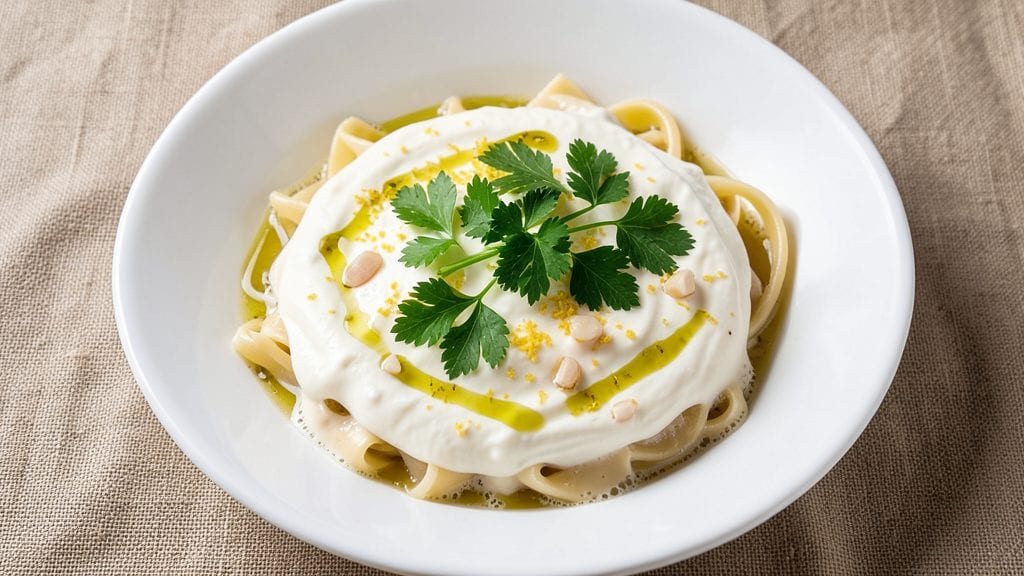
This Philadelphia cream cheese pasta sauce recipe transforms ordinary pasta into a luxurious, ultra-smooth dish with just five simple ingredients and a herbed twist that elevates every bite.
The secret lies in blending softened cream cheese with warm broth while cooking, ensuring a velvety texture without lumps—no heavy cream or complicated techniques required. I developed this sauce after years of testing, and it consistently delivers that restaurant-quality richness at home.
The magic happens when you incorporate softened cream cheese directly into simmering broth, allowing it to melt completely before adding garlic and herbs. This method creates a sauce that clings perfectly to pasta while maintaining its smooth, velvety consistency.
Unlike traditional Alfredo, this version stays creamy even when reheated, making it ideal for meal prep or last-minute dinners.
What you’ll end up with is a rich, herbed cream cheese sauce that coats pasta in luxurious swirls, blending perfectly with garlic, parsley, and a touch of lemon zest.
The sauce is versatile enough to pair with any pasta shape and holds up beautifully when tossed with sautéed vegetables or grilled chicken. It’s the kind of sauce that turns a simple pasta dish into something special.
For extra depth, stir in wilted spinach or sautéed mushrooms during the final minutes of cooking—both add texture and nutrients without altering the sauce’s velvety texture. Store leftovers in the refrigerator for up to five days, or freeze for longer-term use.
Let’s make this sauce that will become your new go-to for creamy pasta nights.
Ingredients for philadelphia cream cheese pasta sauce
Five ingredients, one luxurious sauce—this herbed cream cheese blend turns simple pasta into restaurant-worthy perfection.
| Ingredient | Amount | Notes |
|---|---|---|
| Philadelphia Cream Cheese 🧀 | 8 oz | Full-fat, softened to room temperature |
| Chicken Broth 🍲 | 2 cups | Low-sodium, homemade preferred |
| Garlic Cloves 🧄 | 4 cloves | Fresh, minced into fine paste |
| Fresh Flat-Leaf Parsley 🌿 | ⅓ cup | Stems removed, finely chopped |
| Lemon Zest 🍋 | 1 tbsp | From 1 organic lemon |
| Extra-Virgin Olive Oil 🫒 | ¼ cup | Light, fruity variety |
| Diamond Crystal Kosher Salt 🧂 | ½ tsp | Adjust to taste |
| Freshly Ground Black Pepper 🌶️ | ¼ tsp | Freshly cracked |
The cream cheese is non-negotiable—Philadelphia brand has the perfect balance of fat and tang. Grab the 8 oz block (not tub), let it sit at room temperature for 20 minutes before using. Chicken broth should be homemade if possible—the depth of flavor makes all the difference, but low-sodium store-bought works in a pinch. For garlic, roast it first (400°F for 10 minutes) if you want to take this to the next level—sweetness complements the creaminess beautifully. Fresh parsley from the grocery store's refrigerated section (not the dried stuff) gives that bright, herby finish. If you're using dried parsley, double the amount—it's a different beast.
No chicken broth? Vegetable broth or even white wine works in a squeeze, though the flavor profile shifts slightly. Short on parsley? Fresh basil or chives work beautifully (use half the amount). The lemon zest can be swapped for 1 tsp lemon juice if you're not feeling zestful, but the texture difference is noticeable. Olive oil? Any light, fruity variety—avoid the strong, peppery ones that can overpower. Want extra richness? Stir in 1 tbsp unsalted butter at the end. For a dairy-free twist, substitute vegan cream cheese (like Kite Hill), though the texture will be slightly lighter.
This sauce keeps like a dream—5 days in the fridge sealed in an airtight container, or 3 months frozen in ice cube trays for single servings. Reheat gently on the stove with a splash of water or broth to restore creaminess. Pro tip: Add a pinch of salt when reheating—it helps balance any dried-out flavors. The sauce thickens as it cools, so if it seems too stiff after refrigeration, whisk in 1 tsp warm water to loosen it up. Pairs perfectly with fettuccine or penne, but honestly, it works with anything.
Why You'll Love This Recipe
- No-Fuss Weeknight Win: I swear by this sauce when I’m too tired to think—just melt the cream cheese into warm broth, add minced garlic, and let it simmer. The parsley and lemon zest brighten it up so fast, you’ll forget it’s "healthy" (but it is).
- Creamy Yet Light: That tangy lemon zest cuts through the richness of the cream cheese, while the parsley keeps it fresh. It’s the kind of sauce that feels indulgent but doesn’t weigh you down—like a hug from your favorite comfort food.
- Leftover Goldmine: This sauce doubles as a soup base, a dip for roasted veggies, or a quick pasta fix. I’ve reheated it for three days straight, and it only gets better—thicker, richer, and still packed with that bright garlic-parsley punch.
- Budget Brightener: Chicken broth and cream cheese are pantry staples, and a handful of parsley stretches far. Honestly, I make this when I’m broke but still want something that tastes like I bothered—because it does.
Step-by-step instructions for Philadelphia cream cheese pasta sauce
Here's how to make this ultra-smooth, herbed cream cheese sauce that clings perfectly to pasta.
Prepare the Garlic Paste and Zest
First, peel and finely mince the 4 cloves garlic cloves into a smooth paste using a microplane or the flat side of your knife. This ensures even distribution and prevents burning. In a small bowl, combine the garlic paste with the 1 tablespoon lemon zest, 0.5 teaspoon diamond crystal kosher salt, and 0.25 teaspoon freshly ground black pepper. Set aside - this aromatic base will infuse the entire sauce.
I always zest my lemons just before using to preserve the bright citrus notes. The zest should be finely grated with no pith - you want just the vibrant yellow layer. This combination of garlic, lemon, and pepper creates a complex flavor foundation that balances the richness of the cream cheese.
Warm the Olive Oil and Chicken Broth
Heat the 0.25 cup extra-virgin olive oil in a medium saucepan over medium-low heat until just shimmering - about 2 minutes. Add the garlic-zest mixture and cook for 1 minute, stirring constantly, until fragrant but not browned. This gentle cooking prevents bitterness while developing the flavors.
Pour in the 2 cups chicken broth and bring to a gentle simmer. Let it cook uncovered for 5 minutes until slightly reduced by about 25%. The broth should smell deeply savory with garlic essence - this is your flavor base. The reduction concentrates the taste while keeping the sauce light enough to coat pasta beautifully.
Incorporate the Cream Cheese
Remove the saucepan from heat and let it cool slightly for 2-3 minutes - you want it warm but not hot when adding the cream cheese. Cut the 8 oz Philadelphia cream cheese into small cubes and gradually whisk them into the warm broth mixture, starting with just a few pieces at first.
As the cream cheese melts, continue whisking vigorously to prevent lumps from forming. The sauce should begin to thicken noticeably as the cream cheese emulsifies. If you encounter any stubborn lumps, press them against the side of the pan with a spatula while whisking until smooth. This is where patience pays off - proper emulsification creates that signature silky texture.
Finish with Herbs and Adjust Seasoning
Return the sauce to medium-low heat and stir in the 0.33 cup finely chopped fresh flat-leaf parsley. Cook for exactly 2 minutes - just enough to warm through the herbs without wilting them. The parsley should brighten the sauce with fresh herbal notes that cut through the richness.
Taste and adjust seasoning if needed - you might need a pinch more salt or a crack of pepper to balance the flavors. The sauce should be perfectly smooth with just a hint of sheen from the olive oil. If it's too thick, whisk in 1-2 tablespoons of warm pasta water to reach your desired consistency. This sauce should coat the back of a spoon but still flow freely when drizzled over pasta.
Keep Warm Until Serving
Transfer the sauce to a clean saucepan and maintain it at a gentle simmer over the lowest possible heat. If you're not serving immediately, cover loosely with a lid and keep warm for up to 30 minutes. The sauce will continue to thicken slightly as it sits, so you may need to stir in a splash of warm water or broth if needed before serving.
This sauce works beautifully tossed with cooked pasta, drizzled over grilled chicken, or even as a creamy dip. The key to success is maintaining that perfect balance of richness from the cream cheese, brightness from the lemon and herbs, and depth from the garlic-infused broth. Each component plays its part in creating this luxurious yet approachable sauce.
Pro Tips For Making Philadelphia Cream Cheese Pasta Sauce
- Warm the Broth First: Cold chicken broth will turn your cream cheese into a clumpy mess. Heat the broth until it’s just simmering—about 160°F (70°C)—before you even think about melting the cream cheese. I learned this the hard way when my sauce separated like a sad salad dressing.
- Mince That Garlic: Whole garlic cloves? Nope. For this sauce, you want finely minced garlic—almost paste-like—so it blends smoothly without leaving grainy bits. Pulse it in a food processor for 10 seconds or use the flat side of your knife. Trust me, your texture will thank you.
- Don’t Rush the Cream Cheese: Low and slow is the name of the game here. Add the cream cheese to the warm broth in small batches, whisking like your life depends on it, and let it melt for at least 2 minutes between additions. Dumping it all in at once? You’ll end up with lumps bigger than your regret.
- Zest Before You Toss: Fresh lemon zest adds brightness, but if you add it too early, it’ll turn bitter. Save it for the very end—right after the sauce is off the heat. A microplane works best, and don’t skimp: a teaspoon makes all the difference. (Yes, even if you’re skeptical.)
Creative variations of this dish
Lemon-Garlic Twist
Brighten the sauce with a zesty lemon twist by adding 1 tbsp lemon juice (instead of zest) and ½ tsp lemon pepper at the end. This variation keeps the same creamy base but adds a tangy kick that pairs perfectly with seafood or grilled shrimp.
I love this version for summer dinners—it feels fresh yet rich. 🍋
Spinach-Mushroom Fusion
Wilt 1 cup fresh spinach and ½ cup sautéed mushrooms directly into the sauce during the final 2 minutes of cooking. This adds earthy depth while keeping the sauce velvety.
For extra richness, stir in 1 tbsp cream cheese at the end to bind the veggies. It’s like a creamy, herbed fettuccine Alfredo with a garden-fresh twist. 🌿
Sun-Dried Tomato Heat
Infuse the sauce with Mediterranean flair by blending ¼ cup sun-dried tomatoes (oil-packed) into the warm broth before adding cream cheese. For heat, add ½ tsp red pepper flakes and finish with 1 tbsp chopped basil.
This variation works beautifully with penne or orecchiette pasta. The tomatoes add a sweet, umami richness that balances the creaminess. 🌶️
Smoky Chipotle Kick
Transform the sauce into a smoky, spicy masterpiece by whisking in 1 tsp adobo sauce (from canned chipotles) and ½ tsp smoked paprika with the garlic. Top with crumbled cotija cheese and fresh cilantro for a Mexican-inspired twist.
This version is perfect for tacos or as a dip for tortilla chips. The smokiness cuts through the creaminess beautifully. 🔥
Truffle Luxury
Elevate the sauce to gourmet status by stirring in ½ tsp white truffle oil and 1 tbsp grated Parmesan at the end. For extra decadence, fold in 2 tbsp whipped heavy cream
This version is ideal for special occasions—it feels luxurious but still easy to make. The truffle oil adds an earthy aroma that pairs perfectly with the herbed cream cheese. ✨ For a dairy-free version, substitute the cream cheese with 8 oz vegan cream cheese (like Kite Hill) and use ½ cup unsweetened almond milk instead of broth. Add 1 tsp nutritional yeast for a cheesy flavor. This lighter version still coats pasta beautifully and works well for lactose-intolerant guests. 💚Dairy-Free Adaptation
Nutrition facts
Frequently asked questions
Why does this sauce stay creamy when reheated?
The secret lies in the low-and-slow method of incorporating softened cream cheese into warm—not hot—broth. This creates a stable emulsion that resists separation. Plus, the olive oil and parsley act as natural stabilizers, preventing curdling. Even after refrigeration, the sauce reheats smoothly with just a splash of warm water or broth.
Can I make this sauce ahead of time?
Store leftovers in an airtight container in the fridge for up to 5 days or freeze for 3 months. To reheat, warm gently on the stove with a splash of water or broth—never microwave directly, or the cream cheese may separate. Stir occasionally for even heating.
What’s the best pasta shape for this sauce?
Any shape works, but fettuccine, penne, or farfalle are ideal—their ridges and crevices catch the sauce beautifully. For extra drama, try pappardelle or tagliatelle, which create elegant swirls. Avoid thin noodles like angel hair, as they can overcook in the creamy sauce.
How do I fix lumps in the sauce?
If lumps form, remove the pan from heat and press them against the side with a spatula while whisking vigorously. For stubborn lumps, blend the sauce briefly with an immersion blender. The key is patience—never add cold cream cheese to hot liquid, or it’ll seize up. Always let the broth cool slightly first.
Can I use this sauce for dishes other than pasta?
Yes! Drizzle it over grilled chicken, baked potatoes, or roasted vegetables for instant richness. It also works as a dip for baguette slices or tortilla chips, or as a creamy base for stuffed peppers or shells. The herbed twist adds depth to any dish beyond pasta.