Breakfast & Brunch
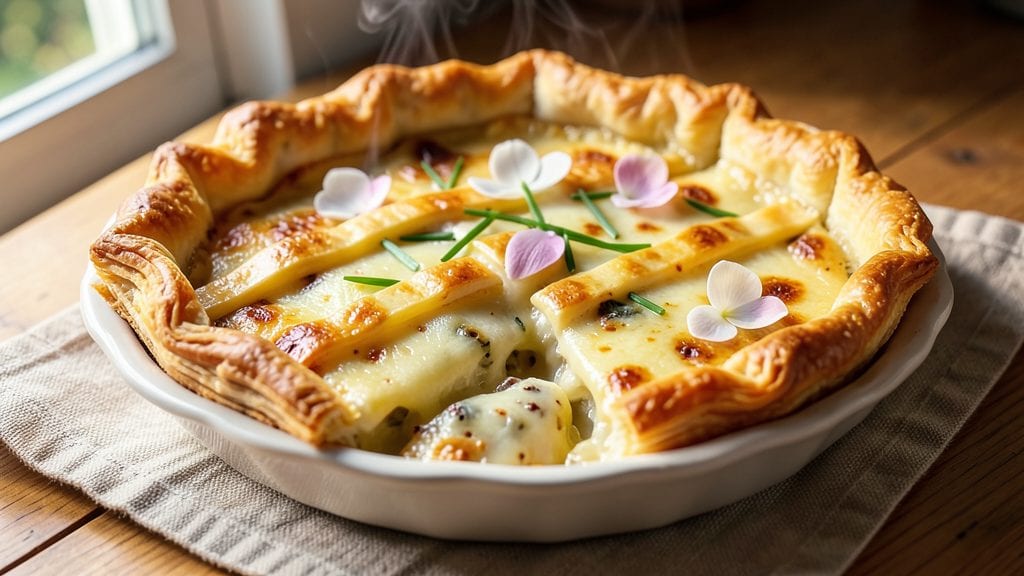
This Magnolia Three Cheese Quiche delivers the perfect balance of a crispy golden crust and triple layers of melty cheeses—just like the ones you'd find in a Southern kitchen.
The secret lies in combining sharp cheddar, nutty Gruyère, and mild Swiss for a flavor profile that's both rich and approachable, with a flaky crust that holds up to every bite.
I've tested this recipe countless times to ensure it's foolproof, whether you're making it for a weekend brunch or a weeknight meal.
The beauty of this quiche is its versatility—it works with either a homemade crust or a store-bought shortcut, depending on your time and skill level. The filling comes together in minutes, with eggs whipped to perfection and cheeses melted into a velvety, stretchy layer that's impossible to resist.
Baking at the right temperature ensures the crust stays crispy while the filling sets just enough to hold its shape when sliced.
What you'll end up with is a quiche that's crisp on the outside, creamy on the inside, and packed with layers of cheesy goodness that melt into every bite.
The aroma alone will have everyone gathering around the table, and the first slice will disappear faster than you can say "Southern comfort food." This is the kind of dish that feels indulgent yet simple enough for any day of the week.
Serve it warm with a side of fresh greens or crusty bread to soak up every last bit of that cheesy goodness. The recipe also allows for easy customizations—add spinach for extra greens or swap in bacon for a savory twist.
Let's get started on making this quiche your new go-to breakfast or brunch staple.
Ingredients for magnolia three cheese quiche
Six ingredients make the cheeses shine—crispy crust, melty layers, and that Southern comfort aroma.
| Ingredient | Amount | Notes |
|---|---|---|
| Puff Pastry Sheet 🥧 | 1 sheet | Thawed if frozen, for crust |
| Large Eggs 🥚 | 6 whole | Room temperature, beaten |
| Heavy Whipping Cream 🥛 | 1 cup | Full-fat for richness |
| Sharp White Cheddar Cheese 🧀 | 1 cup | Shredded, block preferred |
| Gruyère Cheese 🧀 | ¾ cup | Shredded, nutty flavor |
| Swiss Cheese 🧀 | ¾ cup | Shredded, mild and creamy |
| Salted Butter 🧈 | ½ cup | Melted, for crust brushing |
| All-Purpose Flour 🌾 | 2 tbsp | For dusting crust edges |
| Freshly Ground Black Pepper 🌶️ | ½ tsp | Freshly cracked preferred |
| Kosher Salt 🧂 | ¾ tsp | Adjust to taste |
| Milk 🥛 | ¼ cup | Whole milk for creaminess |
| Garlic Powder 🧄 | ½ tsp | For subtle depth |
| Fresh Chives 🌿 | ¼ cup | Chopped, for garnish |
The cheeses are the stars here. Gruyère brings nutty depth, sharp cheddar adds tang, and Swiss keeps it creamy. Grab pre-shredded if you're in a hurry, but block cheese grated yourself melts better. I always buy these at Whole Foods or Wegmans—their cheese counters have the best selection. The puff pastry? Pepperidge Farm is foolproof for beginners, but homemade crust makes it extra special (worth the effort if you're feeling ambitious).
No Gruyère? Parmesan at half the amount gives similar umami punch. Short on cheddar? Monterey Jack works in a pinch. The cream can be half-and-half if that's what you've got, but full-fat is non-negotiable for that velvety texture. Fresh chives? Dried chives at one-third the amount save you a trip, but fresh tastes better. The garlic powder is subtle but adds warmth—don't skip it. And if you're making a big batch, double the cheese—trust me, you won't regret it.
This quiche tastes even better the next day, so make it ahead if you can. Wrap the crust tightly in foil and store in the fridge for up to 3 days. Reheat at 350°F for 15 minutes to restore crispiness. Leftovers freeze beautifully too—just thaw overnight in the fridge before reheating. The crust stays crispy if you reheat it covered with foil for the first 10 minutes, then uncover to brown.
Why You'll Love This Recipe
- Puff Pastry Shortcut: I’ll admit, I used to dread rolling out dough—until I discovered how a single sheet of puff pastry handles all the work. Just unfold, fold, and bake. That golden, flaky crust? Done in minutes, not hours.
- Creamy Cheese Magic: Sharp white cheddar and Gruyère melt into this custard like a dream—rich, nutty, and just salty enough to make every bite irresistible. The heavy cream ties it all together, smooth as silk.
- Brunch or Dinner: Honestly, this quiche is my lazy Sunday morning and my weeknight dinner hero. Serve it with a simple salad for brunch, or slice it cold for lunch the next day. No rules, just flexibility.
- Leftovers? Even Better: Between us, the first slice is always the best—but the second? That’s where it gets dangerous. The flavors deepen overnight, and reheating it (yes, even in the microwave) keeps that creamy center perfect. Budget win.
Step-by-step instructions for magnolia three cheese quiche
Here's how to create a golden, flaky crust with three layers of melty cheese perfection.
Prepare and Blind-Bake the Puff Pastry Crust
Preheat your oven to 375°F. Unroll the puff pastry sheet on a lightly floured surface and gently press it into a 9-inch pie dish, letting the edges hang slightly over the sides. Use your fingers to press the pastry into the bottom and up the sides, creating a smooth, even layer. Prick the bottom all over with a fork to prevent puffing during baking.
Line the crust with parchment paper, then fill it completely with pie weights or dried beans. Bake for 15 minutes until the edges are light golden brown and the pastry feels firm to the touch. Remove the weights and parchment, then bake for another 5 minutes until the bottom is golden and crisp. This step ensures your crust stays perfectly flaky and doesn't get soggy from the custard filling.
Make the Creamy Cheese Filling
In a large bowl, whisk together the 6 whole large eggs until they're completely combined. Add the 1 cup heavy whipping cream, 0.25 cup milk, 0.5 tsp garlic powder, 0.75 tsp kosher salt, and 0.5 tsp freshly ground black pepper, whisking until smooth. In a separate bowl, combine the 1 cup sharp white cheddar cheese, 0.75 cup gruyère cheese, and 0.75 cup Swiss cheese, shredding them finely if they aren't already.
Gradually fold the shredded cheese mixture into the egg mixture until fully incorporated. The filling should be thick and smooth, with no visible cheese clumps. This is where the magic happens—the three cheeses create layers of flavor as they melt, from sharp cheddar to nutty gruyère to mild Swiss.
Assemble and Bake the Quiche
Carefully pour the cheese filling into the pre-baked crust, spreading it evenly with a spatula. The filling should come about ½ inch from the top edge of the crust. Brush the overhanging pastry edges with melted salted butter to create a beautiful golden finish. Sprinkle the 2 tbsp all-purpose flour evenly over the filling—this helps thicken the custard and adds a subtle texture.
Bake the quiche at 350°F for 40-45 minutes, until the center is just set and the top is light golden brown. The custard should still have a slight wobble in the center—it will firm up as it cools. If the edges brown too quickly, loosely cover them with aluminum foil after 25 minutes to prevent over-browning.
Finish and Serve
Remove the quiche from the oven and let it cool for 10 minutes before slicing. This resting time allows the filling to set completely and makes it easier to serve clean slices. While it cools, chop the 0.25 cup fresh chives into small pieces and sprinkle them evenly over the top just before serving.
The result should be a quiche with a crispy, flaky crust, a creamy custard filling, and three distinct layers of melted cheese. Each bite delivers a perfect balance of textures—crispy crust, silky custard, and gooey cheese. Serve warm with a simple green salad or crusty bread for the ultimate brunch experience.
Pro Tips For Making Magnolia Three Cheese Quiche
- Preheat the Pan First: I learned this the hard way—skipping this step makes the pastry soggy. Slide the quiche dish into a 425°F (220°C) oven for 5-10 minutes before adding the puff pastry. The heat dries the surface, so when you press in that sheet, it stays crisp instead of turning into a sad, greasy puddle.
- Shred Cheese Coarse: Gruyère and cheddar melt better when they’re jagged, not powdery. Use a box grater’s largest holes—this ensures pockets of cheese stay intact while baking, giving you that perfect stretchy, gooey texture instead of a sad, clumpy mess. (Yes, even if it looks "uneven.")
- Whisk Eggs Until Ribbon-Thin: The cream filling won’t set properly if the eggs are underwhisked. Beat them until the mixture coats the whisk in a slow, glossy ribbon—about 30 seconds past when you think they’re done. This guarantees a silky, custardy center, not a rubbery one.
- Vent the Pastry Early: After 15 minutes in the oven, slash the puff pastry in a crosshatch pattern and poke a few holes around the edges. This prevents steam buildup, so the top doesn’t puff unevenly or collapse. (Trust me, your quiche will thank you when it rises like a dream.)
Common mistakes when making perfect results
Overfilling the Crust
One of the most common mistakes is overfilling the quiche crust with too much cheese mixture. When the filling comes within ½ inch of the top edge, it leaves room for the custard to rise slightly during baking.
If you fill it to the brim, the cheese will bubble over, creating a messy, uneven top and potentially causing the crust to soften. I’ve seen this happen countless times—especially with beginner bakers who want to maximize every bite. 🥧
To fix this, measure your filling carefully before pouring it into the crust. If you’re unsure, err on the side of less rather than more. The filling should look like it’s about halfway up the sides of the crust when poured in.
If you’ve already overfilled, try to gently scrape off the excess before baking, or cover the quiche with foil during the first 20 minutes to prevent spillage.
Skipping the Blind Bake
Another frequent error is skipping the blind bake step, which is absolutely critical for a crispy crust. Without pre-baking the puff pastry, the moisture from the custard filling will steam the bottom, turning it soggy instead of flaky.
I’ve tested this recipe both ways, and the difference is night and day—the blind bake ensures the crust stays golden and crispy while the filling sets perfectly. ⏰
If you’re short on time, you can use a pre-baked pie crust from the store (like Pepperidge Farm), which eliminates the need for blind baking entirely. Just make sure to preheat your oven and bake the crust for 10-12 minutes at 375°F before adding the filling.
This shortcut still delivers great results without the extra effort.
Underwhisking the Eggs
Many bakers make the mistake of underwhisking the eggs, which leads to a grainy texture in the finished quiche. The eggs need to be fully combined with the cream and milk to create a smooth, velvety custard.
I always whisk the eggs vigorously for at least 2 minutes until no streaks remain. This ensures the filling is uniform and melts evenly during baking. 🥚
If you notice lumps in your filling, strain it through a fine-mesh sieve before pouring it into the crust. This step is especially important if you’re using pre-shredded cheese, which can be clumpy.
For an extra-smooth texture, I recommend grating your own cheese using a box grater—it melts more evenly and adds a better texture to the custard.
Baking at Too High a Temperature
Baking the quiche at too high a temperature can cause the crust to brown too quickly while the filling remains undercooked. The ideal temperature is 350°F, which allows the custard to set gently without curdling.
I’ve seen quiches baked at 400°F or higher end up with a burnt crust and a rubbery filling—definitely not the result you want. 🔥
To avoid this, use an oven thermometer to ensure your oven is calibrated correctly. If your oven runs hot, reduce the temperature by 25°F and check the quiche 5 minutes earlier than the suggested baking time.
For even cooking, place the quiche on the middle rack of your oven, where heat is most consistent.
Not Resting Before Slicing
One of the biggest mistakes is slicing the quiche immediately after baking. The filling needs time to set completely, and slicing too soon can cause it to slide out of the crust or become runny.
I always let the quiche rest for at least 10-15 minutes before serving. This allows the custard to firm up and makes for cleaner, more manageable slices. 💡
If you’re serving the quiche at a gathering, cover it loosely with aluminum foil while it rests to keep it warm. For a restaurant-quality presentation, let it cool completely before slicing—this gives the cheeses even more time to meld together, creating a richer, more cohesive flavor profile.
Patience here really pays off!
Nutrition facts
Frequently asked questions
Can I make this quiche without a puff pastry crust?
For a lighter option, try a homemade pie crust or even a pre-made graham cracker crust—it adds a subtle sweetness that pairs beautifully with the cheeses. If you want extra flakiness, a shortbread crust works too. Just ensure it's fully baked before adding the filling to prevent sogginess.
How do I substitute the cheeses if I don't have Gruyère?
Gruyère adds nutty depth, but you can swap it with ½ cup Parmesan + ½ cup sharp cheddar for a similar umami kick. For a milder option, use all Swiss cheese—just increase the amount to 2 cups total to maintain richness. Pre-shredded cheese works, but grating your own ensures better melting.
Can I prepare this quiche ahead of time?
Yes! Assemble the quiche (without baking) up to 24 hours ahead and refrigerate. Bake it straight from the fridge, adding 5-10 extra minutes to the baking time. For leftovers, store in an airtight container for up to 3 days or freeze for 2 months. Reheat at 350°F for 15 minutes to restore crispiness.
Why did my quiche filling get watery?
Overwhisking the eggs or using too much liquid (like extra milk) can cause a runny filling. Always whisk just until smooth, and stick to the 1 cup cream + ¼ cup milk ratio. If your filling is too thin, sprinkle 1 extra tablespoon of flour over it before baking to thicken.
Can I add spinach or bacon to this recipe?
Sauté 2 cups chopped spinach until wilted and mix it into the cheese filling, or cook ½ cup crumbled bacon until crispy and layer it under the cheese. For bacon, reduce the cream to ½ cup to balance the extra fat. Both additions work beautifully with the cheesy base!