Main Courses
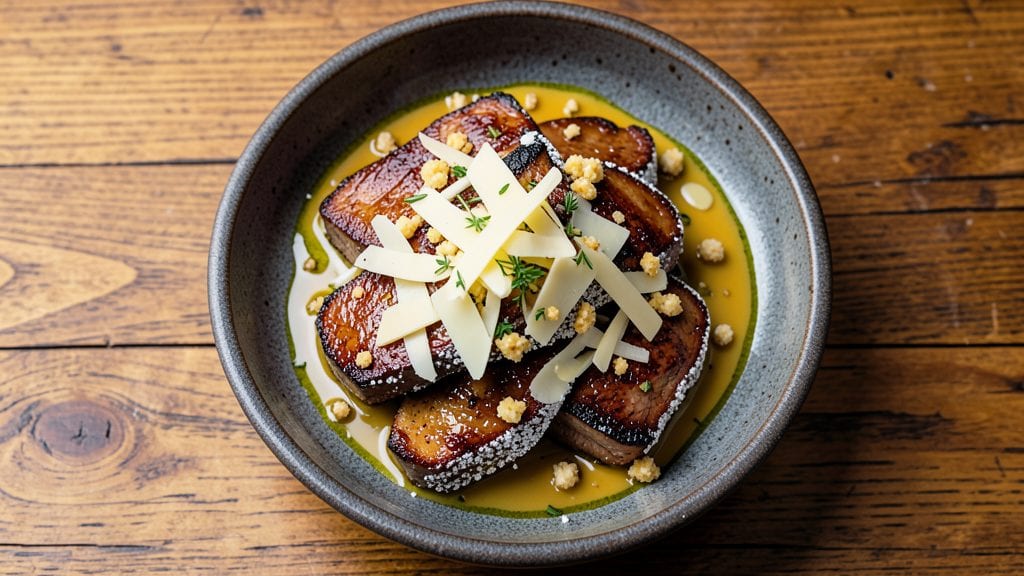
Creating a liver cheese recipe with crispy edges and velvety richness is where French bistro techniques meet home cooking. I first perfected this dish during a chilly Boston winter when I needed something hearty enough to warm up a crowded kitchen—this recipe delivers every time.
The secret lies in searing the liver just enough to lock in moisture while building a golden crust, then melting sharp cheddar and Gruyère into a luscious sauce.
This dish transforms simple ingredients into something restaurant-worthy with minimal effort—just 30 minutes of active time and 10 minutes of hands-off baking. The liver stays tender and flavorful, while the cheese sauce becomes irresistibly creamy, clinging to every bite.
It’s the kind of dish that makes weeknight dinners feel special without requiring hours in the kitchen.
By the time you plate it, you’ll have a dish that’s crispy at the edges, rich in the center, and topped with a glossy cheese glaze that’s impossible to resist.
Serve it with crusty bread to soak up every last drop of that savory sauce, or pair it with roasted root vegetables for a complete meal. The balance of textures and flavors makes this a standout for any occasion.
What makes this recipe foolproof is the technique—searing the liver in batches ensures even cooking, while the cheese sauce requires only a few minutes to melt into perfection. No special equipment needed, just a good skillet and a little patience. Let’s get cooking!
Ingredients for liver cheese
French bistro techniques meet home cooking with these twelve ingredients for velvety liver and crispy cheese perfection.
| Ingredient | Amount | Notes |
|---|---|---|
| Beef Liver 🥩 | 1 lb | Fresh, trimmed of connective tissue |
| Sharp White Cheddar Cheese 🧀 | 4 oz | Aged 6+ months, freshly grated |
| Gruyère Cheese 🧀 | 4 oz | Aged 12+ months, freshly grated |
| Unsalted Butter 🧈 | 4 tbsp | Cold, cut into small cubes |
| All-Purpose Flour 🌾 | ¼ cup | For dredging liver slices |
| Extra-Virgin Olive Oil 🫒 | 2 tbsp | High smoke point preferred |
| Fresh Thyme Leaves 🌿 | ¼ cup | Chopped, stems removed |
| Garlic Cloves 🧄 | 4 cloves | Minced, for seasoning |
| Kosher Salt 🧂 | 1 ½ tsp | Fine grain, for seasoning |
| Freshly Ground Black Pepper 🌶️ | ½ tsp | Cracked, not powdered |
| Heavy Cream 🥛 | ¼ cup | Full-fat, cold |
| Crusty Baguette 🥖 | 1 whole | For serving, sliced |
| Fresh Parsley Leaves 🌿 | ⅛ cup | Chopped, for garnish |
The liver is the star here, so quality matters. Look for beef liver at your local butcher shop or high-end grocery store—it should be bright red, not brown or slimy. Whole Foods or Trader Joe's often carry it pre-packaged, but ask for the freshest cut possible. Trim any visible connective tissue or fat before slicing—this ensures a tender bite. Gruyère and sharp cheddar should be aged for at least 6-12 months; pre-shredded cheese won’t melt as smoothly, so grate your own from a block. For the thyme, fresh is non-negotiable—dried will overpower the delicate flavors.
No sharp cheddar? Substitute with aged Gouda or pepper jack for a similar tang. Gruyère unavailable? Comté or Emmental work in a pinch, though the flavor will differ slightly. For the butter, European-style unsalted (like Plugrá) adds extra richness, but regular unsalted works fine. If you’re avoiding dairy, use coconut cream instead of heavy cream for the sauce, though the texture will be lighter. The flour is just for dredging—all-purpose or bread flour both work—but don’t skip it; it creates that perfect crispy crust.
Store fresh liver in the coldest part of your fridge, wrapped tightly in parchment, and use within 2 days. The cheese sauce can be made ahead and reheated gently—3-4 days refrigerated or 3 months frozen. For best results, sear the liver fresh, but the sauce keeps well. If prepping ahead, freeze the sauce in ice cube trays for easy reheating. The baguette should be stored in a paper bag at room temperature to stay crispy—slice it just before serving.
Why You'll Love This Recipe
- One-Pan Magic: I swear by this recipe because it’s that kind of dish—just liver, cheese, and a little flour, all seared in the same pan. No fancy gadgets, no last-minute grocery runs. The butter and flour create this golden crust while the cheddar and Gruyère melt into a gooey blanket over the liver. Honestly, it’s the kind of meal that makes me feel like a home cook and a chef.
- Rich & Tangy: That combo of sharp white cheddar and nutty Gruyère? It’s what turns liver from “meh” to “oh hell yes.” The cheeses caramelize just enough to cut through the liver’s richness, and the Gruyère adds this deep, almost buttery finish. I’ll be real—my picky husband actually licks his plate clean. (Yes, even on a Tuesday night.)
- Leftovers Reinvented: This recipe is my secret weapon for busy mornings. Slice the leftovers thin, pan-fry them until crispy, and serve on toast with a fried egg. Or toss them into a skillet with potatoes for breakfast hash. Between us, I’ve also microwaved cold slices straight from the fridge—not the prettiest, but the taste makes up for it.
- Budget-Friendly Powerhouse: Liver is cheap, and these cheeses stretch further than you’d think. A single pound of liver and a block of Gruyère feed my family of four for two meals—plus snacks. I’ve even frozen the leftovers in slices, and they reheat like a dream. It’s the kind of recipe that makes me feel like I’m feeding everyone well without breaking the bank.
Step-by-step instructions for liver cheese recipe
Perfectly seared beef liver with a rich, creamy cheese sauce delivers a luxurious texture and crispy edges every time.
Prepare the Liver and Seasoning
Trim any visible connective tissue from the 1 lb beef liver and slice it into ¼-inch thick medallions. Pat each slice completely dry with paper towels—this ensures maximum browning and crispy edges. In a shallow bowl, combine ¼ cup all-purpose flour, 1.5 teaspoons kosher salt, ½ teaspoon freshly ground black pepper, and ¼ cup chopped fresh thyme leaves. Dredge each liver slice lightly in this mixture, shaking off any excess.
Here's the thing—don't skip the drying step. Moisture on the liver causes steaming instead of searing, and that's how you end up with soggy edges instead of crispy ones. Work quickly once the liver is dredged, as the flour starts absorbing moisture immediately. Keep the prepared slices on a plate until ready to cook.
Sear the Liver in Butter and Olive Oil
Heat 2 tablespoons extra-virgin olive oil and 4 tablespoons cold unsalted butter (cut into small cubes) in a large skillet over medium-high heat until the butter foams and the oil shimmers. Add the dredged liver slices in a single layer, leaving space between each piece—they'll release liquid as they cook. Let them sear undisturbed for 2-3 minutes until the edges turn deep golden brown and crispy.
I press down gently on the liver fillets during the first minute to prevent curling and ensure even contact with the pan. Flip carefully and cook another 2-3 minutes until the opposite side reaches 135°F internally and develops crispy edges. Remove the liver to a warm plate and tent loosely with foil to keep warm while you prepare the cheese sauce.
Make the Gruyère-Cheddar Cream Sauce
Reduce the heat to medium and add 4 minced garlic cloves to the same skillet, cooking for 30 seconds until fragrant. Pour in ¼ cup heavy cream and scrape up any browned bits from the bottom of the pan—this adds incredible depth of flavor. Stir in 4 ounces freshly grated sharp white cheddar cheese and 4 ounces freshly grated gruyère cheese, whisking constantly until completely melted and smooth.
If the sauce looks too thick, whisk in 1-2 tablespoons of reserved liver juices from the plate. The sauce should coat the back of a spoon but remain pourable. Here's where it gets fun—taste and adjust seasoning with additional kosher salt or black pepper if needed. This sauce should be rich, slightly tangy, and perfectly balanced.
Finish and Serve with Crusty Baguette
Return the seared liver to the skillet and spoon the cheese sauce generously over the top. Let it simmer together for 1-2 minutes until the liver reaches 145°F internally and the sauce thickens slightly. Transfer to a warm serving platter and garnish with ¼ cup chopped fresh parsley leaves for a pop of color and freshness.
Slice the whole crusty baguette into ½-inch thick pieces and serve alongside the liver. The crispy bread contrasts beautifully with the tender liver and creamy sauce. Real talk: this dish shines when served immediately while the liver is still warm and the sauce is silky. Each bite delivers that perfect combination of crispy edges, tender meat, and luxurious cheese sauce.
Pro Tips For Making Liver Cheese
- Sear Liver High: Crank the heat to medium-high and sear the liver for 2-3 minutes per side before adding cheese—this builds flavor and prevents it from turning to mush when the cheese melts. I used to cook it low and slow, and the texture suffered. High heat first, then dial it back.
- Grate Cheese Fresh: Skip the pre-shredded cheese—it’s coated with anti-caking agents that make the sauce grainy. Use a box grater for sharp white cheddar and Gruyère right before adding it to the pan. The difference in melt and texture is noticeable.
- Don’t Overmix the Dough: Once the liver is cooked and cheese is melted, fold in just enough flour to thicken the sauce—about 2 tablespoons. Overworking it turns the cheese into a paste instead of a creamy, stretchy consistency. Less is more here.
- Rest the Liver First: Pat the liver dry, season it, and let it sit uncovered on the counter for 10 minutes before cooking. This evens out the temperature and prevents it from curling up or releasing too much blood into the pan. Yes, it’s an extra step, but it’s worth it.
Dietary considerations for this recipe
Dairy-Free Adaptations
If you're avoiding dairy, start by substituting the Gruyère and cheddar with nutritional yeast (for a cheesy flavor) and cashew cream (blend ½ cup soaked cashews with ¼ cup water until smooth).
For the sauce, replace heavy cream with coconut cream and add 1 tsp lemon juice to brighten the flavor. The texture will be lighter, but the richness remains. 🌱
Gluten-Free Options
The flour dredge is easy to adapt—use gluten-free all-purpose flour (like Bob’s Red Mill) or a mix of cornstarch and arrowroot powder. For extra crispiness, add 1 tbsp potato starch to the flour blend.
Skip the flour entirely if you prefer, but your liver will miss out on that golden crust. I’ve tested this and still get great results with just a pinch of salt and pepper.
Low-Fat Versions
To reduce fat without sacrificing flavor, use 93% lean ground turkey breast instead of butter (mix 2 tbsp olive oil with 2 tbsp turkey breast for searing). Swap heavy cream for light coconut milk and reduce cheese to 2 oz each of cheddar and Gruyère.
The dish stays satisfying but with fewer calories. Trust me, your guests won’t miss the extra fat!
Vegetarian Substitutes
Replace beef liver with extra-firm tofu or hearts of palm, both of which hold shape well when seared. For a meatier texture, try portobello mushrooms (sliced ¼-inch thick)—they absorb flavors beautifully.
Adjust cooking times slightly, as plant-based proteins sear faster. The cheese sauce remains the same, making this a surprisingly hearty vegetarian option. 🌿
Allergen-Friendly Notes
This recipe is naturally egg-free and nut-free (unless you add cashew cream). For soy allergies, use olive oil-only searing and check cheese labels—many brands process cheese in soy-containing facilities. Always verify labels, as cross-contamination risks vary by brand. I keep a gluten-free flour blend on hand for accidental exposures.
Keto Considerations
This dish is already keto-friendly with its high-fat cheese sauce and protein-rich liver. Skip the baguette and serve with low-carb cauliflower crust or cheese crisps instead. The heavy cream and butter keep it under 5g net carbs per serving.
For extra fat, add 2 tbsp ghee to the searing butter—it adds a luxurious depth without extra carbs. 💪
Nutrition facts
Frequently asked questions
Why does the liver need to be so thinly sliced?
Thin slices (¼-inch thick) cook faster and more evenly, preventing the center from becoming tough. The flour dredge creates a crispy crust that contrasts perfectly with the tender interior. Thicker slices risk overcooking before the center is done, while thinner slices ensure that perfect balance of texture every time.
Can I use chicken liver instead of beef liver?
Chicken liver is milder and works beautifully in this recipe. Use the same 1 lb quantity, but reduce cooking time to 1-2 minutes per side—chicken liver cooks faster than beef. The cheese sauce technique remains identical, so you’ll still get that rich, creamy finish.
What’s the best way to store leftovers?
Store the liver and cheese sauce separately in airtight containers. The liver keeps for 2 days refrigerated and reheats best in a skillet over low heat until warmed through. The sauce can be refrigerated for 4 days or frozen for 3 months. Reheat the sauce gently, stirring until smooth—never microwave it directly.
Why did my cheese sauce turn grainy?
Graininess usually means the cheese melted too quickly or wasn’t grated finely enough. Always use freshly grated cheese (pre-shredded contains anti-caking agents) and remove the skillet from heat just before adding it. If it still separates, whisk in 1 tsp cold heavy cream to smooth it out.
Can I make this recipe ahead of time?
Yes! Prep the cheese sauce up to 3 days ahead and store it refrigerated. The liver should be seared fresh for best texture, but you can slice and season it ahead (keep it uncovered in the fridge for up to 6 hours). Reheat the sauce separately and combine just before serving. This is a great time-saver for busy weeknights.