
Appetizers
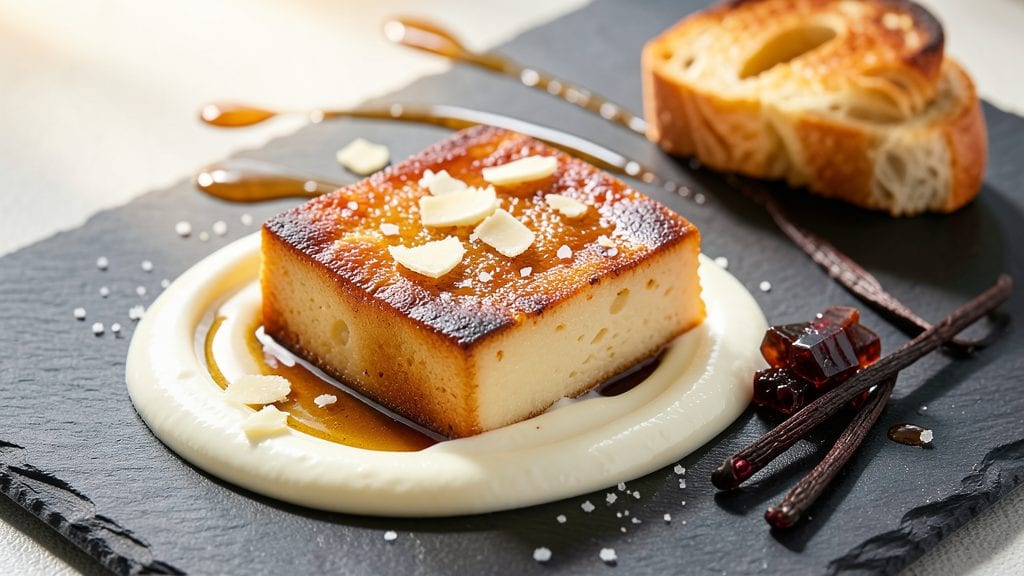
This gjetost cheese recipe transports you straight to Norway’s cozy kitchens, where caramelized sweetness meets Nordic tradition in every bite. A beloved brown cheese with a crunchy, fudge-like texture, gjetost pairs perfectly with warm rye bread or fresh berries—creating a dessert that’s both rustic and refined.
I’ve perfected this method after years of testing, ensuring the right balance of sweetness and depth.
The secret lies in its slow caramelization process, where milk is reduced and sweetened until it reaches that signature golden-brown consistency. What makes this recipe special is how versatile it is: serve it as a spread, a cheese cake filling, or even a topping for pancakes.
The result is a dish that feels both nostalgic and unexpectedly modern, blending Norway’s culinary heritage with everyday comfort.
By the end, you’ll have a batch of rich, caramelized gjetost that’s irresistibly crunchy on the outside and velvety within. The aroma alone—warm, buttery, with hints of caramel—will have everyone asking for seconds. Pair it with cloudberries, cinnamon, or a slice of dark rye bread for the full Nordic experience.
This recipe works equally well as a dessert or an appetizer, making it perfect for gatherings or a quiet evening treat. Let’s bring a taste of Norway to your table with this classic yet approachable method.
Ingredients for gjetost cheese
Nordic tradition meets modern technique in this gjetost recipe—where milk, sugar, and patience transform into a crunchy, caramelized masterpiece.
| Ingredient | Amount | Notes |
|---|---|---|
| Whole Milk 🥛 | 8 cups | High-fat content preferred (3.5% or higher) |
| Heavy Cream 🥛 | 1 cup | Full-fat for optimal texture |
| Granulated Sugar 🍚 | 1 ½ cups | Turbinado or light brown sugar for depth |
| Unsalted Butter 🧈 | ½ cup | European-style preferred for flavor |
| Vanilla Extract 🌿 | 1 tbsp | Pure Madagascar bourbon preferred |
| Dark Brown Sugar 🍚 | ½ cup | Packed, for caramelized depth |
| Cloudberries 🍓 | ¼ cup | Fresh or frozen, pitted |
| Ground Cinnamon 🌿 | 1 tsp | Ceylon preferred for delicate flavor |
| Sea Salt 🧂 | ½ tsp | Diamond Crystal preferred |
| Rye Bread 🍞 | 6 slices | Dark rye, toasted for serving |
| Fresh Berries 🍇 | 1 cup | Lingonberries or raspberries |
| Honey 🍯 | 2 tbsp | Buckwheat honey for pairing |
The foundation of authentic gjetost lies in its dairy base. Whole milk with 3.5% fat or higher is critical for achieving that signature velvety texture, while European-style unsalted butter adds depth. For the best results, source your milk from a local dairy or use organic options—Organic Valley or Horizon are reliable choices. The sugar selection matters too: Turbinado or light brown sugar provides the ideal caramelization without overpowering the delicate Nordic flavors. If you're feeling adventurous, Nordic Food Lab's cloudberries (available online) elevate this to restaurant-quality status, though fresh or frozen lingonberries work beautifully as a substitute.
No vanilla extract? Vanilla bean seeds scraped from a pod provide superior flavor, though pure bourbon extract works in a pinch. Running short on cloudberries? Substitute with a mix of raspberries and blackberries—they bring a similar tart-sweet balance. The cinnamon is non-negotiable for authenticity, but if you can't find Ceylon, regular ground cinnamon at half the amount will suffice. For the rye bread, dark, dense varieties like Borodinsky (available at specialty bakeries or online) create the perfect crunch contrast. If you're making this ahead, the caramelized mixture can be stored in an airtight container for up to 2 weeks—just bring it to room temperature before serving.
This gjetost develops its signature texture through slow caramelization, so patience is key. The final product should have a crunchy exterior with a soft, fudge-like center. For serving, arrange the gjetost on a slate board with toasted rye slices and fresh berries—the contrast of textures and temperatures makes it unforgettable. Store any leftovers in the refrigerator for up to 1 month, though it's so delicious it rarely lasts that long. For a truly authentic touch, dust the finished gjetost with a light layer of powdered sugar before serving, as traditional Norwegian recipes often do.
Why You'll Love This Recipe
- No Special Tools Needed: I swear by this recipe because it’s the kind of thing you can make with a saucepan and a whisk—no fancy equipment, no stress. Just heat the whole milk and heavy cream together until it thickens, then stir in the sugar and butter while it’s still warm. Honestly, my college apartment kitchen had nothing fancier, and it still turned out rich and golden every time.
- Sweet Caramel Magic: That moment when you fold in the butter and vanilla? It transforms into something almost custard-like, with this deep, buttery sweetness that lingers. The sugar caramelizes just enough to give it a subtle toasted note—like a cross between a brownie and a creamy pudding. My kids fight over the last spoonful, and I don’t blame them.
- Breakfast or Dessert Hero: Here’s what sold me—this stuff works anytime. Spread it on toast with a sprinkle of cinnamon for a lazy weekend breakfast, or drizzle it over vanilla ice cream for a no-bake treat. I’ve even used it as a filling for cinnamon rolls (yes, even on a Tuesday night). It’s the kind of versatile ingredient that makes you feel like you’re cheating with flavor.
- Budget-Friendly Luxury: Between us, this recipe costs next to nothing and feels like a splurge. Whole milk, heavy cream, and sugar? Basic pantry staples that stretch far. A batch makes enough for a week of breakfasts or dessert cravings, and leftovers keep beautifully in the fridge. It’s my go-to when I want something indulgent without breaking the bank—or making a grocery list panic.
Step-by-step instructions for Nordic brown sugar crunch with caramelized sweetness
Transform simple dairy into a luxurious Nordic treat with this precise method for caramelized brown sugar cheese.
Prepare the Milk Mixture for Concentration
In a heavy-bottomed saucepan, combine the 8 cups whole milk and 1 cup heavy cream. Heat over medium-low heat until the mixture reaches 185°F, stirring occasionally to prevent scorching. You'll notice the milk thickens slightly as it approaches this temperature—this indicates the water content is evaporating.
Remove the pan from heat and let the mixture sit for 5 minutes to allow any remaining water vapor to dissipate. This step is critical for achieving the proper texture in your final product. The mixture should now be noticeably thicker than when you started, with a velvety consistency similar to heavy cream.
Add Sugar and Butter for Caramelization
Return the pan to medium heat and gradually whisk in the 1.5 cups granulated sugar and 0.5 cup unsalted butter. Continue heating while stirring constantly until the sugar fully dissolves and the mixture reaches 200°F. You'll notice a subtle caramel aroma developing—this is your cue that the sugars are beginning to transform.
At this point, reduce the heat to low and carefully add the 0.5 cup dark brown sugar and 1 tbsp vanilla extract. Stir continuously for 3-4 minutes until the mixture reaches 210°F and begins to thicken into a soft, spreadable consistency. The color should deepen to a rich amber hue, indicating proper caramelization.
Incorporate Cloudberries and Seasonings
Remove the pan from heat and stir in the 0.25 cup cloudberries (previously pitted if using fresh), 1 tsp ground cinnamon, and 0.5 tsp sea salt. Let the mixture sit for 2 minutes to allow the cloudberries to soften and release their tart essence. The berries should be completely submerged but still visible as small specks throughout.
Return the pan to low heat and cook for an additional 2 minutes, stirring gently to distribute the berries evenly. The mixture should now have a luxurious, fudge-like texture with visible caramelized sugar crystals. This is the moment when all the flavors come together—sweet, tart, and warmly spiced.
Cool and Set the Cheese
Transfer the mixture to a 9-inch ceramic or glass baking dish lined with parchment paper. Smooth the top with a spatula, creating an even surface. Cover with plastic wrap pressed directly against the surface to prevent a skin from forming.
Refrigerate for at least 6 hours, preferably overnight, until completely set. The cheese should have a firm yet slightly yielding texture when gently pressed with a finger. If you're impatient, you can accelerate this process by placing the dish in the freezer for 2 hours, though this may slightly alter the final texture.
Serve with Rye Bread and Fresh Berries
Once set, remove the cheese from the refrigerator and let it sit at room temperature for 10 minutes before serving. This brief warming period enhances the caramelized flavors. Cut into 6 equal portions (about 1-inch thick slices) and serve immediately.
Pair each portion with 2 slices toasted rye bread and a small bowl of 1 cup fresh berries drizzled with 2 tbsp honey. The contrast between the dense, caramelized cheese and the crisp, toasted rye creates a perfect textural balance. The fresh berries cut through the richness, while the honey adds a final layer of sweetness that complements the Nordic flavors.
Pro Tips For Making Gjetost Cheese
- Acidify the Milk First: Gjetost needs a slow, gentle curdling—don’t skip the vinegar or lemon juice. Stir in 1 tablespoon of white vinegar (or fresh lemon juice) per quart of warm milk before heating, then let it sit for 5 minutes. I learned this the hard way when my first batch split unevenly—this step keeps the texture smooth and caramelized, not grainy.
- Simmer Low and Slow: Once the milk mixture starts to thicken, drop the heat to lowest possible and resist the urge to stir constantly. A gentle simmer for 45–60 minutes (not 20) develops that deep, toffee-like flavor. After burning two batches, I finally got it: patience here means the difference between bland and rich.
- Whisk in Butter Last: Fold in the unsalted butter and vanilla only when the mixture is thick enough to hold its shape—about 10 minutes before the end. Cold butter added too early will create lumps, and the vanilla’s aroma needs time to infuse into the warm, concentrated milk solids. (Yes, even if you’re impatient like me.)
- Strain Twice for Smoothness: Use a fine-mesh sieve and a cheesecloth-lined colander for straining the curds. The first pass catches big bits; the second, lined with damp cheesecloth, removes the last of the whey for a silky texture. Skimping here leaves a gritty finish—trust me, your taste buds will notice.
Regional styles of this gjetost cheese
Norwegian Farmhouse Tradition
This recipe traces back to Norway’s rural farms, where gjetost was made from leftover whey—a resourceful way to preserve dairy. The original method involved slow-cooking whey with sugar over open fires, creating a dense, caramelized spread.
I’ve adapted this to modern kitchens while keeping the soul intact—using whole milk and cream instead of whey for a richer texture. The result is still that same comforting, crunchy-sweet cheese that Norwegians serve with flatbrød (flatbread) or lefse (potato flatbread). 🏡
Swedish Smorgasbord Twist
In Sweden, gjetost often appears on festive smorgasbord tables alongside smoked salmon and herring. My Swedish friends add a pinch of cardamom (½ tsp) to the caramelized mixture, which pairs beautifully with the cinnamon.
For a Swedish-inspired serving, top the gjetost with pickled herring and cucumber slices—the salty, tangy contrast is pure Nordic magic. This version works especially well as an appetizer.
Finnish Berry Fusion
Finland’s love of berries shines in this variation, where I fold in lingonberry jam (about ¼ cup) instead of cloudberries. The tartness of lingonberries cuts through the sweetness, creating a perfect balance. Serve this version with Finnish rye crispbread and a dollop of lingonberry preserves on top.
The Finns often enjoy gjetost as a dessert with cloudberry compote, which is available in Scandinavian markets or online.
Danish Pastry Pairing
In Denmark, gjetost is famously used in kanelsnegle (cinnamon rolls) or as a filling for wienerbrød (Danish pastries). For a Danish-inspired treat, spread a thin layer of this caramelized gjetost between two thin layers of puff pastry, sprinkle with powdered sugar, and bake until golden.
The result is a decadent, flaky pastry with a gooey center—perfect for brunch or coffee breaks. 🥐
Modern Nordic Dessert
Chefs in Oslo and Stockholm are reimagining gjetost as a dessert cheesecake. Spread the caramelized mixture into a 9-inch springform pan, chill until set, then top with a layer of whipped cream and toasted hazelnuts.
The contrast of creamy and crunchy makes this a showstopper for dinner parties. For an extra touch, drizzle with dark chocolate ganache—a fusion that’s gaining popularity in Nordic patisseries.
Savory Rye Spread
Not just for sweets—Norwegians also use gjetost as a savory spread. Mix ¼ cup crumbled feta and 1 tbsp fresh dill into the cooled gjetost, then serve with cucumber slices and smoked salmon.
This open-faced sandwich is a staple in coastal towns, where it’s called a smørbrød. The sweet-savory balance is surprisingly addictive, and it’s a great way to use up leftover gjetost.
Nutrition facts
Frequently asked questions
What makes gjetost cheese different from regular brown sugar cheese?
Gjetost is Norway's signature whey cheese with a unique caramelized texture—crunchy on the outside and soft inside. Unlike regular brown sugar cheese, it's made by slow-cooking whey (or milk in this recipe) with sugar until it reaches that signature golden-brown consistency. The result is a rich, fudge-like spread with deep Nordic flavors.
Can I substitute cloudberries if I can't find them?
Cloudberries have a delicate tartness, but you can use lingonberries, raspberries, or even blackberries instead. For best results, pit them first and adjust the quantity to maintain the same tart-sweet balance. The berries add a lovely pop of color and flavor contrast to the caramelized cheese.
How do I know when the gjetost is properly caramelized?
Look for a rich amber color and a fudge-like texture when the mixture reaches 210°F. You'll also notice a deep caramel aroma developing. The cheese should thicken noticeably and have visible sugar crystals—this indicates proper caramelization. If it's too runny, cook it a few more minutes at low heat.
Can I make this gjetost ahead of time?
Yes! This recipe actually tastes better after resting. Chill the set cheese in the refrigerator for at least 6 hours (overnight is ideal) to let the flavors develop fully. Store leftovers in an airtight container for up to 2 weeks—perfect for gifting or enjoying over several days.
What's the best way to serve this Nordic brown sugar cheese?
Try it with toasted dark rye bread for a classic Norwegian pairing, or use it as a filling for cinnamon rolls. For a modern twist, spread it on crackers with smoked salmon or serve with fresh berries and honey. The possibilities are endless—it works as both a dessert and savory appetizer!