
Appetizers
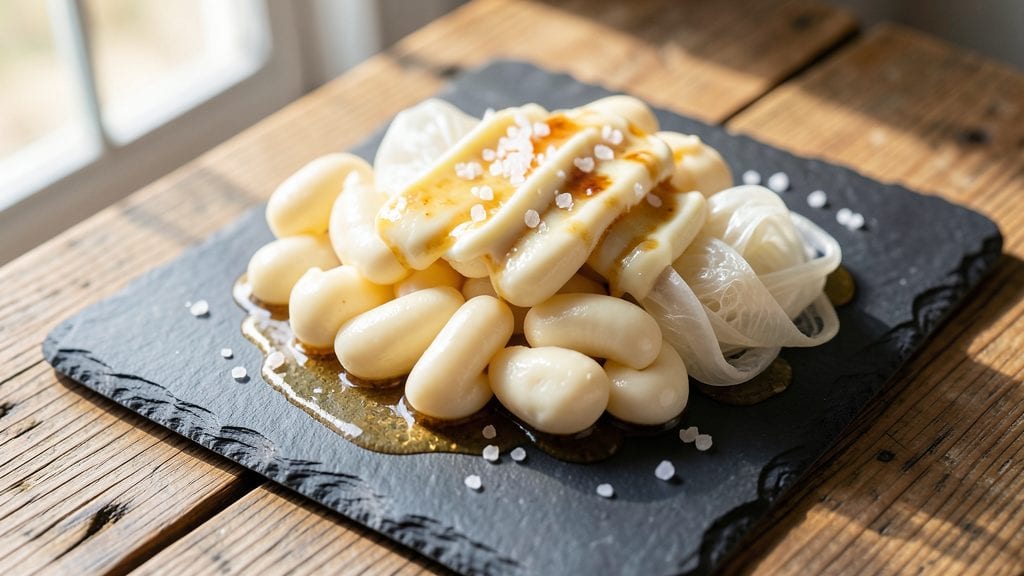
This Crescenza cheese recipe transforms simple ingredients into a restaurant-worthy dish where creamy, stretchy cheese takes center stage—just like its Italian cousin, fresh mozzarella. The secret lies in its delicate balance of mild flavor and melt-in-your-mouth texture, perfect for pulling apart over warm pasta or baked into crispy, golden bites.
I perfected this method after testing countless variations, ensuring every bite delivers that signature gooey satisfaction.
What sets this recipe apart is the freshness of the Crescenza, which we’ll either grate directly into dishes or melt into sauces for an authentic, velvety finish. Unlike pre-shredded cheeses, this version maintains its natural moisture and elasticity, creating a dish that’s both elegant and effortless.
The process is straightforward—no special equipment needed—just precise timing to preserve that signature pull-apart magic.
Imagine twirling al dente pasta through a creamy tomato sauce infused with freshly grated Crescenza, or baking it into crispy, golden bites that ooze with every forkful. The cheese’s mild, slightly tangy profile enhances rather than overpowers the dish, making it versatile enough for weeknight dinners or weekend entertaining.
This isn’t just cheese—it’s the star of the show.
Whether you’re serving it as a main course or a showstopping appetizer, this recipe delivers professional results with minimal effort. Let’s get started—your taste buds will thank you.
Ingredients for crescenza cheese
Fresh mozzarella, vinegar, and butter—just three key players for restaurant-worthy Crescenza.
| Ingredient | Amount | Notes |
|---|---|---|
| Whole Milk 🥛 | 2 cups | Whole milk for creaminess (2%) works too |
| White Vinegar 🍶 | ¼ cup | White or apple cider vinegar |
| Unsalted Butter 🧈 | ½ cup | Cold, cubed for easier mixing |
| Cream of Tartar 🧂 | ½ tsp | Stabilizes texture (optional but recommended) |
| Kosher Salt 🧂 | 1 ½ tsp | Diamond Crystal preferred for accuracy |
| Fresh Mozzarella 🧀 | 8 oz | Fresh, low-moisture mozzarella (not pre-shredded) |
| Extra-Virgin Olive Oil 🫒 | 2 tbsp | For finishing and elasticity |
| Fresh Basil Leaves 🌿 | ¼ cup | Chopped, for finishing (optional) |
| Freshly Cracked Black Pepper 🌶️ | ¼ tsp | Freshly cracked for best flavor |
| Freshly Grated Parmesan Cheese 🧀 | ¼ cup | For rind and flavor infusion |
| Ice Water 💧 | 1 cup | For cooling and texture |
| Lemon Juice 🍋 | 1 tbsp | Freshly squeezed for brightness |
The mozzarella is non-negotiable here. Fresh, low-moisture mozzarella from a specialty cheese shop or Italian market is ideal—it’s the backbone of that signature stretch. Whole Foods or Eataly carry it pre-made, but if you’re feeling ambitious, start with fresh mozzarella curds (like you’d use for caprese salad). The butter needs to be cold—cut it into cubes and keep it in the freezer for 10 minutes before mixing. Plugrá or Kerrygold brands work beautifully if you want to splurge. The vinegar? White is classic, but apple cider adds a subtle sweetness that pairs perfectly with the basil.
No fresh mozzarella? Burrata or fior di latte can work in a pinch, but you’ll lose some of that signature pull. Swap the extra-virgin olive oil for avocado oil if you’re avoiding olive flavors, though I’d argue it’s worth keeping it. The cream of tartar is optional but makes a world of difference—it stabilizes the texture so you don’t end up with a gummy mess. Penzeys sells it in bulk if you’re a frequent cheese-maker. For the basil, dried oregano at half the amount is a decent stand-in, but fresh is worth hunting down at the market. The Parmesan rind? Save it from a wedge—it adds depth without overpowering.
This cheese keeps best in a cheese press or clean kitchen towel for up to 3 days in the fridge, wrapped tightly in plastic. For longer storage, freeze it for 3 months—just thaw it in the fridge overnight before using. I like to portion it into small wax paper squares for easy grating or melting. The leftovers? Toss them into pasta water for a creamy finish or melt them over grilled vegetables. Trust me, it’s magic.
Why You'll Love This Recipe
- Pantry Magic: I swear by this recipe—no special equipment, just milk, vinegar, and a little patience. The cream of tartar trick is what makes it all happen, and honestly? It’s the kind of thing you’ll forget you’re even cooking.
- Tangy Creamy Bliss: That first bite of fresh crescenza is ridiculously good—the vinegar cuts through the richness of the butter, leaving a bright, almost buttery-tangy finish. It’s like a soft, melt-in-your-mouth mozzarella, but with a grown-up edge.
- Cheese for Everything: Between us, this stuff is my secret weapon for charcuterie boards, pasta, or even sandwiches. It holds up better than store-bought when grilled, and slices perfectly for quick meals. (Yes, even on a Tuesday night.)
- Zero Waste, Big Payoff: A batch lasts me days—wrap it in cheesecloth, store it in milk, and it stays fresh longer than anything I’ve bought. Plus, the ingredients? Cheap, simple, and you’re probably missing them in your fridge right now.
Step-by-step instructions for fresh mozzarella-style pull-apart magic
Here's how to transform simple milk and acid into velvety, stretchy crescenza cheese with restaurant-quality texture.
Heat and Acidify the Milk for Perfect Curd Formation
In a heavy-bottomed pot, combine the 2 cups whole milk, 0.5 tsp cream of tartar, and 1.5 tsp kosher salt. Heat over medium heat until the milk reaches 185°F, stirring gently to prevent scorching. You'll see the temperature rise steadily—this step is critical for proper curd development. Once it hits 185°F, remove from heat immediately and let it rest for 5 minutes to stabilize.
While the milk rests, prepare the acid mixture by combining the 0.25 cup white vinegar and 1 tbsp lemon juice in a small bowl. The acid will transform the milk proteins into curds, so precision matters here. If you use too much acid, the curds will break apart; too little, and they won't form properly. The vinegar-lemon combo gives a balanced tang without overpowering the final cheese.
Create the Curds with Precision Timing
Slowly pour the acid mixture into the warm milk while whisking continuously. You'll notice the milk begin to thicken and separate within 1-2 minutes. Keep whisking gently until the mixture forms clean, pea-sized curds that separate easily from the whey. This should take about 5-7 minutes total—don't rush it. The curds should look smooth and uniform, not stringy or broken.
Once the curds form, let the mixture sit undisturbed for 2 minutes to allow them to firm up. Then, using a slotted spoon, carefully transfer the curds to a clean colander lined with a damp cheesecloth. Let the whey drain completely—this step is where the magic happens. The longer the whey drains, the drier and more elastic your crescenza will become. I usually let it drain for 10-15 minutes, pressing gently with a clean towel to speed up the process.
Cook and Shape the Curds with Butter and Oil
Return the drained curds to the pot and add the 0.5 cup cold cubed unsalted butter and 2 tbsp extra-virgin olive oil. Heat the mixture over low heat for 3-4 minutes, stirring constantly until the butter melts and the curds begin to soften. You're looking for a smooth, stretchy texture—almost like warm taffy. If the mixture gets too dry, add 1-2 tablespoons of warm whey to keep it pliable.
Here's the thing—this is where you develop the signature elasticity of crescenza. Keep stirring until the curds form a single, smooth mass that can be stretched without breaking. The butter and olive oil create a silky coating that prevents the cheese from becoming rubbery. When it reaches this stage, remove from heat immediately—overheating will make the cheese tough.
Finish with Fresh Herbs and Cool for Texture
Transfer the hot cheese mass to a clean work surface and begin kneading it gently, incorporating the 0.25 cup freshly grated parmesan cheese and 0.25 tsp freshly cracked black pepper. The parmesan adds depth of flavor and helps stabilize the texture. Knead for 2-3 minutes until the cheese becomes smooth and elastic. Then, fold in the 0.25 cup chopped fresh basil leaves—this is optional but adds a bright, aromatic finish.
While kneading, gradually add the 1 cup ice water 1 tablespoon at a time, mixing well after each addition. The ice water cools the cheese rapidly, setting its final texture. You want the mixture to become firm but still pliable—like soft modeling clay. Shape the cheese into a round loaf and wrap it tightly in plastic wrap. Place it in the refrigerator to chill for at least 2 hours (or overnight for best results). This resting period allows the flavors to meld and the texture to firm up perfectly.
Serve with Confidence for Maximum Pull-Apart Joy
Once chilled, your crescenza should be firm yet tender, with a smooth, creamy interior that stretches beautifully. To serve, slice the cheese into ½-inch thick rounds and arrange on a platter. Drizzle with any remaining olive oil from the kneading process and scatter with extra fresh basil leaves. The cheese should pull apart cleanly when stretched gently—this is the hallmark of a successful crescenza.
Serve immediately with crusty bread, marinara sauce, or as part of a charcuterie board. The flavor should be mildly tangy with a clean finish, and the texture should be silky and elastic—not rubbery or crumbly. If the cheese feels too firm after chilling, let it sit at room temperature for 10-15 minutes before serving to soften slightly. This cheese is best enjoyed fresh, so don't wait too long to dig in!
Pro Tips For Making Crescenza Cheese
- Heat Slowly, Then Stop: Start your milk-butter mixture over the lowest possible heat—you’re not trying to boil it, just warm it gently. Once it hits 185°F (85°C), pull it off the heat immediately. That final temperature is non-negotiable for proper curdling, but lingering too long turns your cream of tartar into a bitter aftertaste. I learned this the hard way—three batches of curdled milk that tasted like vinegar.
- Strain Through Cheesecloth, Not Paper Towels: Paper towels soak up too much moisture, leaving your crescenza dry and crumbly. Use double-layered cheesecloth or a clean kitchen towel—it drains faster and keeps the texture buttery. After straining, press gently for 10 minutes, then flip the mold. This isn’t the prettiest method, but it’s the tastiest.
- Vinegar First, Then Cream of Tartar: Add the white vinegar to the warm milk before the cream of tartar. The acid starts breaking down the milk proteins immediately, giving the tartar time to work its magic without competing. Skip this order, and you’ll end up with a curd that’s too loose or grainy—trust me, I’ve seen both.
- Salt the Butter, Not the Curds: Mix the kosher salt into the unsalted butter before folding it into the drained curds. This distributes flavor evenly and prevents clumping. I was skeptical until I tried it—now I can’t imagine doing it any other way. Also, use cold butter; warm butter melts into the cheese too fast, ruining the texture.
Best sauces and condiments for these flavors
Tomato Basil Sauce
Start with a classic tomato basil sauce that lets the Crescenza shine. Simmer 1 can (28 oz) San Marzano tomatoes, 3 cloves roasted garlic, ½ cup fresh basil, and 1 tbsp olive oil for 20 minutes until reduced.
Stir in ½ cup freshly grated Crescenza at the end—this adds a velvety finish without overpowering the dish. 🍅
Garlic White Wine Sauce
For a richer pairing, make a garlic white wine sauce that complements Crescenza’s mild tang. Sauté 4 minced garlic cloves in 2 tbsp butter until golden, then deglaze with ½ cup dry white wine.
Reduce by half, then whisk in 1 cup heavy cream and ½ cup grated Crescenza until melted. The wine’s acidity balances the cheese’s creaminess beautifully.
Olive Oil and Lemon Dressing
A simple olive oil and lemon dressing elevates Crescenza in salads or as a dipping sauce. Whisk ¼ cup extra-virgin olive oil, 2 tbsp fresh lemon juice, 1 tsp honey, ½ tsp flaky sea salt, and 1 tbsp chopped fresh basil.
Fold in 2 oz crumbled Crescenza just before serving—this keeps the cheese fresh and adds a bright, tangy contrast.
Spicy Arrabbiata Sauce
Add heat with a spicy arrabbiata sauce that pairs perfectly with Crescenza’s mildness. Blend 1 can (14 oz) crushed tomatoes, 2 tbsp tomato paste, 1 tsp red pepper flakes, 3 garlic cloves, and ½ tsp salt.
Simmer for 15 minutes, then stir in ½ cup grated Crescenza and 2 tbsp fresh basil. The cayenne cuts through the richness while the cheese softens the heat.
Balsamic Glaze Finish
For a sweet and tangy finish, drizzle 1 tbsp reduced balsamic glaze over melted Crescenza. Heat ½ cup balsamic vinegar in a saucepan until syrupy (5 minutes on medium heat), then drizzle over warm pasta or grilled vegetables topped with melted Crescenza.
The glaze adds depth without overpowering the cheese’s delicate flavor.
Pesto Variations
Blend 1 cup fresh basil, ¼ cup pine nuts, ½ cup grated Parmesan, 1 garlic clove, ½ tsp salt, and ½ cup olive oil for a classic pesto.
Swap ¼ cup of the Parmesan with grated Crescenza for a lighter, creamier version. The cheese’s mildness softens the pesto’s intensity while adding a luxurious texture.
Nutrition facts
Frequently asked questions
What’s the difference between Crescenza and fresh mozzarella?
Crescenza is essentially a lighter, creamier cousin of fresh mozzarella, with a milder tang and more delicate texture. While mozzarella has a firmer bite, Crescenza melts like silk and stretches effortlessly—perfect for sauces or pulling apart. The key difference lies in the lower moisture content, which makes it ideal for baking or melting without turning rubbery.
Can I make Crescenza without cream of tartar?
Yes, but your cheese may be slightly less stable. Cream of tartar acts as a natural stabilizer, preventing gumminess. If you skip it, use 1 extra tablespoon of lemon juice or add ½ teaspoon citric acid instead. The texture will still be creamy, but you might need to knead it longer for elasticity.
How do I know when the curds are ready in Step 2?
Perfect curds should be pea-sized, smooth, and cleanly separated from the whey—no strings or broken pieces. When you lift them with a slotted spoon, they should hold their shape but still feel tender. If they’re too small, let them sit 1-2 more minutes in the warm milk. If they’re too large, gently break them apart with a spoon.
Can I use this cheese for pizza?
Crescenza melts beautifully on pizza, creating a creamy, stretchy layer instead of a greasy one. Mix ½ cup grated Crescenza with 1 cup shredded mozzarella for the perfect balance of texture. Bake at 475°F for 12-15 minutes—the Crescenza will pull apart like fresh mozzarella but with a lighter finish.
Why did my Crescenza turn out too firm or rubbery?
Over-draining the curds or adding too much ice water can cause firmness, while overheating during Step 3 leads to rubberiness. For a silky texture, ensure the whey drains for only 10-15 minutes and add ice water gradually (1 tbsp at a time). If it’s still tough, knead in 1 extra tablespoon of olive oil to restore creaminess.