Side Dishes
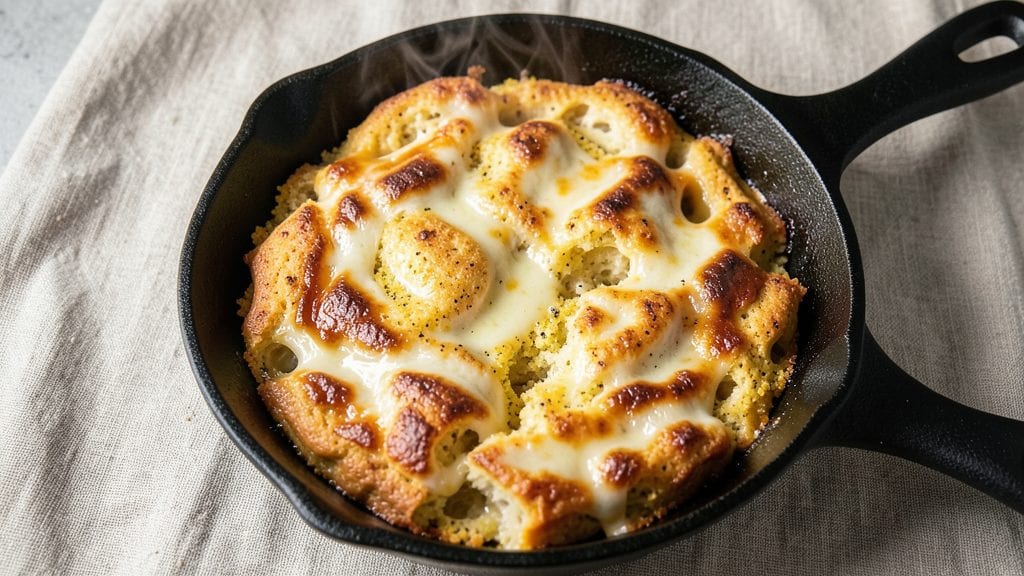
This cheese cornbread recipe delivers the perfect balance of golden, crispy crust and molten, pull-apart swirls of cheddar—every bite is a revelation. The secret lies in layering sharp cheddar throughout the batter and baking it just long enough to achieve that ideal contrast between crispy edges and tender, gooey centers.
I’ve perfected this version over years of testing, and it’s become a staple at my table, whether served alongside chili or as a breakfast side.
The beauty of this recipe is its simplicity: just 10 ingredients, a 30-minute bake time, and minimal effort for maximum flavor. The cornmeal provides that signature texture, while the cheese adds richness and depth.
What makes this version stand out is the technique of folding cheese into the batter and sprinkling it on top before baking—this creates those irresistible pull-apart swirls while keeping the crust crispy. It’s the kind of dish that disappears faster than you can say "second slice."
By the time it emerges from the oven, your cornbread will have a golden, crackly crust that gives way to soft, crumbly layers filled with pockets of melted cheese.
The aroma alone will have everyone gathering around the table, and the first bite delivers that perfect harmony of tangy cheese, sweet corn, and buttery richness. This is the kind of cornbread that turns a simple meal into something special—no fancy ingredients or techniques required.
Serve it warm with honey butter, alongside a hearty stew, or even as a breakfast side with scrambled eggs. The versatility is part of its charm, but the real magic is in how it transforms an ordinary meal into something memorable.
Let’s get baking—this recipe is a game-changer for cornbread lovers.
Ingredients for cheese cornbread
Ten essential ingredients transform into cornbread with a golden crust and molten cheese swirls.
| Ingredient | Amount | Notes |
|---|---|---|
| Sharp White Cheddar Cheese 🧀 | 2 cups | Shredded, aged for tangy flavor |
| Fine Yellow Cornmeal 🌽 | 1 cup | Stone-ground preferred for texture |
| All-Purpose Flour 🌾 | 1 cup | Sifted for lightness |
| Granulated Sugar 🍯 | ¼ cup | Light brown sugar for depth |
| Baking Powder 🍞 | 2 tsp | Aluminum-free for best rise |
| Salt 🧂 | ½ tsp | Diamond Crystal preferred |
| Large Eggs 🥚 | 2 whole | Room temperature for even mixing |
| Buttermilk 🥛 | 1 cup | Full-fat for richness |
| Unsalted Butter 🧈 | ½ cup | Melted, cooled slightly |
| Milk 🥛 | ¼ cup | Whole milk for creaminess |
The sharp white cheddar is non-negotiable—Kraft or Babybel brands deliver consistent sharpness, but aged cheddar from specialty stores like Whole Foods elevates the flavor further. For the cornmeal, Bob’s Red Mill stone-ground is the gold standard, though any fine yellow cornmeal works. The baking powder should be fresh; Diamond Crystal is ideal as it contains baking soda. Pre-shredded cheese often contains anti-caking agents that prevent proper melting, so grating your own ensures those gooey pockets we all crave. Store cheddar in an airtight container to maintain sharpness for up to 6 months.
No buttermilk? Substitute with 1 cup milk + 1 tbsp vinegar, let sit for 5 minutes. Running short on sharp cheddar? Monterey Jack or pepper jack provide a milder but still delicious alternative. The cornmeal can be swapped for fine polenta if needed, though texture will differ slightly. For a gluten-free version, replace the all-purpose flour with a 1:1 gluten-free blend. The eggs should be large for proper structure—extra-large works too, but reduce to 1.5 eggs if needed. If your butter is salted, reduce the added salt by 0.25 tsp to maintain balance.
Pre-mix the dry ingredients and store in an airtight container for up to 1 week—this saves time on busy mornings. The cheese can be pre-shredded and stored in the freezer for 3 months, though grating fresh yields better results. Once baked, cornbread reheats beautifully in a 350°F oven for 5-10 minutes wrapped in foil. For maximum freshness, serve within 2 days of baking, though it keeps well at room temperature for 3 days in an airtight container.
Why You'll Love This Recipe
- No Mixer Needed: I’ll be real—this cornbread comes together with just a fork and a bowl. The sharp cheddar melts into the wet ingredients while you whisk, and the cornmeal gives that perfect crumb without any fuss.
- That Cheese Factor: Between us, the sharp white chedddar isn’t just an add-in—it’s the star. The first bite hits with a salty, tangy punch that makes store-bought versions taste like a sad afterthought.
- Weeknight Workhorse: This is my go-to when I need something fast but still feels special. Serve it warm with chili, cold in a lunchbox, or even as a side for fried chicken—it never lets me down.
- Budget-Friendly Staple: A single batch costs me pennies but stretches for days. The sugar keeps it moist, the baking powder ensures a light rise, and the leftovers? They disappear faster than I can reheat them.
Step-by-step instructions for cheese cornbread
Here's the method for achieving that signature crispy crust while keeping the interior gloriously gooey and swirled with melted cheese.
Prepare the Cheese Swirl Dough
Preheat your oven to 425°F and grease a 9-inch cast-iron skillet or baking dish generously with 0.25 cup unsalted butter, reserving 0.25 cup milk for later. In a large bowl, combine 1 cup fine yellow cornmeal, 1 cup all-purpose flour, 0.25 cup granulated sugar, 2 tsp baking powder, and 0.5 tsp salt. Whisk vigorously until no dry spots remain—this ensures even distribution and proper texture.
In a separate bowl, whisk together 2 whole large eggs, 1 cup buttermilk, and the reserved 0.25 cup milk. Gradually pour the wet ingredients into the dry while stirring just until combined—overmixing develops gluten and creates a tough crumb. Fold in 2 cups shredded sharp white cheddar cheese using a rubber spatula, ensuring even distribution. The dough should be thick but pourable, with visible cheese chunks throughout.
Create the Signature Swirl Pattern
Pour half of the batter into the prepared skillet, spreading it evenly to the edges. Sprinkle 1 cup additional shredded sharp white cheddar cheese over the surface, pressing it lightly into the batter. This creates the classic marbled effect that makes each bite special. Pour the remaining batter over the cheese layer, using a spatula to create gentle swirls by dragging the tip through the batter at a 45-degree angle—this builds tension for dramatic pull-apart texture.
I like to press down gently on the center of the cornbread to create a slight dimple—this prevents excessive spreading during baking and helps the crust develop more evenly. The cheese should peek through the surface in places, promising that gooey surprise in every bite. Tap the skillet gently on the counter to release any air bubbles trapped in the batter.
Bake for Maximum Crispiness
Bake immediately in the preheated oven for 20-25 minutes until the edges are deep golden brown and a toothpick inserted in the center comes out clean. The key to crispy crust is maintaining that 425°F temperature—don't reduce heat during baking or you'll end up with a cakey texture instead of the signature crust. If the top browns too quickly, tent loosely with aluminum foil after 15 minutes to prevent over-browning while still allowing the cheese to melt completely.
Watch closely during the last 5 minutes of baking—this is when the crust develops its characteristic crackly texture. The interior should be just set but still slightly moist, with melted cheese forming those signature pull-apart swirls. Remove from the oven and let rest in the skillet for 5 minutes before attempting to cut—this allows the structure to firm up slightly and makes for cleaner slices.
Serve Immediately for Best Texture
Run a sharp serrated knife around the edges of the cornbread to loosen it from the skillet, then invert onto a serving platter if desired. The crust should release cleanly if properly greased, revealing an interior that's still warm and gooey. Serve immediately while the crust is at its crispiest—this cornbread loses its ideal texture as it cools.
For maximum enjoyment, cut into 1-inch squares and serve warm with honey butter or chili. The contrast between the crispy exterior and melted cheese pockets makes this cornbread a showstopper. Store leftovers wrapped in foil at room temperature for up to 2 days, but reheat only until warm—microwaving destroys the crust's texture.
Pro Tips For Making Cheese Cornbread
- Preheat That Skillet: DESCRIPTION: I learned this the hard way—cold cast iron or nonstick pans make cornbread dense and sad. Get your pan smoking hot (medium-high) for 3-5 minutes before adding the batter. The cheese melts faster, and the crust forms instantly. Trust me, it’s worth the wait.
- Shred Cheese Like a Pro: DESCRIPTION: Buy pre-shredded cheddar? Skip it—it’s coated with anti-caking agents that make the cheese clump and weep moisture. Use a box grater or food processor for sharp, dry shreds. Pack the cheese into the batter tightly; don’t just sprinkle it in. This keeps the cornbread rich and gooey, not soggy.
- Skip the Overmixing: DESCRIPTION: Cornbread’s magic comes from its texture, not smoothness. Mix the wet and dry ingredients just until combined—lumps are fine. Overmixing develops gluten, turning your cornbread into a dense, bread-like brick. Stir until the flour’s mostly gone, then stop.
- Test for Doneness Early: DESCRIPTION: Cornbread bakes fast—don’t wait for the edges to look done. Insert a toothpick at 15 minutes; if it comes out clean or with a few moist crumbs, it’s ready. Pull it then, or it’ll dry out. (Yes, even if the center looks wet—it’ll set as it cools.)
Wine and beer pairings for cheese cornbread
Southern Sweet Tea
The classic choice for cornbread is a tall glass of Southern-style sweet tea—its bold sweetness and brisk acidity cut through the richness of the cheese beautifully. I prefer Lipton Southern Sweet Tea (the concentrated version) mixed with 4 tablespoons of sugar per 12-ounce glass and served over ice.
The tea’s floral notes complement the cornbread’s buttery crust, while the sugar helps balance the sharp cheddar. For a non-caffeinated option, try AriZona Peach Tea—its fruity profile adds a refreshing contrast to the savory-sweet cornbread. 🍹
Honey Butter
This is my go-to pairing for cornbread, and it’s surprisingly simple. Melt ½ cup unsalted butter with ¼ cup honey and 1 teaspoon lemon juice in a small saucepan over low heat for 3-4 minutes. Stir until smooth and slightly thickened, then let cool.
Serve warm alongside the cornbread—each bite of crispy crust with melted cheese pairs perfectly with the sweet, tangy butter. For extra flair, sprinkle with flaky sea salt before serving. This combo is especially popular at breakfast or brunch. 🍯
Light Lager
When serving cornbread as a side dish for a hearty meal, a crisp, light lager like Miller Lite or Coors Banquet works wonders. The beer’s subtle maltiness and clean finish cleanse your palate between bites of rich cornbread and savory mains like chili or fried chicken.
For a craft option, try Allagash White, a Belgian-style wheat beer with citrusy notes that brighten the dish. Avoid heavy IPAs or stouts—they’ll overpower the cornbread’s delicate flavors. 🍺
Spiced Bourbon
For a more indulgent pairing, serve cornbread with a small glass of bourbon infused with warm spices. I like to muddle 2 cinnamon sticks, 3 cloves, and 1 star anise in 2 ounces bourbon (like Buffalo Trace) for 10 minutes, then strain and serve neat.
The caramel and vanilla notes in the bourbon mirror the cornbread’s sweetness, while the spices add depth. This pairing elevates cornbread to a dessert-like experience—perfect for a cozy dinner. 🥃
Apple Cider
In fall or winter, warm spiced apple cider is an unexpected but fantastic match. Heat 1 cup apple cider with 1 cinnamon stick, 2 strips orange peel, and 1 tablespoon brown sugar until steaming.
The cider’s tartness and the cornbread’s buttery richness create a harmonious balance. For a boozy twist, add 1 ounce bourbon or apple brandy to the cider before serving. This combo feels festive and comforting. 🍎
Coffee or Espresso
If you’re serving cornbread for breakfast or a late-morning snack, a strong cup of coffee or espresso is ideal. The bitterness of the coffee contrasts with the cornbread’s sweetness and richness, creating a satisfying balance.
I recommend a dark roast like Peet’s Major Dickason’s Blend or a flat white with whole milk for creaminess. The caffeine also helps cut through the cornbread’s buttery indulgence. ☕
Nutrition facts
Frequently asked questions
Can I make this cheese cornbread without buttermilk?
Mix 1 cup milk with 1 tablespoon vinegar or lemon juice, then let it sit for 5 minutes to curdle. This creates the same tangy reaction as buttermilk. For extra richness, use whole milk and add 1/2 teaspoon sugar to mimic buttermilk's sweetness.
Why does my cheese cornbread turn out cakey instead of crispy?
Cakey texture usually means the oven wasn't hot enough or the batter was overmixed. Always bake at 425°F and avoid stirring after combining wet/dry ingredients. For extra crispiness, brush the crust with melted butter during the last 5 minutes of baking. A cast-iron skillet also helps create that signature crust.
What's the best cheese to use besides sharp cheddar?
For a milder flavor, try Monterey Jack or Colby, while pepper jack adds a subtle kick. Gouda (smoked or aged) creates a deeper, caramelized flavor. Avoid pre-shredded cheese—it contains anti-caking agents that prevent proper melting. Always grate fresh for those perfect gooey pockets.
Can I make this cornbread in a regular baking dish instead of cast iron?
Yes, but grease your dish thoroughly with butter or oil and consider adding a sprinkle of cornmeal to prevent sticking. For best results, use a 9-inch oven-safe skillet or ceramic dish. If using glass, reduce baking time by 2-3 minutes as it conducts heat differently. The crust may be slightly less crispy but still delicious.
How do I reheat cheese cornbread without making it soggy?
Wrap slices in foil and reheat at 350°F for 5-7 minutes until warm. For extra crispiness, place the wrapped cornbread on a baking sheet and broil for 1-2 minutes at the end. Never microwave—it turns the crust rubbery. Reheating works best within 24 hours of baking.