Salads
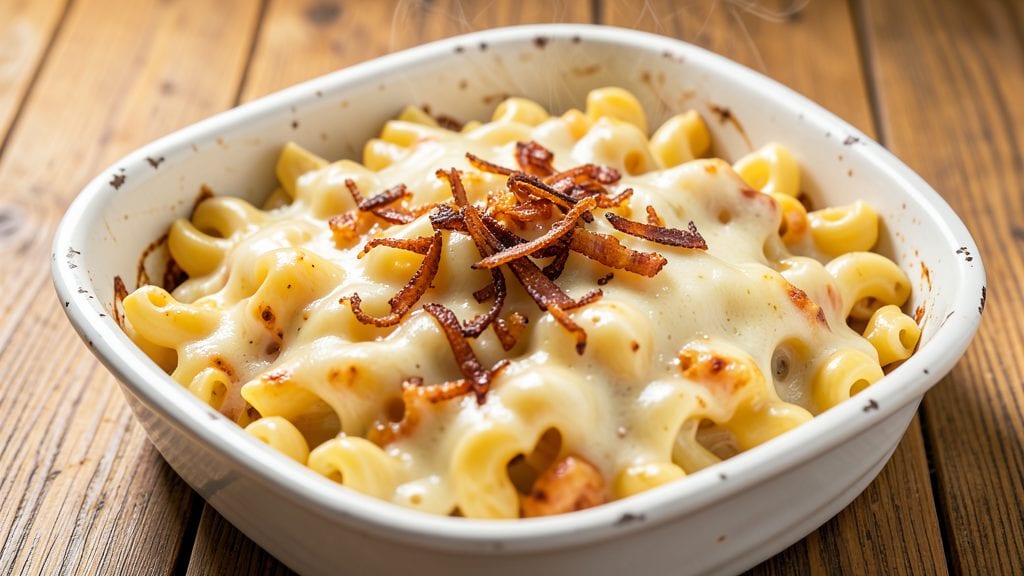
Craig Melvin’s mom’s macaroni and cheese recipe brings back the comforting, creamy swirls of childhood—exactly as he remembers. This one-pan version delivers that signature rich, velvety texture with a crispy golden crust, all while keeping prep simple.
The secret lies in the roux and precise timing, ensuring every bite is perfectly balanced between tender pasta and decadent cheese sauce.
What makes this recipe special is its nostalgic simplicity—just a handful of ingredients transformed into something restaurant-quality. The key technique? Cooking the pasta directly in the cheese sauce, which infuses every strand with flavor while preventing that dreaded "soggy" texture.
A light breadcrumb topping adds a satisfying crunch that elevates the dish from comfort food to showstopper.
By the end, you’ll have a bubbling, golden casserole with cheese swirls that look as good as they taste—creamy, slightly tangy, and impossible to resist. The aroma alone will have everyone gathering around the table, and the leftovers?
Even better the next day. This is the kind of mac and cheese that feels like a hug in a bowl.
Serve with a simple green salad or steamed broccoli to balance the richness, or keep it classic with buttered dinner rolls. The beauty of this recipe is its versatility—perfect for a weeknight dinner, holiday gathering, or even a cozy movie night. Let’s get cooking!
Ingredients for craig melvin's mom's macaroni and cheese
Six ingredients transform into velvety cheese swirls with a golden crust—just like Craig Melvin remembers.
| Ingredient | Amount | Notes |
|---|---|---|
| Elbow Macaroni 🍝 | 1 ½ lb | Medium or small elbow preferred |
| Unsalted Butter 🧈 | ¾ cup | Cold, cut into small cubes |
| All-Purpose Flour 🌾 | ½ cup | Sifted for smooth roux |
| Sharp Cheddar Cheese 🧀 | 2 cups | Shredded, aged 6+ months |
| Medium Cheddar Cheese 🧀 | 1 ½ cups | Shredded, for creaminess |
| Colby Jack Cheese 🧀 | 1 cup | Shredded, for mild tang |
| Whole Milk 🥛 | 2 cups | Full-fat for richness |
| Heavy Cream 🥛 | ½ cup | 36% fat preferred |
| Yellow Mustard 🍯 | 1 tbsp | Dijon-style for depth |
| Diamond Crystal Kosher Salt 🧂 | 1 ½ tsp | Adjust to taste |
| Ground Black Pepper 🌶️ | ½ tsp | Freshly cracked |
| Panko Breadcrumbs 🍞 | ¼ cup | For crispy topping |
| Melted Butter 🧈 | 2 tbsp | For breadcrumb binding |
| Garlic Powder 🧄 | ½ tsp | Enhances cheese flavor |
The cheese blend is non-negotiable for that signature tangy richness. Sharp cheddar provides the backbone, while medium cheddar ensures creaminess—Colby Jack adds that nostalgic mildness. For optimal quality, buy pre-shredded cheeses from the refrigerated section (the bagged kind has anti-caking agents that prevent proper melting). If you're ambitious, grate your own from blocks for the best texture. The elbow macaroni should be medium or small for even cooking; larger shapes risk being undercooked. Store-brand pasta works fine, but avoid the pre-boiled kind—we're cooking it directly in the sauce.
No sharp cheddar? Extra-sharp cheddar at half the amount works in a pinch, though the flavor profile shifts slightly. Substituting Colby Jack? Monterey Jack is a direct swap, but expect a milder finish. For a dairy-free option, nutritional yeast and cashew cream can mimic some of the umami, though the texture will differ. The mustard is crucial—Dijon-style adds depth that plain yellow lacks. If you're avoiding gluten, gluten-free elbow macaroni holds up well, though it may require slightly longer cooking. The breadcrumb topping can be swapped for crushed Ritz crackers or buttery cornflakes for a different texture.
This casserole reheats beautifully—350°F for 20 minutes restores that golden crust and creamy interior. For make-ahead prep, assemble the dish without baking; refrigerate for up to 24 hours before baking. Leftovers keep for 4-5 days in the fridge, though they're best enjoyed within the first two. The breadcrumb topping can be made ahead and stored in an airtight container for 3 days. For freezer storage, bake fully, cool completely, then freeze in portions—reheat from frozen at 325°F for 45 minutes.
Why You'll Love This Recipe
- No-Fuss Routine: I swear by this for nights when I’ve got zero energy—just melt butter, whisk in flour, add shredded cheddar until it’s that perfect stretchy sauce. No roux disasters, no clumping mess, just smooth, creamy magic in one pot.
- Cheese Love Bomb: Sharp cheddar meets medium cheddar in this recipe, and honestly? It’s the kind of combo that makes you close your eyes. The sharp cuts through the richness while the medium keeps it velvety—no chalky aftertaste, just pure, melty satisfaction.
- Lunchbox Legend: Between us, this is my go-to for meal prep. Toss cooled mac and cheese into containers, and it holds up for days—no soggy pasta in sight. My kids grab it for school lunches, and I still sneak bites from the fridge.
- Budget-Busting Comfort: Four ingredients, zero frills, and it feeds four for under $5. That’s right—this is the ultimate cheap-eats win. The butter and flour stretch to make enough sauce for seconds (or thirds), and the cheddar’s the star without breaking the bank.
Step-by-step instructions for Craig Melvin's mom's macaroni and cheese recipe
This method delivers that iconic, creamy, cheesy swirl you crave—rich, velvety, and perfectly balanced.
Cook the Elbow Macaroni to Al Dente Perfection
Bring a large pot of water to a rolling boil and add the 1.5 lb elbow macaroni. Cook until 1 minute before the package instructions specify for al dente—this ensures the pasta finishes cooking in the oven while absorbing the cheese sauce. Drain the pasta, reserving 1 cup of pasta water, and set aside. The pasta should have a slight bite, not be mushy.
Here's the thing—overcooking pasta in the pot leads to a gummy final dish. I always taste-test a piece before draining. It should have a slight resistance when bitten, with a white center that's still firm. The reserved pasta water is non-negotiable; it's what transforms the sauce from thick to luscious.
Create the Signature Cheese Sauce
In a large, heavy-bottomed pot, melt the 0.75 cup unsalted butter over medium heat until it foams. Whisk in the 0.5 cup all-purpose flour and cook for 2-3 minutes, stirring constantly, until the mixture forms a smooth, pale roux. This is your flavor foundation—don't rush it or the sauce will taste raw.
Gradually whisk in the 2 cups whole milk and 0.5 cup heavy cream, adding them slowly to prevent lumps. Bring the mixture to a gentle simmer, stirring frequently, until it thickens enough to coat the back of a spoon. This should take about 5-7 minutes. Remove from heat and stir in the 1 tbsp yellow mustard, 0.5 tsp garlic powder, 1.5 tsp diamond crystal kosher salt, and 0.5 tsp ground black pepper. The mustard adds depth that elevates this from ordinary to extraordinary.
Combine Cheeses for Maximum Creaminess
Lower the heat to low and begin adding the cheeses in stages. First, stir in the 2 cups sharp cheddar cheese and 1.5 cups medium cheddar cheese until completely melted and smooth. Then add the 1 cup colby jack cheese, mixing until fully incorporated. The sauce should be thick but still pourable—if it's too thick, whisk in 2-3 tablespoons of the reserved pasta water to reach your desired consistency.
This layered approach ensures each cheese melts properly without creating clumps. I've found that adding the colby jack last prevents it from separating. The sauce should now be luxuriously creamy with a perfect balance of sharp, medium, and mild cheeses. Taste and adjust seasoning if needed—sometimes the cheeses vary in saltiness.
Assemble and Bake for the Perfect Swirl
In a large mixing bowl, combine the cooked elbow macaroni with the cheese sauce. Mix gently but thoroughly to coat each noodle completely. Transfer the mixture to a 9x13-inch baking dish, spreading it evenly. The dish should be ¾ full—this allows room for the sauce to bubble and create those signature swirls.
Here's where the magic happens: sprinkle the 0.25 cup panko breadcrumbs mixed with 2 tbsp melted butter evenly over the top. The breadcrumb mixture should form an even layer—don't pack it down. Bake at 375°F for 20-25 minutes, until the top is golden brown and the edges bubble slightly. The breadcrumbs should be crispy, not soggy.
Create the Iconic Cheese Swirls
Remove the baking dish from the oven and let it rest for 5 minutes. Then, using a large spatula, gently run it through the center of the macaroni and cheese, cutting through to the bottom of the dish. Lift one side of the baking dish and tilt it slightly while pulling the spatula toward you, creating a deep trough. Pour the contents back into the trough, then tilt the dish in the opposite direction to create the classic swirl pattern.
Return the dish to the oven for 5-7 minutes to set the swirls. The cheese should be fully melted and glossy, with those beautiful golden-brown swirls visible on top. Serve immediately while the breadcrumbs are crispy and the cheese is molten. This isn't just macaroni and cheese—it's a nostalgic, comforting masterpiece that brings back memories of home.
Pro Tips For Making Craig Melvin'S Mom'S Macaroni And Cheese
- Cook the Pasta Al Dente: This isn’t a suggestion—it’s non-negotiable. Elbow macaroni should have a slight bite when done, not mushy. Taste-test at 6 minutes, then drain immediately. Overcooking turns it into glue, and no amount of cheese will fix that.
- Grate Cheese Fresh: Pre-shredded cheese has anti-caking agents that make the sauce grainy. Use a box grater for sharp and medium cheddar—it melts smoother and sticks better. (Yes, it takes 2 minutes, but you’ll notice the difference.)
- Avoid Boiling the Sauce: Once the roux is made, keep heat medium-low—boiling breaks down the flour and turns the sauce thin. Stir constantly, and if it starts to bubble aggressively, pull it back. You want a thick, velvety base, not a sad, runny mess.
- Salt the Water Generously: Use 1½ tablespoons of salt in the pasta water—this isn’t optional. The pasta absorbs flavor, and if it’s bland going in, the final dish will taste flat. Trust me, your taste buds will thank you later.
Troubleshooting this recipe
Roux Gone Wrong
If your roux turns gray instead of pale golden, you’ve burned it—this happens when heat gets too high or you walk away. To fix it, immediately whisk in ¼ cup cold milk to stop the cooking process, then continue building the sauce.
For next time, use medium-low heat and stir constantly—I set a timer for 2-minute intervals to avoid distractions. A burned roux will taste bitter, so taste-test as you go. 🌡️
Cheese Clumps
Lumpy cheese sauce is usually from adding cheese too fast or not enough heat. First, remove the pot from heat and whisk in 1-2 tablespoons of reserved pasta water to loosen clumps.
For stubborn lumps, strain the sauce through a fine-mesh sieve (I use a China Cap from Amazon) into a clean pot, then return to low heat to smooth it out. Always melt cheeses gradually over low heat, stirring constantly—never microwave, as it creates uneven textures.
Soggy Topping
A mushy breadcrumb crust means the topping got steamy before baking fully. To prevent this, preheat your oven to 375°F for at least 10 minutes before baking. Also, press the breadcrumb mixture lightly (not packed) and bake for 2-3 minutes longer until golden.
If it’s already soggy, broil for 1-2 minutes on high to crisp it up—watch closely to avoid burning. 🔥
Pasty Texture
If your mac and cheese tastes pasty, you likely overcooked the pasta or didn’t reserve enough pasta water. For a quick fix, stir in 2-3 tablespoons of reserved pasta water while baking to restore creaminess.
To prevent it next time, cook pasta just 1 minute less than package instructions and reserve 1.5 cups of pasta water. The water should be simmering hot when you add it to the sauce—never cold.
Cheese Separation
Oily separation happens when cheese melts unevenly, often from low heat or adding too much cheese at once. To salvage it, whisk in 1 tablespoon of flour mixed with 1 tablespoon cold water to thicken, then return to low heat until smooth.
For future batches, add cheeses in stages (sharp first, mild last) and keep heat gentle but consistent. A slow cooker on low can also help melt cheeses evenly without separating.
Undercooked Pasta
If your pasta feels firm after baking, it likely didn’t finish cooking in the sauce. Next time, boil pasta 1 minute longer than al dente and cover the baking dish with foil during the first 10 minutes of baking to trap steam.
For a quick fix, return the baked dish to the oven at 375°F for 5-10 minutes with a light cover of foil. Taste-test a piece—it should be tender with no resistance. 💡
Nutrition facts
Frequently asked questions
Why does this recipe use three different cheeses?
The cheese blend creates the signature tangy yet creamy flavor Craig Melvin remembers. Sharp cheddar adds depth, medium cheddar ensures creaminess, and Colby Jack provides that nostalgic mildness. Each cheese melts differently, so adding them in stages prevents clumping.
Can I make this mac and cheese in a slow cooker?
Cook the pasta separately, then combine with the cheese sauce in your slow cooker on low for 1-2 hours until fully melted. For the breadcrumb topping, sprinkle it on just before serving or broil for 3-5 minutes to crisp. The slow cooker prevents cheese separation and keeps the pasta tender.
What's the secret to getting those perfect golden swirls?
Timing and technique! After baking, let the dish rest 5 minutes, then use a spatula to cut through the center. Tilt the dish while pouring back to create the swirl. Return to the oven for 5-7 minutes to set them. The cheese should be glossy and bubbly—this is what makes it look (and taste) restaurant-quality.
How do I prevent a greasy or oily cheese sauce?
Grease happens when cheese melts unevenly. Always add cheeses gradually over low heat, stirring constantly. If you see oil separating, whisk in 1 tbsp flour + 1 tbsp cold water to thicken. For extra insurance, use full-fat dairy (whole milk, heavy cream) as called for—they emulsify better than reduced-fat options.
Can I make this ahead of time for a party?
Yes! Assemble the dish without baking and refrigerate for up to 24 hours. Bake straight from the fridge, adding 5-10 minutes to the baking time. For freezing, bake fully, cool completely, then freeze in portions. Reheat at 325°F for 30-40 minutes until bubbly. The breadcrumb topping may need a quick broil to crisp up.