Appetizers
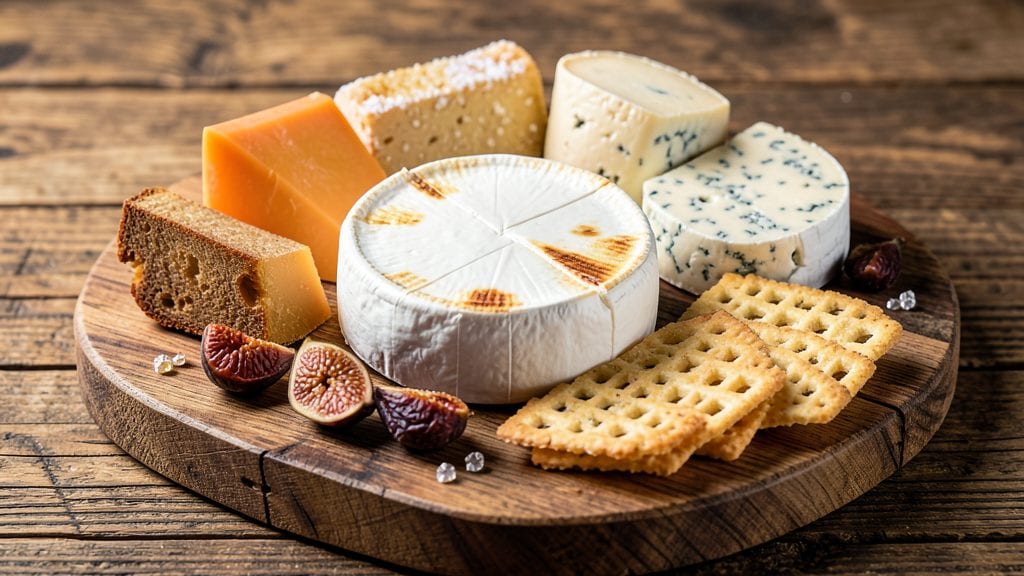
A cheese platter recipe that transforms simple ingredients into a sophisticated centerpiece starts with careful selection—where texture, flavor, and presentation meet. This spread combines five distinct cheeses, from creamy brie to nutty aged cheddar, each chosen to complement one another while showcasing their unique characteristics.
The key lies in balancing soft and firm varieties, ensuring every bite offers a different experience without overwhelming the palate.
Pairing the right accompaniments elevates the platter from ordinary to extraordinary: think crispy water crackers for contrast, sweet dried figs to cut through rich flavors, and a drizzle of honey to add brightness.
A small bowl of grainy mustard or a jar of spiced jam invites guests to customize their selections, while a few fresh rosemary sprigs and cracked black peppercorns add visual and aromatic appeal.
The magic happens in the details—like arranging cheeses by type rather than size and letting them sit at room temperature for optimal flavor.
What you’ll achieve is a platter that looks as impressive as it tastes, with each element thoughtfully placed to create visual harmony. The soft cheeses go in the center, surrounded by firmer varieties, while fruits and nuts fan out around the edges.
This isn’t just an appetizer—it’s a conversation starter, a centerpiece that impresses without requiring culinary expertise. The best part? Every bite delivers a perfect balance of creaminess, tang, and crunch.
For hosting success, plan ahead: let cheeses rest for 1–2 hours before serving, and arrange garnishes last to preserve freshness. Whether it’s a casual gathering or a formal dinner, this platter delivers restaurant-quality results with minimal effort. Let’s build this spread step by step.
Ingredients for cheese platter
Ten ingredients, expertly balanced, create a cheese platter that rivals any gourmet display.
| Ingredient | Amount | Notes |
|---|---|---|
| Brie Cheese 🧀 | 8 oz | Rind intact, room temperature |
| Aged Cheddar Cheese 🧀 | 8 oz | Extra-sharp, cut into wedges |
| Gouda Cheese 🧀 | 8 oz | Smoked variety, sliced thin |
| Blue Cheese 🧀 | 6 oz | Crumbled, mild blue type |
| Water Crackers 🍞 | 2 cups | Assorted shapes, store-bought |
| Dried Figs 🍇 | ½ cup | Sliced, organic preferred |
| Honey 🍯 | ¼ cup | Local, thick variety |
| Grainy Mustard 🍯 | ¼ cup | Dijon-style, room temperature |
| Fresh Rosemary Sprigs 🌿 | ¼ cup | Tight buds, organic preferred |
| Black Peppercorns 🌶️ | 1 tbsp | Freshly cracked, coarse grind |
The cheese selection is non-negotiable for professional results. Whole Foods or specialty cheese shops carry the best varieties—look for Brie with a smooth, unblemished rind and aged cheddar with visible crystals. Smoked Gouda should have a rich, caramelized aroma. For blue cheese, Gorgonzola Dolce offers a milder profile ideal for beginners. Let cheeses rest at room temperature for 1–2 hours before serving to enhance their natural flavors. The difference between store-bought and artisanal is noticeable, so invest in quality when possible.
No smoked Gouda? Smoked provolone provides a similar depth. Substitute blue cheese with Roquefort for a stronger flavor profile. Organic dried figs can be replaced with dried apricots or dates for variety. For honey, Manuka honey adds subtle medicinal notes, while clover honey offers a sweeter, more floral character. The grainy mustard should have visible seeds—Maille or Bouillon brands are reliable choices. Fresh rosemary should smell piney and vibrant; if using dried, triple the amount but toast it first for better aroma.
Store cheeses properly to maintain quality. Brie and Gouda should be wrapped in wax paper, while cheddar and blue cheese do well in airtight containers. Keep all cheeses in the coldest part of your fridge and bring to room temperature 1–2 hours before serving. The honey and mustard can be stored at room temperature for up to 6 months in sealed containers. Fresh rosemary lasts 1 week wrapped in damp paper towels. Arrange crackers and dried figs in small bowls to preserve freshness, and crack peppercorns just before serving to maintain their aroma.
Why You'll Love This Recipe
- No-Cook Magic: I swear by this—just slice the Brie, cube the cheddar, and arrange it all. No oven, no mess, no stress. The crackers stay crisp, the cheeses melt in your mouth, and honestly? I’ve hosted dinner parties where this was the star.
- Flavor Party: That creamy Brie, nutty Gouda, sharp cheddar, and funky blue cheese? It’s like a taste adventure on a plate. I’ll be real: my picky-eating friend devoured the blue cheese first—no complaints there.
- Weeknight Hero: Need something fast for game night or a last-minute snack? This platter handles it all. I’ve used it for book club meetups, kids’ soccer snacks, and even my own lazy Sundays. Zero guilt, all flavor.
- Budget-Friendly Luxe: You’re spending $15 max for a spread that feels fancy. Aged cheddar lasts forever, crackers are cheap, and I’ve stretched this into lunch the next day with zero waste. Fancy without the price tag.
Step-by-step instructions for assembling a showstopping cheese platter
This arrangement balances textures, flavors, and presentation for an elegant yet approachable spread.
Prepare the Cheese Components
Begin by allowing all cheeses to sit at room temperature for 30 minutes before assembly. This ensures even distribution of flavors and prevents cold spots on the platter. For the 8 oz Brie Cheese, remove the rind and slice into ¼-inch thick rounds, preserving the creamy interior. The 8 oz Aged Cheddar Cheese should be cut into ½-inch thick wedges, while the 8 oz Gouda Cheese can be sliced into ⅛-inch thick planks for easy handling.
Crumble the 6 oz Blue Cheese into small, uneven pieces—this enhances its visual appeal and makes it easier to serve. The fresh rosemary sprigs should be trimmed to 1-inch lengths and lightly crushed between your fingers to release their aroma. This step is critical for infusing the platter with fresh, herbal notes that complement the rich cheeses.
Arrange the Cheeses Strategically
Place the water crackers in a circular pattern around the edge of your serving board, creating a natural border. This not only frames the cheeses but also provides an immediate, accessible option for guests. Arrange the Brie Cheese slices in the center of the platter, slightly overlapping for a lush, inviting look. Surround the Brie with the Gouda Cheese slices, radiating outward like spokes.
Tuck the Aged Cheddar Cheese wedges into the gaps between the Gouda slices, ensuring each variety has its own dedicated space. Scatter the crumbled Blue Cheese in small clusters around the perimeter, near the crackers. The contrast between the creamy Brie, sharp cheddar, smoky Gouda, and bold blue cheese creates a dynamic flavor journey for guests.
Incorporate Sweet and Savory Accompaniments
Drizzle the 0.25 cup Honey in a zigzag pattern over the cheeses, allowing it to pool slightly in the crevices. This not only adds visual interest but also enhances the natural sweetness of the Brie and Gouda. Next, dollop the 0.25 cup Grainy Mustard in small, even mounds around the platter, ensuring each serving has access to both sweet and tangy elements.
Scatter the 0.5 cup Dried Figs over the cheeses, focusing on areas where the honey has pooled. The figs' deep color and chewy texture provide a delightful contrast to the crackers and cheeses. Finally, sprinkle the 1 tbsp Black Peppercorns lightly over the entire platter, adding a subtle, aromatic finish that ties all the flavors together.
Garnish and Final Touches
Weave the 0.25 cup Fresh Rosemary Sprigs through the cheeses, tucking them into the gaps between slices and crackers. This step elevates the presentation while infusing the platter with a bright, herbal aroma. Press down gently on the cheeses to ensure they maintain their arrangement as guests serve themselves.
For the final touch, use a small offset spatula to lightly press the honey and mustard into the cheese surfaces, creating a glossy sheen. This not only enhances the visual appeal but also ensures the flavors meld slightly before serving. Allow the platter to rest for 10 minutes before presenting to let the aromas fully develop and the components settle into their ideal arrangement.
Pro Tips For Making Cheese Platter
- LET CHEESES BREATHE: Take Brie and Gouda out of their packaging at least 30 minutes before serving—yes, even if you’re in a rush. The rind on Brie needs air to soften properly, and aged Gouda develops its nutty flavor when exposed to room temperature. I used to skip this, and my Brie always felt like eating wax.
- SLICE BLUE CHEESE LAST: Blue cheese gets messy fast, so slice it right before guests arrive or when you’re ready to serve. The crumbly texture turns to powder if handled too early, and no one wants a blue cheese dust cloud on their crackers. Save yourself the cleanup.
- PAIR CRACKERS BY TEXTURE: Don’t just dump all the water crackers in one pile—group them by size and crunch. Larger, sturdier crackers hold up better with creamy Brie or sharp cheddar, while delicate ones pair perfectly with crumbly blue cheese. Your guests will notice the thoughtfulness.
- CHILL THE PLATTER 10 MINUTES: After assembling everything, pop the platter in the fridge for 10 minutes before serving. This firms up the Brie slightly so it doesn’t slide off crackers, and it tempers the room-temperature cheddar so it doesn’t feel too warm. I learned this after watching my first platter collapse mid-serving.
Best sauces and condiments for these flavors
Honey Drizzles
Start with local honey—its floral notes harmonize beautifully with creamy Brie and sharp cheddar. I recommend Manuka honey for its subtle earthiness or clover honey for a sweeter, more approachable flavor.
Drizzle in a zigzag pattern over the cheeses, focusing on the Brie and Gouda where it enhances their natural sweetness.
For a spiced twist, mix 1 tbsp honey with ½ tsp cinnamon and a pinch of cayenne for a warm, slightly smoky drizzle that pairs perfectly with aged Gouda. 🍯
Mustard Spreads
Dijon-style grainy mustard is a must-have for its texture and tang. Serve it in a small bowl with a spoon for guests to customize their bites. For a fruitier option, mix 2 tbsp mustard with 1 tbsp apple cider vinegar and 1 tsp brown sugar—this balances the richness of blue cheese beautifully. Alternatively, whipped honey mustard (blend 2 tbsp mustard with 3 tbsp honey and 1 tbsp cream cheese) adds a silky, sweet contrast to sharp cheddar. 🌶️
Fruit Compotes
Fresh fig compote elevates the platter with its jammy depth. Simmer ½ cup dried figs with ¼ cup red wine and 1 tbsp honey until softened, then mash slightly. Serve warm or at room temperature alongside the cheeses.
For a citrusy twist, blend 1 cup seedless grapes with 1 tbsp lemon juice and 1 tsp honey—this brightens the platter and cuts through rich flavors.
A spiced apple chutney (cook 1 cup diced apples with 1 tbsp brown sugar, ½ tsp cinnamon, and 1 tbsp apple cider vinegar) adds warmth and texture. 🍇
Nutty Spreads
Almond butter is a game-changer for nut lovers—its creamy texture pairs wonderfully with blue cheese and sharp cheddar. Warm ½ cup almond butter with 1 tsp honey and a pinch of sea salt for a gourmet touch. For a crunchy contrast, mix ½ cup chopped walnuts with 2 tbsp crumbled feta and 1 tbsp olive oil—this adds a savory crunch that balances creamy cheeses. Pistachio pesto (blend 1 cup shelled pistachios, 2 tbsp olive oil, 1 garlic clove, and 1 tbsp lemon juice) brings a vibrant green hue and nutty depth. 🌰
Spiced Jams
Blackberry jam with a pinch of rosemary adds a sophisticated sweetness that complements Brie and Gouda. Heat ½ cup jam with 1 sprig rosemary and 1 tsp balsamic glaze for a glossy, aromatic finish. For a smoky option, mix ½ cup apricot jam with ½ tsp smoked paprika and 1 tsp honey—this pairs exceptionally with smoked Gouda. Chili-lime jam (simmer ½ cup mango chunks with 1 tbsp lime juice, 1 tsp chili powder, and 1 tbsp honey) brings a bold, tangy kick that cuts through creamy cheeses. 🌶️
Olive Oil Infusions
Infuse extra-virgin olive oil with garlic and herbs for a drizzle that enhances every bite. Simmer 1 cup olive oil with 4 garlic cloves, 1 sprig rosemary, and 1 sprig thyme for 10 minutes, then strain. Drizzle lightly over the platter for a fragrant, savory finish.
For a spicy kick, infuse oil with 1 tbsp red pepper flakes and 1 tsp fennel seeds—this adds a bold, aromatic touch that pairs well with blue cheese. 🌿
Nutrition facts
Frequently asked questions
How far in advance can I prepare a cheese platter?
Assemble the platter 1-2 hours before serving to let flavors meld. Store cheeses wrapped in wax paper in the fridge until 30 minutes before serving, when you should transfer them to room temperature. Arrange garnishes like fresh rosemary and crackers last minute to preserve freshness and crispness.
What's the best way to store leftover cheese platter ingredients?
Wrap cheeses tightly in wax paper or parchment, then place in airtight containers. Store hard cheeses like cheddar and Gouda for up to 1 week in the fridge, while soft cheeses like Brie should be consumed within 3-4 days. Keep honey and mustard at room temperature in sealed jars for up to 6 months. Fresh rosemary lasts 1 week wrapped in damp paper towels.
Can I make this platter vegetarian/vegan?
Swap regular cheeses for vegan alternatives like cashew-based cheddar, almond milk mozzarella, and coconut yogurt-based brie. Use vegan honey substitutes, and replace crackers with seed crackers. For protein, add marinated tofu cubes or roasted nuts. The same presentation principles apply—just focus on texture contrasts.
How do I prevent blue cheese from staining the platter?
Place crumbled blue cheese on a small parchment paper circle before arranging it on the board. This creates an easy-to-remove base. Alternatively, use a small ceramic dish or ramekin for serving blue cheese separately. For wood boards, apply a thin layer of olive oil before arranging cheeses to create a protective barrier.
What's the ideal serving temperature for cheese platters?
All cheeses should be at room temperature (65-70°F) for optimal flavor and texture. Let hard cheeses sit for 30-60 minutes while soft cheeses need 1-2 hours. Cold cheeses lose their natural oils and taste bland. For large gatherings, use a cheese warmer or place cheeses on a tray in a 200°F oven for 10 minutes to speed up the process.