
Sauces & Condiments
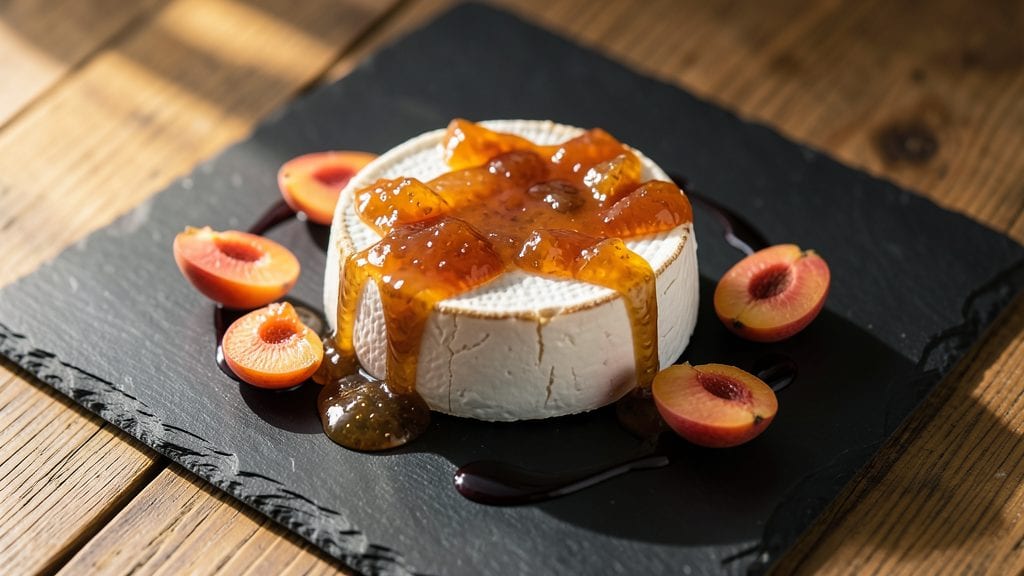
This brie cheese and apricot jam recipe transforms simple apricots into a velvety, sweet-tart spread that elevates breakfast toast and holiday cheese boards alike. The balance of apricot sweetness and brie's creamy richness creates a pairing that's both elegant and effortless to prepare.
I developed this recipe after realizing how often store-bought jams fell short of the depth homemade versions deliver.
The process is straightforward: fresh or frozen apricots simmer with sugar and pectin until they break down into a luscious, spreadable consistency. No special equipment is needed—just a saucepan, a fine mesh strainer, and patience for the flavors to meld.
The result is a jam that's perfectly balanced between sweet and tart, with just enough texture to cling to brie without overwhelming it.
What you'll end up with is a small batch of jam that tastes like summer in every bite—bright apricot notes with subtle caramel undertones. It's rich enough to pair with creamy brie but versatile enough to spread on croissants, swirl into yogurt, or drizzle over pancakes.
The recipe yields about 1.5 cups, perfect for gifting or keeping on hand for spontaneous cheese boards.
This jam keeps beautifully in the refrigerator for up to 3 weeks or can be sterilized for long-term storage. For serving, simply spread a generous layer on toasted baguette slices, top with a wedge of brie, and broil until the cheese is golden and bubbly.
The contrast of warm, melty brie with the cool, fruity jam creates a flavor combination that's impossible to resist.
Ingredients for brie cheese apricot jam
Eight essential ingredients create a jam that pairs perfectly with brie's creamy texture.
| Ingredient | Amount | Notes |
|---|---|---|
| Fresh or Frozen Apricots 🍑 | 1 ½ lb | Pitted, halved for even cooking |
| Granulated Sugar 🍚 | 1 cup | White or light brown preferred |
| Lemon Juice 🍋 | 2 tbsp | Freshly squeezed for brightness |
| Powdered Pectin 🍯 | 2 tbsp | Low-sugar or no-sugar needed |
| Water 💧 | ¼ cup | Filtered preferred for clarity |
| Brie Cheese 🧀 | 8 oz | Aged 4-6 months for balance |
| Vanilla Extract 🌸 | ½ tsp | Pure vanilla for depth |
| Salt 🧂 | ¼ tsp | Fine sea salt for seasoning |
Apricots are the heart of this jam, so quality matters. Fresh apricots from local markets or frozen organic apricots from brands like Trader Joe's work equally well—the key is ripe fruit with vibrant color. Avoid overripe apricots, as they can make the jam too mushy. For sugar, Domino or C&H brands are reliable, but organic cane sugar adds subtle depth. The pectin is non-negotiable—Ball or Sure-Jell ensure proper gelling, especially when using lower-sugar amounts. Brie should be aged 4-6 months for optimal balance between creaminess and tang; younger brie can taste too mild.
No fresh apricots? Dried apricots rehydrated in warm water work in a pinch, though they’ll alter the texture slightly. Substitute brown sugar for white at a 1:1 ratio, but expect a deeper caramel flavor. Short on pectin? Extra lemon juice helps, though the jam may be slightly runnier. For brie alternatives, Camembert or goat cheese pair beautifully—just adjust serving temperatures to match their melting points. The vanilla extract can be swapped for vanilla bean paste if you prefer visible specks, though pure extract is more consistent. Always use freshly squeezed lemon juice; bottled lacks the bright acidity needed to balance the sweetness.
This jam stores beautifully in an airtight container in the fridge for up to 3 weeks. For longer shelf life, sterilize jars and process in a water bath for 10 minutes, then seal tightly. The brie should be wrapped in parchment paper and stored in the fridge’s coldest section to maintain texture. Portion the jam into small jars for gifting—1.5 cups yields about 6 small servings. If you’re serving with brie, toast the baguette slices until golden and broil the cheese for just 2-3 minutes to avoid overcooking. Leftovers? Spread on croissants or swirl into Greek yogurt for a quick breakfast.
Why You'll Love This Recipe
- Frozen-Friendly Flexibility: I don’t even need to think twice about whether to use fresh or frozen apricots—both work perfectly. The frozen ones soften right in the pot, and the sugar melts them into that glossy, jammy perfection without any extra fuss. Honestly, that’s a game-saver when you’re staring into the freezer at 6 PM wondering what to make.
- Sweet-Tart Magic: That first bite of brie with this jam? It’s like a flavor explosion—rich, buttery cheese meets the bright, fruity-sweet apricot with just enough lemon zip to keep it lively. The pectin thickens it just right so it doesn’t drip, and the sugar caramelizes into little bursts that make every spread feel special.
- Breakfast to Dessert: This jam isn’t just for cheese boards. Slather it on toast with a drizzle of honey for a lazy weekend breakfast, or swirl it into yogurt for a summery twist. I’ve even used it as a glaze for roasted chicken—yes, really—and it turns dinner into something that feels gourmet with zero effort.
- Makes More Than You Think: A small batch stretches further than you’d expect, especially when you’re pairing it with brie slices or dolloping it onto pancakes. The lemon juice keeps it from going stale, so I’ve got jars lasting weeks, and the cost? A fraction of store-bought specialty jams. Plus, freezing extra portions means I’m never scrambling for a last-minute hostess gift.
Step-by-step instructions for sweet-tart brie cheese and apricot jam
Here's the method for balancing jam's sweetness with brie's creaminess—each step ensures perfect texture and flavor.
Prepare the Apricots for Cooking
If using fresh apricots, wash them thoroughly and remove stems. Cut them in half and pit each half using a small knife or pitter—be careful to avoid the fingers. For frozen apricots, thaw them completely in a colander under cool running water for 5 minutes to remove excess moisture. Halve and pit them if they're still whole.
Place the prepared apricots in a large, heavy-bottomed saucepan. Add the 2 tablespoons lemon juice and the 0.25 teaspoon salt. The lemon juice prevents browning and brightens the fruit's natural sweetness, while the salt enhances the overall flavor profile. Stir gently to combine, ensuring all apricot halves are coated.
Cook the Apricot Base
Add the 0.25 cup water to the saucepan with the apricots. Bring the mixture to a boil over medium-high heat, then immediately reduce the heat to medium-low. Let it simmer uncovered for 15 minutes, stirring occasionally. You'll notice the apricots soften and release their juices, creating a thickened liquid in the pan.
After 15 minutes, use a wooden spoon to mash about half of the apricots against the side of the pan. This creates a slightly chunky texture while keeping some whole fruit pieces for visual appeal. The mixture should resemble a thick purée with some visible fruit chunks—this is the ideal consistency for balancing texture in the final jam.
Add Sugar and Pectin for Thickening
In a small bowl, whisk together the 1 cup granulated sugar and the 2 tablespoons powdered pectin until completely dissolved. This step is critical—the pectin needs to be fully incorporated to activate properly during cooking. Slowly sprinkle this mixture over the simmering apricots while stirring constantly.
Return the pan to medium-high heat and bring the mixture back to a full rolling boil. Once boiling vigorously, maintain this temperature for exactly 1 minute. You'll see the jam thicken dramatically during this time—this is when the pectin fully activates. Remove the pan from heat immediately after the 1-minute mark to prevent overcooking, which can make the jam too firm.
Incorporate Vanilla and Finish Cooking
Stir in the 0.5 teaspoon vanilla extract while the jam is still off the heat. The vanilla adds depth and warmth that complements the brie's creaminess. Let the jam sit uncovered for 5 minutes to allow any foam to settle. Skim off any foam that rises to the surface with a spoon—this ensures a smooth, professional-looking finish.
Return the pan to low heat and cook for an additional 3-4 minutes, stirring constantly. The jam should thicken further and coat the back of a spoon when tested. If it's still too thin, cook for another 1 minute—but be careful not to overcook, as this can make the jam grainy. The final texture should be thick but still spreadable, with a slight sheen that indicates proper consistency.
Combine with Brie and Package
While the jam cools slightly, cut the 8 ounces brie cheese into 4 equal portions, each about 2 ounces. Place one portion in the center of each of 4 small sterilized jars. Spoon the warm jam over the brie, filling each jar about ¾ full. The heat of the jam will help the brie soften slightly, creating a perfect melty center when served.
Seal the jars tightly and let them cool completely at room temperature. Once cooled, refrigerate for at least 4 hours to allow the flavors to meld. When ready to serve, open a jar and spread the jam directly over the brie. The contrast of the sweet-tart jam with the rich, creamy brie creates a harmonious balance that's perfect for toast, cheese boards, or even as a topping for pancakes.
Pro Tips For Making Brie Cheese Apricot Jam
- Boil Pectin Fast: Stir in powdered pectin immediately after adding sugar—don’t let it sit. I learned this the hard way when my jam turned into glue; pectin needs that initial heat shock to activate properly.
- Pit Apricots Properly: Use a sharp paring knife to slice a shallow slit along the seam—no need to cut deep. Frozen apricots? Thaw and squeeze gently to release pits before cooking. (Yes, even if you’re impatient like me.)
- Simmer, Don’t Boil: Keep the jam at a gentle simmer (tiny bubbles, no splatter) after adding pectin. Boiling too hard breaks down the fruit’s texture and makes the jam cloudy. Trust the process—it’s worth the wait.
- Lemon Juice First: Add lemon juice before sugar and pectin—it cuts through the fruit’s natural pectin and brightens the flavor. Skip this, and your jam might taste flat or cling too thickly. (Your future self will notice.)
Storing and reheating this dish
Refrigerator Storage
Store your apricot jam in an airtight glass jar with a lid in the refrigerator for up to 3 weeks. The jam’s natural acidity from lemon juice helps preserve its freshness longer than many fruit preserves.
I always use Ball canning jars—they’re sturdy and won’t absorb odors. Keep the brie portioned separately in parchment-wrapped wedges in the coldest part of your fridge to maintain its creamy texture. 🧊
Freezer Preservation
For longer storage, divide the jam into small silicone molds or ice cube trays before freezing. Once frozen, transfer to a freezer bag with all air removed. Label with the date—this jam stays good for up to 6 months.
When ready to use, thaw overnight in the fridge. The brie can also be frozen for 1 month if wrapped tightly in plastic wrap and parchment paper, though texture may soften slightly. 💫
Room Temperature Serving
This jam is best served at room temperature to highlight its natural sweet-tart balance. Remove the jar from the fridge 30 minutes before serving to let it soften slightly. For brie pairings, take the cheese out 15 minutes before serving so it’s pliable but not melted.
The contrast of cool jam and room-temperature brie creates the perfect sensory experience. 🧀
Reheating Jam
If your jam thickens too much in the fridge, gently reheat it in a small saucepan over low heat with 1 tablespoon water until smooth. Stir constantly to prevent scorching.
Avoid microwaving—it can make the texture uneven. For brie, warm it in the oven at 350°F for 5 minutes on a parchment-lined tray until soft and spreadable. 🔥
Gift-Worthy Packaging
Portion the jam into small amber glass jars (like Weck jars) for gifting. Pair each jar with a parchment-wrapped brie wedge tied with twine for a complete gift. Label with the date and a note about storage instructions.
These make stunning hostess gifts for holidays or cheese board gatherings. The amber glass protects the jam from light, preserving its vibrant color and flavor. ✨
Reviving Stale Jam
If your jam loses its shine or tastes dull after storage, revive it by adding 1 teaspoon lemon juice and reheating gently. The acidity will brighten the flavors. For brie that’s dried out, brush it lightly with warm water and cover with a damp towel for 10 minutes before serving.
These tricks work wonders for restoring texture and taste without starting from scratch. 💡
Nutrition facts
Frequently asked questions
Can I use dried apricots instead of fresh or frozen?
Yes, but you'll need to rehydrate them first. Soak ½ cup dried apricots in warm water for 30 minutes, then drain before using. This will yield about 1 cup of prepared fruit—adjust the sugar slightly if the apricots are very sweet. The texture will be slightly thicker, but the flavor remains rich and concentrated.
How do I know when the jam is done?
The jam is ready when it reaches the gel point—test by chilling a small spoonful for 1 minute. If it wrinkles slightly when pushed with a finger, it's perfect. Overcooking makes it grainy, while undercooking results in a runny spread. The 1-minute boil after adding pectin is critical for proper thickening.
What's the best way to serve this jam with brie?
Toast baguette slices until golden, spread with the jam, then top with a wedge of brie. Broil for 2-3 minutes until the cheese is bubbly and golden. For cheese boards, arrange the jam in small bowls and pair with brie, nuts, and crackers. The contrast of cool jam and warm brie creates the perfect balance.
Can I make this jam without pectin?
You can try, but the texture may be thinner. For a pectin-free version, simmer the apricots longer (30-40 minutes) until they break down completely. Add 1 extra tablespoon lemon juice to help thicken naturally. The jam will be more liquid, so it works best as a drizzle rather than a spread.
How long does homemade jam last unrefrigerated?
Unrefrigerated, this jam will last 2-3 days at room temperature in a sealed jar. After opening, always refrigerate to prevent spoilage. For longer shelf life, sterilize jars and process in a water bath for 10 minutes—this extends storage to 1 year unopened.