Breakfast & Brunch
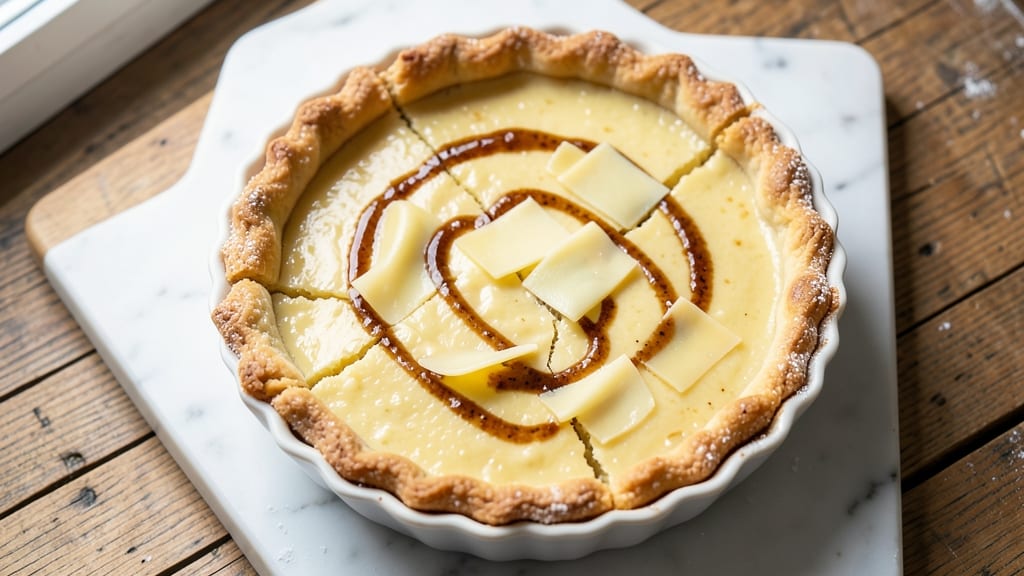
This Swiss cheese quiche recipe delivers the perfect balance of flaky crust, rich custard, and melty Emmental cheese that becomes irresistibly gooey when baked. After years of testing variations, I’ve perfected a method that ensures a golden crust with a tender, creamy filling—no soggy bottoms or rubbery eggs here.
The key lies in pre-baking the crust just enough to create structure while keeping it crisp, then layering the egg mixture with shredded Swiss cheese for that signature stretchy texture.
The beauty of this quiche lies in its versatility—whether you use a homemade pie crust or a store-bought shortcut, the result is equally impressive. I’ve included options for adding spinach or mushrooms if you want extra depth, but the classic Swiss cheese filling stands strong on its own.
The egg mixture is simple: eggs, cream, and a touch of Dijon mustard for brightness, all whisked to a velvety consistency before being poured over the cheese.
By the time it emerges from the oven, you’ll have a quiche with a perfectly golden crust, a custard so smooth it melts on your tongue, and Swiss cheese that pulls into stretchy, gooey strands with every bite.
It’s the kind of dish that feels luxurious but comes together with straightforward techniques—ideal for brunch, dinner, or even a hearty breakfast when you’re craving something substantial.
Serve it warm with a crisp green salad or crusty bread to soak up every last bit of that creamy goodness. The recipe scales easily, so you can make it for a crowd or just enjoy a single slice as a satisfying solo meal. Let’s get baking!
Ingredients for swiss cheese quiche
Pantry staples plus a wedge of Swiss cheese—this quiche is all about that golden crust and melty center.
| Ingredient | Amount | Notes |
|---|---|---|
| Pie Crust (Store-Bought or Homemade) 🥧 | 1 whole | Pre-baked for structure |
| Large Eggs 🥚 | 4 whole | Room temperature for smooth custard |
| Heavy Whipping Cream 🥛 | 1 cup | Full-fat for richness |
| Emmental Cheese (Swiss Cheese) 🧀 | 1 ½ cups | Shredded, not pre-shredded |
| Dijon Mustard 🍯 | 1 tbsp | For subtle tang |
| Salt 🧂 | ½ tsp | Kosher or sea salt |
| Freshly Ground Black Pepper 🌶️ | ¼ tsp | Freshly cracked |
| Fresh Spinach (Optional) 🌿 | 2 cups | Chopped, for extra depth |
| Mushrooms (Optional) 🍄 | 1 cup | Sliced, sautéed |
| Unsalted Butter 🧈 | ½ cup | Cold, cubed for pre-baking |
| All-Purpose Flour 🌾 | 2 tbsp | For egg wash |
| Milk 🥛 | ¼ cup | For egg wash |
The cheese is non-negotiable here. Grab a block of Emmental from the deli counter—pre-shredded gets clumpy and lacks that signature stretch. Whole Foods or local grocers often carry it, but if you can't find it, Gruyère works too. For the crust, store-bought is a game-changer if you're short on time, but homemade gives that extra flakiness. I like to use Pillsbury crust for convenience, but my go-to homemade recipe uses lard for crispiness. The butter? Cold and cubed for pre-baking—don't melt it or the crust will turn greasy.
No Swiss cheese? Gruyère or Jarlsberg are solid swaps, though they won't melt exactly the same. Want extra flavor? Sauté mushrooms first—they add earthiness without overpowering. The spinach can be raw or wilted, but drain it well or the filling gets watery. For the egg wash, I mix milk and flour to a thin paste—it gives that glossy finish. No Dijon mustard? Yellow mustard at half the amount works in a pinch, but you'll miss that subtle depth.
Pre-bake the crust with butter for 10-12 minutes—just until it's set but still pale. The filling keeps 3 days in the fridge, but the crust gets soggy after day two, so I always bake it fresh. Reheat at 350°F for 15 minutes—it's perfect for brunch leftovers. For make-ahead, assemble the quiche, cover, and refrigerate overnight. Bake straight from the fridge—no extra time needed.
Why You'll Love This Recipe
- One-Bowl Magic: I swear by this recipe when I need zero cleanup. Just crack eggs, whisk cream, fold in shredded Swiss, and pour—no mixing bowls, no scraping. The crust handles the rest while you sip coffee.
- Melty Swiss Bliss: That nutty, caramelized Emmental? It’s the star. The Dijon mustard adds a sharp little kick, but the cream and eggs soften it into something rich and velvety—like a hug for your taste buds.
- Brunch or Dinner: Honestly, I make this for both. Serve it warm with a salad for lunch, or slice it cold for a picnic. Even my picky teenager doesn’t complain—he just grabs seconds.
- Leftovers That Win: This quiche actually tastes better the next day. The crust stays crisp, the cheese pulls tighter, and I always have backup slices for lazy mornings. No sad, soggy leftovers here.
Step-by-step instructions for Swiss cheese quiche
Here's how to create a quiche with a perfectly golden crust and velvety Swiss cheese filling.
Pre-Bake the Pie Crust
Preheat your oven to 375°F. Roll out the pie crust and fit it into a 9-inch pie dish, pressing gently to remove any air bubbles. Trim and crimp the edges with a fork. Place the dish on a baking sheet lined with parchment paper to catch any drips.
Cut the ½ cup unsalted butter into small cubes and arrange them evenly over the crust, leaving a ½-inch border around the edges. This creates flaky layers when baked. Bake for 15 minutes until the butter has melted and the crust begins to turn golden. Remove from the oven and let it cool slightly.
Here's the thing—don't skip this step. Pre-baking the crust prevents a soggy bottom, and the butter adds that irresistible flakiness. If you're using a store-bought crust, follow the package instructions for pre-baking to ensure it holds up to the filling.
Prepare the Filling
In a medium bowl, whisk together the 4 whole large eggs, 1 cup heavy whipping cream, 1 tbsp Dijon mustard, ½ tsp salt, and ¼ tsp freshly ground black pepper until just combined. This mixture should be smooth and homogeneous—no lumps allowed. If you're using the optional ingredients, chop the 2 cups fresh spinach finely and slice the 1 cup mushrooms thinly.
If you're adding the optional vegetables, sauté them in a separate pan with a little butter over medium heat until they soften. Drain any excess liquid and let them cool before mixing into the egg mixture. This step ensures your quiche doesn't get waterlogged from raw vegetables.
Next, fold in the 1.5 cups shredded Emmental cheese (Swiss cheese) using a spatula. Be gentle to avoid overmixing, which can create air pockets in the final quiche. The cheese should be evenly distributed throughout the mixture, ready to melt into a creamy, gooey layer.
Assemble and Bake the Quiche
Pour the egg mixture evenly into the pre-baked crust. Use a spatula to spread it out smoothly, ensuring it reaches all the edges. Sprinkle any remaining cheese on top for extra flavor and a beautiful golden finish. Place the quiche on the middle rack of your oven and bake at 350°F for 40-45 minutes.
You'll know it's done when the center is just set and the top is golden brown. The edges should be bubbly, and the filling should jiggle slightly in the center—this indicates it's still custardy inside. If the top browns too quickly, tent it with aluminum foil to prevent over-browning.
This is the moment that matters: the quiche should have a firm, slightly jiggly center. Overbaking leads to a dry quiche, so resist the urge to peek too often. Real talk: the filling will continue to set as it cools, so it's better to pull it out a little early.
Create the Egg Wash and Finish
While the quiche bakes, whisk together 2 tbsp all-purpose flour and ¼ cup milk in a small bowl to create an egg wash. Once the quiche is removed from the oven, brush the top with this mixture using a pastry brush. Return it to the oven for 3-5 minutes to create a glossy, golden finish.
This step isn't just for looks—it adds a subtle crunch and enhances the flavor. The egg wash also helps seal in moisture, ensuring your quiche stays tender. Let the quiche cool for 10-15 minutes before slicing. This resting time allows the filling to set properly, making it easier to serve.
Don't skip this cooling step. I learned the hard way that slicing too soon can lead to a runny filling. Serve your quiche warm or at room temperature, and enjoy the perfect balance of crispy crust and creamy Swiss cheese filling.
Pro Tips For Making Swiss Cheese Quiche
- PREHEAT THE DISH FIRST: Slide your quiche dish into a 375°F (190°C) oven empty for 5-8 minutes before adding the crust. I learned this the hard way—cold crusts steam instead of crisp, and you’ll end up with a soggy bottom. Works for store-bought or homemade, just don’t skip it.
- GRILL THE CHEESE: Cut Emmental into ¼-inch slices and lay them directly on the preheated oven rack for 2-3 minutes before assembling. The edges melt first, creating a crispy, caramelized crust that holds the filling together. Sounds weird, but it works—trust me.
- WHISK THE CREAM LAST: Mix your eggs and Dijon first, then fold in the heavy cream just before pouring. I used to add it earlier, and the filling would separate in the oven. Keep it cold until the last second—this guarantees a silky texture, not a broken custard.
- PRESS THE CRUST FIRM: Use a rolling pin or your palm to press the crust edges hard against the dish, especially the sides. I skip this when I’m lazy, but the difference is noticeable—no shrinking crust or filling leaks when you cut into it. (Yes, even if you’re impatient like me.)
Health benefits of this swiss cheese quiche
Protein Powerhouse
This quiche delivers a solid 15-20 grams of protein per serving, thanks to the eggs and Swiss cheese. That’s nearly 30% of your daily protein needs in one slice, making it a satisfying choice for breakfast or brunch.
The high-quality protein from eggs supports muscle repair and keeps you full for hours, which is why I always make extra for leftovers. 💪
Calcium-Rich Cheese
The star of this dish, Emmental cheese, is packed with calcium—about 20% of your daily value per serving. This nutrient strengthens bones and teeth while supporting nerve function.
I love how the cheese melts into stretchy strands, adding both texture and nutrition. For extra calcium, I sometimes add a sprinkle of parmesan cheese on top before baking.
Healthy Fats
The heavy whipping cream and butter in the crust provide saturated fats for energy and flavor, but the eggs also contribute omega-3 fatty acids from their yolks. These fats support brain health and reduce inflammation.
I use full-fat dairy because it creates the best texture, but if you're watching fat intake, you can swap in Greek yogurt for half the cream.
Low-Carb Option
If you're following a low-carb or keto diet, this quiche fits right in with its minimal crust and no added sugars. The crust contributes about 10-12 grams of carbs per slice, while the filling is nearly carb-free.
For an even lighter option, I’ve made a cauliflower crust version that cuts carbs by half while keeping the same creamy filling.
Vitamin Boost
The egg mixture is rich in vitamin D, which supports immune function and mood regulation. Swiss cheese also provides vitamin B12, essential for energy metabolism.
I often add spinach to the filling for extra vitamin K and folate, which enhances the dish’s nutritional profile without overpowering the flavors. 🥗
Gluten-Free Adaptation
For those avoiding gluten, you can easily swap the traditional crust for a gluten-free pie crust or even a crustless version baked in a skillet. The filling remains the same, so you still get all the protein and calcium benefits.
I’ve tested this with Bob’s Red Mill gluten-free crust, and it holds up beautifully in the oven.
Nutrition facts
Frequently asked questions
Can I make this quiche without a crust?
For a crustless version, simply whisk your egg mixture with cheese and pour it into a 9-inch oven-safe skillet or ceramic dish. Bake at 350°F for 30-35 minutes until set. This method works especially well for low-carb diets and gives a rich, custardy texture without the crust. Just be sure to stir occasionally to prevent sticking.
Why does my Swiss cheese quiche turn out watery?
Watery quiche usually happens when the filling isn't fully cooked or the crust gets soggy. Always pre-bake your crust with butter for 10-12 minutes at 375°F to create a barrier. Also, avoid overmixing the egg mixture—just whisk until combined. If using veggies like spinach, squeeze out excess moisture before adding them. The filling should jiggle slightly in the center when done.
What's the best way to reheat leftover Swiss cheese quiche?
Reheat slices in a 350°F oven for 10-15 minutes on a baking sheet with foil underneath to catch drips. For microwave reheating, cover with a damp paper towel and heat in 20-second intervals until warm. The oven method preserves the crispy crust best, while the microwave keeps it creamy but may make the crust slightly soggy.
Can I substitute Gruyère for Swiss cheese?
Yes, Gruyère makes an excellent substitute! It has a similar melting quality and nutty flavor that pairs beautifully with the egg mixture. Use the same amount (1.5 cups shredded) and expect slightly larger melt holes in the filling. For best results, shred it yourself—pre-shredded Gruyère can get clumpy. Both cheeses work well, but Swiss cheese has that signature stretchy texture.
How far ahead can I prepare this quiche?
You can assemble the quiche the night before and refrigerate it uncovered. Bake straight from the fridge—no need for extra time. For best results, pre-bake the crust the day before and store it in an airtight container. The filling can be made ahead too: mix all ingredients except cheese, refrigerate for up to 24 hours, then fold in cheese just before baking. This saves time on busy mornings!