Desserts
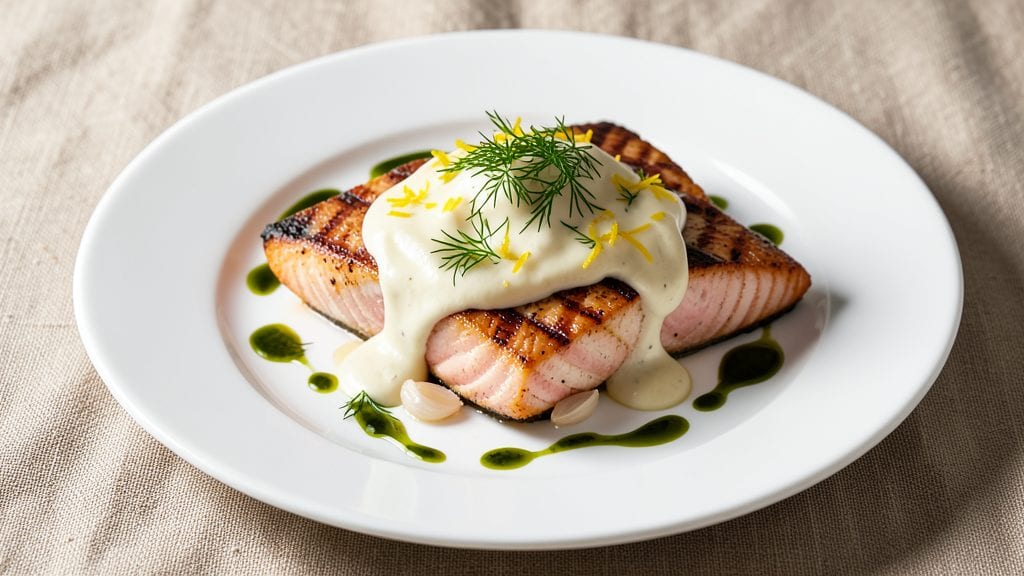
This salmon with Philadelphia cream cheese recipe transforms simple ingredients into a restaurant-worthy meal that’s elegant yet effortless. The secret lies in baking salmon with a creamy, tangy cream cheese sauce that infuses every bite—no fancy techniques required.
I developed this one-pan method after years of testing, and it consistently delivers perfectly cooked salmon with a velvety, herb-infused sauce that balances richness with bright lemon notes.
The beauty of this dish is its simplicity: just 15 minutes of prep, followed by 12-15 minutes in the oven, and you’ll have flaky salmon topped with a luscious cream cheese sauce that’s impossible to resist.
The lemon-dill elements cut through the creaminess, creating a harmonious flavor profile that’s both comforting and refined. This recipe is perfect for weeknight dinners or special occasions—it feels indulgent without requiring hours in the kitchen.
By the end, you’ll have golden, flaky salmon with a sauce so rich and creamy it clings perfectly to each bite. The aroma alone will have everyone gathered around the table, and the texture—tender fish with a velvety sauce—is pure comfort food at its finest.
Pair it with roasted asparagus or a simple green salad for a complete, balanced meal that’s sure to impress.
Whether you're cooking for two or a crowd, this recipe scales effortlessly while maintaining its restaurant-quality results. The one-pan method means minimal cleanup, and the technique is foolproof—no overcooking or soggy sauce here. Let’s get started on a dish that’s as delicious as it is easy to make.
Ingredients for salmon philadelphia cream cheese
Philadelphia cream cheese and fresh dill elevate simple salmon into restaurant-quality elegance.
| Ingredient | Amount | Notes |
|---|---|---|
| Center-Cut Salmon Fillets 🐟 | 4 pieces | Skin-on, 6-8 oz each |
| Philadelphia Cream Cheese 🧈 | 8 oz | Full-fat, room temperature |
| Extra-Virgin Olive Oil 🫒 | ¼ cup | Light, fruity variety |
| Fresh Lemon Juice 🍋 | ¼ cup | Freshly squeezed |
| Fresh Dill Weeds 🌿 | ¼ cup | Finely chopped, stems removed |
| Garlic Cloves 🧄 | 4 cloves | Minced, for sauce |
| Diamond Crystal Kosher Salt 🧂 | 1 tsp | Fine grain preferred |
| Freshly Ground Black Pepper 🌶️ | ½ tsp | Coarse grind |
| Unsalted Butter 🧈 | 2 tbsp | Cold, cubed |
| All-Purpose Flour 🌾 | 1 tbsp | For thickening sauce |
| Lemon Zest 🍋 | 1 tbsp | From organic lemons |
| Heavy Cream 🥛 | ¼ cup | Cold, for finishing |
| Fresh Dill Sprigs 🌿 | 4 whole | For garnish |
The salmon selection is critical—center-cut fillets with skin ensure even cooking and beautiful presentation. Whole Foods Market and Trader Joe's carry excellent sustainable options, but any reputable seafood counter will have quality fillets. Look for vibrant pink flesh with no brown edges, and ensure the skin is intact. For optimal texture, pat the fillets dry with paper towels before seasoning, as excess moisture can prevent proper browning. The Philadelphia cream cheese should be full-fat and at room temperature—this ensures a silky sauce rather than a grainy one. If using cold cream cheese, let it sit for 30 minutes before mixing.
No fresh dill? Dried dill at one-third the amount works in a pinch, though it lacks the bright, fresh aroma. Substituting cream cheese? Mascarpone or ricotta blends well, though the texture will differ slightly. For a tangier profile, add an extra tablespoon of lemon juice. The olive oil should be light and fruity—avoid strong, peppery varieties that can overpower the delicate salmon flavor. If you're short on time, pre-minced garlic from a jar is acceptable, but fresh minced garlic adds depth. For a gluten-free option, omit the flour and whisk the sauce vigorously to emulsify naturally.
This recipe reheats beautifully—simply cover with foil and warm in a 350°F oven for 8-10 minutes. The sauce thickens as it cools, so for immediate serving, stir in a splash of heavy cream or a pat of cold butter. Store leftovers in an airtight container in the refrigerator for up to 3 days, though the sauce may separate slightly. To reheat, gently warm on the stovetop over low heat, stirring constantly until creamy. For meal prep, portion the sauce separately and assemble just before serving to maintain the perfect texture.
Why You'll Love This Recipe
- The secret’s in the balance: rich, velvety cream cheese with a sharp lemon hit. The salmon gets that perfect crispy skin while staying juicy inside, and the dill ties it all together like a fresh hug. Between us, this is the kind of flavor that makes you pause mid-bite and think, "Why didn’t I do this sooner?"
- Five-Ingredient Magic: I swear by this combo—center-cut salmon, cream cheese, olive oil, lemon, and dill. That’s it. No fancy sauces or last-minute shopping runs. The cream cheese melts into the salmon while the dill brightens everything up, and honestly? It’s the kind of dish where you forget how little effort went into making it taste so good.
- Creamy-Lemon Crisp: The secret’s in the balance: rich, velvety cream cheese with a sharp lemon hit. The salmon gets that perfect crispy skin while staying juicy inside, and the dill ties it all together like a fresh hug. Between us, this is the kind of flavor that makes you pause mid-bite and think, "Why didn’t I do this sooner?"
- Weeknight to Dinner Party: Make it for yourself on a Tuesday or impress guests on Saturday—same recipe, zero stress. The leftovers? Still just as good cold the next day, sliced over greens or wrapped in a tortilla. I’ve served this at casual brunches and even a last-minute holiday appetizer, and no one’s ever questioned the menu.
Step-by-step instructions for one-pan lemon-dill baked salmon
This method delivers perfectly flaked salmon with a velvety cream cheese sauce—all in a single pan.
Prepare the Cream Cheese Sauce Base
In a small saucepan, combine the 8 oz Philadelphia cream cheese, 0.25 cup heavy cream, and 1 tbsp lemon zest. Place over medium-low heat and whisk constantly until the cream cheese melts completely and the mixture becomes smooth. This should take about 3-4 minutes—watch carefully to prevent scorching. The sauce should be thick but pourable, with a pale yellow hue and subtle lemon aroma.
Remove from heat and stir in 1 tbsp all-purpose flour and 4 cloves minced garlic. Let the mixture sit for 2 minutes to allow the flour to slightly thicken the sauce. This pre-thickening step ensures a luscious, clingy consistency when combined with the salmon later. Keep the sauce warm while you prepare the salmon.
Season and Sear the Salmon Fillets
Pat the 4 pieces center-cut salmon fillets dry with paper towels—this is critical for achieving crispy skin. Arrange them skin-side down in a cold, oven-safe skillet. Sprinkle evenly with 1 tsp Diamond Crystal kosher salt and 0.5 tsp freshly ground black pepper, pressing gently to adhere. Let them sit undisturbed for 5 minutes to develop a dry surface that will crisp beautifully.
Place the skillet over medium heat and add 2 tbsp unsalted butter and 0.25 cup extra-virgin olive oil. When the butter foams and the oil shimmers (about 3 minutes), carefully flip each fillet and cook for 2-3 minutes per side until the skin turns opaque and crispy and the edges lift easily. Remove the salmon to a plate and tent loosely with foil to keep warm.
Deglaze and Combine with Sauce
Immediately after removing the salmon, increase the heat to medium-high and add 0.25 cup fresh lemon juice to the skillet. Scrape up all the browned bits from the bottom with a wooden spoon—these contain concentrated flavor. Let the lemon juice simmer for 1-2 minutes until slightly reduced by half. This step creates a bright, acidic foundation for the sauce.
Return the salmon to the skillet, skin-side up, and pour the warm cream cheese sauce over the top. Spoon the sauce generously over each fillet, ensuring even coverage. The salmon should be partially submerged in the sauce, which will help keep it moist during baking. Tuck 4 whole fresh dill sprigs around the fillets for garnish and aroma.
Bake to Perfect Doneness
Transfer the skillet to a preheated 400°F oven and bake for 8-10 minutes. You're aiming for an internal temperature of 135°F—the salmon should flake easily with a fork but remain tender. The sauce will bubble gently, coating the salmon in a glossy, creamy layer. If the sauce thickens too much, add 1-2 tablespoons of water to loosen it.
Remove from the oven and let the salmon rest for 3-4 minutes before serving. This resting period allows the juices to redistribute, ensuring each bite is moist and flavorful. Garnish with an additional sprinkle of fresh dill weeds and serve immediately with the creamy sauce spooned over the top or drizzled alongside.
Pro Tips For Making Salmon Philadelphia Cream Cheese
- Use Room-Temp Cream Cheese: Cold cream cheese clumps like a stubborn guest—soften it first. Let the block sit out for 15 minutes before mixing, or zap it for 10 seconds in the microwave. Trust me, you’ll notice the difference in how smooth and velvety the sauce spreads.
- Pat Salmon Dry Before Cooking: Wet skin sticks to the pan and steams instead of searing. Grab paper towels and press firmly—don’t just wipe. The crust is where all the flavor happens, and moisture is its enemy.
- Don’t Overmix the Dill: Roughly chop the dill and fold it in at the end. Overchopping turns it to mush, and stirring too hard makes the cream cheese grainy. A few bright specks of herb look better and taste fresher.
- Sear Skin-Side Down First: Lay the salmon skin-side down in the pan for 2–3 minutes until crispy. Flip only when the edges lift easily—this keeps the flesh tender while the skin gets that addictive crunch. (Yes, even if you hate peeling it later.)
Make-ahead tips for leftovers
Prep Ahead Sauce
Make the cream cheese sauce the night before for a stress-free dinner. Whisk together 8 oz Philadelphia cream cheese, 0.25 cup heavy cream, 1 tbsp lemon zest, and 1 tbsp flour in a bowl.
Cover with plastic wrap pressed directly on the surface to prevent a skin from forming, then refrigerate for up to 24 hours. When ready to cook, warm the sauce gently on the stovetop over low heat while stirring until smooth and creamy.
This shortcut saves 15 minutes of prep time on the actual cooking day. 💡
Chill the Salmon
For even cooking, chill your center-cut salmon fillets uncovered in the refrigerator for 30-60 minutes before cooking. This helps the skin crisp properly and prevents the fillets from overcooking while the sauce finishes.
Pat them dry again right before searing to ensure maximum crispiness. I always do this step when prepping ahead—it makes a noticeable difference in texture. ❄️
Assemble Components
Prepare all your components the day before: chop 0.25 cup fresh dill, zest 2 lemons, and measure out all ingredients. Store the dill in a sealed container with a damp paper towel to maintain freshness.
Keep the salmon and sauce separate until ready to cook. This method lets you focus solely on assembly and baking on the day you serve, reducing active cooking time to just 20 minutes. 🌿
Make-Ahead Serving
For a complete meal prep solution, bake the salmon and sauce as directed, then let it cool completely. Store in an airtight container in the refrigerator for up to 3 days.
To reheat, cover with foil and warm in a 350°F oven for 8-10 minutes or on the stovetop over low heat until warmed through. The sauce may thicken slightly, so stir in 1 tbsp heavy cream if needed.
This approach works perfectly for meal prep lunches or easy weeknight dinners. 🍽️
Freezer-Friendly Option
If you're prepping for the freezer, bake the salmon and sauce as directed, then cool completely. Portion into individual airtight containers, leaving ½ inch headspace for expansion. Freeze for up to 2 months. Thaw overnight in the refrigerator before reheating.
When reheating from frozen, add 1 extra tablespoon of water or cream to the sauce to prevent drying out. This method is ideal for batch cooking and makes weekday meals effortless. ❄️
Sauce Storage Tips
The cream cheese sauce can be made and stored separately for up to 3 days in the refrigerator. To reheat, warm gently on the stovetop over low heat while stirring constantly to prevent curdling. If the sauce separates, whisk vigorously to re-emulsify.
For best results, keep the sauce in the refrigerator until just before serving, then warm through. This flexibility makes this recipe perfect for busy schedules or entertaining guests. 💛
Nutrition facts
Frequently asked questions
Can I substitute Philadelphia cream cheese with another type?
You can use mascarpone or ricotta as substitutes, but the texture will be slightly different. For a closer match, blend mascarpone with a splash of heavy cream to mimic Philadelphia's smooth consistency. Avoid low-fat versions—they won't create the same rich, velvety sauce.
Why is my salmon sauce too thin or grainy?
Graininess usually means the cream cheese wasn't fully melted or room temperature. For thin sauce, either the flour wasn't cooked properly or the sauce needs thickening. Stir in 1 tsp cornstarch mixed with 1 tsp water and simmer for 1-2 minutes to fix it. Always melt cream cheese over low heat while whisking constantly.
How do I keep the salmon from overcooking?
Use an instant-read thermometer to check the internal temperature—it should reach 125-135°F for perfect doneness. The sauce helps insulate the salmon, so remove it from the oven as soon as it reaches 130°F and let it rest for 3-4 minutes. Overcooking happens when fish sits too long in the oven.
What's the best way to reheat leftovers?
Reheat in a 350°F oven for 8-10 minutes covered with foil to prevent drying. For stovetop reheating, use low heat and stir constantly to maintain creaminess. The sauce may thicken—add 1 tbsp heavy cream if needed. Never microwave, as it can make the sauce watery.
Can I make this recipe without flour?
Yes! For a gluten-free version, omit the flour and whisk the sauce vigorously while heating to create an emulsion. The sauce will be slightly thinner but still delicious. Alternatively, use 1 tbsp cornstarch instead of flour for thickening power while keeping it gluten-free.