
Appetizers
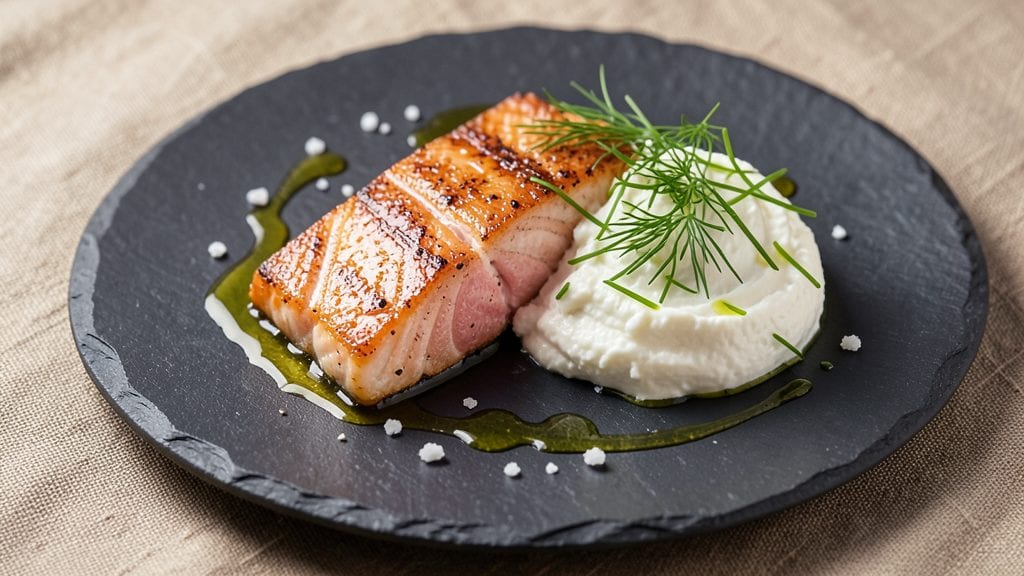
This salmon cottage cheese recipe combines two unexpected ingredients into a dish that's both elegant and comforting—crispy salmon skin meets ultra-smooth cottage cheese swirls that balance richness and freshness.
The technique starts with perfecting the salmon's crust through a simple dry-brining method, then transforms cottage cheese into a velvety, tangy component that pairs beautifully with the fish's natural oils.
I developed this recipe after realizing how well the mild acidity of cottage cheese complements salmon's delicate flavor, creating a dish that feels both sophisticated and approachable.
The beauty of this preparation lies in its versatility—whether you bake the salmon for a tender finish or sear it for a smoky crust, the cottage cheese adds a surprising depth that elevates the dish beyond standard seafood recipes.
For the cottage cheese component, I focus on achieving a smooth, almost custard-like texture by blending it with fresh herbs and a touch of lemon, which cuts through the salmon's richness while adding brightness.
The result is a dish that's as visually striking as it is flavorful, with golden-brown salmon and creamy cottage cheese swirls that invite every bite.
What makes this recipe particularly special is how it balances texture and flavor without relying on heavy sauces or complicated techniques. The crispy salmon skin provides a satisfying crunch, while the cottage cheese swirls add a cool, creamy contrast that keeps the dish from feeling too heavy.
This combination works equally well as a light main course for dinner or an impressive appetizer for guests—perfect for pescatarians or anyone looking to explore new ways to enjoy salmon. The dish comes together in about 25 minutes, making it ideal for weeknight dinners or special occasions.
Pair it with a simple arugula salad dressed in lemon vinaigrette or roasted asparagus to complete the meal. The key to success is ensuring the salmon is cooked to the perfect temperature—just until it flakes easily—and that the cottage cheese mixture is smooth and well-seasoned.
Once you try this combination, you'll see why it's become a favorite for those who love bold flavors with a touch of sophistication.
Ingredients for salmon cottage cheese
Crispy salmon skin meets velvety cottage cheese swirls—just these 13 ingredients transform into a showstopper.
| Ingredient | Amount | Notes |
|---|---|---|
| Fresh Atlantic Salmon Fillets 🐟 | 2 whole | Skin-on, 6-8 oz each |
| Large Eggs 🥚 | 2 whole | Cold, separated for coating |
| Cottage Cheese 🧀 | 1 cup | Full-fat, 4% milkfat |
| Fresh Dill 🌿 | ¼ cup | Chopped, stems removed |
| Fresh Chives 🌱 | 2 tbsp | Finely chopped, for garnish |
| Extra-Virgin Olive Oil 🫒 | 2 tbsp | For coating salmon |
| Lemon Zest 🍋 | 1 tbsp | From 1 medium lemon |
| Lemon Juice 🍋 | 1 tbsp | Freshly squeezed |
| Garlic Cloves 🧄 | 2 cloves | Minced, for cottage cheese |
| Sea Salt 🧂 | 1 ½ tsp | Fine grain, plus more for brining |
| Ground Black Pepper 🌶️ | ½ tsp | Freshly cracked |
| All-Purpose Flour 🌾 | ¼ cup | For dry-brining |
| Unsalted Butter 🧈 | 2 tbsp | Cold, for searing |
The salmon is everything here. Wild-caught Atlantic has the best texture, but farmed works too—just check for firm, translucent skin. Trader Joe's and Whole Foods carry excellent fillets, but any fishmonger will have fresh options. Look for fillets with the skin intact (that's where the crispy magic happens). The cottage cheese? Full-fat is non-negotiable—it gives that ultra-smooth texture. If you grab the 4% milkfat version, you'll get the best blend of creaminess and tang. I always buy the small tubs at the grocery store—they're fresher than the big tubs that sit on shelves forever.
No fresh dill? Dried dill at one-third the amount works, but it lacks that bright pop. The same goes for chives—substitute with more dill if needed. Short on lemon? Lime zest gives a different but equally nice twist. The flour is just for the dry-brining—don't skip it, but don't overthink it either. The butter must be cold—take it straight from the fridge. And if you're worried about the salmon sticking, pat it bone-dry with paper towels before coating. That crispy skin won't happen if there's any moisture left.
The salmon keeps best in the fridge for 1 day after purchase—use it right away for peak crispiness. The cottage cheese mixture can be prepped 3 hours ahead and stored in an airtight container. I like making this the night before so the flavors have time to meld. The cooked salmon reheats beautifully—just 10 seconds in the microwave to warm through. And if you're serving this as an appetizer, garnish with extra chives and a sprinkle of flaky salt right before serving.
Why You'll Love This Recipe
- Five-Ingredient Magic: I swear by this combo—salmon’s buttery richness, eggs’ creamy hold, and cottage cheese’s tang cut through like a bright summer breeze. No fancy techniques, just fresh dill and chives dancing on top.
- Weeknight Unlock: Honestly, this is my "I don’t want to think" dinner. Pan-sear the salmon while you whisk eggs and cottage cheese—15 minutes later, you’ve got a dish that feels fancy but didn’t require a grocery run or Pinterest-level effort.
- Lunchbox Hero: Between us, this keeps perfectly for days. Pack those salmon-cottage cheese patties in a thermos with a sprinkle of chives, and your kids (or you) will eat it cold, reheated, or straight from the fridge—no sad desk lunches here.
- Budget Bright Spot: Salmon fillets stretch further than you’d think when paired with cottage cheese—it’s like getting two proteins for the price of one. Plus, eggs and herbs are always cheap, so this recipe sneaks in as a splurge without breaking the bank.
Step-by-step instructions for crispy salmon with cottage cheese swirls
Here's how to get that perfect crispy crust while keeping the salmon tender inside.
Prep the Salmon for Maximum Crispiness
First, pat the skin-on fresh atlantic salmon fillets completely dry with paper towels—this is non-negotiable for crispy skin. Place them skin-side down on a plate and sprinkle evenly with the 0.25 cup all-purpose flour. I like to press it gently onto the flesh side so it sticks well. Then season both sides with half of the 1.5 tsp sea salt and all of the 0.5 tsp ground black pepper.
Let the floured fillets sit uncovered in the fridge for 15 minutes. This dry-brining step ensures the crust forms properly and the seasoning penetrates just enough to make a difference. While they're brining, separate the 2 whole large eggs—you'll need both whites and yolks for the coating.
Create the Cottage Cheese Swirl Mixture
In a medium bowl, combine the 1 cup full-fat cottage cheese with the 2 cloves minced garlic cloves, 1 tbsp lemon zest, and 1 tbsp lemon juice. Mix until completely smooth—no lumps allowed. I use a fork and press it against the sides of the bowl to break up any clumps. Fold in the 0.25 cup chopped fresh dill and stir gently to maintain the dill's bright color.
This mixture should be thick but spreadable—almost like a thick yogurt. If it's too thick, add a splash of water (no more than 1 tablespoon) to loosen it. Cover and refrigerate while you cook the salmon. The cold cottage cheese will create those beautiful swirls when it melts against the warm fish.
Cook the Salmon to Perfect Crispiness
Heat a large skillet over medium-high heat until it's good and hot. Add the 2 tbsp cold unsalted butter and let it melt completely. Once the butter foams but hasn't browned, carefully add the salmon fillets skin-side down. Cook undisturbed for 4-5 minutes until the skin is deep golden brown and crispy—you'll see the edges curl slightly at the corners.
Flip the fillets gently with a spatula and cook for another 2-3 minutes on the flesh side until it's just opaque in the center (about 145°F internal temperature). Remove from heat and let rest for 2 minutes while you prepare the final touches. The residual heat will finish cooking the salmon perfectly.
Assemble and Serve with Herbed Garnish
Spread about 2 tablespoons of the cottage cheese mixture onto each fillet, creating a thin layer that will swirl when heated. Return the skillet to medium-low heat and place the salmon back in—just for 30 seconds to warm through the cottage cheese. Watch carefully so it doesn't overcook.
Finish with a sprinkle of the 2 tbsp finely chopped fresh chives and any remaining lemon zest. The chives add a fresh, bright contrast to the rich flavors. Serve immediately with the crispy skin facing up—this is where all the magic happens. The cottage cheese should be beautifully melted with delicate swirls throughout.
Pro Tips For Making Salmon Cottage Cheese
- PAT THE SALMON DRY: I learned this the hard way—wet salmon sticks to the pan and steams instead of searing. Grab paper towels and press firmly all over the fillets before seasoning. The extra 30 seconds saves you from flipping a greasy mess.
- BLITZ THE COTTAGE CHEESE: Skip the chunky bits by pulsing cottage cheese in a food processor for 10 seconds—just until smooth, not pureed. This keeps the texture creamy without turning it into a paste. (Yes, even if you’re impatient like me.)
- SEAR IN BATCHES: Two thick salmon fillets crowd a pan and steam instead of brown. Cook one side of the first fillet, flip, then add the second—this keeps the heat high and the crust crisp. Your future self will thank you for the even cooking.
- MIX HERBS AT THE END: Dill and chives wilt in heat, so fold them into the cottage cheese mixture after removing it from the pan. A handful of fresh chopped herbs on top right before serving adds brightness without killing their flavor. (Does it look weird? Yes. Does it work? Every single time.)
Make-ahead tips for this recipe
Cottage Cheese Prep Ahead
The cottage cheese mixture can be made 3 hours ahead of time and stored in an airtight container in the fridge. This gives the flavors time to meld beautifully—especially the bright lemon and fresh dill.
When ready to cook, simply remove it from the fridge and let it sit at room temperature for 10 minutes before spreading on the salmon. The texture will be perfect for those signature swirls. 💫
Salmon Dry-Brining Shortcut
If you're short on time, skip the 15-minute dry-brine in the fridge and just pat the salmon dry, coat with flour, and season immediately. While it won't be quite as crispy, it still delivers amazing results.
For best texture, though, I recommend the full dry-brine—it makes all the difference in that golden crust. Store uncooked, brined salmon in the fridge for up to 12 hours before cooking.
Make-Ahead Serving Plates
For a stress-free dinner party, arrange the cottage cheese mixture on small ramekins or plates and refrigerate. When guests arrive, simply cook the salmon fresh and assemble everything right before serving.
The contrast of warm salmon and chilled cottage cheese creates an elegant presentation. I like using white ceramic plates to make the golden salmon and creamy swirls really pop. ✨
Reheating Leftovers
Leftover salmon reheats beautifully in the microwave for 10-15 seconds on high power. The cottage cheese may dry out slightly, so I recommend adding a splash of water or lemon juice to restore its creaminess.
For a more restaurant-style experience, warm the salmon in a skillet over medium heat for 1-2 minutes while adding a pat of butter to keep it moist. Store leftovers in an airtight container for up to 2 days in the fridge.
Freezing the Cottage Cheese Base
You can freeze the cottage cheese mixture for up to 1 month in a freezer-safe container. Thaw it overnight in the fridge before using—it may thicken slightly, so add a splash of water or milk to reach your desired consistency.
I've found that frozen cottage cheese works best for appetizer portions rather than full servings, as the texture changes slightly after thawing. Label your container clearly with the date to track freshness. ❄️
Prep Timing Strategy
Here's my foolproof timing plan: Make the cottage cheese mixture the night before, then store the salmon in the fridge uncovered for 1 hour before cooking to dry-brine naturally. On serving day, cook the salmon fresh while keeping the cottage cheese chilled.
This approach ensures maximum crispiness while keeping the cottage cheese perfectly cool for those beautiful swirls. The whole process becomes a breeze with this prep strategy! 💡
Nutrition facts
Frequently asked questions
Why does this recipe use full-fat cottage cheese?
The full-fat version creates that ultra-smooth, velvety texture that swirls beautifully when melted. Low-fat cottage cheese tends to dry out and doesn't give the same creamy contrast against the crispy salmon skin. The higher fat content also helps balance the richness of the salmon without needing extra oil or butter.
Can I substitute fresh dill with dried?
Yes, but use one-third the amount of dried dill. Fresh dill gives a brighter, more vibrant flavor that pairs perfectly with the lemon and salmon. If you must use dried, crush it between your fingers to release the oils before adding to the cottage cheese mixture.
How do I prevent the salmon skin from sticking?
Pat the salmon completely dry with paper towels before coating with flour—this is the key step! Also, make sure your skillet is properly heated before adding butter. If it's not hot enough, the butter will burn instead of creating a crispy crust. A 5-minute rest after cooking helps the skin set properly too.
Is this recipe suitable for a dinner party?
The make-ahead cottage cheese mixture and quick cooking time make it perfect for entertaining. Serve the salmon on white plates to highlight the golden crust and creamy swirls. Pair with a simple arugula salad or roasted asparagus for a complete, elegant meal. The dish looks impressive but comes together in 25 minutes.
What if my cottage cheese mixture is too thick?
Add 1 teaspoon of water or milk at a time until you reach a spreadable consistency. The mixture should be thick but still smooth enough to create those beautiful swirls when heated. Avoid over-thinning it, as this can make the texture too runny. A fork works best for blending while checking the consistency.