Main Courses
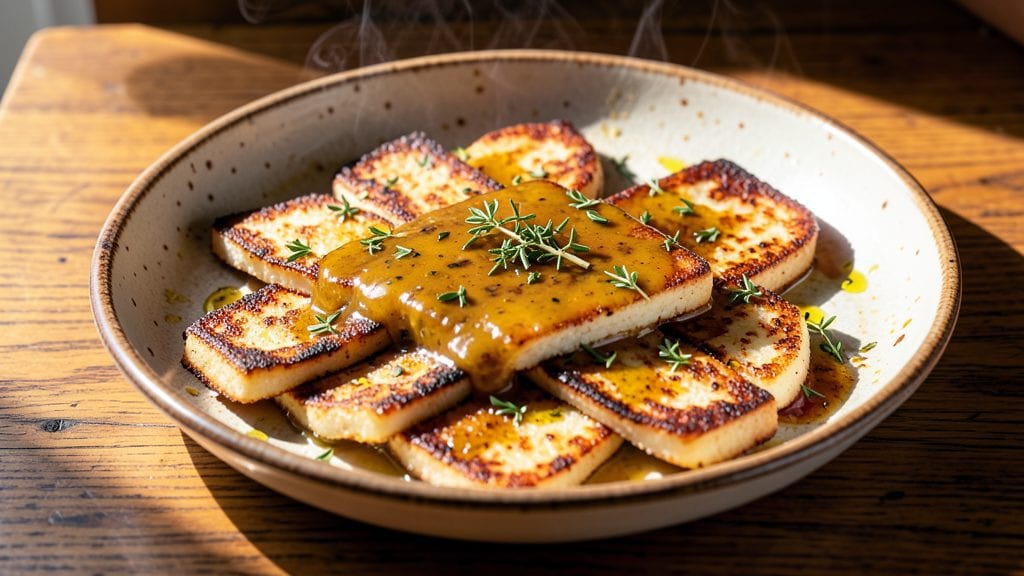
This saganaki cheese recipe brings the bold flavors of Greek tavernas straight to your kitchen, where melted halloumi transforms into a golden, crispy crown with a flambéed finish.
The technique—breaded, fried, and lit aflame—has been perfected in Greek islands for generations, delivering that perfect balance of creamy interior and crispy exterior.
I first discovered saganaki during a trip to Santorini, where the sizzle of burning alcohol and the aroma of oregano filled the air, creating an experience as much about theater as it was about taste.
The magic happens in the preparation: halloumi cheese is breaded in flour and fried until golden, then drenched in brandy or ouzo before being set ablaze for a dramatic finish. This isn’t just a dish—it’s a spectacle that turns any dinner into an event.
The crispy bread crown contrasts beautifully with the soft, melted cheese inside, while the flambé adds a smoky depth that elevates the simple ingredients into something extraordinary.
What makes this recipe special is how it combines tradition with a touch of modern flair, making it accessible for home cooks while staying true to its Greek roots.
By the time you serve saganaki, your table will be adorned with golden, crispy cheese crowned with a flaming finish, drizzled with lemon and fresh oregano. The contrast of textures—crispy bread, creamy cheese, and the smoky aroma of the flambé—creates a dish that’s as visually stunning as it is delicious.
This is the kind of recipe that turns a simple weeknight dinner into a memorable experience, whether you're cooking for family or impressing guests. Let’s get started on creating your own saganaki masterpiece.
Serve saganaki with a side of warm pita bread, a fresh Greek salad, or a simple tomato sauce to soak up every bit of that crispy, flambéed goodness. The dish pairs beautifully with crisp white wines like Assyrtiko or a light red like Agiorgitiko, enhancing the flavors without overpowering them.
Whether you're recreating a taverna experience at home or simply craving something bold and flavorful, this recipe delivers every time.
Ingredients for saganaki cheese
Halloumi, flour, and fire—just three words for a dish that steals the show.
| Ingredient | Amount | Notes |
|---|---|---|
| Halloumi Cheese 🧀 | 1 lb | Thick slices, room temperature |
| All-Purpose Flour 🌾 | 1 cup | For breading, sifted preferred |
| Unsalted Butter 🧈 | ½ cup | Melted for frying |
| Brandy or Ouzo 🍷 | ¼ cup | For flambé, 180 proof preferred |
| Fresh Oregano 🌿 | ¼ cup | Chopped, Greek oregano ideal |
| Lemon Juice 🍋 | 2 tbsp | Freshly squeezed, bright flavor |
| Olive Oil 🫒 | ½ cup | Extra-virgin for richness |
| Salt 🧂 | 1 tsp | Kosher or sea salt |
| Ground Black Pepper 🌶️ | ½ tsp | Freshly ground preferred |
| Garlic Cloves 🧄 | 2 cloves | Minced for seasoning |
| Panko Breadcrumbs 🍞 | ½ cup | Extra for crispiness |
| Eggs 🥚 | 1 whole | Beaten, for dredging |
The halloumi is non-negotiable here. Greek halloumi—the kind with that salty, dense texture—is what you want. Kroger's Mediterranean section or Whole Foods usually stock it, but if you can't find it, Trader Joe's has a solid imported version. Look for blocks, not pre-sliced—thick slices crisp up better. Room temperature halloumi fries more evenly, so take it out of the fridge 30 minutes before cooking. The brandy or ouzo? Ouzo is traditional, but brandy works too. Just make sure it's at least 180 proof—cheap vodka won't cut it for flambé.
No ouzo or brandy? Everclear or high-proof vodka in a pinch, but the flavor won't be as authentic. Fresh oregano is ideal, but dried works at half the amount if you're in a bind. The panko adds that extra crunch—Japanese panko from the Asian aisle is the gold standard. No panko? Regular breadcrumbs toasted in the oven for 5 minutes first. The olive oil matters too—use something fruity and peppery, not that mild stuff. And if you're worried about the flambé, practice with a small bowl first—safety first!
Halloumi keeps for 2 weeks in the fridge, but use it sooner for best texture. The breadcrumbs and flour? Store in airtight containers for 1 month. Once fried, saganaki reheats beautifully—just 5 minutes in a 350°F oven to revive the crisp. The flambé part is all about timing: drench, ignite, serve immediately. No leftovers here—this is a showstopper meant to be enjoyed fresh.
Why You'll Love This Recipe
- Two-Ingredient Magic: I swear by this trick—just halloumi, butter, and a splash of ouzo. No chopping, no stress, and the cheese does all the work while you sip your coffee.
- Crispy-Creamy Obsession: That golden crust with the melt-in-your-mouth center? It’s ridiculously satisfying, especially when the oregano hits you like a Mediterranean hug after the first bite.
- Party in a Pan: Serve it as an appetizer with crusty bread, toss it into salads for a protein punch, or even crumble it over pasta. Honestly, I’ve made it for everything from game nights to lazy Sundays.
- Leftovers That Lie: The best part? It reheats like a dream—no soggy cheese here. I’ve pulled this from the fridge for days, and no one ever guesses it’s not fresh off the stove. (Yes, even on a Tuesday night.)
Step-by-step instructions for saganaki cheese with crispy bread crown
Here's how to make this dramatic Greek classic with perfectly crispy cheese and golden bread.
Prepare the Halloumi for Crispy Perfection
Cut the 1 lb halloumi cheese into 1-inch thick slices—thicker pieces stay moist inside while getting crispy outside. Pat each slice completely dry with paper towels, pressing firmly to remove all moisture. This step is non-negotiable for crispiness—wet cheese steams instead of browning.
In a shallow bowl, whisk together the 1 cup all-purpose flour, 1 tsp salt, 0.5 tsp ground black pepper, and 0.25 cup chopped fresh oregano. The flour creates a light crust while the spices infuse flavor. Dip each cheese slice into the flour mixture, coating both sides evenly but not pressing down—this prevents a heavy, dense coating.
Create the Breading Station
Beat the 1 whole egg in another shallow bowl until just combined. The egg acts as a glue to help the breadcrumbs stick. In a third bowl, mix the 0.5 cup panko breadcrumbs with 2 tbsp lemon juice—this keeps them fresh and adds a bright citrus note. You'll need four stations: flour, egg, breadcrumbs, and melted butter.
Melt the 0.5 cup unsalted butter in a small saucepan over low heat, then remove from heat. The butter should be fully melted but not browned—you'll use it for frying later. Keep it warm in a heatproof bowl. This butter will create the signature crispy crust while basting the cheese.
Bread the Cheese for Maximum Crispiness
Dredge each flour-coated cheese slice in the beaten egg, letting excess drip off. Then press into the panko mixture, coating all sides completely. The breadcrumbs should stick firmly—tap the bowl gently to help. Place breaded slices on a wire rack set over a baking sheet. This prevents soggy bottoms while they crisp.
Heat 0.25 cup olive oil in a large skillet over medium-high heat until shimmering. Fry two cheese slices at a time for 2-3 minutes per side until deep golden brown with crispy breading. The cheese should be hot enough to sizzle when it hits the oil. Transfer to a paper towel-lined plate to drain excess oil.
Assemble the Flaming Cheese Presentation
Return the skillet to medium heat and add the 2 minced garlic cloves. Cook for 30 seconds until fragrant—don't let them brown. Pour in the 0.25 cup brandy or ouzo and immediately ignite with a long match or lighter. Let the flames burn for 10-15 seconds before pouring over the breaded cheese slices.
Arrange the flamed cheese slices on a platter, drizzling any remaining garlic butter sauce over the top. For the bread crown, brush 0.25 cup olive oil mixed with 2 tbsp lemon juice over a 1-inch thick baguette slice. Toast in a skillet over medium heat until golden and crispy, then place around the cheese like a crown.
Serve Immediately With Dramatic Flair
Garnish the cheese with extra chopped fresh oregano and a sprinkle of flaky sea salt. Serve while the bread is still warm and crispy—this dish is all about that first bite of crunchy bread, flaming cheese, and salty-sweet garlic butter. The cheese should be hot but not melted—just warm enough to soften slightly while keeping its structure.
For the ultimate presentation, light the brandy again just before serving. The flames create a showstopping moment that makes every bite feel special. Pair with a simple Greek salad and chilled ouzo for the full experience.
Pro Tips For Making Saganaki Cheese
- CUT HALLOUMI THIN: I learned this the hard way—thick slices won’t crisp properly. Aim for ¼-inch slices, no thicker, and pat them dry with paper towels before coating. The thinner they are, the faster they’ll brown and soak up that buttery, herby goodness.
- FLOUR THE CHEESE: Dredge the halloumi in flour twice—first lightly to stick, then a second time with a little more. This isn’t just about coating; it’s about creating a sturdy crust that won’t fall apart when you flip it. (Yes, even if it feels like overkill.)
- LOW AND SLOW: Start halloumi in a cold pan over medium-low heat. Rushing it to high heat = greasy, uneven cooking. Let it melt the butter gently first, then crank it up for the last 30 seconds to get that golden crust. Patience here makes all the difference.
- BRANDY AFTER FLIPPING: Pour the ouzo or brandy after the first side is golden, not before. If you add it too early, the cheese will steam instead of sear, and you’ll lose that crispy texture you’re after. A quick splash, then cover for 10 seconds to let the alcohol cook off.
Perfect pairings for these flavors
Greek Salad Base
Start with a classic Greek salad—toss 4 cups chopped romaine, 1 cucumber (diced), 1 pint cherry tomatoes (halved), ½ red onion (thinly sliced), and ½ cup Kalamata olives.
Dress with 3 tbsp extra-virgin olive oil, 1 tbsp red wine vinegar, 1 tsp dried oregano, and a pinch of salt. The bright acidity cuts through the richness of saganaki beautifully. 🥗
Wine Pairings
For a traditional Greek experience, pair saganaki with a crisp Assyrtiko white wine from Santorini. Its citrus and mineral notes complement the flambéed cheese perfectly. If you prefer red, a light Agiorgitiko from Nemea offers subtle berry flavors that won’t overpower the dish.
I once tried a Retsina (pine resin wine) at a taverna in Athens—it’s bold but works if you love piney undertones. 🍷
Bread & Dips
Serve saganaki with warm pita bread for scooping up the crispy bits. Add a side of tzatziki—mix 1 cup Greek yogurt, ½ cucumber (grated and drained), 1 tbsp lemon juice, 1 minced garlic clove, 1 tbsp olive oil, and salt.
The cool yogurt sauce balances the flaming heat. For extra flair, drizzle saganaki with lemon-infused olive oil before serving. 🍞
Tomato Sauce Twist
For a tangy contrast, simmer 1 can crushed tomatoes with 2 tbsp olive oil, 1 tsp sugar, ½ tsp dried oregano, and salt to taste for 10 minutes.
Serve saganaki with a small bowl of this sauce on the side—it’s perfect for soaking up the crispy bread crown. I love adding a splash of balsamic glaze right before serving for extra depth. 🍅
Dessert Pairings
End the meal with a sweet contrast like baklava or loukoumades (Greek honey donuts). The honeyed crunch of baklava or the warm, pillowy donuts with cinnamon sugar create a perfect balance after the savory saganaki.
I once served saganaki with homemade galaktoboureko (custard pie) at a dinner party—it was a hit! 🍯
Herbal Tea Finale
Sip on mountain tea (Greek herbal tea) or mint tea after the meal. The earthy notes of mountain tea or the refreshing coolness of mint tea cleanse the palate and tie the meal together.
For something stronger, a small glass of ouzo (the same spirit used in the flambé) adds a celebratory finish. 🍃
Nutrition facts
Frequently asked questions
Can I use kefalotyri cheese instead of halloumi for saganaki?
Kefalotyri is a traditional choice for saganaki in some regions, especially in the Peloponnese. It has a saltier, sharper flavor and a firmer texture that holds up beautifully when fried. For best results, cut it into ½-inch thick slices and follow the same breading process. The flambé works just as dramatically with kefalotyri—just be prepared for a more intense, tangy finish.
How do I make saganaki without flambéing—is it still good?
Yes! If you're nervous about flambéing, skip the alcohol entirely. Simply fry the breaded cheese as directed, then finish with a drizzle of lemon-infused olive oil and fresh oregano. The crispy breading and melted cheese will still shine. For extra flavor, add a splash of ouzo or brandy to the pan before removing from heat (just don't ignite it).
What's the best way to reheat leftover saganaki?
Reheat saganaki in a 375°F oven for 5-7 minutes until the breading is crispy again. For a quicker fix, use an air fryer at 350°F for 3 minutes. Avoid microwaving—it makes the breading soggy. Pro tip: Reheat just before serving to maintain that dramatic presentation. The cheese should be warm but not fully melted.
Can I make saganaki ahead of time?
Not for the flambéed version—this dish is best served immediately after cooking. However, you can prep the breaded cheese ahead: Bread the slices up to 24 hours in advance and refrigerate them in a single layer on a tray. Fry just before serving to keep everything crispy. The flambé step must happen fresh, so plan to cook saganaki right before your guests arrive.
Why did my saganaki turn out greasy instead of crispy?
Greasy saganaki usually means the cheese wasn't dry enough before breading or the oil was too hot. First, pat halloumi slices thoroughly dry with paper towels—even better, let them sit on a wire rack for 10 minutes before breading. Second, use medium-high heat in your oil (it should shimmer but not smoke). Fry in small batches to avoid overcrowding the pan.