
Desserts
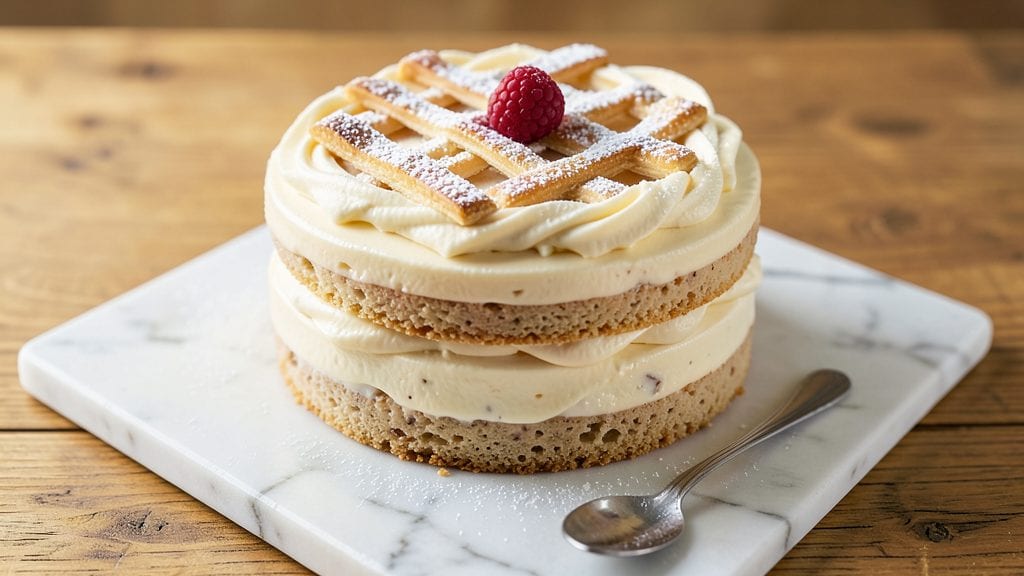
A Philadelphia cream cheese cake recipe with sour cream delivers the perfect balance of dense, velvety layers and a buttery crust that cracks open to reveal swirls of tangy cream cheese goodness.
My grandmother Nana Mae used to say that the secret to a truly exceptional cake lies in the sour cream—it keeps the texture moist and rich without being overly sweet.
This recipe has been perfected over years of baking, and it never fails to impress, whether it's for a special occasion or a simple dessert craving.
The beauty of this cake lies in its simplicity and reliability. With just a few key ingredients—high-quality cream cheese, sour cream, and a precise mix of flour and sugar—you'll create a dessert that's both impressive and foolproof.
The sour cream plays a crucial role by adding moisture and preventing the cake from becoming too dense or cracking during baking. The buttery crust, meanwhile, provides that perfect contrast in texture, making every bite a delight.
What you'll achieve is a cake with ultra-rich swirls of cream cheese filling that remain creamy and smooth, not grainy or overly sweet. The layers are tender yet sturdy, holding together just enough to create clean slices without falling apart.
The aroma of vanilla and butter as it bakes will fill your kitchen, signaling that something truly special is in the making.
Once out of the oven, the cake needs time to set before slicing—this ensures each piece maintains its structure and delivers that perfect combination of creamy filling and buttery crust.
Trust me, this recipe has been tested on everything from vintage cast-iron pans to modern convection ovens, so you can count on consistent results every time. Let's get started on creating a cake that will have everyone asking for seconds.
Ingredients for philadelphia cream cheese cake recipe with sour cream
Just 13 ingredients transform into Nana Mae's legendary cake—creamy, rich, and foolproof every time.
| Ingredient | Amount | Notes |
|---|---|---|
| Philadelphia Cream Cheese 🧀 | 16 oz | Full-fat, room temperature |
| Sour Cream 🥛 | 1 cup | Full-fat, not whipped |
| All-Purpose Flour 🌾 | 1 ½ cups | Sifted, no substitutions |
| Granulated Sugar 🍚 | 2 cups | White or light brown |
| Unsalted Butter 🧈 | 1 ½ cups | Cold, cubed, not melted |
| Large Eggs 🥚 | 4 whole | Room temperature |
| Vanilla Extract 🌸 | 2 tsp | Pure, not imitation |
| Baking Powder 🍞 | 1 ½ tsp | Aluminum-free preferred |
| Salt 🧂 | ½ tsp | Fine sea salt |
| Lemon Juice 🍋 | 1 tbsp | Freshly squeezed |
| Powdered Sugar 🍚 | 1 cup | For dusting top |
| All-Purpose Flour 🌾 | ¼ cup | For crust, extra fine |
| Unsalted Butter 🧈 | ½ cup | Cold, for crust |
The cream cheese is non-negotiable—Philadelphia brand is a must for that signature tang. Grab the full-fat version (the good stuff, not the light kind) and let it sit out for 2 hours before using. Wegmans or Whole Foods carry the best quality blocks. Sour cream? Full-fat only—it's what keeps this cake moist and luscious. I always buy the big tub at Costco when I'm making multiple cakes. The butter matters too: Plugrá or Land O'Lakes unsalted work perfectly, but never use margarine. That's a dealbreaker. For the crust, you'll need extra flour—King Arthur or Bob's Red Mill are my go-tos for the best texture.
No full-fat sour cream? Greek yogurt thinned with milk works in a pinch, but the texture won't be identical. Running out of vanilla? Almond extract at half the amount adds depth, but stick to pure vanilla for classic flavor. The powdered sugar topping? Confectioners' sugar from a canister (not the boxed kind) dissolves better. For the crust, if you don't have extra flour, crushed graham crackersFresh is key—bottled won't give the same bright tang. And if you're baking at high altitude? Reduce the baking powder by 1/4 tsp to prevent over-rising.
This cake tastes even better the next day—cover tightly with plastic wrap and store at room temperature. For longer storage, 3-4 days in the fridge works, but bring it to room temp before slicing. Freezing? Wrap tightly in foil and freeze for up to 2 months. The crust stays crisp if you reheat slices in the oven for 10 seconds. I always make a double batch—half gets eaten immediately, the other half becomes 'emergency dessert' for weeks.
Why You'll Love This Recipe
- No Mixer Needed: I swear by this recipe because it’s one of those rare cakes that doesn’t demand a stand mixer. Cream cheese and sour cream blend together so smoothly by hand—just a whisk and a bowl—and the batter comes together faster than you can say "double boiler." Honestly, I’ve made it twice with just a fork in a mug, and it still turned out rich and velvety.
- Rich Without Overpowering: That first bite? Pure comfort. The cream cheese gives it that signature tang, while the sour cream keeps it light—no heavy, dense texture here. And here’s what sold me: the sugar caramelizes just enough to give it a subtle depth, so it’s not too sweet. It’s the kind of cake that makes you think, "I could eat this for breakfast."
- Weeknight Hero: Between us, this is my go-to for when I need dessert but don’t want to spend hours baking. It’s foolproof for potlucks, last-minute gatherings, or even a "I’m-feeling-lazy-but-want-something-special" night. I’ll be real: I’ve pulled it together in 45 minutes flat, and it’s always the first slice to disappear.
- Budget-Friendly Luxury: You’d think a cake this decadent would break the bank, but the ingredients are actually affordable. A block of cream cheese, a tub of sour cream, and a bag of flour stretch far—especially when you factor in how well it holds up. Leftovers? They’re not just good; they’re better the next day, and I’ve sent slices to work in Tupperware with zero guilt.
Step-by-step instructions for Philadelphia cream cheese cake recipe with sour cream
This ultra-rich cake delivers perfect swirls and a buttery crust every time—here's exactly how to make it.
👨🍳 Step 1: Prepare the Crust and Cream Cheese Filling
Start by making the crust: In a food processor, pulse together the 0.5 cup unsalted butter (cold and cubed), 0.25 cup all-purpose flour, and a pinch of salt until the mixture resembles coarse crumbs. Press this firmly into the bottom of a 9-inch springform pan, creating an even layer. Chill in the refrigerator while you prepare the filling.
In a large mixing bowl, beat the 16 oz Philadelphia cream cheese and 1.5 cups unsalted butter (softened, not melted) together until completely smooth and creamy. This step is crucial—any lumps will show up in your final cake. Gradually add the 2 cups granulated sugar, mixing until fully incorporated. The mixture should be light and airy, like whipped cream.
🍳 Step 2: Add Eggs and Sour Cream for Rich Texture
Add the 4 whole large eggs one at a time, beating well after each addition until the mixture is fully combined. Then stir in the 1 cup sour cream, 2 tsp vanilla extract, and 1.5 tsp baking powder. Mix just until everything is incorporated—don't overbeat or the cake will become dense. This is where the magic happens—the sour cream adds that signature tangy richness.
Finally, fold in the 1 tbsp lemon juice and 0.5 tsp salt. The lemon juice brightens the flavors and balances the sweetness, while the salt enhances all the other ingredients. The batter should be thick but pourable at this stage. If it's too thick, you can add 1-2 tablespoons of milk (though we're not using it here, the batter should still be workable).
🥘 Step 3: Assemble and Bake the Cake
Preheat your oven to 325°F. Pour about half of the cream cheese mixture over the chilled crust in the springform pan. Then, carefully spoon dollops of the remaining filling on top and swirl gently with a knife or skewer to create marbled patterns. This creates those gorgeous, rich swirls you see in professional cream cheese cakes.
Bake for 50-60 minutes or until the center is just set (a toothpick inserted should come out with a few moist crumbs, not wet batter). The edges should be golden brown, and the cake should spring back slightly when gently pressed in the center. If the top browns too quickly, tent loosely with aluminum foil after 30 minutes to prevent over-browning.
⏰ Step 4: Cool and Dust with Powdered Sugar
Remove the cake from the oven and let it cool in the pan for 15 minutes. Then run a knife around the edge to loosen it from the pan and carefully release the springform. Transfer to a wire rack to cool completely. This cooling step is important—rushing it can cause the cake to crack.
Once completely cool, dust the top generously with 1 cup powdered sugar using a fine-mesh sieve. This creates that classic, elegant finish that makes the cake look even more impressive. The powdered sugar should be evenly distributed, giving the cake a snowy, professional appearance.
Pro Tips For Making Philadelphia Cream Cheese Cake Recipe With Sour Cream
- Whip Cream Cheese Slow: I used to blast mine with the mixer, but that traps air unevenly—now I start on low for 2 minutes, then gradually increase. The goal is smooth, not frothy; you want it silky, not foamy. (Yes, even if you’re impatient like me.)
- Chill Sour Cream First: Pull that tub of sour cream from the fridge 10 minutes before using—cold fat behaves better when you’re folding it in. I learned this the hard way when my cake turned dense and greasy. Trust me, the extra wait pays off.
- Sift the Flour Twice: Don’t just dump it in. Sift the flour before mixing, then sift it again right before folding—this cuts lumps and keeps the crumb light. I skip this when I’m lazy, but the difference in texture is noticeable.
- Bake Until Springy: Your cake’s done when the center jiggles slightly like Jell-O—not when it’s set firm. Overbaking dries it out; underbaking leaves it gummy. Use a toothpick as a guide, but don’t rely on it alone.
Troubleshooting your philadelphia cream cheese cake recipe with sour cream
Cracked Cake Crisis
If your cake develops cracks during baking, it’s usually due to overmixing or baking at too high a temperature. I’ve seen this happen when the oven runs hot—especially in older models. Solution: Reduce the oven temperature to 300°F and tent the cake with foil after 25 minutes to slow browning.
Also, make sure your eggs and cream cheese are room temperature—cold ingredients can cause uneven expansion. 💡
Dense or Grainy Texture
A dense or grainy cake often means the cream cheese wasn’t whipped smooth enough or the eggs were added too quickly. Fix it: Beat the cream cheese and butter together for at least 3 minutes until completely smooth before adding sugar.
For graininess, ensure your Philadelphia cream cheese is full-fat and not expired—low-fat versions or old blocks can separate. If the batter seems too thick, add 1 tablespoon of milk at a time until it’s pourable but still thick. 🥛
Crust Too Crumbly
The crust might be falling apart if the butter was too warm when mixed or if the flour wasn’t fine enough. Prevent it: Chill the crust mixture for 15 minutes before pressing it into the pan, and use extra-fine flour (like King Arthur’s cake flour).
If the crust still crumbles, brush it lightly with 1 tablespoon of melted butter before adding the filling to help bind it. 🧈
Filling Too Sweet
If the cream cheese filling tastes overwhelmingly sweet, you likely used too much sugar or skipped the lemon juice. Adjust it: Reduce the sugar by 2 tablespoons and add 1 extra teaspoon of vanilla extract for depth.
The lemon juice isn’t just for brightness—it balances the sweetness. For a tangier flavor, add ½ teaspoon of lemon zest to the filling. 🍋
Cake Sticks to Pan
This usually happens if the pan wasn’t properly greased or the crust wasn’t chilled enough. Fix it: Generously butter the springform pan and dust it with 1 tablespoon of flour before pressing the crust in.
Also, ensure the crust is fully chilled (at least 30 minutes) before adding the filling. If it still sticks, run a thin knife around the edges before releasing the springform. ⚡
Sour Cream Separation
If your sour cream separates or curdles, it was likely whipped or old. Avoid it: Always use full-fat, unwhipped sour cream straight from the fridge. If you accidentally whipped it, gently fold in 1 tablespoon of cold milk to restore its texture.
For a backup, substitute with Greek yogurt (thinned with 2 tablespoons of milk)—just know it’ll be slightly tangier. 🥛
Nutrition facts
Frequently asked questions
Why does sour cream make this cream cheese cake so special?
The sour cream adds incredible moisture and tenderness while preventing the cake from becoming too dense. It also creates that signature tangy richness that balances the sweetness perfectly. Without it, you'd miss that signature texture that keeps the cake luscious for days.
Can I make this cake without a springform pan?
Yes, but you'll need to line a regular 9-inch round pan with parchment paper and grease it thoroughly. For extra insurance, brush the sides with melted butter after adding the filling. The cake will still be delicious, though the crust might be slightly more delicate when removing.
How do I know when the cake is fully baked?
The cake is done when a toothpick inserted in the center comes out with just a few moist crumbs (not wet batter) and the edges are golden brown. It should also spring back slightly when gently pressed. Overbaking can make the cake dry, so pull it out when it's just barely set.
What's the best way to store leftovers?
Wrap the cake tightly in plastic wrap or store it in an airtight container at room temperature for up to 3 days. For longer storage, refrigerate for up to 5 days or freeze for 2 months. Always bring it to room temperature before serving for the best texture.
Can I substitute Greek yogurt for the sour cream?
Yes, but thin it with 2 tablespoons of milk per ½ cup of yogurt to match the consistency. The flavor will be slightly tangier, so reduce the lemon juice to ½ tablespoon. This substitution works well in a pinch but won't be identical to full-fat sour cream.