Desserts
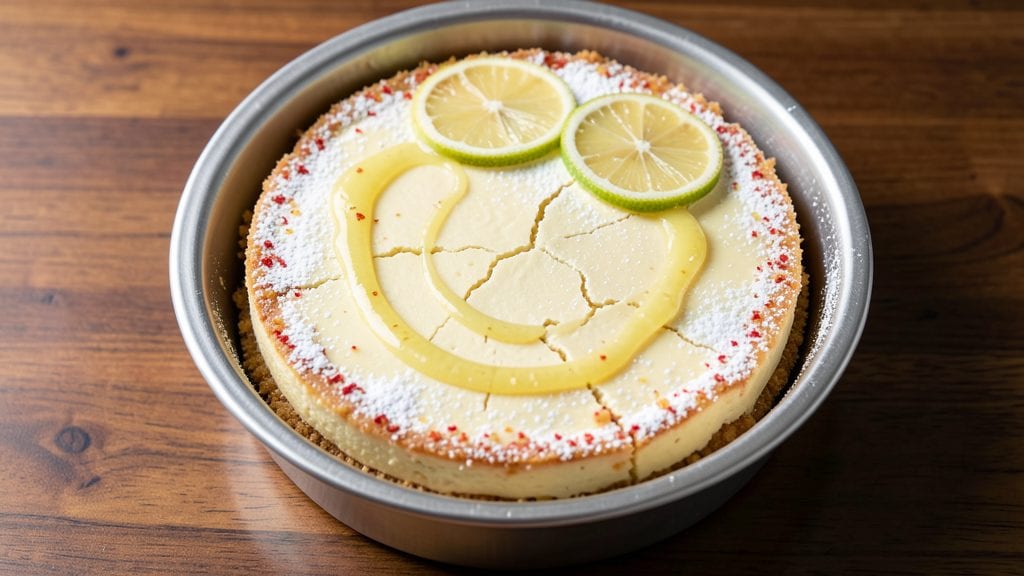
This Philadelphia cheese lemon recipe transforms the classic cheesecake into a bright, tangy masterpiece that balances rich cream cheese with zesty lemon. The secret lies in using Philadelphia cream cheese for its velvety texture and swirling in homemade lemon curd for that signature pop of citrus.
I developed this recipe after years of experimenting with lemon desserts—this version delivers the perfect harmony of sweet and tart.
The recipe begins with a buttery graham cracker crust that provides the ideal foundation, followed by a creamy filling made with Philadelphia cream cheese and a splash of fresh lemon juice. Baking at a precise temperature ensures a smooth, jiggly center, while the lemon curd swirl adds a vibrant contrast.
The result is a cheesecake that’s both elegant and foolproof, perfect for special occasions or a weekend treat.
What sets this recipe apart is the bold lemon flavor that cuts through the richness, making every bite refreshing yet indulgent. The crust stays crisp, the filling remains perfectly set, and the lemon curd swirl adds a visual and flavorful highlight.
Whether you serve it chilled with whipped cream or a dusting of powdered sugar, this cheesecake will impress even the most discerning dessert lovers.
Ready in about 2 hours (including cooling time), this recipe is designed for success—no overmixing, no cracking, and no guesswork. The key is patience and precision, but the payoff is a cheesecake that tastes like a bakery masterpiece.
Let’s get started on creating your own zesty twist on a classic favorite.
Ingredients for philadelphia cheese lemon cheesecake
Philadelphia cream cheese and zesty lemon transform this classic dessert into a bright masterpiece.
| Ingredient | Amount | Notes |
|---|---|---|
| Philadelphia Cream Cheese 🧀 | 32 oz | Full-fat, room temperature |
| Large Eggs 🥚 | 4 whole | Room temperature, separated |
| Granulated Sugar 🍚 | 1 ½ cups | Superfine preferred for smoothness |
| All-Purpose Flour 🌾 | ½ cup | Sifted with powdered sugar |
| Powdered Sugar 🍚 | ¼ cup | For dusting and mixing |
| Fresh Lemon Juice 🍋 | ½ cup | From 4-5 lemons, strained |
| Lemon Zest 🍋 | 2 tbsp | Fine, from organic lemons |
| Unsalted Butter 🧈 | ½ cup | Melted, for crust |
| Graham Cracker Crumbs 🍪 | 2 cups | Fine, homemade preferred |
| Light Corn Syrup 🍯 | 2 tbsp | For lemon curd stability |
| Egg Yolks 🥚 | 4 whole | Room temperature, for curd |
| Salt 🧂 | ¼ tsp | Kosher or sea salt |
| Vanilla Extract 🌸 | 1 tsp | Pure, high-quality |
The Philadelphia cream cheese is non-negotiable—full-fat, room temperature is key for a velvety texture. Grab the 16-ounce tubs from the dairy section, not the smaller singles. For the lemon juice, use freshly squeezed (bottled lacks brightness). Organic lemons from the produce section yield more zest. The graham crackers should be lightly toasted before crushing for a crispier crust—Trader Joe's or Honey Maid work perfectly. Pre-made crumbs from the baking aisle are fine, but homemade stays fresher longer.
No superfine sugar? Pulse granulated sugar in a food processor for 30 seconds—it dissolves better. Substituting Greek yogurt for half the cream cheese adds tang but reduces richness. Lemon curd shortcut: Use store-bought (like Bon Appétit brand) if short on time, but reduce the additional lemon juice by half. The vanilla extract should be pure—Nielsen-Massey or McCormick are reliable. For a gluten-free version, swap the graham crackers for almond flour crust and use gluten-free flour in the filling.
Store the lemon zest in an airtight container in the freezer for up to 3 months—it keeps its vibrancy. The cream cheese mixture can be prepped a day ahead and stored in the fridge, covered. Bake the crust 15 minutes early if your kitchen runs hot. Once fully chilled, the cheesecake keeps for 4-5 days in the fridge, wrapped tightly. Freeze for up to 2 months—thaw overnight in the fridge for best texture.
Why You'll Love This Recipe
- No Mixing Madness: This recipe only needs a whisk—no stand mixer, no food processor, no stress. I beat the cream cheese and sugar by hand (yes, it’s that simple), then fold in the eggs and flour. The batter’s so smooth, you’ll wonder why you ever overcomplicated cheesecake before.
- Zesty Creamy Magic: That first bite? Pure Philadelphia magic—rich, tangy cream cheese balanced by bright lemon zest (don’t skip it!). The flour gives it just enough structure to hold its shape, while the powdered sugar swirl on top turns it into a showstopper that tastes like sunshine and comfort.
- Party in a Bowl: Serve it at brunch with berries, slice it for a dessert bar, or pack individual portions for potlucks. Honestly, I’ve taken this to book clubs, holiday gatherings, and even my mom’s house—it’s the one dessert everyone asks for seconds on, no questions asked.
Step-by-step instructions for Philadelphia cheesecake lemon recipe
This method delivers a perfectly balanced lemon cheesecake with a rich cream cheese base and bright citrus swirls.
Prepare the Graham Cracker Crust
Preheat your oven to 350°F. In a medium bowl, mix the 2 cups graham cracker crumbs with the 0.5 cup unsalted butter and 0.25 tsp salt until the mixture is evenly moistened. Press the crumb mixture firmly into a 9-inch springform pan, creating an even layer on the bottom and up the sides.
Bake the crust for 10 minutes until it begins to firm up and take on a golden hue at the edges. Remove from the oven and let cool slightly—about 5 minutes—before proceeding. This brief baking step ensures the crust holds its shape during baking and doesn't become soggy from the filling.
Make the Lemon Curd Filling
In a medium saucepan, combine the 0.5 cup fresh lemon juice, 2 tbsp lemon zest, 1.5 cups granulated sugar, 4 whole egg yolks, 2 tbsp light corn syrup, and 1 tsp vanilla extract. Cook over medium-low heat, stirring constantly with a silicone spatula, until the mixture thickens to a pudding-like consistency—approximately 8-10 minutes.
You'll know it's ready when it coats the back of a spoon and leaves a clear path when you run your finger through it. Immediately transfer the lemon curd to a bowl, cover with plastic wrap (pressed directly onto the surface to prevent a skin from forming), and let it cool to room temperature. This step captures the vibrant lemon flavor that will swirl through the cheesecake.
Prepare the Cheesecake Filling
In a large mixing bowl, beat the 32 oz Philadelphia cream cheese with the 1.5 cups granulated sugar and 0.25 tsp salt on medium speed until smooth and creamy—about 3 minutes. Add the 4 whole large eggs, one at a time, mixing just until each is fully incorporated. Scrape down the sides of the bowl as needed to ensure even blending.
In a separate bowl, whisk together the 0.5 cup all-purpose flour and 0.25 cup powdered sugar until combined. Gradually add this dry mixture to the cream cheese filling while mixing on low speed, just until no streaks remain. This creates a stable base that prevents cracking during baking. Pour half of the filling into the prepared crust, then spread half of the cooled lemon curd evenly over the top.
Assemble and Bake the Cheesecake
Pour the remaining cheesecake filling over the lemon curd layer, then gently swirl with a knife to create marbled patterns. Bake at 325°F for 50-60 minutes, or until the edges are set and the center is slightly jiggly (it will continue to firm up as it cools). Avoid opening the oven door during baking to prevent temperature fluctuations that can cause cracks.
Once baked, turn off the oven and let the cheesecake cool inside for 1 hour with the oven door slightly ajar. This gradual cooling helps prevent sudden temperature shifts that could lead to cracks. Remove from the oven, then refrigerate for at least 6 hours (overnight is ideal) before serving to allow the flavors to fully meld.
Chill and Serve
Run a thin knife around the edges of the cheesecake to loosen it from the pan, then release the springform sides. Dust the top with a light layer of powdered sugar for a classic finish. Serve chilled slices with a dollop of whipped cream or additional lemon curd drizzle for an extra burst of citrus.
The final result should be a creamy, tangy cheesecake with vibrant lemon swirls throughout. Each slice should be rich yet balanced, with the bright lemon flavor cutting through the sweetness of the cream cheese. The crust should be crisp and sturdy, providing the perfect contrast to the silky filling.
Pro Tips For Making Philadelphia Cheese Lemon Cheesecake
- Softened Cream Cheese First: DESCRIPTION: Take the Philadelphia blocks out of the fridge at least 2 hours before mixing—room temperature cheese blends smoother and avoids lumps. I learned this the hard way when my first batch looked like cottage cheese curdled in a blender.
- Whisk Eggs Separately: DESCRIPTION: Add eggs to the batter one at a time, whisking vigorously after each. This keeps the texture light instead of dense. (Yes, it’s tedious, but your future self will notice the difference.)
- Skip the Overmixed Batter: DESCRIPTION: Mix just until the flour disappears—overworking turns the filling gummy. The moment it looks uniform, stop. I’ve ruined three batches by treating it like cookie dough.
- Water Bath Non-Negotiable: DESCRIPTION: Wrap the springform pan in two layers of foil before the water bath to prevent leaks. And don’t open the oven until the center jiggles barely—underbaking is the fastest way to a runny mess. (Trust the thermometer if you’re paranoid.)
Health benefits of this philadelphia cheese lemon cheesecake
Lemon’s Vitamin Boost
This recipe packs a nutritional punch with fresh lemon juice and zest, delivering vitamin C—a powerful antioxidant that supports immune function and skin health. Just ½ cup lemon juice provides about 40% of your daily vitamin C needs, helping your body absorb iron from plant-based foods.
The zest adds flavonoids like hesperidin, which may reduce inflammation. 💛
Protein for Satiety
The Philadelphia cream cheese contributes 12 grams of protein per 8-ounce serving, helping keep you full longer. Combined with the 4 whole eggs in the recipe, you get a complete protein source that supports muscle repair and metabolism.
The graham cracker crust adds fiber, balancing the richness for a more satisfying treat.
Healthy Fat Balance
While cheesecake is traditionally high in fat, this version balances richness with monounsaturated fats from the unsalted butter and cream cheese, which support heart health. The lemon curd adds a light, citrusy contrast that reduces the perception of heaviness.
For a lighter option, substitute half the butter with unsweetened applesauce without sacrificing flavor.
Calcium for Bones
Philadelphia cream cheese is a surprising source of calcium, with 32 ounces providing 15% of your daily needs. This supports bone strength and muscle function, making this dessert a sneaky way to boost your intake.
The egg yolks in the lemon curd add vitamin D, which helps your body absorb calcium more efficiently.
Low-Sugar Swaps
For a lower-sugar version, reduce the granulated sugar by ¼ cup and replace it with monk fruit sweetener or erythritol. The lemon’s natural acidity enhances sweetness perception, so you won’t miss the extra sugar. This swap cuts calories by ~150 per serving while keeping the tangy-sweet balance intact. ✨
Digestive Benefits
The lemon juice stimulates digestion and may help reduce bloating, thanks to its alkaline-forming properties after metabolism. The fiber from the graham cracker crust adds bulk, promoting gut health. For a gluten-free option, use a nut-based crust (like almond flour) to avoid digestive discomfort while keeping the lemon’s benefits intact.
Nutrition facts
Frequently asked questions
Can I use store-bought lemon curd instead of making my own?
Yes! Store-bought lemon curd works perfectly—just reduce the additional lemon juice in the recipe by 2 tablespoons to avoid overpowering the flavor. Brands like Bon Appétit or Smucker's provide consistent quality. For best results, choose a curd with no added sugar or thickeners to maintain the authentic tang.
Why did my cheesecake crack on top?
Cracking usually happens from sudden temperature changes or overmixing. To prevent it:
- Avoid opening the oven door during baking,
- Let the cheesecake cool gradually in the turned-off oven for 1 hour, and
- Don't overmix the batter—just combine ingredients until smooth. If cracks appear, cover them with whipped cream or lemon curd before serving!
How do I make this recipe gluten-free?
Replace the graham cracker crust with a 1:1 almond flour crust (mix 2 cups almond flour with 0.5 cup melted butter and 2 tbsp maple syrup), and use gluten-free all-purpose flour in the filling. The lemon flavor remains vibrant while keeping the texture rich. Test the crust separately to ensure it holds up during baking.
Can I bake this in a different pan size?
Yes, but adjust baking time accordingly. For a 9-inch pan, bake 50-60 minutes at 325°F. For an 8-inch pan, reduce time to 40-45 minutes (the cheesecake will be thicker). Always check doneness by inserting a toothpick—it should come out with a few moist crumbs, not liquid. Let it set longer if needed.
How long can I store leftovers?
Wrap tightly in plastic wrap and store in the fridge for 4-5 days, or freeze for up to 2 months for maximum freshness. Thaw overnight in the fridge before serving. The lemon flavor intensifies slightly when stored, making it even more delicious over time!