Main Courses
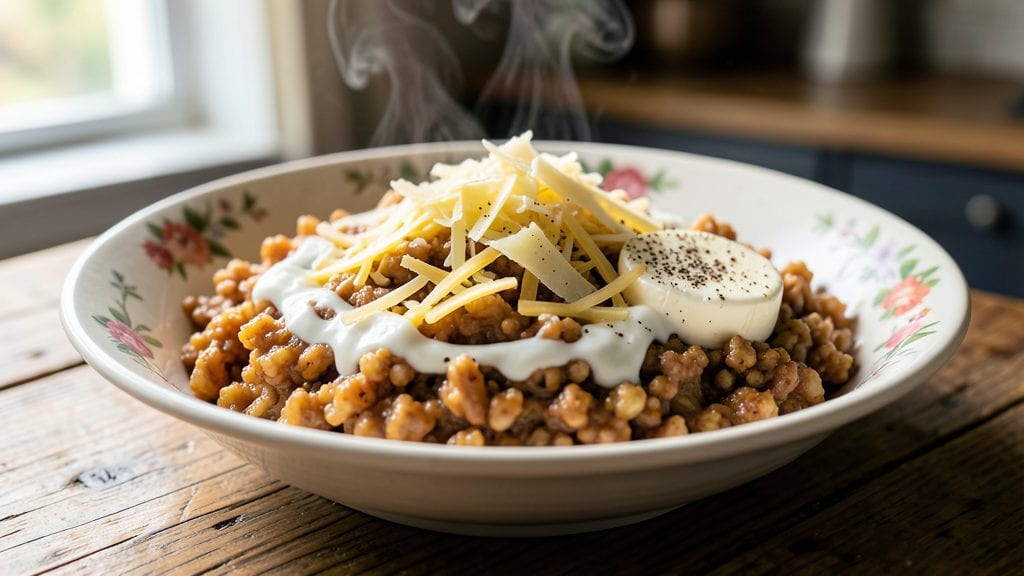
Paula Deen’s cheese grits recipe delivers that iconic Southern comfort—creamy, velvety, and packed with sharp cheddar and buttery richness. The secret lies in slow cooking stone-ground grits until they’re silky smooth, then folding in aged cheddar for that signature tangy depth.
I’ve perfected this method over years of weekend breakfasts, and it never fails to impress.
What sets this apart is Paula Deen’s technique of using a mix of sharp cheddar and cream cheese for the perfect balance of flavor and texture.
The grits simmer in milk and butter until they reach that luxurious, pudding-like consistency, while the cheese melts in just enough to create pockets of gooey goodness. Every bite is a reminder of why this dish is a Southern staple.
By the time you’re done, you’ll have a bowl of golden, creamy grits with a buttery finish that’s impossible to resist. The aroma alone will have everyone gathering around the table, and the first forkful delivers that perfect harmony of tangy cheese and rich, buttery flavor.
This is comfort food at its finest—simple yet sophisticated.
Pair it with crispy bacon, fried eggs, or a side of greens for a full Southern brunch experience. The beauty of this recipe is its versatility—it works as a hearty breakfast, a satisfying lunch, or even a cozy dinner. Let’s get cooking!
Ingredients for paula deen cheese grits
Stone-ground grits, sharp cheddar, and velvety cream cheese create Paula Deen's iconic Southern comfort dish.
| Ingredient | Amount | Notes |
|---|---|---|
| Stone-Ground Grits 🌾 | 1 cup | Uncooked, white or yellow |
| Sharp White Cheddar Cheese 🧀 | 2 cups | Aged 6+ months, freshly shredded |
| Cream Cheese 🧈 | 4 oz | Full-fat, room temperature |
| Unsalted Butter 🧈 | ½ cup | Cold, cut into small pieces |
| Whole Milk 🥛 | 4 cups | Full-fat for creaminess |
| Salt 🧂 | 1 ½ tsp | Kosher or sea salt |
| Black Pepper 🌶️ | ½ tsp | Freshly ground preferred |
| Garlic Powder 🧄 | ½ tsp | Not garlic salt |
| Freshly Ground Black Pepper 🌶️ | ¼ tsp | For finishing |
| Butter (for serving) 🧈 | ¼ cup | Melted, for topping |
| Chives 🌿 | 2 tbsp | Chopped, for garnish |
The grits make all the difference here—stone-ground is non-negotiable for that authentic texture. Bob’s Red Mill or Stone Ground Grits by Gritty’s are the gold standards, but any quality stone-ground will work. Look for a vibrant white or yellow color in the package, and avoid anything labeled 'quick' or 'instant.' The cheddar should be aged at least six months for that sharp, tangy bite—Sharp White Cheddar from Tillamook is my go-to, but any aged cheddar will do. The cream cheese needs to be full-fat for that luxurious mouthfeel, and room temperature ensures it blends smoothly without lumps.
No sharp cheddar? Pepper Jack or aged Gouda can work in a pinch, though the flavor profile will differ slightly. Substituting cream cheese? Creamy goat cheese at half the quantity adds a tangy twist. For the milk, whole is ideal, but 2% works if that's what you have. The butter should be cold when added to prevent the grits from breaking, but don’t skip it—it’s what gives those grits that signature buttery finish. If you’re short on chives, green onions or parsley will work just as well for garnish.
This dish reheats beautifully—just add a splash of milk or water to loosen it up. Store leftovers in an airtight container for up to 5 days in the fridge, though I find it’s best enjoyed fresh. For meal prep, double the recipe and freeze portions in single-serving containers. A quick microwave session with a splash of milk brings it back to that creamy perfection. The grits can also be made ahead and reheated on the stovetop with a pat of butter for that restaurant-quality texture.
Why You'll Love This Recipe
- Five-Ingredient Magic: The stone-ground grits and sharp cheddar alone make this worth it, but add cream cheese and butter? That’s the secret—no fancy steps, just melt-in-your-mouth richness.
- Weeknight Hug in a Bowl: I’ve made this on days when I couldn’t even decide what to eat. Simmer the grits, stir in the milk and cheese, and suddenly, you’ve got a dish that feels like a full meal without the fuss.
- Leftovers That Don’t Suck: Between us, most cheesy grits recipes turn into gluey sadness by day two. Not this one. The cream cheese keeps it creamy, and I’ve reheated portions for days—still perfect for breakfast or a lazy dinner.
- Budget Breakfast Win: Sharp cheddar and stone-ground grits might sound fancy, but they stretch like crazy. A single batch feeds my family for two days, and I’m always the one asking for seconds. (Yes, even after the kids.)
Step-by-step instructions for Paula Deen's cheese grits recipe
Here's how to achieve that signature Southern richness with perfectly creamy grits and a buttery finish.
Cook the Grits to Creamy Perfection
In a large, heavy-bottomed saucepan, combine the 1 cup stone-ground grits, 4 cups whole milk, and 1.5 teaspoons salt. Bring to a boil over medium-high heat, stirring constantly to prevent lumps from forming. Once boiling, immediately reduce heat to low and let it simmer gently for 15-20 minutes. Stir every 2-3 minutes during this time—this prevents sticking and ensures even cooking.
You'll know the grits are ready when they've thickened to a creamy, pudding-like consistency. The mixture should coat the back of a wooden spoon smoothly with no gritty texture remaining. If it's too thick before the time is up, add 1-2 tablespoons of milk at a time until it reaches your desired creaminess. The grits should be smooth but still have a slight body to them.
Incorporate the Cheeses for Maximum Flavor
While the grits are still hot (but not boiling), remove the pan from heat. Add the 2 cups sharp white cheddar cheese and 4 ounces cream cheese in small batches, stirring vigorously after each addition. The heat will help the cheeses melt completely into a velvety sauce. If you add them too quickly, the mixture may seize up—patience here ensures a silky texture.
Return the pan to low heat and stir continuously for 2-3 minutes until the cheeses are fully incorporated and the mixture is completely smooth. You should see a glossy sheen develop on the surface, indicating proper emulsification. If the grits look too thick, add 1-2 tablespoons of milk to loosen the consistency. The final texture should be rich but still spoonable.
Season and Finish with Butter
Add the 0.5 teaspoon black pepper, 0.5 teaspoon garlic powder, and 0.25 teaspoon freshly ground black pepper to the grits. Stir well to distribute the seasonings evenly throughout the mixture. Taste and adjust the seasoning if needed—Paula Deen's version is bold, so don't be shy with the salt and pepper. The grits should be well-seasoned but not overpowering.
Remove the pan from heat and stir in the 0.5 cup cold unsalted butter, cut into small pieces. Let the butter melt completely into the grits, creating a luxurious, buttery finish. The butter should disappear into the mixture, leaving a rich, velvety coating. If you're serving immediately, cover the pan and let the grits rest for 5 minutes—this allows the flavors to meld together perfectly.
Serve with Buttery Topping and Fresh Garnish
Melt the 0.25 cup butter (for serving) in a small saucepan over low heat until completely liquid. Pour this melted butter over each serving of grits just before serving. The butter will create a beautiful, glossy finish on top of the grits. Use a rubber spatula to swirl the butter into the grits for an elegant presentation.
Garnish each serving with 2 tablespoons chopped chives and an additional sprinkle of freshly ground black pepper. The chives add a bright, fresh contrast to the rich, cheesy grits, while the pepper enhances the overall flavor profile. Serve immediately while the grits are still hot and creamy—this Southern classic is best enjoyed fresh from the stove.
Pro Tips For Making Paula Deen Cheese Grits
- STIR CONSTANTLY FIRST 15 MINUTES: Stone-ground grits are stubborn—skip aggressive stirring at first, and you’ll end up with gummy lumps. Keep that wooden spoon moving nonstop until the grits release their raw starch (around 15 minutes), then ease up. I learned this the hard way when my first batch turned out like glue.
- GRATE CHEESE FINE: Paula Deen’s version relies on sharp white cheddar’s tang, but big chunks just melt into streaks. Use a box grater (not a food processor) for powdery shreds—this ensures even distribution and a creamy texture, not a cheesy surprise in every bite. (Yes, it takes 2 minutes longer, but it’s worth it.)
- SALT THE MILK: The grits will taste bland if you wait until the end. Mix ½ teaspoon salt into the whole milk before adding it to the pot—this seasons the grits from the start. I was skeptical until I tried it; now I can’t imagine doing it any other way.
- COOL SLIGHTLY BEFORE CHEESE: Dumping melted cheeses into scalding grits causes separation. Let the grits sit off heat for 2–3 minutes after cooking, then stir in the cheeses while still warm (not hot). This keeps the cream cheese from turning grainy and the cheddar from clumping. (Your future self will thank you.)
Essential equipment for great paula deen cheese grits
Heavy-Bottomed Saucepan
You absolutely need a heavy-bottomed saucepan with a lid for this recipe—I use my All-Clad Stainless Steel 3-quart because it distributes heat evenly and prevents scorching. The extra weight helps maintain consistent low heat during the long simmer.
If you don’t have one, a Le Creuset Dutch oven works beautifully too. Avoid thin, lightweight pans—they’ll create hot spots and burn your grits. 🔥
Wooden Spoon
A wooden spoon is essential for stirring grits—it won’t scratch your pan and helps prevent lumps from forming. I recommend a long-handled, 12-inch version like the OXO Good Grips for easy stirring.
The natural wood also adds a subtle flavor that enhances the buttery richness. Never use metal utensils when adding cheese—they can cause the mixture to seize.
Fine-Mesh Sieve
For perfectly smooth grits, I strain the cooked mixture through a fine-mesh sieve or chinois before adding cheese. This removes any remaining gritty particles and gives you that ultra-silky texture Paula Deen is known for.
A stainless steel sieve like the Microplane Food Mill works perfectly. If you don’t have one, a cheesecloth-lined colander works in a pinch.
Kitchen Scale
While measurements are given in cups and ounces, I highly recommend using a digital kitchen scale for precise cheese measurements. The OXO Good Grips scale is my go-to for weighing cheddar and cream cheese to the gram.
This ensures consistent flavor and texture every time—especially important when working with aged cheddar, which can vary in moisture content. 💡
Instant-Read Thermometer
To achieve that perfect creamy consistency, I monitor the grits’ temperature with an instant-read thermometer like the Thermoworks Thermapen. The ideal serving temperature is between 185-190°F—this ensures the grits are hot enough to melt the cheese completely but not so hot they break.
The thermometer also helps you avoid overcooking, which can make grits gummy.
Butter Knife
For the final butter finish, a sharp butter knife is perfect for cutting cold butter into small, even pieces. I use a Wüsthof Classic because its serrated edge makes quick work of butter cubes.
Cutting the butter into pea-sized pieces ensures it melts smoothly into the grits without clumping. This small detail makes a huge difference in the final texture and flavor. 🧈
Nutrition facts
Frequently asked questions
Why do Paula Deen's cheese grits need stone-ground grits instead of instant?
Stone-ground grits cook into a velvety, pudding-like texture while instant grits create a grainy, gluey consistency. The grinding process breaks the corn into finer particles, releasing more starch for that signature Southern creaminess. Instant grits are pre-cooked and processed differently, so they'll never achieve the same luxurious mouthfeel.
Can I make these grits ahead of time for a brunch gathering?
Prepare the grits up to 24 hours ahead and store them in an airtight container. When reheating, add a splash of milk or water to loosen the texture, then warm gently on the stovetop. For best results, add fresh butter and chives just before serving to maintain that restaurant-quality finish.
What's the secret to preventing gritty texture in the final dish?
Constant stirring during cooking and straining through a fine-mesh sieve are key. Use a wooden spoon to break up any lumps while simmering, and strain the cooked grits before adding cheese. This removes any remaining coarse particles, ensuring that silky Paula Deen texture in every bite.
Can I substitute cream cheese with something else?
Yes, but the texture will change. Try half the amount of goat cheese for a tangier flavor, or ricotta cheese for a lighter option. The cream cheese adds that signature richness, so if you omit it completely, you'll lose some of that velvety mouthfeel that makes these grits special.
How do I know when the grits are done cooking?
They're ready when they reach a pudding-like consistency that coats the back of a wooden spoon smoothly. The grits should be thick but still spoonable, with no gritty texture remaining. If they're too thick before the 15-20 minute mark, add milk gradually until you reach the perfect consistency.