Appetizers
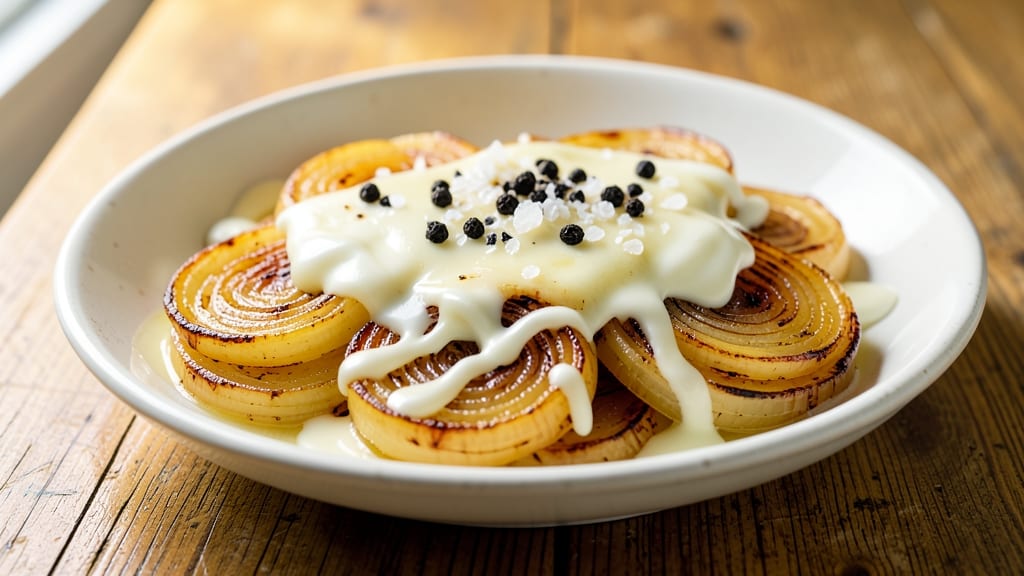
This onion cheese recipe transforms simple ingredients into a rich, comforting dish that’s perfect for any occasion. The magic happens in one pan, where sweet caramelized onions meet perfectly melted cheese for a flavor combination that’s impossible to resist.
I developed this recipe after years of testing different techniques to achieve that ideal balance of crispy onions and gooey cheese—no fancy equipment required.
The beauty of this dish lies in its simplicity and versatility. You’ll need just a handful of ingredients—thinly sliced onions, sharp cheddar, a touch of butter, and a splash of cream—to create a dish that’s hearty enough for a main course but light enough for an appetizer.
The onions caramelize slowly, developing deep sweetness while the cheese melts into a creamy, golden blanket over the top.
By the end, you’ll have a golden, bubbling pan of caramelized onions and melted cheese that’s crispy at the edges and tender in the center. The aroma alone will have everyone gathering around the table, and the first bite delivers that perfect harmony of sweet, savory, and creamy flavors.
This dish pairs beautifully with crusty bread or a simple green salad for a complete meal.
Whether you’re serving this as a standalone appetizer or a hearty side, it’s a guaranteed crowd-pleaser. The best part? It comes together in under 30 minutes with minimal effort, making it ideal for weeknight dinners or last-minute entertaining. Let’s get started on creating this comforting classic.
Ingredients for onion cheese
Sweet caramelized onions and melted sharp cheddar transform simple pantry staples into golden perfection.
| Ingredient | Amount | Notes |
|---|---|---|
| Yellow Onions 🧅 | 3 large | Thinly sliced, uniform thickness |
| Sharp White Cheddar Cheese 🧀 | 2 cups | Shredded, aged 6+ months |
| Unsalted Butter 🧈 | ½ cup | Cold, cut into pieces |
| Heavy Whipping Cream 🥛 | ¼ cup | Full-fat for richness |
| Diamond Crystal Kosher Salt 🧂 | 1 tsp | Fine grain preferred |
| Freshly Ground Black Pepper 🌶️ | ½ tsp | Coarsely cracked |
| Fresh Thyme Leaves 🌿 | ¼ tsp | Or 1/4 tsp dried thyme |
| Garlic Cloves 🧄 | 2 cloves | Minced, for depth |
| Extra-Virgin Olive Oil 🫒 | 1 tbsp | For finishing drizzle |
| Crusty Baguette Slices 🍞 | 4 pieces | For serving, optional |
| Freshly Chopped Chives 🌱 | 2 tbsp | For garnish |
The onions are the star—yellow onions have the perfect balance of sweetness and crunch. Grab the largest, firmest ones from the produce section (the ones that feel heavy for their size). Whole Foods and Trader Joe's always have the best selection, but your regular grocery store's yellow onions work too. For even cooking, slice them all the same thickness—about 1/8-inch slices. I use a mandoline for consistency, but a sharp chef's knife works just fine if you take your time. And don't skip the salt early on—it draws out moisture for better caramelization. That first sprinkle of Diamond Crystal kosher salt is non-negotiable for the best texture.
No sharp cheddar? Pepper jack adds heat, or Gruyère brings nutty depth. Running short on cream? Half-and-half works too—just add an extra splash of milk to thin it out. Fresh thyme is ideal, but dried works at one-third the amount. The garlic can be pre-minced from a jar in a pinch, but fresh is worth the 30 seconds it takes to chop. For extra richness, some cooks add a splash of heavy cream at the end—trust me, it's worth it. And if you're feeling fancy, a sprinkle of smoked paprika at the very end adds a smoky finish that pairs perfectly with the cheddar.
This dish reheats beautifully—just pop it in the oven at 350°F for 5-10 minutes to get that melty cheese texture back. Keeps 3-4 days in the fridge, covered tightly. For longer storage, portion into airtight containers and freeze for up to 3 months. I always make a double batch—half for dinner, half for lunches the next week. The onions keep their texture surprisingly well when reheated, and the cheese gets even more flavorful as it sits. Pro tip: serve it straight from the pan with those crusty baguette slices on the side for dipping—absolute game-changer.
Why You'll Love This Recipe
- One-Pot Magic: I swear by this recipe because it’s literally one pan, one spatula, and done. No chopping boards to clean, no extra bowls—just melt butter, caramelize those onions until they’re sweet and golden, and fold in the sharp cheddar until it’s gooey. Between us, that’s my kind of cooking.
- Creamy Crunch Combo: The texture here is what makes it ridiculous good—crispy onions on the edges, creamy cheese sauce in the middle, and that heavy cream ties it all together like a hug. Honestly, I’ve tried store-bought versions, and nothing beats the real deal with actual sharp cheddar and fresh cream.
- Weeknight or Party: This is my go-to for lazy dinners (yes, even on a Tuesday night) but also the star of game day spreads or holiday appetizers. Serve it warm with crusty bread, or let it cool for a dip—it’s that versatile. My roommate’s boyfriend asked for the recipe after one bite. That’s not nothing.
- Budget-Friendly Leftovers: Onions and cheddar are cheap, and this recipe stretches like crazy. I make a double batch, let it cool, and it keeps for days in the fridge—perfect for quick breakfasts or last-minute snacks. Plus, the flavor only gets better the next day, so you’re not stuck eating sad leftovers. Win.
Step-by-step instructions for onion cheese recipe
This one-pan wonder transforms humble ingredients into a luxurious dish that's impossibly easy to master.
Caramelize the Onions to Sweet Perfection
Melt the 0.5 cup unsalted butter in a large, heavy skillet over medium-low heat. Add the 3 large yellow onions, sliced uniformly into ¼-inch thick rounds. I like to use a mandoline for even slices—this ensures consistent cooking and prevents any pieces from burning while others remain raw.
Cook the onions for 30-40 minutes, stirring occasionally, until they transform into a deep golden brown caramel. You'll know they're ready when they're soft, sweet-smelling, and have reduced significantly in volume. This slow process is crucial—rushing will leave them pale and bitter. If they start to brown too quickly, reduce the heat to medium-low and give them more time.
Build Flavor with Aromatics and Seasonings
Once the onions are caramelized, increase the heat to medium and add the 2 cloves minced garlic, stirring for 30 seconds until fragrant. Immediately sprinkle in the 1 tsp diamond crystal kosher salt, 0.5 tsp freshly ground black pepper, and 0.25 tsp fresh thyme leaves. Stir everything together for 1 minute to let the spices bloom and meld with the onions.
This is where the magic happens—those few seconds of toasting the spices release their essential oils, creating layers of flavor that elevate the entire dish. Don't skip this step, even if it feels minor. The thyme, in particular, adds an earthy depth that pairs beautifully with the sharp cheddar we'll add next.
Create the Ultimate Cheese Sauce
Reduce the heat to low and add the 2 cups shredded sharp white cheddar cheese, stirring constantly until fully melted and smooth. The cheese should coat the onions completely, creating a glossy, velvety sauce. If the mixture thickens too much, add 1-2 tablespoons of water to loosen it.
Next, pour in the 0.25 cup heavy whipping cream and stir gently to combine. The cream will create a silky texture while adding richness. Let the mixture simmer for 2-3 minutes until it reaches your desired consistency—creamy but not runny. Taste and adjust seasoning if needed, adding more salt or pepper as necessary. This is your chance to perfect the balance of flavors before serving.
Finish with Olive Oil and Fresh Herbs
Remove the skillet from heat and drizzle in the 1 tbsp extra-virgin olive oil, stirring to incorporate. The olive oil adds a bright finish that cuts through the richness of the cheese. Sprinkle the 2 tbsp freshly chopped chives over the top, reserving a pinch for garnishing the baguette slices later.
Let the dish rest for 2-3 minutes off the heat—this allows the flavors to meld completely. The onions will continue to soften slightly, and the sauce will thicken just enough to coat the back of a spoon. This resting period is often overlooked but makes a noticeable difference in the final texture and flavor.
Serve with Crusty Baguette
Transfer the onion cheese mixture to a serving bowl or directly onto warmed plates. Arrange the 4 pieces crusty baguette slices around the dish or on the side for dipping. The baguette's crispy texture contrasts beautifully with the creamy, caramelized onions.
Garnish each serving with an additional sprinkle of freshly chopped chives and serve immediately while the cheese is still molten. The combination of sweet caramelized onions, sharp cheddar, and herby freshness creates a dish that's comforting yet sophisticated—perfect for any occasion. The baguette soaks up the creamy sauce beautifully, making every bite decadent.
Pro Tips For Making Onion Cheese
- Sweat, Don’t Burn: DESCRIPTION: Caramelize those onions low and slow—think 20-25 minutes at medium-low heat until they’re deep golden, not crispy. I learned this the hard way: rushing them turns the whole dish bitter, and no one wants that sharp cheddar fighting with burnt onion notes.
- Shred Cheese Coarse: DESCRIPTION: Skip the food processor—use your hands to tear the sharp white cheddar into uneven chunks. It melts faster and stays gooey, not gloppy. (Yes, it’s messy, but your future self will thank you when the sauce isn’t a sad, clumpy blob.)
- Salt the Cream: DESCRIPTION: Toss in a pinch of kosher salt with the heavy whipping cream right at the start—it balances the sharp cheddar before it even melts. I used to add it at the end, and the flavor always felt flat, like something was missing.
- Whisk the Butter: DESCRIPTION: Melt the unsalted butter over medium heat, then whisk it constantly until it’s foamy and just starting to brown—about 2-3 minutes. This builds flavor way faster than letting it sit idle. (I know, I know, but trust the process.)
Common mistakes when making great onion cheese
Overcooking the Onions
I’ve seen this happen more times than I can count—onions burned to a crisp instead of caramelized to golden perfection. The key is patience: medium-low heat and 30-40 minutes of slow cooking. If your onions start browning too quickly, reduce the heat immediately or cover the pan to trap steam.
Overcooked onions turn bitter and lose their sweetness, so keep an eye on them and stir occasionally to prevent sticking. 🔥
Skipping the Salt Early
Adding salt only at the end is a common mistake that ruins texture. The 1 tsp kosher salt should go in with the onions during the first 10 minutes of cooking. This draws out moisture, helping them caramelize more evenly and develop deeper flavor.
Without it, your onions will steam instead of brown, leaving you with a soggy, pale mess. Trust me, that first sprinkle makes all the difference. 🧂
Using the Wrong Cheese
Not all cheeses melt the same way. Sharp cheddar is ideal for its bold flavor and smooth melt, but I’ve seen people use mild cheddar or pre-shredded cheese (which contains anti-caking agents that prevent proper melting).
For best results, shred your own cheese—it melts more evenly and creates a silky sauce. If you’re using a substitute like Gruyère, add it gradually to avoid clumping. 🧀
Ignoring the Resting Time
Rushing to serve the dish right off the heat is another rookie move. Letting the onion cheese rest for 2-3 minutes off the stove allows the flavors to meld and the sauce to thicken slightly.
Skipping this step means you’ll end up with a runny, uneven mess. It’s tempting to dive in immediately, but patience pays off—the first bite will be worth the wait. ⏳
Crowding the Pan
Using a pan that’s too small forces onions to steam instead of caramelize. Your skillet should have at least 1 inch of space between onion slices when arranged in a single layer. If you’re working with a small pan, cook the onions in two batches to avoid overcrowding.
A 12-inch cast iron skillet is perfect for this recipe—it provides enough surface area for even browning. 🍳
Overmixing the Cheese
Once the cheese hits the pan, stir gently to avoid breaking it into clumps. Aggressive stirring creates a grainy texture instead of a smooth, velvety sauce. Let the cheese melt naturally, then stir just until fully combined.
If it thickens too much, add 1 tablespoon of water or cream to loosen it. The goal is creamy perfection, not scrambled cheese. 🥛
Nutrition facts
Frequently asked questions
Can I make this onion cheese dish ahead of time?
Yes! This recipe reheats beautifully. Store leftovers in an airtight container in the fridge for up to 3-4 days. When ready to serve, warm in the oven at 350°F for 5-10 minutes until the cheese is melted and bubbly. The onions keep their texture surprisingly well, and the cheese gets even more flavorful. For longer storage, freeze portions for up to 3 months.
What's the best cheese substitute if I don't have sharp cheddar?
For a similar melt and flavor, try Gruyère (nutty depth) or Pepper Jack (added heat). Avoid pre-shredded cheese—it contains anti-caking agents that prevent proper melting. If using a substitute, add it gradually while stirring to avoid clumping. For a dairy-free option, try nutritional yeast mixed with vegan cheese shreds.
How do I prevent the onions from sticking to the pan?
Use a heavy-bottomed skillet (like cast iron) and ensure your onions are sliced uniformly. Cook over medium-low heat and stir occasionally. If they start sticking, add 1-2 tablespoons of water and cover the pan for 2-3 minutes to steam them loose. Never rush the cooking process—patience is key for perfect caramelization.
Can I make this recipe without cream?
Replace the 0.25 cup heavy cream with 0.5 cup whole milk or half-and-half for a lighter texture. For extra richness, use 2 tablespoons of butter instead. The cream adds silkiness, but the dish will still be delicious without it. Taste and adjust seasoning after adding the milk substitute.
What are the best sides to serve with this onion cheese dish?
This rich, cheesy dish pairs perfectly with crusty bread (like baguette slices) for dipping. For a complete meal, add a simple green salad with a tangy vinaigrette or roasted asparagus with lemon zest. The acidity cuts through the richness, balancing the flavors beautifully.