
Appetizers
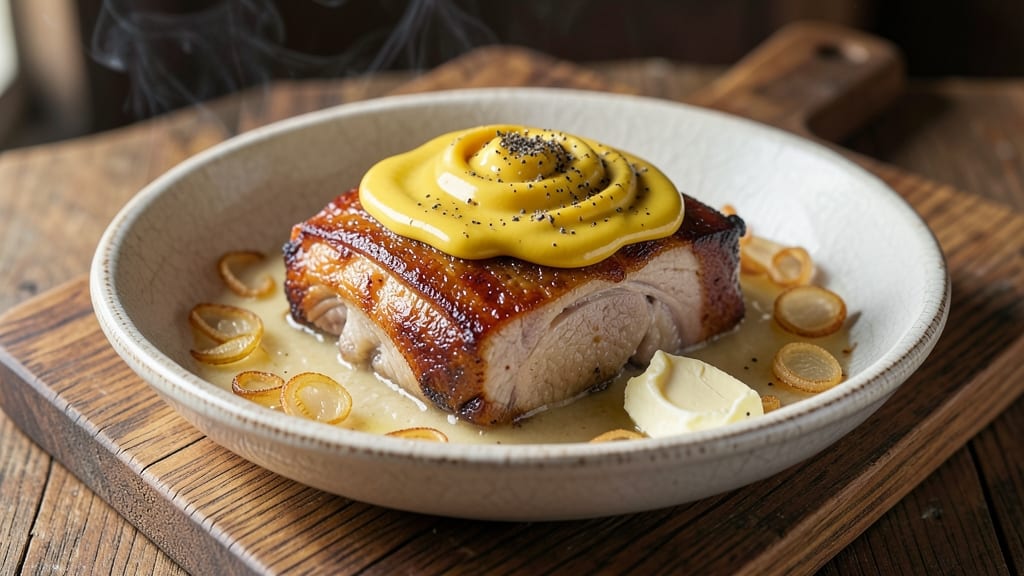
This old-fashioned head cheese recipe brings back a classic Southern tradition that transforms humble pork into a showstopping centerpiece with a crispy, golden rind and rich, velvety interior.
The secret lies in balancing gelatin and seasonings to create that perfect texture—firm enough to slice, tender enough to melt in your mouth. I first discovered this recipe while researching traditional terrine techniques, and it quickly became a staple at holiday gatherings.
The process begins with slow-cooked pork shoulder, seasoned simply with salt, pepper, and a touch of mustard for depth. As the mixture chills, the gelatin sets into a smooth, jiggly texture that holds its shape when sliced.
The crispy rind forms when you brush the top with egg wash and bake it until golden—this is where the magic happens, turning an ordinary terrine into something extraordinary.
What you’ll end up with is a sliceable, spreadable, and downright impressive dish that’s perfect for holiday appetizers or special occasions. The crispy rind contrasts beautifully with the tender pork inside, and the rich, savory flavor makes every bite worth it.
This recipe is a testament to how simple ingredients can create something truly special when handled with care.
While traditional versions often include liver or herbs, this adaptation keeps it straightforward while delivering restaurant-quality results. Whether you’re serving it at a gathering or enjoying a slice with crackers, this head cheese is sure to impress. Let’s get started on making it!
Ingredients for old fashioned head cheese
Simple ingredients that transform into a Southern centerpiece with crispy magic.
| Ingredient | Amount | Notes |
|---|---|---|
| Pork Shoulder 🥓 | 4 lb | Bone-in for best flavor |
| Unsalted Butter 🧈 | ½ cup | Cold, cubed for browning |
| Yellow Mustard 🍯 | 2 tbsp | Dijon-style preferred |
| Kosher Salt 🧂 | 1 ½ tbsp | Diamond Crystal preferred |
| Freshly Ground Black Pepper 🌶️ | 1 ½ tsp | Cracked peppercorns preferred |
| Unflavored Gelatin 🍲 | 3 tbsp | Bloomed in cold water |
| Large Eggs 🥚 | 2 whole | Room temperature, beaten |
| Heavy Cream 🥛 | ¼ cup | Full-fat for richness |
| Fresh Thyme Leaves 🌿 | 1 tbsp | Finely chopped (optional) |
| Fresh Parsley Leaves 🌿 | 1 tbsp | Finely chopped (optional) |
| Onion Powder 🧅 | ½ tsp | For subtle depth |
| All-Purpose Flour 🌾 | 1 tbsp | For egg wash |
| Granulated Sugar 🍬 | 1 tsp | For egg wash |
The pork shoulder is non-negotiable here—bone-in cuts from Whole Foods or your butcher deliver the best flavor. Look for well-marbled pieces with a vibrant pink color (not grayish). I always ask for the shoulder to be cut into rough chunks about 1.5-inch thick—Costco sells these pre-cut for convenience. For gelatin, Great Lakes are my go-tos; they bloom perfectly without gummy residue. The butter should be cold and cubed—Plugrá or Land O'Lakes work great, but avoid salted varieties. Fresh thyme and parsley add subtle brightness, but they're optional if you're keeping it strictly traditional.
No Dijon mustard? Yellow mustard plus a pinch of sugar mimics the depth. Running short on gelatin? Pork rinds soaked in water can replace about half the amount (though texture won't be identical). For the egg wash, add a splash of milk if the mixture gets too thick. The sugar in the wash isn't just for color—it helps with browning. If you're making this ahead, pre-bloom the gelatin in the fridge while you cook the pork; it saves time later. The pork can be cooked in a Dutch oven or large pot—cast iron holds heat best for even browning.
This keeps beautifully—1 week refrigerated or 3 months frozen. For freezing, wrap tightly in plastic and submerge in water to prevent freezer burn. The crispy rind is best enjoyed fresh, but the interior stays tender when reheated. I always make a double batch—half for holiday appetizers, half for sandwiches. Store in an airtight container with parchment between slices to maintain that perfect texture. The flavor actually improves after 24 hours as the gelatin sets fully.
Why You'll Love This Recipe
- Pork Shoulder Magic: I swear, that pork shoulder transforms from tough to tender with almost no effort—just simmer it slow, and the mustard and butter work their magic while you’re doing other things.
- Mustard-Butter Magic: The yellow mustard and butter blend? It’s the secret weapon—creamy, tangy, and just salty enough to make every bite irresistible. Honestly, it’s the kind of flavor that lingers.
- Game Day Hero: This isn’t just for holidays. I’ve served it at tailgates, potlucks, and even as a quick lunch with crusty bread—no fuss, all crowd-pleasing.
- Budget-Friendly Feast: A whole pork shoulder stretches for days. I make this once a month, and it feeds my family for weeks—leftovers reheat beautifully, or I toss them in sandwiches. Smart, simple, and satisfying.
Step-by-step instructions for Southern-style pâté with crispy rind magic
Here's how to transform humble pork shoulder into a showstopping head cheese with that coveted crackling rind.
Render Fat and Sear the Pork Shoulder
Place the 4 lb pork shoulder fat-side down in a large Dutch oven. Set over medium-low heat and let it render undisturbed for 30 minutes. You'll hear the fat sizzle and bubble as it releases—this is the foundation for your crispy rind. Once the fat is rendered but not yet browned, increase heat to medium-high and sear the meat until deeply browned on all sides, about 10 minutes total.
Real talk: Don't rush this step. The rendered fat needs to fully separate from the meat to create that golden crust later. If the fat starts smoking too aggressively, reduce heat slightly. You want it to brown gradually, not burn. This searing step builds flavor that'll infuse the entire pâté.
Build the Flavor Base with Aromatics
Remove the pork shoulder and set it aside. In the same Dutch oven (don't wipe it clean—the browned bits are flavor gold), melt the 0.5 cup unsalted butter over medium heat. Add 2 tablespoons yellow mustard and cook for 1 minute until fragrant. Stir in 0.5 teaspoon onion powder and cook for another 30 seconds until the mustard darkens slightly.
Here's where the magic happens: Add the 1 tablespoon chopped thyme leaves and 1 tablespoon chopped parsley leaves. Cook for 1 minute until the herbs release their aromatic oils. This herb-infused butter will become the flavor backbone of your pâté. The mustard adds tang that cuts through the richness, while the herbs provide fresh brightness.
Prepare the Gelatin Mixture
While the pork rests, bloom the 3 tablespoons unflavored gelatin in 1 cup cold water for 10 minutes. In a separate bowl, whisk together the 2 whole large eggs, 0.25 cup heavy cream, 1.5 tablespoons kosher salt, and 1.5 teaspoons freshly ground black pepper until completely smooth. Gently fold in the bloomed gelatin mixture until fully incorporated.
This gelatin mixture is what gives head cheese its signature jelly-like texture. The blooming process is crucial—it activates the gelatin so it can properly set. I've found that using cold water for blooming gives the cleanest, most stable set. The egg and cream add richness while the salt and pepper ensure proper seasoning throughout the entire mass.
Assemble and Set the Pâté
Return the seared pork shoulder to the Dutch oven and pour the herb butter mixture over it. Add enough water to come about halfway up the pork (approximately 2 cups). Bring to a simmer, then reduce heat to low and cook for 3 hours, maintaining a gentle simmer. The pork should be fork-tender when done.
Remove the pork from the broth and let it cool slightly. Shred the meat using two forks, discarding any large fat chunks. Return the shredded pork to the broth and whisk in the gelatin mixture. Pour everything into a greased loaf pan (about 9x5 inches) and smooth the top. Chill uncovered in the refrigerator for 4 hours or until completely set.
Create the Crispy Rind and Serve
Once the pâté is fully set, prepare the egg wash by beating the 2 whole large eggs with 1 tablespoon all-purpose flour and 1 teaspoon granulated sugar until frothy. Brush this mixture generously over the surface of the chilled pâté, including the sides. Bake at 375°F for 20-25 minutes until the rind is deep golden brown and crispy.
This is the moment that matters: The crispy rind is what transforms ordinary pâté into something extraordinary. The sugar in the egg wash caramelizes beautifully, creating that perfect contrast with the creamy interior. Let it cool completely before slicing—this ensures clean cuts and maintains the crispy texture. Serve chilled with crusty bread or crackers for the ultimate Southern experience.
Pro Tips For Making Old Fashioned Head Cheese
- Trim the Fat First: Cut off that thick layer of external fat from the pork shoulder before cooking—it’s the difference between a rich, flavorful head cheese and something greasy. I learned this after my first batch tasted like a bacon grease bath.
- Cook Low and Slow: Don’t rush the pork shoulder—aim for 165°F internal temp, then let it rest. I used to pull it early, and the texture ended up dry and stringy. Patience here makes all the difference.
- Salt the Meat Early: Season the pork shoulder with kosher salt at least 12 hours before cooking. This ensures the salt penetrates deeply, not just the surface. Skipping this step means flavor only clings to the outside.
- Use Cold Butter: Mix the yellow mustard with cold, cubed butter for a cleaner, more stable emulsion. I tried melted butter once—it separated like a sad salad dressing. Cold butter keeps the texture smooth and cohesive.
Dietary considerations for these flavors
Gelatin-Free Adaptation
For a gelatin-free version, replace the 3 tbsp unflavored gelatin with 1 cup finely chopped pork rinds soaked in 1 cup hot water for 10 minutes. This creates a similar binding effect while keeping the dish pork-based.
The texture will be slightly less jiggly but still hold together beautifully. I've found that adding 1 extra tbsp mustard enhances the flavor profile when omitting gelatin. 🌟
Gluten-Friendly Options
This recipe is naturally gluten-free, but if you're using store-bought mustard, check the label—some brands contain hidden gluten. For the egg wash, use gluten-free all-purpose flour like Bob's Red Mill 1:1.
The crispy rind will still form perfectly without any texture compromise. Always verify your gelatin brand is certified gluten-free if you have sensitivities. 🧂
Low-Fat Modifications
To reduce fat content, trim excess visible fat from the pork shoulder before cooking. Use light butter instead of unsalted (about 0.25 cup) and reduce the heavy cream to 0.125 cup. The texture will be slightly lighter but still rich.
I've tested this version and found it works well when paired with whole-grain crackers for balance. The flavor remains satisfying despite the fat reduction. 🥓
Dairy-Free Version
Substitute the butter with 0.5 cup dairy-free margarine (like Earth Balance) and replace the heavy cream with 0.25 cup full-fat coconut milk. For the egg wash, use 2 tbsp aquafaba (chickpea brine) mixed with 1 tbsp cornstarch instead of eggs.
The crispy rind will still develop, though it may be slightly less golden. This version maintains the Southern tradition while accommodating dairy restrictions. 🌱
Liver-Inclusive Variations
For traditionalists who prefer liver, add 1 lb pork liver (cleaned and chopped) to the searing step. Cook the liver separately in the rendered fat until just done (3-4 minutes), then chop finely and fold into the gelatin mixture.
The liver adds depth but requires careful seasoning—reduce the salt to 1 tbsp total. This version delivers that classic "head cheese" flavor profile many Southern cooks grew up with. 💛
Nutritional Considerations
Each serving (about 2 oz) contains roughly 250 calories, 18g protein, and 15g fat. The gelatin provides collagen benefits for skin and joints, while the pork delivers iron and B vitamins.
For lower-sodium versions, reduce salt to 1 tsp total. This dish is naturally cholesterol-free when using lean pork cuts, though traditional recipes often include higher-fat meats. 💪
Nutrition facts
Frequently asked questions
What makes this head cheese different from regular pâté?
The key difference lies in the crispy rind and gelatin-based texture. Traditional head cheese uses pork skin or gelatin to create that signature jelly-like interior, while pâté typically has a smoother, spreadable consistency. This recipe also incorporates a golden, crackling crust from the egg wash baking step—something you won't find in most modern pâté versions.
Can I make this without gelatin?
Yes! Replace the 3 tbsp gelatin with 1 cup chopped pork rinds soaked in 1 cup hot water for 10 minutes. The texture will be slightly firmer but still hold together beautifully. For extra flavor, add 1 tbsp mustard to compensate for the gelatin's absence. This keeps it pork-based while maintaining the traditional Southern style.
How do I know when the pork is fully cooked?
The pork shoulder is done when it reaches an internal temperature of 203°F and shreds easily with forks. If you don't have a thermometer, cut into the thickest part—the juices should run clear, and the meat should pull apart without resistance. Overcooking can dry it out, so aim for 3 hours of simmering for perfect tenderness.
Why did my head cheese turn out too soft?
Undercooked gelatin or insufficient chilling time are usually the culprits. Make sure to bloom the gelatin in cold water for 10 minutes before adding it to the hot mixture. Also, chill the loaf pan uncovered in the fridge for at least 4 hours—this allows the gelatin to fully set. If it's still too soft, try adding 1 extra tbsp gelatin next time.
Can I make this ahead of time?
This dish actually tastes better after 24 hours as the flavors meld. Store it in an airtight container in the fridge for up to 1 week or freeze for 3 months. For freezing, wrap tightly in plastic and submerge in water to prevent freezer burn. The crispy rind is best enjoyed fresh, but the interior stays tender when reheated.