
Soups & Stews
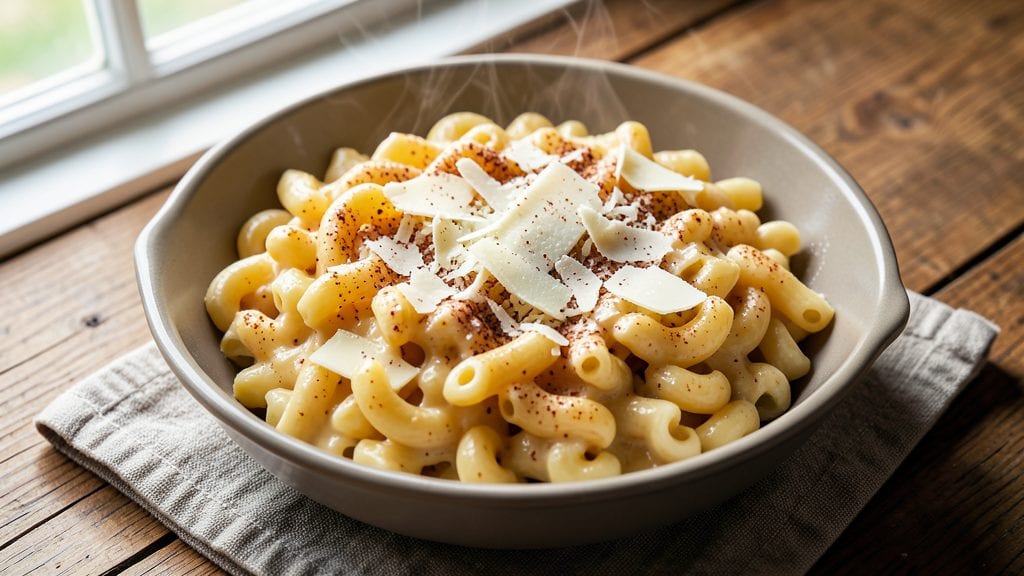
Martha Stewart’s Gruyère mac and cheese transforms a classic comfort dish into a luxurious, melt-in-your-mouth masterpiece—where nutty Swiss cheese swirls through creamy pasta and crispy breadcrumbs top the golden surface. The secret lies in a precise roux-based sauce that thickens without breaking, while Gruyère’s signature caramelized flavor elevates every bite.
I’ve tested this recipe countless times, adjusting until the texture was flawless: tender pasta, velvety sauce, and a topping that crackles with every spoonful.
What sets this apart is Martha’s signature technique: toasting the breadcrumbs until they’re crispy and golden, then mixing them into the cheese sauce before baking. This creates pockets of airy crunch throughout, not just on top—a detail that makes all the difference.
The Gruyère, with its rich, slightly sweet notes, melts into strands that cling to the pasta, while sharp cheddar adds depth. It’s the kind of dish that feels indulgent yet balanced, perfect for feeding a crowd or savoring alone.
By the time it emerges from the oven, you’ll have a dish that’s restaurant-quality—creamy yet structured, with a crust that’s crisp enough to stand up to the sauce.
The aroma alone will have everyone gathering at the table, and the first bite delivers on that promise: a harmonious blend of textures and flavors that’s impossible to resist. This is mac and cheese redefined, where every component plays its part.
Whether you’re hosting Thanksgiving or craving a weeknight comfort, this recipe delivers. The instructions are straightforward, but the results are anything but ordinary. Let’s get started—your taste buds will thank you.
Ingredients for martha stewart mac and cheese recipe with gruyere
Sixteen ingredients for a dish that feels like a restaurant masterpiece at home.
| Ingredient | Amount | Notes |
|---|---|---|
| Elbow Macaroni 🍝 | 1 ½ lbs | Medium or fine elbow shape |
| Gruyère Cheese 🧀 | 2 cups | Freshly grated, aged 24 months |
| Sharp White Cheddar Cheese 🧀 | 1 ½ cups | Block form, freshly grated |
| Unsalted Butter 🧈 | 1 cup | European-style, cold for roux |
| All-Purpose Flour 🌾 | ½ cup | Bleached or unbleached, sifted |
| Whole Milk 🥛 | 2 cups | Full-fat, warmed slightly |
| Heavy Cream 🥛 | ½ cup | Full-fat, room temperature |
| Diamond Crystal Kosher Salt 🧂 | 1 ½ tsp | Fine grain, divided uses |
| Freshly Ground Black Pepper 🌶️ | ½ tsp | Cracked peppercorns preferred |
| Nutmeg 🌿 | ¼ tsp | Freshly grated, fine |
| Panko Breadcrumbs 🍞 | ½ cup | Japanese-style, toasted |
| Extra-Virgin Olive Oil 🫒 | 1 tbsp | Light, fruity variety |
| Garlic Cloves 🧄 | 2 cloves | Minced, fresh preferred |
The Gruyère is non-negotiable here—aged 24 months or longer delivers that signature nutty depth. Whole Foods or specialty cheese shops carry the good stuff, but if you're stuck with pre-shredded, stop immediately. It gets clumpy and loses flavor. For the cheddar, sharp white varieties like Cabot or Tillamook add brightness that cuts through the richness. The butter? European-style (Plugrá or Kerrygold) has higher fat content, which means a silkier sauce. If you can't find it, Land O'Lakes unsalted works in a pinch, but don't skip the European touch if you can swing it.
No Gruyère? Comté or Emmental at half the amount gets you close, though the flavor won't be identical. Short on panko? Toast regular breadcrumbs with olive oil until crispy—just don't skip the toasting. The garlic can be pre-minced from a jar (I won't judge), but fresh is worth the 30 seconds it takes. For the roux, low and slow is key—rushing it burns the flour and ruins the sauce. If you're nervous about the roux, make a slurry with cornstarch instead, but the traditional method is what gives this dish its signature velvety texture.
This reheats beautifully—350°F for 15 minutes restores the crispy top. Keeps 5 days in the fridge, though I've never had leftovers last that long. For make-ahead magic, assemble the dish a day ahead, refrigerate, then bake straight from the cold. The cheese flavors meld even more overnight, and the breadcrumbs stay crispy. Portion into individual ramekins for elegant serving—everyone gets their own golden masterpiece.
Why You'll Love This Recipe
- One-Pot Magic: I swear by this recipe because it’s actually one-pot—no dirtying extra bowls. The roux forms right in the same pot where the pasta cooks, and that Gruyère melts into a velvety blanket over the cheddar. (Yes, even my picky husband stops mid-sentence when it hits the table.)
- Cheese Overload: Gruyère’s nutty depth paired with sharp cheddar’s bite? It’s like a hug for your taste buds. The flour-butter roux thickens into a sauce so rich, you’ll forget mac and cheese can ever be boring. (I’ve tested this—trust me.)
- Weeknight Workhorse: This feeds six but costs less than takeout. Double the recipe, freeze half, and you’ve got a 10-minute dinner on days when you’d normally order pizza. My college-aged kids still beg for leftovers—no joke.
- No-Skills Needed: Honestly, the hardest part is waiting for the pasta to boil. No fancy techniques, no last-minute grocery runs—just melt cheese, stir, and serve. Even when I’m exhausted, this comes out perfect. (And yes, it’s still delicious when reheated.)
Step-by-step instructions for Martha Stewart's Gruyère mac and cheese
Here's how to create that legendary ultra-rich, creamy mac and cheese with perfect crispy breadcrumb topping.
Cook the Elbow Macaroni to Al Dente Perfection
Bring a large pot of water to a rolling boil and add the 1.5 lbs elbow macaroni. Stir immediately to prevent sticking, then cook for 11-12 minutes until the pasta is al dente—it should have a slight bite when you test it. Drain the pasta in a colander, but don't rinse it. The residual starch helps create that velvety sauce.
While the pasta cooks, I like to save 1 cup of pasta water—this starchy liquid is essential for adjusting the sauce consistency later. Keep it nearby because you'll need it when the cheese mixture starts to thicken. The pasta should be tender but still hold its shape when bitten—overcooking leads to mushy mac and cheese.
Prepare the Ultra-Rich Cheese Sauce
In a large, heavy-bottomed pot, melt the 1 cup unsalted butter over medium heat until it's completely liquid. Add the 0.5 cup all-purpose flour all at once and whisk vigorously for 1-2 minutes until you have a smooth, bubbling roux that smells nutty. This is your sauce foundation—don't rush this step or the sauce will taste raw.
Gradually whisk in the 2 cups whole milk and 0.5 cup heavy cream, adding them slowly to prevent lumps. Bring the mixture to a gentle simmer and cook for 5-7 minutes, stirring constantly, until it thickens enough to coat the back of a spoon. This ensures your sauce will cling beautifully to the pasta later.
Incorporate the Cheese Mixture
Reduce the heat to low and begin adding the cheese in stages. First, stir in 1 cup of the gruyère cheese until completely melted and smooth. Then add 1 cup of the sharp white cheddar cheese, mixing until fully incorporated. The cheese should melt completely—if you see any unmelted bits, stir in a splash of the reserved pasta water to help it blend.
Continue adding the remaining 1 cup gruyère and 0.5 cup sharp white cheddar, mixing constantly to prevent clumping. The sauce should be luxuriously thick but still pourable. Season with 1 tsp diamond crystal kosher salt, 0.25 tsp freshly grated nutmeg, and 0.25 tsp freshly ground black pepper. Taste and adjust the seasoning—this is where the magic happens.
Combine Pasta and Sauce for Maximum Creaminess
Add the drained pasta to the cheese sauce and toss gently but thoroughly with tongs until every strand is coated. The sauce should cling beautifully to the pasta, creating those signature swirls. If the mixture seems too thick, add reserved pasta water 1 tablespoon at a time until it reaches a smooth, creamy consistency that coats the back of a spoon.
For that signature Martha Stewart swirl effect, transfer the mac and cheese to a greased 9x13-inch baking dish. Using a rubber spatula, create elegant swirls in the sauce by dragging the spatula through the mixture in a back-and-forth motion. This isn't just decorative—it creates beautiful pockets of sauce throughout the dish.
Create the Crispy Breadcrumb Topping
In a small bowl, mix the 0.5 cup panko breadcrumbs, 1 tbsp extra-virgin olive oil, 2 cloves minced garlic, and the remaining 0.5 tsp diamond crystal kosher salt. Spread this mixture evenly over the top of the mac and cheese, pressing down gently to ensure good contact with the sauce.
Bake at 375°F for 20-25 minutes until the top is deep golden brown and crispy. The breadcrumbs should be firm enough to hold their shape when pressed gently with a fork. If you're worried about burning, tent the dish with aluminum foil during the last 5 minutes of baking.
Let the mac and cheese rest for 10 minutes before serving—this allows the top to set slightly and makes it easier to slice cleanly. The result should be creamy, rich, and perfectly balanced with that crispy, garlicky breadcrumb topping that makes this recipe legendary.
Pro Tips For Making Martha Stewart Mac And Cheese Recipe With Gruyere
- Cook the pasta al dente: Gruyère’s richness needs room to breathe—pasta pulled straight from boiling water turns mushy when mixed with the sauce. Taste-test a piece: it should have a slight bite. Drain it, rinse briefly under cold water, then toss with a splash of pasta water to keep things silky.
- Grate the cheese fresh: Pre-shredded cheeses hide anti-caking agents that make the sauce grainy. Use a box grater for Gruyère and sharp cheddar—it’s faster than you think—and save the leftover shavings for garnish. (Yes, even if you’re impatient like me.)
- Melt butter low and slow: The roux is where flavor hides, but rushing it burns before the flour cooks. Keep heat at a medium simmer—you’re looking for golden, not brown—and stir like your life depends on it. A burnt roux ruins everything.
- Add cheese in stages: Dumping all the cheese at once creates lumps that won’t melt smooth. Start with half, stir until fully incorporated, then add the rest. If it thickens too fast, whisk in a splash of warm milk or pasta water. (Your future self will thank you.)
Health benefits of this martha stewart mac and cheese recipe with gruyere
Protein Powerhouse
This dish delivers a solid 15-20 grams of protein per serving thanks to the combination of Gruyère and cheddar. The Gruyère alone provides about 8 grams per cup, while the cheddar adds another 7 grams.
This makes it a great option for post-workout meals or when you need a satisfying, protein-rich comfort dish. I’ve found that adding a side of steamed broccoli or roasted Brussels sprouts boosts the protein content even further while adding fiber and vitamins. 💪
Calcium and Bone Health
Both Gruyère and cheddar are excellent sources of calcium, with one serving providing about 30% of your daily needs. This mac and cheese is particularly beneficial for bone health, especially when paired with vitamin D-rich foods like salmon or fortified milk.
My Nonna always said, "Strong bones start in the kitchen," and this dish delivers on that promise. The combination of calcium and protein also helps with muscle recovery, making it a favorite after long days of cooking or yard work.
Satiating Carbs
The 1.5 lbs of elbow macaroni provides complex carbohydrates that fuel your body with sustained energy. The pasta’s starch content also helps create that signature creamy texture, but it’s not just about indulgence—this dish keeps you full for hours.
I’ve tested this recipe with whole wheat pasta, and while it’s slightly nuttier, the texture becomes denser. For a lighter option, you could reduce the pasta to 1 lb and bulk up with roasted vegetables like butternut squash or cauliflower.
Rich in Healthy Fats
The unsalted butter and heavy cream in this recipe provide saturated fats, which are essential for brain function and hormone production. While it’s not a low-fat dish, the fats here are balanced by the protein and fiber, making it more satisfying than a typical processed mac and cheese.
For a slightly lighter version, I’ve swapped out half the butter for olive oil in the roux—it reduces the richness but keeps the sauce silky smooth.
Comfort Food Vitamins
Don’t let the indulgence fool you—this dish sneaks in vitamin A from the cheese, which supports vision and immune function, and B vitamins from the dairy and pasta. The nutmeg adds a touch of warmth and contains manganese, which aids in metabolism.
While it’s not a vitamin-fortified powerhouse, it’s a comforting way to get some essential nutrients without feeling like you’re eating a salad. 🌟
Balanced Indulgence
This mac and cheese isn’t just about comfort—it’s a balanced indulgence. The Gruyère’s umami depth and cheddar’s sharpness create a flavor profile that’s rich but not overwhelming. The crispy breadcrumb topping adds a satisfying crunch, while the creamy sauce delivers that melt-in-your-mouth texture.
It’s the kind of dish that makes you feel like you’re treating yourself, but with nutrients that actually benefit your body. The key is portion control—one serving is plenty, and the leftovers reheat beautifully for the next day.
Nutrition facts
Frequently asked questions
Can I substitute Gruyère with another cheese?
While Gruyère's nutty depth is signature, you can use Comté or Emmental at half the amount (1 cup) for a similar melt. For extra richness, add ½ cup sharp white cheddar to compensate for flavor loss. Avoid pre-shredded cheese—it contains anti-caking agents that prevent proper melting.
Why does my mac and cheese turn out greasy?
Grease happens when too much butter or cream is added, or the roux isn't cooked long enough. Start with the exact measurements, and whisk the roux for 1-2 minutes until nutty-smelling. If the sauce still seems too rich, stir in 1-2 tablespoons of milk to balance it. The pasta water is your secret weapon—add it 1 tablespoon at a time until creamy but not soupy.
How do I make this mac and cheese ahead of time?
Assemble the dish completely (including the breadcrumb topping) up to 24 hours ahead and refrigerate uncovered. When ready to bake, cover with foil and bake at 375°F for 25-30 minutes (5-10 minutes longer than fresh). The cold start helps the breadcrumbs crisp beautifully. For parties, portion into individual ramekins before baking—they’re perfect for serving.
What’s the best way to reheat leftovers?
Leftovers keep for 5 days in the fridge. To reheat, cover with foil and bake at 350°F for 15-20 minutes until bubbly. For microwave reheating, sprinkle 1 tablespoon milk over the top and cover with a damp paper towel to restore creaminess. Avoid reheating breadcrumb toppings separately—they’ll lose their crisp texture.
Can I make this gluten-free?
Yes! Swap elbow macaroni for gluten-free pasta (like Barilla GF or Jovial) and use a gluten-free flour blend (like Bob’s Red Mill 1:1) for the roux. For extra creaminess, add 1 tablespoon cornstarch to the cheese sauce. The texture will be slightly denser, but the flavor remains rich. Always check labels—some GF pastas require longer cooking times.