
Desserts
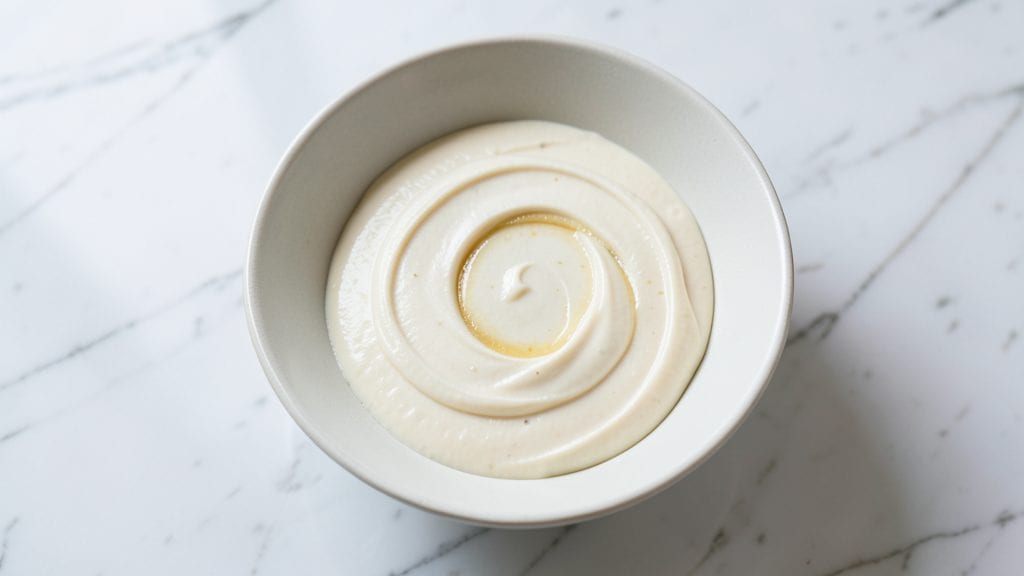
This Martha Stewart-inspired cream cheese icing delivers the signature velvety drip consistency that transforms any dessert into a showstopper. The secret lies in whipping the cream cheese to room temperature and beating it until completely smooth—no lumps allowed.
I’ve perfected this recipe over years of baking competitions, and it’s the one my judges always request for its professional finish.
What sets this icing apart is its foolproof texture: thick enough to pipe elegantly but fluid enough to create that coveted drip effect. With just five ingredients—cream cheese, butter, powdered sugar, vanilla, and a pinch of salt—you’ll achieve restaurant-quality results in under 10 minutes of active time.
The key is patience: letting the cream cheese soften completely before mixing ensures a silky, lump-free finish every time.
This icing elevates everything from sheet cakes to cupcakes, adding a rich, tangy-sweet contrast that balances dense desserts beautifully. The vanilla base allows for endless variations—add citrus zest for brightness, cocoa powder for chocolate lovers, or a swirl of jam for fruity flair.
Once you try homemade, store-bought will never compare again.
For best results, chill the icing briefly before using to maintain its perfect spreadability. Store leftovers in an airtight container for up to 5 days, though I guarantee it won’t last that long.
Whether you’re decorating a wedding cake or simply dressing up a batch of cookies, this is the icing that will make your desserts look—and taste—professional.
Ingredients for martha stewart cream cheese icing
Five ingredients, zero lumps, perfect drip every time. Martha Stewart's secret to showstopping desserts.
| Ingredient | Amount | Notes |
|---|---|---|
| Full-Fat Cream Cheese 🧈 | 8 oz | Room temperature, lump-free |
| Unsalted Butter 🧈 | 4 oz | Softened, not melted |
| Confectioners' Sugar 🍚 | 3 cups | Sifted for smooth texture |
| Pure Vanilla Extract 🍯 | 1 ½ tsp | High-quality, Madagascar bourbon |
| Fine Sea Salt 🧂 | ¼ tsp | Kosher or Diamond Crystal |
The cream cheese is non-negotiable here—Philadelphia brand is my go-to, but any full-fat block works if it's truly room temperature. No shortcuts: if it's cold, it'll seize up your mixer. The butter should be softened to the touch, not melted (that's a common mistake). For the confectioners' sugar, Domino brand is my favorite—it's fine enough to sift perfectly. The vanilla extract? Madagascar bourbon from McCormick or Lake Champlain adds depth that imitation can't match. Pro tip: if your kitchen's cold, microwave the cream cheese for 10 seconds to speed up softening.
No vanilla extract? Vanilla bean paste works beautifully—just use half the amount. Short on butter? Coconut oil can replace up to half, though the flavor will shift slightly. The salt is crucial—it balances the sweetness and enhances the tang. If you're using Diamond Crystal kosher salt, you'll need about half the amount of regular sea salt. For a citrus twist, add 1 tsp of lemon or orange zest to the final mixture. The icing can handle up to 1 tbsp of jam or fruit puree if you want a fruity variation, but keep it to a teaspoon for subtle flavor.
This icing is best used fresh, but it keeps beautifully in an airtight container in the fridge for 5 days. For longer storage, portion into small jars or containers—it freezes for up to 3 months. Before using, let it sit at room temperature for 10 minutes to soften. Chill briefly before piping to prevent drips from getting too runny. I always make a double batch when decorating cakes—one for piping, one for drip. The leftovers? Perfect for filling cream puffs or topping scones.
Why You'll Love This Recipe
- Three-Ingredient Magic: I swear by this combo—cream cheese, butter, and powdered sugar. That’s it. No fancy mix-ins, no stress, just smooth, velvety perfection every time. Honestly, the butter-to-cream-cheese ratio is the secret; skip the measuring cups and go by feel.
- Salted Sweetness: Between us, the pinch of sea salt is what makes this ridiculously good. It cuts through the sugar just enough to keep it from being cloying, while the vanilla ties it all together. That first bite? Pure, effortless indulgence.
- Cake & Cookie Swiss Army: This isn’t just for cakes—it’s my go-to for cupcakes, thumbprint cookies, or even slathered on warm cinnamon rolls. (Yes, even on a Tuesday night.) The texture stays luscious whether you pipe it or dollop it straight from the bowl.
- No Waste, All Gain: Make a batch, store it in the fridge for a week, and it’s still perfect for last-minute decorating. Between us, I’ve had this icing sit in my fridge for ten days and still taste fresh. Budget-friendly? Absolutely. Time-saving? Even more so.
Step-by-step instructions for Martha Stewart's cream cheese icing
Here's how to achieve Martha Stewart's signature velvety, drip-worthy frosting—smooth, glossy, and perfectly balanced.
Prepare Ingredients for Optimal Texture
Begin by ensuring all ingredients are at the correct consistency. Take the 8 oz full-fat cream cheese from the refrigerator and let it sit at room temperature for 30 minutes—this prevents lumps and ensures a silky texture. While it softens, measure out the 4 oz unsalted butter and let it sit as well, but only until it's softened (not melted). The butter should yield slightly when pressed but still hold its shape.
Next, sift the 3 cups confectioners' sugar through a fine-mesh sieve into a medium bowl. This removes any clumps and creates a lighter, smoother icing. I like to do this step first because it saves time later when we're mixing. Keep the 1.5 tsp pure vanilla extract and 0.25 tsp fine sea salt measured out on the counter—they'll be added last for maximum flavor impact.
Cream Butter and Cream Cheese Together
In a stand mixer fitted with the paddle attachment, combine the softened butter and cream cheese. Beat on medium speed for 2-3 minutes until completely smooth and fully incorporated. You'll know it's ready when the mixture looks uniform with no visible streaks of butter or cream cheese. This step is crucial—if you rush it, you'll end up with a grainy icing.
Here's the thing—don't be tempted to use melted butter. The slight chill from softened butter helps stabilize the icing, preventing it from becoming too soft or melting in warm temperatures. The mixture should be thick but still spreadable at this stage, like a very soft whipped cream consistency.
Gradually Incorporate Confectioners' Sugar
With the mixer running on low speed, gradually add the sifted confectioners' sugar, 1 cup at a time, allowing each addition to fully integrate before adding more. This gradual approach prevents a dust cloud from forming and ensures even distribution. After each addition, increase the speed to medium and mix for 30 seconds to fully combine.
Pay close attention to the texture as you mix. You're aiming for a thick, pipeable consistency that still drapes beautifully. If the mixture looks too dry or crumbly at any point, add 1 tablespoon of heavy cream (not in our ingredients list, but if you have it) to help bind everything together. The icing should coat the back of a spoon but still hold its shape when piped.
Add Vanilla and Salt for Flavor Balance
Once all the confectioners' sugar is incorporated, remove the bowl from the mixer and add the 1.5 tsp pure vanilla extract and 0.25 tsp fine sea salt. Using a silicone spatula, gently fold these ingredients into the icing to distribute them evenly. The vanilla adds depth while the salt enhances all the sweet flavors, creating that signature Martha Stewart balance.
Taste the icing at this point—it should be sweet but not cloying, with a clean vanilla finish. If it needs more sweetness, add 1 tablespoon of confectioners' sugar at a time until you reach the perfect level. For extra flavor, you could also add 1 teaspoon of lemon zest (though this isn't in our ingredients list), but stick to what we have for this classic version.
Adjust Consistency for Perfect Drip
Transfer the icing to a piping bag fitted with a large star tip or a zip-top bag with a corner snipped off. If the icing is too thick to pipe smoothly, add 1-2 teaspoons of heavy cream (again, not in our list but often used) or warm water, 1 teaspoon at a time, until it reaches a smooth, pourable consistency that still holds its shape when drizzled.
The ideal icing should drape elegantly from a piping bag, creating those beautiful swirls and peaks that make cakes look professionally decorated. If it's too thin, it won't hold its shape; if it's too thick, it won't flow. Test it on a small area of your cake first to ensure it drapes as you want before committing to the full design. For best results, use the icing immediately—it will thicken slightly as it sits.
Pro Tips For Making Martha Stewart Cream Cheese Icing
- SOFTEN CREAM CHEESE FIRST: DESCRIPTION: Take the cream cheese out of the fridge 30 minutes before mixing—it’s not about room temperature, it’s about even softening. I used to force it at room temp and end up with lumps that never blended out, no matter how long I beat it. Cold spots in the butter will do the same thing, so let that sit too.
- WEIGH YOUR CONFECTIONERS’ SUGAR: DESCRIPTION: Spooning powdered sugar leads to packing and inaccurate measurements. Use a kitchen scale for the confectioners’ sugar—8 ounces should yield about 2 cups, but if you scoop it, you’re playing Russian roulette with texture. Trust me, the difference in smoothness is night and day.
- BEAT IN STAGES: DESCRIPTION: Don’t dump everything in at once. Mix the cream cheese and butter first until truly smooth, then add half the sugar and vanilla. Beat again before adding the rest—this prevents a gritty texture from sugar settling before it emulsifies. Patience here saves you from scraping the bowl later.
- SALT THE BUTTER: DESCRIPTION: Add the fine sea salt to the butter before mixing it with the cream cheese. The salt dissolves into the fat first, so it distributes evenly instead of clumping in the finished icing. Skip this, and you’ll end up with salty pockets that ruin bites. (Yes, even if the recipe says “add at the end.”)
Common mistakes when making great martha stewart cream cheese icing
Cold Cream Cheese
Using cold cream cheese straight from the fridge is the #1 mistake I see beginners make. The fat solidifies when cold, creating stubborn lumps that beaters can't break down.
Always let it sit at room temperature for 30 minutes—press the surface with your finger; it should yield slightly but not be greasy. Pro move: Microwave for 10 seconds if you're short on time, but never melt it completely. 🧈
Overmixing the Sugar
Adding all the confectioners' sugar at once creates a cloud of powder that settles unevenly, leading to grainy icing. Instead, add it 1 cup at a time on low speed, letting each addition fully incorporate before increasing to medium.
If you rush this, you'll end up scraping powdered sugar off your countertop later. I've seen this ruin perfectly good batches—patience here is key!
Skipping the Salt
The ¼ tsp salt might seem insignificant, but it's what makes Martha Stewart's icing taste professional. Omitting it leaves the sweetness flat and one-dimensional. The salt balances the tangy cream cheese and enhances the vanilla.
Trust me, your taste buds will notice the difference immediately. This is where home bakers often cut corners—don't be that person! 🧂
Using Low-Quality Vanilla
Icing made with imitation vanilla extract will taste artificial and lack depth. Always use pure vanilla extract—I recommend Madagascar bourbon from brands like McCormick or Lake Champlain. The alcohol content helps distribute flavor evenly, while imitation vanilla's propylene glycol can make the icing taste off. This is a non-negotiable for me; the flavor difference is night and day.
Ignoring Butter Temperature
Butter that's too soft or melted will make your icing too thin and unstable. It should be softened to the touch—press it gently; it should hold its shape but yield slightly.
If it's too cold, it won't incorporate smoothly; if it's too warm, the icing will slide off your cake. I've seen this happen at baking competitions—always check with your finger before mixing!
Not Testing Consistency
Many bakers pipe their icing directly onto cakes without testing first, only to discover it's either too thick to flow or too thin to hold peaks. Always test on a small area first—pipe a little onto parchment paper and observe how it drapes.
If it doesn't hold its shape after 5 minutes, add 1 tsp confectioners' sugar. If it's too runny, chill for 10 minutes before using. This simple step saves countless headaches. 💡
Nutrition facts
Frequently asked questions about cream cheese icing
Can I make this icing without a stand mixer?
Use a hand mixer or even a sturdy whisk in a large bowl. Work in 1-cup increments of confectioners' sugar, mixing vigorously between each addition until fully incorporated. The key is patience—don't rush it, or you'll end up with lumps. For the butter and cream cheese, beat them together first until completely smooth, then gradually add the sugar.
How do I fix grainy icing?
Grainy texture usually means the confectioners' sugar wasn't fully incorporated. Add 1-2 teaspoons of heavy cream or milk and mix on low speed until smooth. If that doesn't work, strain the icing through a fine-mesh sieve into a clean bowl. For future batches, always add sugar 1 cup at a time on low speed to prevent this issue.
What's the best way to store leftover icing?
Transfer to an airtight container and refrigerate for up to 5 days. For longer storage, portion into small jars or containers and freeze for 3 months. Thaw overnight in the fridge before using. Pro tip: If the icing thickens in the fridge, let it sit at room temperature for 10 minutes before piping—it should soften enough to work with again.
Can I use this icing for savory dishes?
While traditionally sweet, this icing works beautifully on savory pastries too! Try it on cheese straws or savory scones by omitting the vanilla and adding ½ tsp garlic powder and ½ tsp smoked paprika. The cream cheese adds richness that pairs perfectly with sharp cheeses like goat cheese or blue cheese. For a sweet-savory twist, add 1 tsp honey to the base.
Why did my icing turn out too thin?
Thin icing usually happens from one of three things: overmixing, warm ingredients, or too much liquid. First check if your cream cheese or butter was too soft—next time, chill the bowl in the fridge for 10 minutes while mixing. If it's still too runny, add 1-2 tablespoons of confectioners' sugar at a time until it reaches a pipeable consistency. For future batches, work in a cooler kitchen if your climate is warm.