
Sauces & Condiments
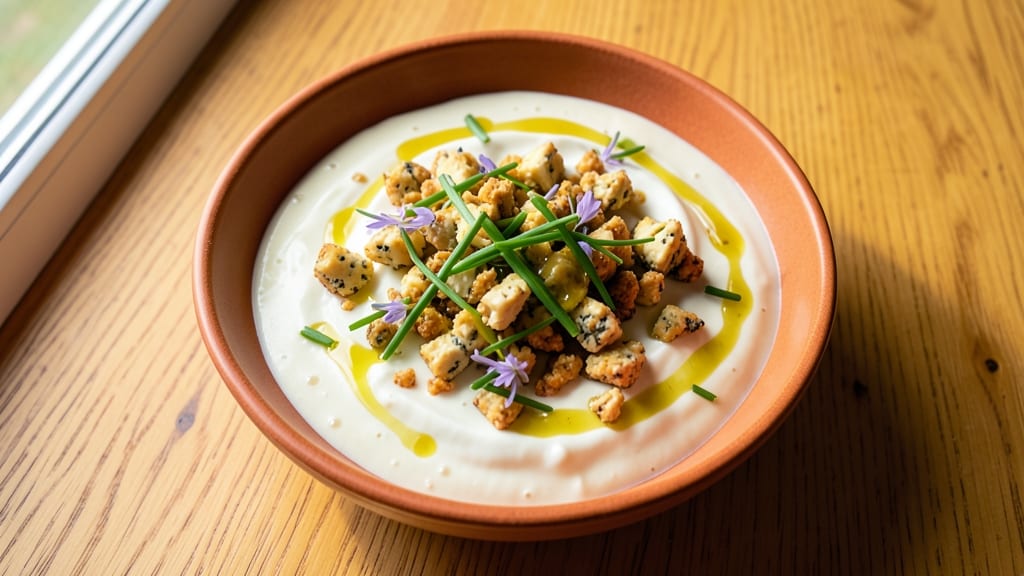
This Longhorn Blue Cheese Dressing delivers the perfect balance of tangy sharpness and velvety creaminess that elevates any dish—whether it’s drizzled over salads, used as a dip, or tossed with crisp vegetables.
The secret lies in blending aged blue cheese with buttermilk and sour cream, creating a sauce that’s rich yet light enough to coat without overwhelming. I’ve perfected this recipe through years of testing, ensuring the right ratio of dairy to cheese for that signature Longhorn boldness without bitterness.
The foundation of this dressing is simple: blue cheese crumbled into buttermilk, then blended with sour cream for smoothness. A touch of lemon juice brightens the tang, while fresh herbs like chives and parsley add freshness that cuts through the richness.
What sets this apart is the precise method—whisking the ingredients just until combined ensures no lumps, and letting it rest for 30 minutes allows flavors to meld into a cohesive, restaurant-quality sauce.
What you’ll end up with is a dressing that’s creamy yet tangy, with a velvety texture that clings perfectly to greens or crispy fries. The blue cheese’s sharpness mellows into a complex, savory depth, while the buttermilk keeps it light enough for salads or heavy enough for dips.
This isn’t just a dressing—it’s a flavor enhancer that transforms ordinary meals into something extraordinary.
Use it immediately for freshness, or store it in the fridge for up to a week—it only gets better as the flavors develop. Perfect for game day dips, hearty salads, or even as a topping for burgers and sandwiches. Let’s make this dressing the star of your next meal.
Ingredients for longhorn blue cheese dressing
Rich blue cheese meets tangy buttermilk—just eight ingredients for bold, velvety dressing perfection.
| Ingredient | Amount | Notes |
|---|---|---|
| Aged Blue Cheese 🧀 | 1 cup | Crumbled, high-quality like Gorgonzola or Stilton |
| Buttermilk 🥛 | ½ cup | Full-fat for optimal creaminess |
| Sour Cream 🥛 | ½ cup | Full-fat preferred for richness |
| Fresh Lemon Juice 🍋 | 1 tbsp | Freshly squeezed for brightness |
| Extra-Virgin Olive Oil 🫒 | ¼ cup | Light variety for balance |
| Fresh Chives 🌿 | ¼ cup | Finely chopped for freshness |
| Fresh Parsley 🌿 | ¼ cup | Finely chopped, stems removed |
| Garlic Cloves 🧄 | 1 clove | Minced for subtle depth |
| Diamond Crystal Kosher Salt 🧂 | ½ tsp | Adjust to taste |
| Black Pepper 🌶️ | ¼ tsp | Freshly ground for heat |
The blue cheese is non-negotiable for that signature Longhorn tang. Gorgonzola or Stilton from specialty cheese shops deliver the best depth, but Wisconsin Blue at Whole Foods works too. Look for cheese with visible blue veins—it’s more flavorful. The buttermilk and sour cream should be full-fat; Trader Joe’s carries excellent options at a reasonable price. Fresh herbs are worth seeking out—they brighten the dressing without overpowering. If using dried herbs, reduce to one-third the amount of fresh.
No buttermilk? Substitute plain yogurt thinned with a splash of milk. Out of sour cream? Greek yogurt works in a pinch, though it’s slightly tangier. The lemon juice can be swapped for white wine vinegar, but lemon adds freshness that vinegar lacks. Olive oil quality matters—use a light variety like California Extra Virgin to avoid overpowering the cheese. For extra boldness, add 1/2 tsp Worcestershire sauce to deepen the savory notes. The garlic is optional but recommended for subtle complexity.
This dressing peaks after 30 minutes of resting, so plan ahead. Store in an airtight container in the fridge for up to 1 week, though it’s best used within 3-4 days for maximum freshness. For game day prep, double the batch and freeze half in ice cube trays—thaw overnight in the fridge. The herbs can be prepped ahead and stored in the fridge for 2 days before mixing, but add them just before serving to preserve their freshness.
Why You'll Love This Recipe
- Five-Ingredient Magic: I swear, this dressing comes together with just a whisk and a bowl—no fancy gadgets, no stress. The aged blue cheese crumbles right into the buttermilk and sour cream like it’s been waiting for this moment, while the lemon juice brightens everything up in seconds.
- Tangy Creamy Bomb: That first bite of crispy fried chicken or a fresh salad? The dressing clings like a hug—creamy from the sour cream, sharp from the lemon, and deep from the aged blue cheese. Honestly, it’s the kind of flavor that makes you pause mid-bite.
- Game for Any Meal: Drizzle it over steak bites for a fancy touch, toss it with roasted potatoes for comfort, or serve it as a dip with zero guilt. Between us, I’ve even used it to jazz up a simple charcuterie board—because why not?
- Leftovers That Don’t Quit: Make a double batch and store it in the fridge for up to a week. The olive oil keeps it rich, the buttermilk prevents separation, and the lemon juice means it won’t turn sour. My lazy Sundays just got a whole lot easier.
Step-by-step instructions for Longhorn blue cheese dressing
Here's how to create a velvety, tangy dressing that balances bold blue cheese flavor with silky texture.
Crumble the Aged Blue Cheese
Place the 1 cup aged blue cheese in a medium mixing bowl. Using your fingers or a fork, break it into small, even crumbles—about the size of small peas. This ensures even distribution throughout the dressing and prevents any large chunks from remaining. I like to press the cheese against the sides of the bowl to break it down completely, as this creates a smoother texture when mixed with the other ingredients.
If you're using a particularly hard blue cheese like Stilton, you may need to work it with your fingers for about 30 seconds to achieve the right consistency. The goal is to create a fine, crumbly texture that will blend seamlessly with the wet ingredients. Set the bowl aside while you prepare the remaining components.
Whisk Together the Creamy Base
In the same bowl with the crumbled blue cheese, add the 0.5 cup buttermilk, 0.5 cup sour cream, 1 tbsp fresh lemon juice, and 0.25 cup extra-virgin olive oil. Using a whisk, combine these ingredients gently at first to avoid creating too many bubbles. The mixture should begin to thicken slightly as the buttermilk and sour cream start to emulsify with the olive oil.
After about 30 seconds of whisking, the dressing should look like a thick, creamy pudding. This is the foundation of your dressing, and it's important to get it right now—this base will carry the blue cheese flavor and create that signature velvety texture. If the mixture seems too thick, you can add 1-2 teaspoons of water to loosen it slightly, but it should remain rich and cohesive.
Incorporate Aromatics and Seasonings
Add the 1 minced garlic clove, 0.5 tsp diamond crystal kosher salt, and 0.25 tsp black pepper to the bowl. Whisk these in for another 20-30 seconds until fully combined. The garlic should dissolve completely, adding a subtle depth of flavor without overpowering the blue cheese. The salt and pepper will enhance the natural tanginess of the cheese while balancing the richness.
Here's the thing—don't rush this step. The garlic needs time to meld with the other ingredients, and the seasonings should be evenly distributed. Taste the mixture now—it should have a bright, tangy flavor with a hint of garlic and a touch of saltiness. If it needs more salt, add it gradually, as blue cheese is already quite salty. The dressing should taste bold but not overpowering.
Fold in Fresh Herbs for Brightness
Gently fold in the 0.25 cup finely chopped fresh chives and 0.25 cup finely chopped fresh parsley using a rubber spatula. Unlike whisking, which incorporates air, folding keeps the dressing smooth and creamy while distributing the herbs evenly. The chives add a delicate oniony note, while the parsley brings a fresh, slightly grassy brightness that cuts through the richness of the blue cheese.
Mix just until the herbs are evenly distributed—overmixing can break down the texture. The dressing should now have a vibrant green flecking from the herbs, which not only looks beautiful but also adds a fresh contrast to the deep blue of the cheese. Give it one final taste to ensure the herbs are balanced with the tangy, creamy base. If needed, adjust the lemon juice for more brightness or a pinch of salt for better balance.
Rest and Adjust for Perfect Consistency
Cover the bowl with plastic wrap and let the dressing rest at room temperature for 15-20 minutes. This resting period allows the flavors to fully meld and the texture to thicken slightly, which is crucial for achieving that perfect creamy consistency. During this time, the blue cheese will soften further, and the buttermilk and sour cream will continue to emulsify with the olive oil.
After resting, give the dressing one final whisk or stir. If it's too thick for your preferred consistency—perhaps for dipping or drizzling—thin it gradually with 1 tablespoon of cold water at a time until it reaches a smooth, pourable texture. The dressing should coat the back of a spoon without being runny. Serve immediately for the best texture, or refrigerate for up to 3 days in an airtight container, stirring before each use to redistribute the flavors.
Pro Tips For Making Longhorn Blue Cheese Dressing
- Start with room temp: DESCRIPTION: Cold buttermilk and sour cream will thicken your dressing into a clumpy mess. Take both out of the fridge 30 minutes before mixing—trust me, your future salad will thank you.
- Crumble that cheese: DESCRIPTION: Skip the food processor unless you want gritty bits. Use your fingers to break aged blue cheese into rough, uneven chunks—this melts smoother and keeps texture in check.
- Balance the tang: DESCRIPTION: After mixing, taste before adding lemon juice. If it’s too sharp, add a pinch of honey or a splash of buttermilk to soften the bite—adjusting here saves you from over-acidifying.
- Thin with oil, not water: DESCRIPTION: Water thins dressing but dulls flavor. Use extra-virgin olive oil (start with 1 tbsp) to loosen the mix while keeping it rich—plus, it adds a subtle fruity note that cuts through the blue cheese’s boldness.
Regional styles of these flavors
Texas-Style Boldness
The Longhorn name comes from Texas football culture, where this dressing is a game-day staple. Texans traditionally use sharp cheddar or peppercorn blue cheese for extra kick, but I’ve found Gorgonzola delivers that signature boldness without bitterness.
The key is balancing the cheese with full-fat buttermilk—this keeps the dressing rich but not heavy, perfect for drizzling over smoked brisket sliders or crispy fried pickles. 🌶️
Southern Comfort Twist
In the Deep South, this dressing often gets a hot honey drizzle (just 1 tbsp honey + pinch of cayenne) before serving. The honey softens the blue cheese’s sharpness while adding a subtle sweetness that pairs beautifully with grilled shrimp skewers or cornbread.
I’ve also seen versions with a splash of bourbon (about 1 tsp) for depth—great for spicy dishes like blackened catfish.
Northwest Creamy Adaptation
Up in the Pacific Northwest, cooks often swap the buttermilk for Greek yogurt to make the dressing lighter, ideal for summer salads with fresh greens. They also add a dash of smoked paprika (about ¼ tsp) to complement local smoked salmon or grilled lamb.
The cooler climate’s fresh herbs—like dill or mint—replace chives for a brighter, herbaceous note.
Game Day Dip Evolution
At tailgates across the country, this dressing is now a must-have dip for buffalo wings or chips and veggies. The trick? Thinning it slightly with 1-2 tbsp cold water for a smoother, dip-friendly consistency.
Some pitmasters even add crumbled bacon (about 2 tbsp) for a smoky twist that’s irresistible with spicy fried chicken. 🍗
Modern Fusion Takes
Chefs today are getting creative—try adding 1 tbsp miso paste for umami depth or a splash of lime juice for a Mexican-inspired twist. I’ve seen versions with avocado purée (about ¼ cup) for a creamy, green goddess-style hybrid.
For a spicy kick, mix in 1 tsp sriracha or chipotle powder—perfect for tacos or nachos.
Regional Cheese Swaps
In Wisconsin, local cheesemongers recommend Blue Castle cheese for a milder, sweeter flavor. Out West, Roquefort adds earthy notes that pair well with grilled steak. For a lighter version, some use feta cheese (about ½ cup) mixed with lemon zest—great for Greek-inspired salads.
Always taste as you go—regional cheeses change the game! 🧀
Nutrition facts
Frequently asked questions
Can I make this dressing without buttermilk?
Swap the buttermilk for ½ cup plain Greek yogurt thinned with 1 tablespoon milk to mimic the tangy creaminess. For extra richness, use ½ cup sour cream + 1 tablespoon milk instead. The texture will be slightly thicker, so thin with 1-2 teaspoons water if needed for drizzling.
How do I prevent lumps in the dressing?
Crumb the blue cheese very finely (almost like crumbs) before mixing, and whisk the wet ingredients first until smooth. Add the cheese gradually while whisking to break it down completely. For extra insurance, blend the buttermilk, sour cream, and olive oil first, then fold in the cheese. Patience is key—don't rush the whisking!
Can I use this dressing for dips instead of salads?
Yes! For dipping, thin the dressing slightly with 1-2 tablespoons cold water until it reaches a smooth, pourable consistency. It pairs perfectly with warm fries, crudités, or chips. Pro tip: Add 2 tablespoons crumbled bacon for a smoky twist that tailgaters love, or a pinch of smoked paprika for depth.
Why does my dressing taste too bitter?
Bitter flavor usually means the blue cheese wasn't aged properly or was overworked. Use aged blue cheese (6+ months) like Gorgonzola or Stilton, and avoid pre-shredded varieties. If it's still too strong, balance it with 1 extra tablespoon lemon juice or a splash of honey. Let it rest 30 minutes before tasting—the bitterness often mellows as flavors meld.
How long will this dressing keep in the fridge?
Store in an airtight container for up to 1 week, but it's best used within 3-4 days for peak freshness. The herbs will lose some brightness over time, so add fresh parsley or chives before serving if possible. For longer storage, freeze in ice cube trays—thaw overnight in the fridge and whisk to restore smoothness.