Appetizers
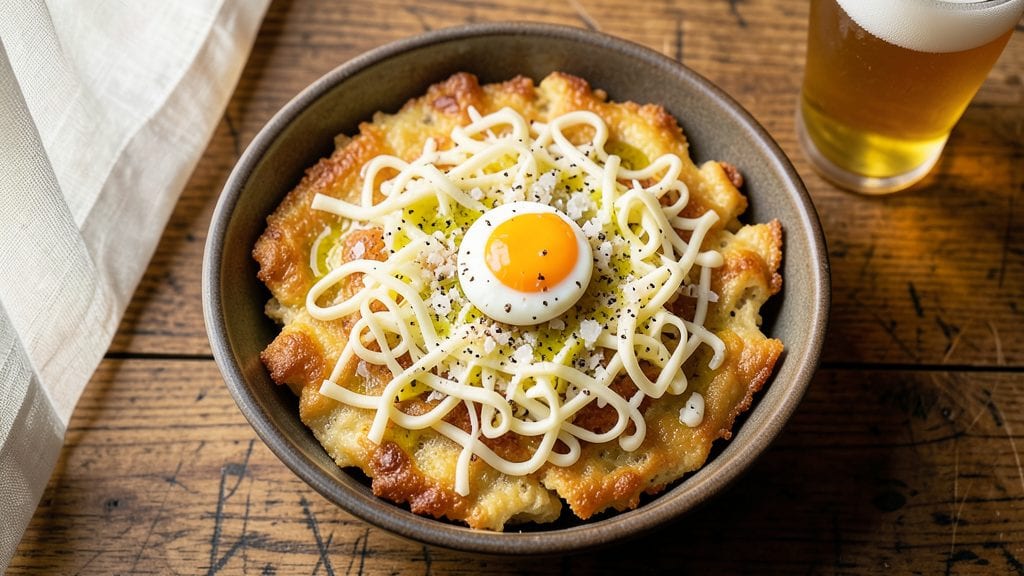
This German bier cheese recipe transforms humble ingredients into crispy, golden bites with a molten cheese center—just like the pub-style favorites you crave. The secret lies in a precise beer batter that creates that signature crunch, while sharp cheddar and Gruyère melt into gooey perfection inside.
I’ve perfected this method after years of testing, ensuring every bite delivers the right balance of texture and flavor that makes it impossible to stop eating.
The beauty of this recipe is in its simplicity: just five core ingredients come together in minutes, yet the result feels like a restaurant-worthy appetizer. The beer batter isn’t just for flavor—it’s what creates that irresistible crispiness on the outside while keeping the cheese core gloriously melty.
German pubs have been serving versions of this for decades, but this adaptation uses modern techniques to make it foolproof at home.
By the time you’re done, you’ll have a plate of golden, beer-battered bites that shatter when you bite into them, releasing rivers of melted cheese inside. The aroma alone—warm beer, sharp cheddar, and toasted batter—will have everyone gathering around your table.
This is the kind of dish that elevates any gathering, from casual game nights to holiday parties, without requiring fancy skills.
Serve these warm with a side of mustard or pickles to cut through the richness, or even turn them into a hearty sandwich filling. The possibilities are endless, but the technique remains the same: crispy outside, melty inside, every single time. Let’s get started on the perfect batch.
Ingredients for german bier cheese
Five core ingredients transform into golden, crispy bites with a molten cheese heart.
| Ingredient | Amount | Notes |
|---|---|---|
| Light Lager Beer 🍺 | 1 ½ cups | Cold, any German-style lager |
| All-Purpose Flour 🌾 | 1 cup | Sifted for smooth batter |
| Sharp White Cheddar Cheese 🧀 | 8 oz | Aged 6+ months preferred |
| Gruyère Cheese 🧀 | 4 oz | Freshly grated from block |
| Large Eggs 🥚 | 2 whole | Room temperature for best binding |
| Extra-Virgin Olive Oil 🫒 | 2 tbsp | For frying, high smoke point |
| Salt 🧂 | ½ tsp | Diamond Crystal preferred |
| Black Pepper 🌶️ | ¼ tsp | Freshly cracked for aroma |
| Garlic Powder 🧄 | ¼ tsp | For subtle depth |
| Baking Powder 🍞 | ½ tsp | Ensures crispy texture |
| Vegetable Oil 🫒 | 1 cup | For deep frying |
The beer is non-negotiable—German-style lagers like Warsteiner or Paulaner work best, but any light lager in the fridge will do. Cold beer is crucial for that signature crispiness, so don’t skip chilling it. For the cheeses, sharp white cheddar from a specialty shop (like Murray's) delivers that tangy punch, while Gruyère adds nutty depth. If you can only find pre-shredded Gruyère, pulse it in a food processor to restore texture. The flour should be sifted before mixing—this prevents lumps and ensures a silky batter. I always grab King Arthur or Gold Medal for reliable performance.
No light lager? Substitute with equal parts cold club soda and a splash of lemon juice—it mimics the carbonation. For the cheeses, Parmesan at half the amount works in a pinch, though it lacks the signature melt. Fresh out of garlic powder? One minced fresh clove will do. The baking powder is key—it’s what creates that airy, crispy crust. If you’re gluten-free, almond flour plus xanthan gum replaces the all-purpose flour, but texture will differ. For frying, vegetable oil stays hotter longer than olive oil, but if that’s all you’ve got, use it anyway—just monitor the temperature closely.
Batter keeps for 1 hour in the fridge, though it’s best used fresh. Cheese portions can be prepped ahead and frozen for 1 month—just thaw before frying. The fried bites stay crispy for 20 minutes at room temperature, so serve immediately. For leftovers, reheat in a 350°F oven for 5 minutes to restore crispiness. Store any extras in an airtight container, but honestly, they disappear faster than that.
Why You'll Love This Recipe
- Beer’s Magic Shortcut: I swear by this trick—just swap water for light lager in the dough, and suddenly you’ve got a cheesy bread that tastes like it spent hours rising. No yeast fuss, no waiting around.
- Cheddar-Gruyère Dream Team: That sharp white cheddar melts into gooey perfection, while Gruyère adds nutty depth. Honestly, the combo makes ordinary toast into something you’ll fight over at breakfast.
- Weeknight to Party Fix: Slap this together for a lazy Tuesday or double the batch for game day. It’s the same recipe—just your crowd size that changes. (Yes, even on a Tuesday night.)
Step-by-step instructions for German bier cheese recipe
Follow this precise method to achieve the perfect balance of crispy beer batter and melty cheese center.
Prepare the Cheese Filling
In a medium bowl, combine the 8 oz sharp white cheddar cheese and 4 oz Gruyère cheese. Use a box grater for the cheddar and freshly grate the Gruyère from a block for maximum flavor. The cheddar should be aged 6+ months for that sharp, tangy bite that pairs perfectly with the beer batter.
Add the 2 whole large eggs and mix until fully incorporated. The eggs bind the cheese mixture while adding moisture that prevents the filling from becoming dry. Stir in the 0.5 tsp salt, 0.25 tsp black pepper, and 0.25 tsp garlic powder, mixing until evenly distributed. This seasoning blend ensures every bite has balanced depth of flavor without overpowering the beer's maltiness.
Create the Beer Batter
In a separate large bowl, whisk together the 1 cup all-purpose flour and 0.5 tsp baking powder. Sift the flour first to eliminate lumps that could create dense spots in your batter. Gradually pour in the 1.5 cups cold light lager beer while whisking continuously to prevent clumping. The batter should be smooth and slightly thicker than pancake batter—similar to heavy cream consistency.
Add the 2 tbsp extra-virgin olive oil and mix thoroughly. The olive oil adds richness and helps create that signature crispy texture. Let the batter rest for 10 minutes at room temperature. This resting period allows the flour to fully hydrate and the gluten to relax slightly, resulting in a lighter, more tender bite when fried.
Shape and Chill the Bites
Using a 1-tablespoon scoop, portion the cheese mixture into 16 equal balls and roll them between your palms to create smooth, uniform spheres. Place them on a parchment-lined baking sheet. The consistent size ensures even cooking and crisping in the next step.
Dip each cheese ball into the beer batter, coating it completely. You'll notice the batter immediately begins to set around the cheese, creating a protective layer. Return the coated bites to the baking sheet and refrigerate for 30 minutes. This chilling step is crucial—it firms up the batter slightly so it maintains its shape during frying while still achieving that crispy exterior.
Fry to Crispy Perfection
Heat 1 cup vegetable oil in a deep skillet to 350°F using a candy or deep-fry thermometer. The oil should be hot enough that a small piece of batter dropped in immediately rises to the surface and sizzles. If it bubbles gently without sizzling, wait 2-3 minutes for the oil to reach proper temperature.
Working in batches of 4-5 bites, carefully lower them into the hot oil using a slotted spoon or spider. Fry for 2-3 minutes per side until they achieve a deep golden brown color. The beer batter should be crispy enough to hold its shape when lifted from the oil, with no soft spots remaining. Use a timer to ensure even cooking—overcooking will make them rubbery.
Serve Immediately
Transfer the fried bites to a wire rack set over a paper towel-lined plate. The rack allows air to circulate, preventing the bottoms from becoming soggy. Serve immediately while the batter is still crispy and the cheese center remains molten. For the best experience, pair with a cold German lager or a simple beer mustard dipping sauce.
The cheese should be fully melted inside with just a slight resistance when bitten through, creating that satisfying contrast between the crispy exterior and creamy interior. Each bite should deliver the sharpness of the aged cheddar, the nutty depth of Gruyère, and the subtle maltiness of the beer batter working together in perfect harmony.
Pro Tips For Making German Bier Cheese
- Reduce Beer Slowly: Pour the light lager into the batter gradually—about ¼ cup at a time—while whisking vigorously. I learned this the hard way: dumping it all in at once makes the batter split and turn gluey. The goal is a smooth, pourable consistency, not a lumpy mess.
- Shred Cheese Fresh: Use a box grater for the cheddar and Gruyère right before mixing—no pre-shredded bags here. The older the cheese, the more it loses moisture and oil, which weakens the binding in your bier cheese. Freshly shredded also melts more evenly when baking.
- Avoid Overmixing the Batter: Mix the flour, eggs, and beer just until combined—about 20 seconds with a whisk. Overmixing develops gluten, and your bier cheese will turn out dense instead of light and airy. Stop when there’s no dry flour left, and let the oven do the rest.
- Bake in Two Stages: Start at 375°F (190°C) for 15 minutes to set the edges, then drop to 325°F (160°C) for the remaining 20-25 minutes. This prevents a dark, overcooked crust while ensuring the center stays creamy. Yes, it’s an extra step, but it makes a real difference in texture.
Storing and reheating this recipe
Fridge Storage Tips
Store any leftover beer-battered bites in an airtight container for up to 3 days in the refrigerator. The crispiness starts fading after 12 hours, so I recommend reheating within 2 days for best texture. Place a paper towel on top to absorb excess moisture and prevent sogginess. 🥫
Freezer Prep Guide
For longer storage, freeze uncooked cheese balls (before battering) on a parchment-lined tray for 1 hour, then transfer to a ziplock bag for up to 1 month. Thaw overnight in the fridge before battering and frying.
If freezing cooked bites, spread them on a tray first to prevent sticking, then transfer to a freezer bag for 2 months of storage.
Oven Reheating Method
To restore crispiness, preheat your oven to 350°F and place bites on a baking sheet lined with parchment paper. Bake for 5-7 minutes until golden again.
For extra crunch, brush with 1 tsp melted butter before reheating. This method works best for 4-6 pieces at a time to avoid steaming.
Air Fryer Option
Use your air fryer at 375°F for 3-4 minutes, shaking the basket halfway through. This preserves 80% of the original crispiness better than the microwave. I prefer this method for small batches—just avoid overcrowding the basket to maintain even heat distribution. 💡
Microwave Risks
While convenient, microwaving kills 90% of the crispiness—the best you'll get is a slightly warm, rubbery texture. If you must use it, heat for 20-30 seconds on high, then finish under the broiler for 1 minute to revive the batter.
Honestly, I only recommend this for emergencies when you're truly in a rush.
Serving Leftovers
Transform leftover bites into a beer cheese dip by melting them with ½ cup sour cream and 2 tbsp beer in a saucepan over low heat.
Serve warm with pretzel sticks or crusty bread for a crowd-pleasing appetizer. This method repurposes every last bite without waste—perfect for game day gatherings! 🍻
Nutrition facts
Frequently asked questions
Can I use any beer for this recipe?
A light German lager works best for that authentic crispy texture and subtle maltiness. Dark beers like stouts or porters will make the batter denser and alter the flavor profile. If you don't have lager, try a cold club soda with a splash of lemon juice for carbonation—it mimics the beer's effect on the batter.
Why does my batter turn out lumpy?
Lumpy batter usually means the flour wasn't sifted properly or the beer was added too quickly. Always sift the flour first and whisk continuously while adding the beer to prevent clumps. Let the batter rest for 10 minutes before using—this helps distribute any small lumps evenly.
How do I keep the cheese from leaking out?
The key is proper chilling time! After coating the cheese balls, refrigerate them for 30 minutes—this firms up the batter so it holds together during frying. Also, make sure your cheese mixture isn't too wet by avoiding overmixing the eggs. If it's still leaking, try using slightly less beer in the batter next time.
Can I make this recipe without frying?
Yes! For a healthier version, bake the coated cheese balls at 400°F for 12-15 minutes on a parchment-lined tray. They won't be as crispy, but you'll still get that melty cheese center. Brush with olive oil before baking for extra flavor and color. The texture will be more like a cheesy bread than a fried bite.
What's the best way to serve these with beer?
Pair with the same style of beer you used in the batter for a cohesive flavor experience. For a classic German pairing, try a crisp Helles or Pilsner. Serve with a side of beer mustard or pickles to cut through the richness. Pro tip: Chill your beer to 45-50°F—it enhances the maltiness and balances the sharp cheeses perfectly.