
Sauces & Condiments
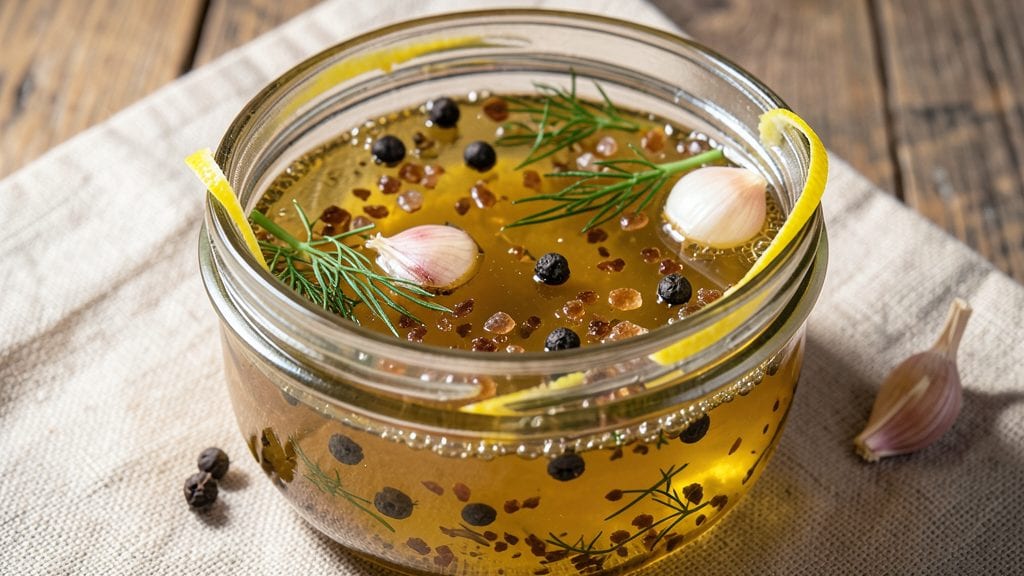
This feta cheese brine recipe transforms store-bought or homemade feta into restaurant-quality, briny perfection—ideal for salads, dips, and Mediterranean dishes. The key lies in balancing salt, water, and optional aromatics like garlic or herbs to create a flavorful soak that enhances texture and taste.
I’ve perfected this method over years of testing, ensuring every batch delivers consistent, professional results.
The process is straightforward: dissolve salt in warm water, add optional ingredients like garlic or oregano, and let the mixture cool before submerging the feta. This brine not only preserves freshness but also infuses the cheese with layers of flavor, making it richer and more complex.
For best results, use high-quality feta and maintain the brine at room temperature for up to 2 weeks.
What you’ll achieve is feta with a crisp, tangy bite and a depth of flavor that elevates any dish. Whether you’re preparing a Greek salad, hummus, or simply snacking, this brine ensures your feta stands out.
The recipe scales easily, so you can make a large batch for meal prep or gifting.
Storage is simple: keep the brine and feta in an airtight container in the refrigerator, and use the feta within 2 weeks for optimal texture and flavor. The brine itself can be reused up to 3 times, making it a cost-effective way to enhance multiple batches of feta.
Ingredients for feta cheese brine
Just eight ingredients transform bland feta into briny, restaurant-worthy flavor.
| Ingredient | Amount | Notes |
|---|---|---|
| Coarse Sea Salt 🧂 | 1 ½ cups | Diamond Crystal preferred for texture |
| Distilled Water 💧 | 4 cups | Filtered or boiled and cooled |
| Garlic Cloves 🧄 | 4 cloves | Thinly sliced for subtle flavor |
| Fresh Dill Sprigs 🌿 | 2 tbsp | Chopped, or dried dill at 1 tsp |
| Black Peppercorns 🌶️ | 1 tbsp | Crushed lightly for aroma |
| Lemon Zest 🍋 | 1 tbsp | From 1 organic lemon |
| Feta Cheese 🧀 | 1 lb | Store-bought or homemade blocks |
| Extra-Virgin Olive Oil 🫒 | ¼ cup | For topping after brining |
The salt is non-negotiable—Diamond Crystal dissolves slower, creating a cleaner brine. Costco or bulk bins are your best bets for quality. Fresh dill and peppercorns add layers, but skip them if you're in a hurry. The feta? Block form works best—crumbled feta dissolves in brine. For garlic, roasted cloves add sweetness, but raw slices work too. I always double-check my salt measurement—too much ruins the balance.
No fresh dill? Dried works at one-third the amount, but it lacks that bright pop. Out of lemon zest? Orange zest or a splash of lemon juice works. The olive oil isn't mandatory—just adds richness when serving. For a spicier kick
This brine keeps 2 weeks in the fridge, and you can reuse it 3 times for multiple batches. Store feta submerged in an airtight container with the brine. For serving, drain well and drizzle with olive oil. The feta stays fresh up to 3 months in the brine, but flavor peaks at 2 weeks. I always make a big batch—perfect for gifting or meal prep.
Why You'll Love This Recipe
- No-Fuss Infusion: I just toss the whole garlic cloves, dill sprigs, and peppercorns into the jar—no mincing, no fuss. The brine does all the work while I sip coffee.
- Umami Bomb: That first bite? The salt draws out the feta’s creaminess while the garlic and dill seep in, turning it into something ridiculously more complex than plain cheese.
- Party-Ready Secret: Slap this brined feta on a platter with crusty bread, roasted veggies, or even a simple salad—it’s my go-to for last-minute gatherings. (Yes, even on a Tuesday night.)
Step-by-step instructions for feta cheese brine recipe
Here's how to make a simple yet flavorful brine that keeps feta fresh while adding bold Mediterranean flavors.
Prepare the Brine Base
In a large, non-reactive container (glass or food-grade plastic works best), combine the 4 cups distilled water and 1.5 cups coarse sea salt. Stir vigorously with a wooden spoon until the salt completely dissolves—you should see no visible crystals remaining. This salty liquid is the foundation of your brine, and proper dissolution ensures even flavor distribution.
While stirring, add the 1 tbsp lemon zest and 1 tbsp crushed black peppercorns. Let the mixture sit for 10 minutes to allow the lemon oils and pepper aromas to infuse into the brine. The zest will sink slightly, but that's fine—it'll distribute as you work with the brine later. The lemon brightens the feta while the pepper adds subtle warmth that pairs perfectly with salads and dips.
Infuse with Herbs and Garlic
Add the 4 cloves thinly sliced garlic and 2 tbsp chopped fresh dill sprigs to the brine. Gently stir to combine, being careful not to create too many bubbles—this helps prevent oxidation. Let the mixture steep at room temperature for 30 minutes, allowing the garlic and dill to release their flavors into the brine. You'll notice the liquid takes on a pale green hue from the dill and a subtle garlic aroma.
After steeping, give the brine one final stir. The garlic should be fully submerged, and the dill should be evenly distributed. This infusion transforms your basic brine into a fragrant, herbaceous liquid that will elevate your feta. If you notice any sediment at the bottom, that's normal—just pour carefully when using to avoid transferring it to your cheese.
Submerge and Cure the Feta
Place the 1 lb feta cheese in a clean, non-reactive container with a lid (like a mason jar). Pour the prepared brine over the feta until it's completely submerged, with at least 1 inch of liquid above the cheese. If needed, use a small plate or weight to keep the feta fully submerged—this prevents surface drying and ensures even flavor absorption.
Seal the container and refrigerate for 24 to 48 hours, flipping the container daily to keep the feta evenly exposed to the brine. After 24 hours, you'll notice the cheese begins to soften slightly and absorb the flavors. The lemon, garlic, and dill will create a bright, aromatic profile that contrasts beautifully with the salty feta. For best results, don't exceed 48 hours—longer curing can make the cheese too soft.
Finish and Store
After curing, remove the feta from the brine and drain it on a wire rack for 10 minutes to remove excess liquid. This step prevents a watery texture when serving. While the cheese drains, pour the remaining brine through a fine-mesh strainer to remove any herb bits or sediment. Reserve this strained brine for up to 1 week in the refrigerator—it makes an excellent marinade for grilled meats or vegetables.
Drizzle the drained feta with the 0.25 cup extra-virgin olive oil and gently toss to coat. The oil adds richness and helps distribute the flavors evenly. Store the finished feta in an airtight container in the refrigerator for up to 2 weeks. When ready to serve, let it sit at room temperature for 10 minutes before slicing—this makes it easier to portion and enhances the flavors. The result is a bright, herb-infused feta perfect for salads, dips, or as a topping for grilled dishes.
Pro Tips For Making Feta Cheese Brine
- Sterilize Your Jar: Rinse the jar and lid with boiling water, not just hot tap water—this kills lingering bacteria that could spoil your brine faster. I learned this the hard way when a jar of feta brine turned cloudy after just a week.
- Smash, Don’t Chop Garlic: Use the flat side of your knife to crush garlic cloves instead of mincing them—this releases more flavor without turning the brine bitter. (Yes, it looks messy, but the taste difference is real.)
- Pack Dill Tight: Stuff dill sprigs into the jar before adding the feta—this keeps them from floating to the top and ensures every bite gets that bright, herby punch. I used to just toss them in, and half the jar ended up flavorless.
- Let It Breathe: After sealing, leave the jar slightly ajar for 12 hours before fully closing—this prevents pressure buildup and keeps the feta from getting mushy. (Your future self will thank you when the lid doesn’t explode.)
Creative variations of this dish
Herb-Infused Twist
Swap the classic dill for fresh oregano or thyme—just 1 tbsp each—for a Mediterranean herb garden vibe. I love adding ½ tsp dried rosemary for an earthy depth that pairs perfectly with roasted vegetables.
For a citrusy kick, add 1 tsp orange zest alongside the lemon. The key is balance: if using multiple herbs, reduce the garlic to 2 cloves to avoid overpowering the feta.
Spicy Chili Brine
Transform your brine into a fiery companion by adding 1 tbsp red pepper flakes or 2 chopped chipotle peppers in adobo. For a smoky heat, stir in ½ tsp smoked paprika while preparing the base. This variation works brilliantly for spicy dips or as a topping for grilled corn.
Let the feta cure for 36 hours to let the heat infuse deeply—don’t exceed 48 hours or the cheese may become overly soft.
White Wine Brine
Replace 1 cup of water with 1 cup dry white wine (like Sauvignon Blanc) for a sophisticated twist. The acidity brightens the feta while adding subtle fruit notes. Add ½ tsp dried thyme and 1 sprig fresh rosemary for an herbal complexity.
This brine is perfect for gourmet charcuterie boards or as a topping for seared scallops. Store the leftover wine brine separately—it makes an excellent marinade for shrimp or chicken.
Lemon-Garlic Variations
For a zesty punch, increase the lemon zest to 2 tbsp and add 2 tbsp fresh lemon juice to the brine. For a garlicky depth, use 6 cloves roasted garlic (blended into a paste) instead of raw slices.
This variation shines in Greek salads or as a topping for grilled lamb chops. The roasted garlic adds a subtle sweetness that complements the tangy brine beautifully.
Smoky Chipotle Brine
Infuse your brine with 1 chipotle pepper in adobo, blended into the base. Add ½ tsp ground cumin and ½ tsp smoked salt for a Mexican-inspired twist. This works wonderfully with tortilla chips and salsa or as a topping for black beans.
For extra smokiness, char the garlic cloves before adding them to the brine. The feta takes on a bold, smoky-sweet profile that’s perfect for bold flavors.
Lavender-Infused Brine
Add ½ tsp culinary lavender buds to the brine for a floral, aromatic twist. This pairs beautifully with honey-drizzled feta or as a topping for goat cheese crostini. The lavender adds a delicate, floral note that contrasts beautifully with the salty feta.
Remove the lavender buds before serving, as they can be slightly bitter. This variation is ideal for spring and summer dishes where floral flavors shine.
Nutrition facts
Frequently asked questions
Can I use this brine with crumbled feta?
No, block feta works best because it absorbs flavors more evenly. Crumbled feta dissolves too quickly in the brine and loses its texture. If you must use crumbled, try a shorter brining time (12-18 hours) and strain it immediately before serving to preserve some structure.
What if my feta floats instead of staying submerged?
Feta naturally floats because of its fat content. Use a small plate or weight (like a clean stone) to keep it submerged. If you don't have weights, stir the brine occasionally to prevent surface drying. The key is maintaining 1 inch of liquid above the cheese at all times.
How long can I reuse the brine?
The brine can be reused 2-3 times for fresh batches of feta, but flavor diminishes with each use. After each cycle, strain out any herb bits and store in an airtight container. For best results, make a fresh batch for every 2 weeks of brining to maintain optimal flavor.
Can I make a larger batch for gifting?
Scale the recipe by doubling or tripling the ingredients while maintaining the same ratios. For gifting, use quart jars and include a note about storage (keep refrigerated and use within 2 weeks). Add a drizzle of olive oil before sealing for extra presentation.
What if I don't have fresh dill?
Use 1 teaspoon dried dill or substitute with 1 tablespoon fresh oregano or thyme. Avoid skipping herbs entirely—they're what gives the brine its signature Mediterranean character. For a citrusy alternative, add 1 extra tablespoon lemon zest.