
Soups & Stews
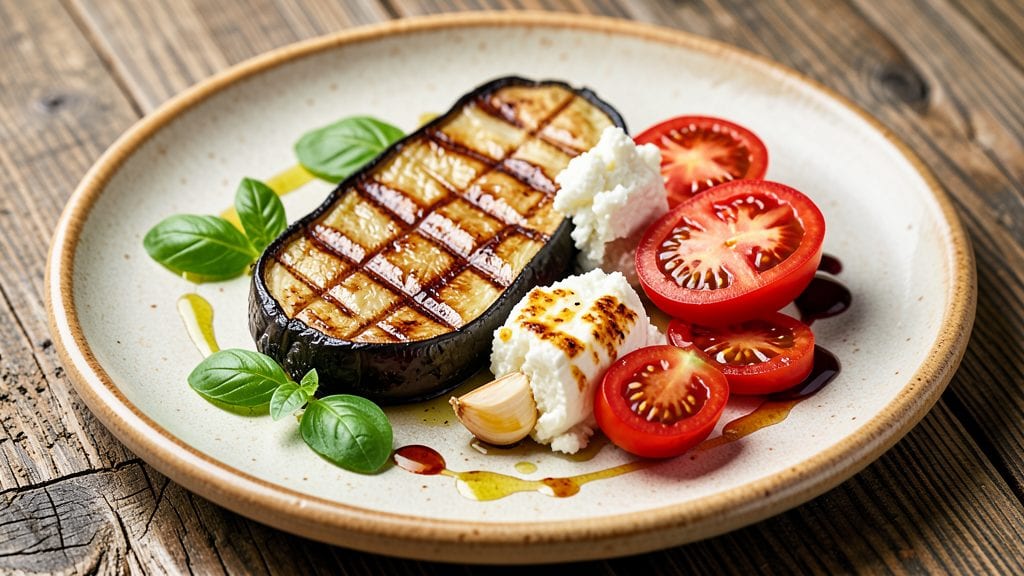
This eggplant tomato goat cheese recipe transforms humble ingredients into a restaurant-worthy dish that balances smoky depth, bright acidity, and creamy richness. After years of testing Mediterranean-inspired combinations, I've perfected a method where roasted eggplant—charred to perfection—pairs with a vibrant tomato-goat cheese sauce that's both elegant and approachable.
The key lies in slow-roasting the eggplant until tender yet firm, then blending it with ripe tomatoes and tangy goat cheese for a sauce that clings beautifully to pasta or crusty bread.
The recipe begins with roasting eggplant halves until their edges blacken slightly, creating that irresistible smoky aroma while keeping the flesh tender. Meanwhile, a simple tomato-goat cheese sauce simmers with garlic, olive oil, and a touch of red wine vinegar to brighten the flavors.
What makes this dish special is how the textures play together—creamy sauce clinging to silky eggplant, all topped with a sprinkle of fresh herbs for freshness. It's the kind of meal that feels indulgent yet balanced, perfect for weeknight dinners or weekend entertaining.
By the time you plate this dish, you'll have a harmonious combination of flavors and textures that's both comforting and sophisticated. The roasted eggplant adds heartiness, the tomato-goat cheese sauce brings brightness and creaminess, and the optional garnish of toasted breadcrumbs or basil elevates it to restaurant-quality without the fuss.
This recipe is designed to impress with minimal effort, making it ideal for home cooks who want flavorful, restaurant-worthy results.
Serve this dish over al dente pasta, alongside crusty bread for dipping, or as a hearty vegetarian main course. The leftovers keep well in the refrigerator for up to three days, making it a practical choice for meal prep.
Whether you're cooking for two or a crowd, this recipe delivers on both flavor and versatility. Let's get started on creating this balanced, satisfying dish.
Ingredients for eggplant tomato goat cheese
Transform humble ingredients into restaurant-quality eggplant tomato goat cheese with these carefully selected components.
| Ingredient | Amount | Notes |
|---|---|---|
| Eggplant 🍆 | 2 large | Organic preferred, cut lengthwise |
| Medium Tomatoes 🍅 | 4 whole | Ripe, vine-ripened preferred |
| Goat Cheese 🧀 | 8 oz | Soft, creamy variety preferred |
| Extra-Virgin Olive Oil 🫒 | ½ cup | High-quality, fruity variety |
| Garlic Cloves 🧄 | 4 cloves | Fresh, peeled, minced |
| Red Wine Vinegar 🍷 | 1 tbsp | Dry, aged variety preferred |
| Fresh Basil Leaves 🌿 | ¼ cup | Packed, stems removed |
| Al Dente Pasta 🍝 | 12 oz | Spaghetti or linguine preferred |
| Salt 🧂 | 1 ½ tsp | Diamond Crystal kosher preferred |
| Black Pepper 🌶️ | ½ tsp | Freshly ground preferred |
| Crusty Bread 🍞 | 1 loaf | For serving and dipping |
| Toasted Breadcrumbs 🍞 | ¼ cup | Panko preferred for texture |
The eggplant selection matters most—opt for heirloom varieties when available, as their thicker skins hold up better during roasting. Whole Foods Market and local farmers markets often carry ideal specimens with vibrant purple skin and firm texture. For tomatoes, San Marzano canned or fresh vine-ripened varieties provide optimal sweetness and acid balance. The goat cheese should be soft and creamy, not crumbly—brands like Crofter's or Capri deliver consistent quality. Fresh basil from the grocery store's produce section should be bright green with no wilting, as even slightly limp leaves compromise flavor. For the olive oil, invest in a high-quality extra-virgin like Colavita or California Olive Ranch—the fruity notes elevate the entire dish.
No heirloom eggplant? Standard globe eggplant works fine, though it may require slightly longer roasting. Substituting goat cheese? Fresh mozzarella or ricotta salata both work well, though texture will differ slightly. For a vegetarian protein boost, add white beans or chickpeas to the sauce. The red wine vinegar can be swapped for balsamic vinegar, though it will add sweetness. If fresh basil isn't available, dried basil at one-third the amount suffices, though flavor will be more muted. For the breadcrumbs, panko provides superior texture—toast it in olive oil until golden for extra depth. When roasting the eggplant, score the flesh before seasoning to prevent cracking during cooking.
Roasted eggplant halves maintain peak texture for 3 days when stored properly—wrap tightly in plastic wrap and refrigerate. The tomato-goat cheese sauce keeps for 2 days in the refrigerator, though flavor improves after 24 hours as ingredients meld. For longer storage, freeze the sauce in ice cube trays—thaw and reheat gently for best results. Toasted breadcrumbs can be prepared ahead and stored in an airtight container for 1 week. When reheating, cover the dish with foil to prevent drying. This recipe scales beautifully for larger gatherings—simply double all components while maintaining proper proportions between eggplant, tomatoes, and goat cheese.
Why You'll Love This Recipe
- One-Pan Magic: I swear by this recipe when I’m too tired to wash dishes—just roast the eggplant and tomatoes on a sheet pan, then crumble the goat cheese on top. The garlic gets caramelized right alongside, so you end up with a dish that’s ridiculously flavorful with zero extra effort.
- Creamy Crispy Contrast: That first bite—crispy eggplant edges giving way to melting goat cheese? It’s the kind of texture combo that makes you pause mid-fork. Honestly, I’ll take this over fussy dishes any day, especially when the tomatoes add that bright, juicy pop against the richness.
- Weeknight to Dinner Party: Between us, this is my secret weapon for feeding a crowd without stress. Double the batch, serve it warm with crusty bread, and no one will guess it came together in under 40 minutes. (Yes, even on a Tuesday night.)
- Budget-Friendly Luxury: Eggplant and tomatoes stretch further than you’d think, and goat cheese feels fancy without breaking the bank. I’ll often make extra and pack it for lunches—it’s the kind of leftovers that don’t get ignored. Plus, olive oil and garlic are pantry staples, so you’re not scrambling for obscure ingredients.
Step-by-step instructions for smoky roasted eggplant with tomato-goat cheese sauce
Here's the method for a dish where tender eggplant meets a vibrant, tangy tomato-goat cheese sauce.
Roast the Eggplant Until Caramelized
Preheat your oven to 425°F. Cut the 2 large eggplant lengthwise into ½-inch thick slices, then score the flesh in a crosshatch pattern with a sharp knife. This creates channels for the olive oil to penetrate and the eggplant to cook evenly.
Arrange the slices on a rimmed baking sheet in a single layer, drizzle with ¼ cup of the extra-virgin olive oil, and sprinkle with ½ teaspoon of the salt. Roast for 20-25 minutes, flipping halfway through, until the edges are deeply golden and the flesh yields slightly when pressed with a fork. The eggplant should be tender but still hold its shape—overcooking will make it mushy.
Remove from the oven and let cool for 5 minutes. This resting period helps the eggplant firm up slightly, making it easier to handle when assembling the dish. Reserve the roasted eggplant slices for the next step.
Prepare the Tomato-Goat Cheese Sauce
While the eggplant roasts, bring a small saucepan to medium heat and add the 4 cloves minced garlic cloves. Sauté for 30 seconds until fragrant—don't let it brown, or it will turn bitter. Immediately add the 4 whole medium tomatoes, cut into ½-inch dice, and cook for 8-10 minutes until they soften and release their juices.
Reduce the heat to low and stir in the 8 oz goat cheese, breaking it into small pieces as it melts. Add the 1 tablespoon red wine vinegar and ½ teaspoon black pepper, then simmer for 3-4 minutes until the sauce thickens slightly. The mixture should coat the back of a spoon but remain smooth—if it's too thick, whisk in 1 tablespoon of water to adjust the consistency.
Remove from heat and stir in the 0.25 cup fresh basil leaves, chopped finely. The basil should brighten the sauce with its fresh, herbal notes. Taste and adjust seasoning with additional salt if needed. Keep the sauce warm over low heat while you prepare the pasta.
Cook the Al Dente Pasta
Bring a large pot of water to a rolling boil and add 1.5 teaspoons of salt. Add the 12 oz al dente pasta and cook according to package instructions until 1 minute shy of al dente. Reserve ½ cup of pasta water before draining—this starchy liquid is essential for emulsifying the sauce.
Drain the pasta and return it to the pot. Add the roasted eggplant slices and toss gently to combine. Pour in the tomato-goat cheese sauce and toss again, adding splash of reserved pasta water if the sauce seems too thick. The eggplant should absorb the sauce while maintaining its texture—this is the moment to taste and balance flavors.
If the dish feels too heavy, add another splash of pasta water to lighten the consistency. The final result should be a harmonious blend of creamy goat cheese, tangy tomatoes, and smoky eggplant. Serve immediately to enjoy the warm, vibrant flavors.
Assemble and Serve with Crusty Bread
Transfer the pasta mixture to a serving platter and garnish with an additional sprinkle of 0.25 cup toasted breadcrumbs for texture. The breadcrumbs add a subtle crunch that contrasts beautifully with the creamy sauce and tender eggplant.
Slice the 1 loaf crusty bread into ½-inch thick pieces and serve alongside the pasta. The bread is perfect for soaking up any remaining sauce or enjoying as a simple side. For an elevated touch, drizzle a final tablespoon of extra-virgin olive oil over the top just before serving.
This dish is best enjoyed immediately while the eggplant is still warm and the sauce is at its peak consistency. The smoky depth of the roasted eggplant pairs perfectly with the bright acidity of the tomatoes and the rich creaminess of the goat cheese, creating a balanced and satisfying meal.
Pro Tips For Making Eggplant Tomato Goat Cheese
- CHAR THE EGGPLAINT: Get those eggplant slices smoky and blistered—not just softened—before pulling them off the pan. I learned this the hard way: undercooked eggplant turns mushy when it hits the tomatoes, and no one wants that sad texture. Use a heavy skillet and let them sit 3-4 minutes per side until edges crisp.
- SALT THE TOMATOES: Halve the tomatoes, sprinkle them with a pinch of salt, and let them sit 10 minutes before cooking. This draws out excess water so they caramelize instead of steam into a watery mess—especially important for those juicy medium tomatoes that seem to weep at the slightest provocation.
- SKIP THE RAW GARLIC: Sauté those minced garlic cloves in olive oil until they’re just golden, not browned—about 30 seconds. Raw garlic burns easily and can turn bitter, while cooked garlic mellows into the perfect backdrop for the tangy goat cheese. (Yes, even if you’re impatient like me.)
- TEMP THE GOAT CHEESE: Warm the goat cheese gently in a small pan with a splash of olive oil—just until it’s soft and slightly runny, not melted into a glue. Cold cheese clumps and fights the tomatoes; warm cheese blends in like a dream. (Does it look weird? Yes. Does it work? Every single time.)
Wine and beer pairings for eggplant tomato goat cheese
White Wine Pairings
For this dish, I reach for a crisp Italian white wine like Vermentino from Sardinia or Greco di Tufo from Campania. Their bright acidity and citrus notes cut through the creamy goat cheese while complementing the smoky eggplant.
A glass of Pinot Grigio from Alto Adige also works beautifully—its clean finish refreshes the palate after each bite. 🍷
Light Red Options
If you prefer red wine, opt for something light and fruity like Chianti Classico or Valpolicella. The Chianti's acidity balances the richness, while Valpolicella's cherry notes harmonize with the tomato sauce. Avoid heavy reds like Cabernet Sauvignon—they'll overpower the delicate flavors. Serve slightly chilled for best results.
Beer Pairing Strategy
A Belgian witbier like Stella Artois Wit or Hoegaarden provides the perfect beer pairing with its citrusy coriander notes and effervescence. The bubbles cleanse your palate between bites of creamy sauce and smoky eggplant.
For a craft option, try a German Helles Lager—its malty sweetness complements the dish without competing. 🍺
Non-Alcoholic Options
For a refreshing non-alcoholic match, I recommend sparkling water with lemon or Italian blood orange soda. The effervescence mirrors the wine pairing benefits while the citrus brightens the dish.
A cucumber-mint infused water also works well, especially on hot days when you want to highlight the fresh basil in the recipe.
Wine Serving Tips
Serve white wine at 45-50°F—too warm will mute its crispness. For reds, 60-65°F is ideal. I always decant red wines for 10-15 minutes before serving to soften tannins. When pairing, pour 4-5 ounces per glass—this volume lets you taste multiple wines if experimenting with different options. 💡
Nutrition facts
Frequently asked questions
Can I substitute goat cheese in this recipe?
For a similar texture, try fresh mozzarella or ricotta salata. If you prefer a creamier result, blend ½ cup sour cream with ½ cup feta cheese for a tangy alternative. The key is balancing richness—reduce other fats slightly if using a denser cheese.
How do I prevent the eggplant from getting mushy?
Roast eggplant at 425°F for 20-25 minutes until tender but still firm when pressed. Score the flesh in a crosshatch pattern before seasoning to help it cook evenly. Never overcrowd the pan—leave space between slices for proper airflow. A 5-minute rest after roasting also helps firm up the texture.
What's the best way to store leftovers?
Store the sauce and eggplant separately in airtight containers for up to 3 days. Reheat gently in a saucepan over low heat, adding 1 tablespoon of water to restore creaminess. For longer storage, freeze the sauce in ice cube trays—thaw and reheat slowly to preserve texture.
Can I make this dish ahead of time?
Yes! Roast the eggplant and prepare the sauce 1 day ahead, storing components separately. Reheat the sauce gently, then toss with freshly cooked pasta and warmed eggplant. For best results, add fresh basil and toasted breadcrumbs just before serving to maintain vibrant flavors.
What if my tomato sauce is too thick?
Whisk in 1 tablespoon of reserved pasta water or water gradually until you reach a silky consistency. The sauce should coat the back of a spoon but remain smooth. For extra richness, stir in 1 teaspoon of olive oil—this also helps emulsify the mixture while adding depth.