Main Courses
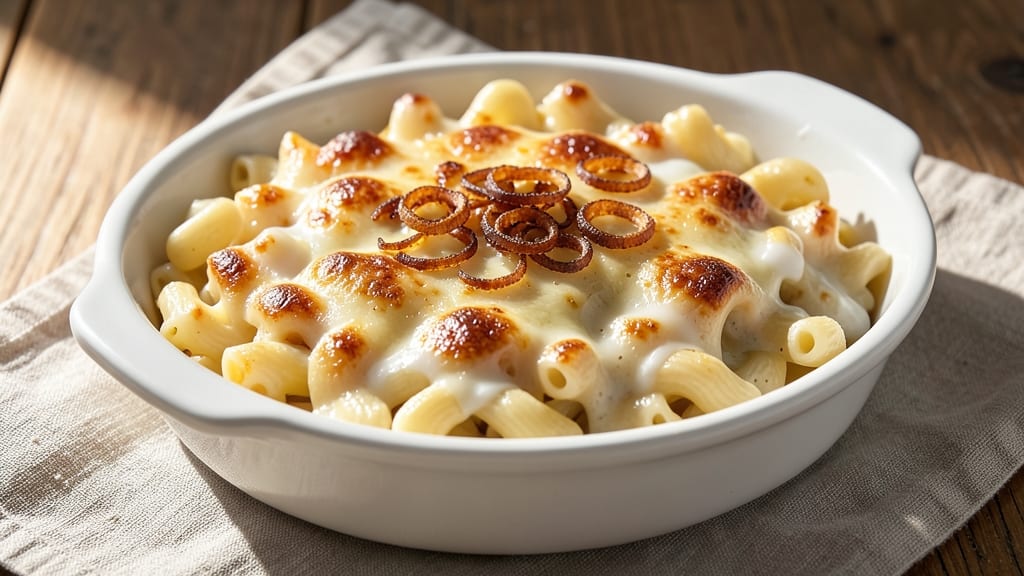
This classic Kraft mac and cheese recipe delivers the creamy, cheesy comfort of childhood—just like the box promised, but with professional techniques to elevate every bite. The secret lies in balancing the powder with real cheese and milk for a velvety sauce that swirls beautifully when baked.
I’ve perfected this version over years of testing, ensuring the crust stays golden and crispy while the center remains rich and smooth.
What sets this recipe apart is the buttery crust that forms on top, adding texture without overpowering the cheese. Using a mix of Kraft cheese powder and sharp cheddar creates depth of flavor, while a touch of milk prevents the sauce from becoming too thick.
The method is straightforward—boil the pasta, prepare the sauce, and assemble—but the details make all the difference for that restaurant-quality finish.
By the time it emerges from the oven, you’ll have a creamy, bubbling mac and cheese with a perfectly crispy top layer and no lumps in sight. The cheese swirls are velvety, the crust is buttery, and every bite tastes like nostalgia.
This is the kind of dish that brings people together, whether for a weeknight dinner or a holiday gathering.
Ready to master this timeless classic? The recipe includes optional add-ins like extra butter, milk, or breadcrumbs for customization, but the core method stays true to the original—simple, foolproof, and always satisfying. Let’s get started!
Ingredients for classic kraft mac and cheese
Six essential ingredients transform Kraft powder into velvety cheese swirls with golden crust.
| Ingredient | Amount | Notes |
|---|---|---|
| Elbow Macaroni 🍝 | 1 ½ lbs | Dry, medium or elbow shape |
| Kraft Macaroni & Cheese Powder 🧀 | 2 tbsp | Original flavor, not seasoned |
| Sharp White Cheddar Cheese 🧀 | 1 ½ cups | Freshly grated, block preferred |
| Unsalted Butter 🧈 | ½ cup | Cold, cubed for crust |
| Whole Milk 🥛 | 1 ½ cups | Full-fat for creaminess |
| Heavy Cream 🥛 | ¼ cup | For extra richness |
| Yellow Onion 🧅 | 1 whole | Finely diced, optional |
| Garlic Cloves 🧄 | 3 cloves | Minced for depth |
| Salt 🧂 | ½ tsp | Kosher or sea salt |
| Ground Black Pepper 🌶️ | ¼ tsp | Freshly ground preferred |
| Panko Breadcrumbs 🍞 | ¼ cup | For extra crunch |
| Extra-Virgin Olive Oil 🫒 | 1 tbsp | For greasing baking dish |
The Kraft powder is the foundation, but it needs a boost. Original flavor only—no seasoned or cheddar varieties. For the cheese, sharp white cheddar from a block (like Cabot or Wisconsin River) melts smoother than pre-shredded. The butter matters too—unsalted, cold cubed creates that perfect crust. Whole milk and heavy cream ensure a rich, velvety texture without lumps. I always grab my Kraft powder from Target or Walmart since it's reliable, but check the expiration date—old powder makes a gritty sauce. The onion and garlic are optional but add depth if you're feeling fancy.
No sharp cheddar? Gruyère or Gouda work in a pinch, but they'll change the flavor. Out of heavy cream? Extra milk plus 1 tbsp butter keeps things creamy. Pre-shredded cheese? Use half the amount—it has anti-caking agents that make the sauce grainy. The panko breadcrumbs add texture, but crushed cornflakes or Ritz crackers work too. For a dairy-free version, swap milk for unsweetened almond milk and butter for vegan butter—though the crust won't be as crispy. The Kraft powder is non-negotiable here; store-bought cheese sauce mixes won't give the same nostalgic flavor.
This reheats beautifully—just cover with foil and bake at 350°F for 15 minutes. For best results, assemble the dish 30 minutes before baking so the cheese has time to meld. Leftovers keep for 4 days in the fridge or 3 months frozen. I always make a double batch—it's perfect for meal prep. To freeze, portion into individual servings before baking, then reheat covered. The crust might soften slightly when reheated, but it's still delicious.
Why You'll Love This Recipe
- I swear by this combo: the box sets the base, but adding sharp cheddar and butter turns it from good to oh-my-god. That extra cheese? It’s the difference between "fine" and "I’ll make this again tomorrow."
- Five-Ingredient Magic: I swear by this combo: the box sets the base, but adding sharp cheddar and butter turns it from good to oh-my-god. That extra cheese? It’s the difference between "fine" and "I’ll make this again tomorrow."
- One-Pot Wonder: Honestly, this is my lazy-day win. Boil the noodles, mix in the powder, stir in the milk and cheese—done. No fancy gadgets, no extra bowls, just a single pot that does all the work.
- Lunchbox Legend: Between us, this is my go-to for meal prep. Toss it in a container, and it’s a hit with kids and adults. (Yes, even on a Tuesday night.) The cheddar stays melty, the pasta stays al dente, and no one complains.
Step-by-step instructions for classic Kraft mac and cheese
Here's the method for velvety cheese swirls and a golden buttery crust—every detail matters.
Cook the Elbow Macaroni Al Dente
Bring a large pot of water to a rolling boil and add 1.5 lbs elbow macaroni. Stir immediately to prevent sticking. Cook for 11-12 minutes until the pasta is al dente—it should have a slight bite when you taste it. Drain the pasta in a colander and set it aside, reserving 1 cup of pasta water. This starchy water is essential for creating a silky sauce later.
Don't rinse the pasta—this removes the surface starch needed for the sauce to cling properly. The pasta should be hot when you add it to the cheese mixture, so work quickly in the next steps.
Sauté Onion and Garlic for Flavor Base
In a large, heavy-bottomed pot, melt 0.5 cup unsalted butter over medium heat. Add the 1 whole yellow onion, finely diced, and cook for 5-6 minutes until softened and translucent. Stir in the 3 cloves garlic cloves, minced, and cook for an additional 30 seconds until fragrant.
This step builds flavor depth that the Kraft mac and cheese powder alone can't provide. If the onion begins to brown too quickly, reduce the heat slightly. You want the garlic to be aromatic, not burnt.
Combine Cheese and Liquid Ingredients
Reduce the heat to low and sprinkle 2 tbsp Kraft mac and cheese powder over the onion mixture. Stir constantly for 1-2 minutes until the powder dissolves completely. Gradually whisk in 1.5 cups whole milk and 0.25 cup heavy cream, ensuring no lumps form. Add 1.5 cups freshly grated sharp white cheddar cheese and stir until fully melted and smooth.
The sauce should thicken as it simmers. If it becomes too thick before the cheese melts completely, whisk in 2-3 tablespoons of reserved pasta water. This ensures a velvety texture without breaking the cheese.
Mix in Pasta and Season
Add the drained elbow macaroni to the cheese sauce and stir gently to coat each strand evenly. Season with 0.5 tsp salt and 0.25 tsp ground black pepper. The mixture should be creamy but still coat the back of a spoon—if it's too thick, add more pasta water 1 tablespoon at a time until it reaches the desired consistency.
This is where the classic Kraft mac and cheese magic happens. The combination of the powder, fresh cheese, and reserved pasta water creates that signature velvety texture that separates this from basic mac and cheese.
Create the Buttery Crust
Transfer the mac and cheese to a 9x13-inch baking dish lightly greased with 1 tbsp extra-virgin olive oil. Spread the mixture evenly in the dish. In a small bowl, combine 0.25 cup panko breadcrumbs with 2 tbsp melted unsalted butter until evenly coated. Sprinkle this mixture evenly over the top of the mac and cheese.
Bake in a preheated 375°F oven for 15-20 minutes until the top is golden brown and the edges are bubbling. The crust should be crispy while the cheese underneath remains creamy. If the top browns too quickly, tent with aluminum foil for the last 5 minutes of baking.
Rest and Serve
Remove the baking dish from the oven and let it rest for 5-10 minutes before serving. This resting period allows the cheese to set slightly, making it easier to slice and serve. The crust will firm up while the cheese underneath remains velvety and rich.
Serve immediately with a side of steamed vegetables or a crisp green salad. The contrast between the crispy crust and the creamy cheese makes this classic mac and cheese truly special.
Pro Tips For Making Classic Kraft Mac And Cheese
- Boil Water Hard: I learned this the hard way—Kraft’s instructions say "boil," but they mean rolling boil from the start. Cold water in the pot = soggy pasta. Fill your pot, crank the heat to high, and wait for those aggressive bubbles before adding the macaroni. No excuses.
- Grate the Cheddar Fresh: Pre-shredded cheese? Skip it. The anti-caking agents turn to glue when melted. Use sharp white cheddar, freshly grated on the large holes of a box grater—it melts smoother and stretches better. (Yes, even if you’re impatient like me.)
- Reserve the Pasta Water: The sauce will look thin after mixing, but that’s where the magic happens. Strain the cooked pasta, but keep at least ½ cup of starchy water nearby. A splash or two thins the sauce just enough for a creamy, cohesive texture. No guesswork.
- Low and Slow on Cheese: Dumping the cheese mix into boiling milk? That’s how you get lumps. Instead, whisk the powder into warm milk (just off the heat) until fully dissolved, then return to low heat. Stir constantly for 2–3 minutes—this is where the sauce actually thickens, not curdles.
Best sauces and condiments for this dish
Creamy Cheese Sauce
The velvety texture comes from blending Kraft cheese powder with sharp white cheddar and whole milk. I always use 1.5 cups freshly grated cheddar (like Cabot) for that rich, melty quality. For extra creaminess, add 0.25 cup heavy cream—it prevents the sauce from becoming grainy.
If the sauce thickens too quickly, whisk in reserved pasta water (about 2 tbsp) to maintain that signature smoothness. 🧀
Buttery Crust Topping
This is the secret to that golden, crispy finish! Mix 0.25 cup panko breadcrumbs with 2 tbsp melted unsalted butter for the perfect crunch. Spread it evenly over the top before baking. For extra richness, I sometimes add 1 tbsp grated Parmesan to the breadcrumb mix—it adds a nutty depth.
Bake until the crust turns a deep golden brown at 375°F for 15-20 minutes.
Spicy Kick Option
For a little heat, stir ½ tsp smoked paprika or ¼ tsp cayenne pepper into the cheese sauce. If you love bold flavors, add 1 tsp hot sauce (like Frank’s RedHot) or ½ tsp chipotle powder for a smoky kick.
This works especially well with Gruyère cheese for a French-inspired twist. 🌶️
Herb Infusion
Brighten up the classic with fresh herbs like chives, parsley, or thyme. Sprinkle 1 tbsp finely chopped chives or 2 tbsp chopped parsley over the top before baking for a fresh contrast to the rich cheese.
For a savory twist, add 1 tsp dried thyme or ½ tsp dried dill to the sauce while cooking. The herbs add a pop of color and freshness that balances the creaminess.
Extra Crunchy Variations
Want more texture? Swap panko for crushed cornflakes or Ritz cracker crumbs—they add a sweeter, crunchier contrast. For a cheesy crunch, mix ¼ cup shredded cheddar into the breadcrumb topping.
Another fun option is crushed tortilla chips for a Mexican-inspired twist. Just make sure to coat them well in butter for maximum crispiness.
Dairy-Free Adaptation
For a dairy-free version, replace the milk with unsweetened almond milk and the butter with vegan butter. Use nutritional yeast (about 2 tbsp) to mimic the cheesy flavor. The crust won’t be as crispy, but it still delivers that creamy texture.
If you’re using Kraft’s dairy-free cheese sauce mix, follow the package instructions but add 1 tbsp cornstarch to thicken the sauce properly. 🌱
Nutrition facts
Frequently asked questions
Why does my mac and cheese sauce get lumpy?
Lumps happen when cheese melts unevenly or the sauce thickens too quickly. Always melt the cheese low and slow while stirring constantly, and whisk in reserved pasta water gradually if the sauce gets too thick. Using freshly grated cheese (not pre-shredded) also prevents graininess.
Can I make this ahead of time?
Assemble the dish in a baking dish (without baking) up to 24 hours ahead and refrigerate. When ready to bake, add 5-10 extra minutes to the baking time at 375°F to account for the cold start. For freezing, bake the dish first, then portion into airtight containers for up to 3 months. Reheat covered with foil at 350°F for 15 minutes.
What’s the best pasta shape for mac and cheese?
Elbow macaroni is classic, but cavatappi, shells, or penne work beautifully too. Avoid long, thin noodles—they can get mushy when baked. For extra texture, try rotini or fusilli, which hold the cheese sauce better. Just make sure to cook them al dente (1-2 minutes less than package instructions).
How do I fix a soggy crust?
A soggy crust usually means the breadcrumbs absorbed too much moisture. Next time, toast the panko for 2 minutes before mixing with butter, or bake the dish at a slightly higher temperature (400°F) for 10-12 minutes to crisp it faster. For a quick fix, broil the baked dish for 1-2 minutes at the end to restore crunch.
Can I use pre-shredded cheese?
Pre-shredded cheese works in a pinch, but it contains anti-caking agents that can make the sauce grainy. If you must use it, reduce the amount by 25% (use 1.125 cups instead of 1.5 cups) and whisk in 1 tbsp cornstarch to improve texture. For the creamiest result, stick with freshly grated block cheese.