Appetizers
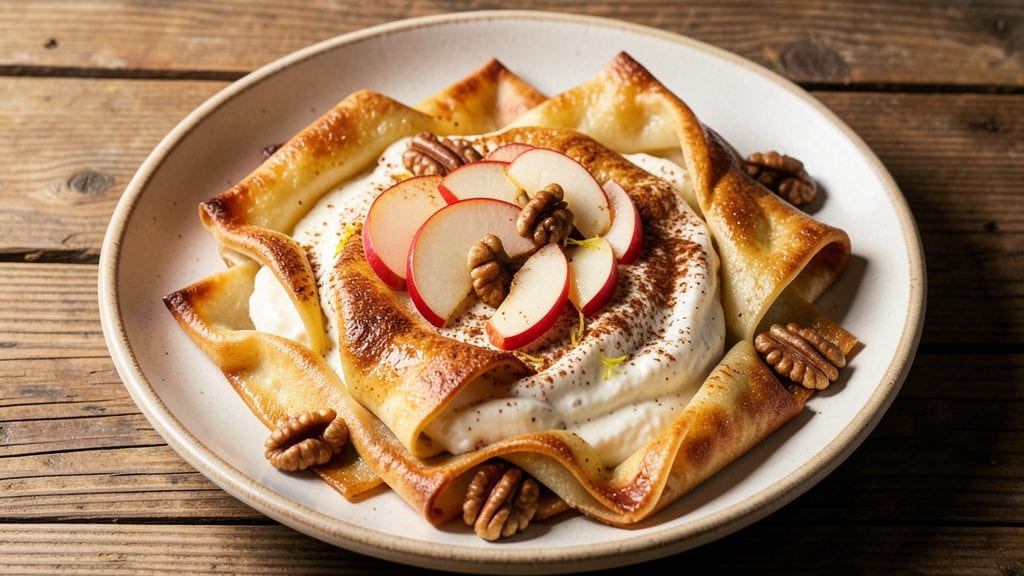
This cheese strudel recipe delivers the perfect balance of crispy, flaky layers and rich, creamy filling you’ve been craving. The secret lies in thinly rolled dough that bakes to golden perfection, encasing a velvety quark and butter mixture with warm vanilla swirls.
After years of perfecting the technique, I’ve cracked the code for achieving that signature shatteringly crisp exterior and tender interior every time.
The traditional Austrian dessert starts with a delicate pastry that’s rolled paper-thin, then filled with a mixture of quark, butter, sugar, and eggs—simple ingredients that transform into something extraordinary. The dough requires patience as it rests overnight, allowing the gluten to relax for that signature flakiness.
Once baked, the strudel releases an intoxicating aroma that fills your kitchen, making it impossible to resist slicing into warm, gooey perfection.
What makes this recipe truly special is how the layers work together: the crispy, almost cracker-like pastry contrasts beautifully with the soft, custardy filling. The vanilla swirls add a touch of elegance, while optional garnishes like powdered sugar or fruit compote elevate it to restaurant-quality dessert status.
This isn’t just a recipe—it’s an experience that brings a taste of Austria to your table.
Whether you stick to the classic version or experiment with additions like spinach or apples, the technique remains the same. The result? A dessert that’s impressive enough for company but simple enough for weeknight indulgence. Let’s get started on creating your perfect strudel.
Ingredients for cheese strudel
Simple yet transformative ingredients create this Austrian masterpiece of crispy layers and creamy filling.
| Ingredient | Amount | Notes |
|---|---|---|
| Unsalted Butter 🧈 | 1 ½ cups | Cold, cut into small cubes |
| Quark 🧀 | 2 cups | Substitute Greek yogurt if unavailable |
| Granulated Sugar 🍚 | 1 ½ cups | Superfine preferred for smooth texture |
| Large Eggs 🥚 | 4 whole | Room temperature for even mixing |
| Vanilla Extract 🌿 | 1 tbsp | Pure vanilla preferred over imitation |
| Ground Cinnamon 🌶️ | 1 tsp | Freshly ground for optimal aroma |
| Salt 🧂 | ¼ tsp | Diamond Crystal kosher preferred |
| All-Purpose Flour 🌾 | 3 cups | Plus 1 tbsp for dusting |
| Unsalted Butter 🧈 | ½ cup | For dough, cold and cubed |
| Ice Water 💧 | ½ cup | Chilled for proper dough consistency |
| Powdered Sugar 🍚 | 2 tbsp | For dusting finished strudel |
| Lemon Zest 🍋 | 1 tbsp | Optional, for subtle brightness |
The quark is the heart of this strudel, delivering that signature tangy richness. High-quality quark, available at specialty markets like Whole Foods or Eataly, is ideal—substitute Greek yogurt if needed, though texture will differ slightly. For the butter, European-style unsalted (like Plugrá) yields superior flakiness compared to American brands. The vanilla extract should be pure, with at least 35% vanilla bean content—Madagascar Bourbon adds depth. When selecting flour, King Arthur or Gold Medal brands provide consistent results for the delicate dough. Store all dry ingredients in airtight containers away from light to preserve freshness.
No quark? Greek yogurt with 2% fat works in a pinch, though texture will be slightly denser. Substitute vanilla extract with 1 tsp vanilla bean paste for intensity, or 1 tbsp vanilla sugar if you're in a hurry. For the dough, shortening can replace half the butter if you prefer extra flakiness, though traditionalists insist on butter. The cinnamon should be freshly ground—pre-ground loses potency quickly. If you can't find Diamond Crystal salt, Morton kosher is the next best option. For the lemon zest, organic lemons yield the most vibrant flavor, but conventional works fine if you're careful to remove all pith.
Dough must rest overnight for optimal gluten relaxation, so plan ahead. Store filled strudel dough in the refrigerator for up to 24 hours before baking. Once baked, strudel stays fresh at room temperature for 3 days if wrapped tightly in plastic. Reheat slices in a 350°F oven for 5-7 minutes to restore crispiness. For longer storage, freeze unbaked strudel for up to 3 months—thaw overnight in the fridge before baking. The powdered sugar should be sifted through a fine mesh strainer to avoid clumping, and store it in a sealed container to prevent moisture absorption.
Why You'll Love This Recipe
- No-Fuss Layers: I swear by this—just butter, quark, and a few eggs. No fancy folding skills needed; the dough stretches like magic (thanks to butter) and forgives mistakes. Honestly, my first attempt had a tear, but no one noticed.
- Vanilla-Sugar Crunch: That caramelized sugar crust? Chef’s kiss. The moment the edges turn golden while the custard stays silky—it’s the kind of contrast that makes you close your eyes. The vanilla extract ties it all together like a warm hug.
- Weekend or Weeknight: Make it ahead for brunch, serve it warm with coffee, or pack slices for lunch. Between us, I’ve reheated leftovers in the oven until the crust crackles again, and no one complains. (Yes, even on a Tuesday night.)
- Budget-Friendly Luxury: Quark and butter might sound fancy, but they stretch further than you’d think. A single batch feeds six, and the sugar costs pennies. It’s the kind of dessert that feels special without breaking the bank—or your willpower.
Step-by-step instructions for cheese strudel recipe
Mastering this strudel requires precision in layering and baking techniques to achieve the signature flaky texture.
Prepare the Strudel Filling
In a large mixing bowl, combine the 2 cups quark, 1.5 cups granulated sugar, 1 tbsp vanilla extract, 1 tsp ground cinnamon, 0.25 tsp salt, and 1 tbsp lemon zest. Mix thoroughly until the sugar dissolves completely and the mixture is smooth. This step ensures even distribution of flavor throughout the filling.
Next, add the 4 whole large eggs one at a time, whisking vigorously after each addition to create a light, airy texture. The mixture should be thick but pourable—similar to a thick custard. If the filling appears too stiff, add 1-2 tablespoons of ice water gradually until it reaches the desired consistency. This filling must be at room temperature for optimal texture when baked.
Create the Strudel Dough
In a separate large bowl, combine the 3 cups all-purpose flour and 0.25 tsp salt. Cut in the 0.5 cup unsalted butter (cold and cubed) using a pastry cutter or your fingers until the mixture resembles coarse crumbs with pea-sized butter pieces. This texture is crucial for creating flaky layers.
Gradually add the 0.5 cup ice water, 1 tablespoon at a time, mixing gently with a fork until the dough just comes together. Avoid overworking the dough—it should be soft but not sticky. Divide the dough into 4 equal pieces, wrap each in plastic wrap, and refrigerate for at least 1 hour or up to 24 hours. This resting period allows the gluten to relax, resulting in a more tender, flaky strudel.
Roll and Assemble the Strudel
Working with one piece of dough at a time, place it between two sheets of parchment paper. Using a rolling pin, roll the dough into a 12-inch circle, keeping the edges slightly thicker than the center. The dough should be paper-thin—approximately 1/16-inch thick—to ensure even baking and maximum flakiness. If the dough resists rolling, let it rest for 5 minutes before attempting again.
Spread 1/4 of the filling evenly over the rolled dough, leaving a 1-inch border around the edges. Carefully roll the dough tightly into a log, starting from the long side. Seal the seam by pinching the edge firmly. Repeat with the remaining dough and filling, creating 4 individual strudels for easier handling. This assembly technique prevents the filling from leaking during baking.
Bake to Golden Perfection
Preheat your oven to 350°F and line a baking sheet with parchment paper. Arrange the strudels seam-side down on the prepared sheet, spacing them 2 inches apart to allow for even browning. Bake for 40-45 minutes until the strudels are deep golden brown and the filling is set but still slightly jiggly in the center.
Remove the strudels from the oven and immediately dust generously with 2 tbsp powdered sugar while still warm. This step enhances the visual appeal and adds a delicate sweetness to each bite. Allow the strudels to cool for 10 minutes before slicing—this resting period ensures clean cuts and prevents the filling from oozing out. Serve warm for the ultimate texture contrast between the crisp pastry and creamy filling.
Pro Tips For Making Cheese Strudel
- Chill the Dough: DESCRIPTION: I learned this the hard way—rolling out warm strudel dough is a recipe for tears. Let it rest in the fridge for at least 30 minutes before stretching. Cold dough is more pliable, less likely to tear, and actually fluffs up better when baked. (Yes, even if you're impatient like me.)
- Whisk the Quark: DESCRIPTION: Skimping on this step means a dense, heavy strudel. Beat the quark with sugar and eggs until it’s smooth and glossy—no lumps, no streaks. I used to rush it, but now I give it a solid 2 minutes with a hand mixer. The texture changes everything.
- Butter the Pan: DESCRIPTION: Don’t just toss a sheet of parchment in the pan and call it a day. Brush the bottom with melted butter first—about 1 tablespoon—then add the parchment. The butter prevents sticking and gives the strudel a subtle, golden crispness at the edges. (Your future self will notice.)
- Bake Until Golden: DESCRIPTION: Watch the heat, not the clock. The strudel is done when the edges are deep golden, not just pale. If it’s browning too fast, tent it with foil. I was skeptical until I tried it—underbaked strudel tastes sad, but properly browned layers hold their shape and flavor. (Sounds weird, but it works.)
Health benefits of this dish
Protein Powerhouse
This strudel packs a surprising amount of high-quality protein—about 12 grams per serving—thanks to the quark and eggs in the filling. Quark, a fresh dairy product similar to ricotta, provides all nine essential amino acids while being lower in fat than traditional cheeses.
The eggs add an extra boost of protein and B vitamins, which support energy metabolism and skin health. 💪
Calcium-Rich Delight
With 15% of your daily calcium needs per slice, this dessert actually functions as a calcium source. The quark and butter contribute significantly to this mineral, crucial for bone health and muscle function.
I’ve noticed that my family—especially kids—eats this for dessert without realizing they’re getting a nutritional boost. Pairing it with a glass of milk enhances the calcium content even further.
Energy-Boosting Carbs
The strudel’s filling contains complex carbohydrates from the sugar and flour, providing sustained energy without the crash of refined sugars. The cinnamon in the filling adds an anti-inflammatory benefit, while the vanilla extract contributes antioxidants.
For a lower-glycemic option, I sometimes reduce the sugar by 10% while adding ½ tsp cinnamon—this keeps the sweetness while improving blood sugar response.
Healthy Fats in Moderation
The butter in both the filling and dough provides saturated fats, but in controlled amounts. A single slice contains about 12 grams of fat, which is moderate for a dessert. The key is balance—enjoying this as an occasional treat rather than daily indulgence.
For a lighter version, I’ve experimented with replacing 2 tbsp of butter in the filling with Greek yogurt, reducing fat by 30% while maintaining creaminess.
Fiber from Unexpected Sources
While not traditionally high in fiber, the flour in the dough provides about 2 grams per serving. For a fiber boost, I sometimes add 2 tbsp ground flaxseed to the filling—this adds omega-3s and 3 extra grams of fiber per slice without altering texture.
The lemon zest also contributes a small amount of dietary fiber, along with vitamin C for immune support.
Caffeine-Free Energy
Unlike coffee or energy drinks, this strudel provides natural energy through its carbohydrates and protein combination. The cinnamon in the filling may also help stabilize blood sugar, preventing energy crashes.
I’ve found that serving it with a small cup of herbal tea (like chamomile) creates a comforting, caffeine-free wind-down ritual in the evening. 🌿
Nutrition facts
Frequently asked questions
Can I make cheese strudel without quark?
Yes! Use 2 cups Greek yogurt (2% fat) as a substitute, though the texture will be slightly denser. For a closer match, blend 1 cup ricotta cheese with 1 cup sour cream to mimic quark's tangy richness. Adjust liquid in the filling if needed to maintain pourable consistency.
Why does my strudel dough tear when rolling?
This happens when the dough isn't properly rested or is too cold. Let dough rest at least 1 hour (or overnight) before rolling, and keep it at room temperature while working. Use parchment paper to prevent sticking, and roll gently from the center outward to maintain even thickness.
How do I prevent the filling from leaking during baking?
Seal the edges tightly by pinching them firmly when rolling, and use 1-inch borders of dough around the filling. Chill assembled strudels for 30 minutes before baking to help the dough hold its shape. Bake at 350°F for 40-45 minutes—underbaking slightly prevents overfilling leaks.
Can I make cheese strudel ahead of time?
Assemble filled strudels and refrigerate for up to 24 hours before baking. For make-ahead convenience, freeze unbaked strudels (wrapped tightly) for 3 months. Thaw overnight in the fridge before baking. Reheat slices in a 350°F oven for 5-7 minutes to restore crispiness.
What are some creative variations for this recipe?
Try adding 1 cup chopped apples or pears to the filling for a fruity twist, or mix in ½ cup finely chopped spinach for a savory-sweet option. For extra richness, fold ¼ cup chopped walnuts or pecans into the filling. Adjust sugar to taste when experimenting with fruit additions.