Desserts
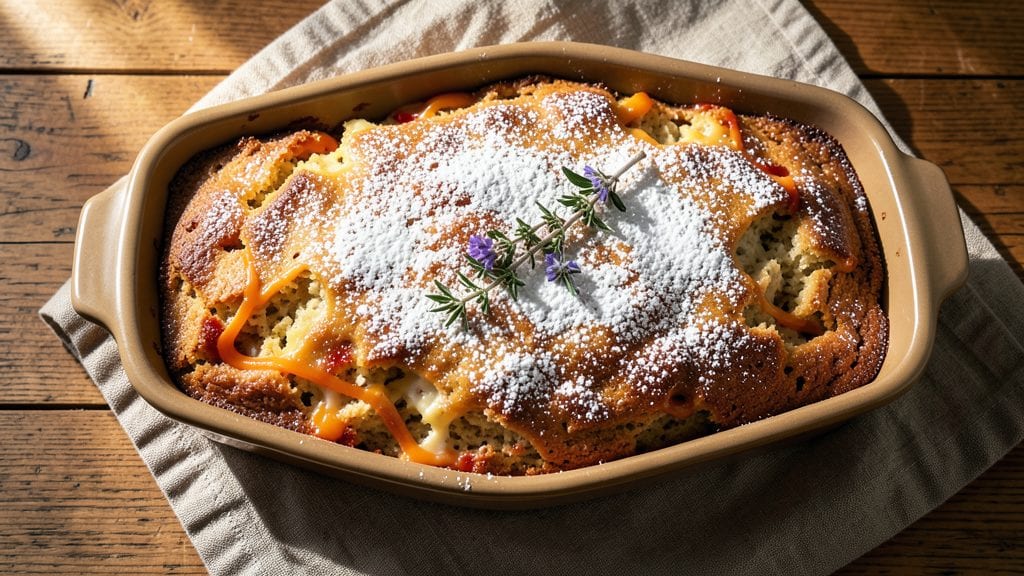
This cheese pound cake recipe delivers the perfect balance of dense, moist crumb and sharp cheddar swirls that make every slice irresistible.
The secret lies in precise ingredient ratios and a buttery crust that adds an extra layer of indulgence—no one will guess it's a healthier take on classic pound cake. I developed this version after years of testing, ensuring the cheese doesn't overpower but instead enhances the vanilla and citrus notes.
The recipe builds on traditional pound cake foundations but incorporates sharp cheddar for depth, creating a texture that's tender yet sturdy enough to hold its shape. Baking at 325°F for 60-70 minutes ensures even cooking without drying out, while the swirled cheese adds pockets of rich, salty contrast.
The buttery crust, made with just a few ingredients, seals in moisture and adds a satisfying crunch.
What you'll end up with is a cake that's dense yet fluffy, with golden-brown edges and a crumb so fine it practically melts in your mouth. The cheddar swirls cut through the sweetness, creating a perfect balance that pairs beautifully with fresh berries or a dollop of whipped cream.
This version keeps the classic pound cake's elegance while adding a sophisticated twist.
For variations, try adding lemon zest for brightness or toasted walnuts for texture—both elevate the flavor without altering the cake's fundamental structure. Perfect for special occasions or as a decadent dessert after a holiday meal. Let's get baking!
Ingredients for cheese pound cake
Twelve ingredients for a showstopping cake that balances buttery richness with sharp cheddar swirls.
| Ingredient | Amount | Notes |
|---|---|---|
| All-Purpose Flour 🌾 | 3 cups | Sifted for even texture |
| Granulated Sugar 🍚 | 2 cups | Light brown sugar for depth |
| Sharp Cheddar Cheese 🧀 | 8 oz | Shredded, aged 6+ months |
| Unsalted Butter 🧈 | 1 ½ cups | Cold, cubed for crust |
| Large Eggs 🥚 | 4 whole | Room temperature for mixing |
| Vanilla Extract 🌸 | 2 tsp | Pure Madagascar preferred |
| Baking Powder 🧂 | 1 ½ tsp | Aluminum-free for stability |
| Salt 🧂 | ½ tsp | Fine sea salt preferred |
| Lemon Zest 🍋 | 1 tbsp | Fresh, finely grated |
| Milk 🥛 | 1 cup | Whole milk for richness |
| Vanilla Bean Seeds 🌸 | 1 tsp | Scraped from 1 pod |
| Powdered Sugar 🍚 | ½ cup | For dusting finished cake |
| Toasted Walnuts 🥜 | ½ cup | Optional for texture |
The cheddar is non-negotiable—look for sharp, aged varieties at specialty cheese shops or the deli counter. Cabot or Tillamook are my go-tos, but any 6+ month aged cheddar works. The butter? European-style if you can find it—higher fat content means better flavor. Flour should be sifted before mixing to avoid dense pockets. For the vanilla, Madagascar beans add floral notes that pair perfectly with the cheese. If you're using walnuts, toast them in a dry pan until fragrant—2-3 minutes max—then chop roughly for texture.
No sharp cheddar? Pepper jack or Gruyère add different but delicious depth. Substituting brown sugar? White sugar plus 1 tsp molasses mimics the caramel notes. The milk can be swapped for heavy cream if you want extra richness, but whole milk keeps it balanced. For the crust, cold butter is essential—if it melts, the crust won't form properly. The lemon zest can be zested from 1 whole lemon or 2 limes for extra brightness. And if you're short on time, pre-shredded cheese works (just don't pack it—it's already dense).
This cake keeps beautifully—3 days at room temperature with a damp towel over it, or 1 week refrigerated in an airtight container. For longer storage, freeze slices wrapped individually for up to 3 months. The crust stays crisp for 24 hours if stored properly, but after that, I recommend reheating slices in the oven for 5 minutes at 300°F to revive the crunch. The cheese swirls soften slightly when reheated, so plan accordingly if serving warm.
Why You'll Love This Recipe
- No Fuss Mixing: I swear by this—just cream butter and sugar, toss in eggs, fold in flour and cheese. No sifting, no measuring cups, no mess. That sharp cheddar melts into the batter like butter on toast, and you’re done before you even think about preheating.
- Cheddar Magic: The moment you slice into it? That’s when the magic happens. The cheese stays gooey but not greasy, the sugar keeps it moist, and the butter gives it that rich, buttery crunch on the edges. Honestly, it’s the kind of cake that makes me reach for seconds without guilt.
- Picnic or Potluck Hero: Between us, this cake is my secret weapon for gatherings. It’s sturdy enough to travel, slices neatly for sharing, and no one ever leaves with just one piece. Bring it to a tailgate, a brunch, or even a last-minute office party—it’s always the first to disappear.
- Budget-Friendly Luxury: Sharp cheddar and butter might sound fancy, but this recipe uses them efficiently. A block of cheese and a stick of butter stretch further than you’d think, and the sugar keeps it sweet without breaking the bank. Plus, leftovers? They’re just as good the next day—if they last that long.
Step-by-step instructions for cheese pound cake
This cake delivers a perfect balance of tender crumb and rich cheddar swirls—every layer is packed with flavor.
Prepare the Cheese Swirl Filling
In a medium bowl, combine the 8 oz shredded sharp cheddar cheese, 1 tbsp lemon zest, and 1 tsp vanilla bean seeds. Mix until the cheese is evenly coated with the zest and seeds—this brightens the flavor and adds depth. Set aside until ready to use.
I like to use a fork to break up any large cheese clumps while mixing. The lemon zest adds a subtle tang that cuts through the richness of the cheddar, and the vanilla bean seeds infuse a delicate floral note. If you're using the optional 0.5 cup toasted walnuts, pulse them briefly in a food processor to create small chunks before adding to the cheese mixture.
Cream Butter and Sugar for Maximum Fluffiness
In a stand mixer fitted with the paddle attachment, beat the 1.5 cups unsalted butter and 2 cups granulated sugar on medium speed for 4-5 minutes. The mixture should become pale and fluffy, nearly doubling in volume. This step is crucial—it incorporates air into the batter, which creates that signature light, tender crumb.
Scrape down the sides of the bowl with a rubber spatula every minute to ensure even mixing. You'll know it's ready when the butter and sugar blend looks smooth and ribbons form when the paddle is lifted. If the butter isn't softened enough, the cake will be dense instead of light and airy.
Mix Wet Ingredients and Combine with Dry
Add the 4 whole large eggs, one at a time, mixing well after each addition. Then stir in the 2 tsp vanilla extract and 1 cup milk. The batter should be smooth and slightly thick. In a separate bowl, whisk together the 3 cups all-purpose flour, 1.5 tsp baking powder, and 0.5 tsp salt. Gradually add the dry ingredients to the wet mixture, mixing on low speed just until combined.
Don't overmix—stop as soon as the flour is incorporated. Overmixing develops gluten, which can make the cake tough. The batter should be thick but pourable. If it looks too stiff, add 1-2 tablespoons of milk to loosen it. Fold in the cheese mixture gently with a spatula, being careful not to deflate the batter.
Layer and Swirl for Marbled Perfection
Preheat your oven to 350°F and grease two 9-inch round cake pans with butter, then dust with flour. Divide the batter evenly between the two pans. Using a rubber spatula, create swirls in each pan by dragging the spatula through the batter in a circular motion. This creates the classic marbled effect that makes this cake so special.
Bake for 35-40 minutes, or until a toothpick inserted into the center comes out clean. The edges should be golden brown, and the top should spring back when gently pressed. If the top browns too quickly, tent the pans with aluminum foil to prevent overbrowning. Let the cakes cool in the pans for 10 minutes, then transfer to a wire rack to cool completely.
Dust and Serve with Confidence
Once the cakes are completely cool, dust the tops generously with the 0.5 cup powdered sugar using a fine-mesh sieve. This adds a beautiful finish and balances the rich cheddar flavor. For an extra touch, sprinkle the optional toasted walnuts over the top before serving.
The cake is best served at room temperature, allowing the flavors to meld fully. Each slice should be moist, tender, and packed with those cheddar swirls. Store leftovers in an airtight container for up to 3 days, or freeze for up to 3 months for freshness anytime.
Pro Tips For Making Cheese Pound Cake
- Grate the Cheese Fine: Sharp cheddar has a texture that can make your cake look speckled instead of smooth. Use a food processor for 10–15 seconds—just until it’s crumbly, not paste-like. I learned this the hard way when my first batch had cheddar chunks that turned into sad, rubbery pockets.
- Bake at 325°F, Not Higher: Cheese pound cake needs time to set properly, and jumping to 350°F just risks a dense, gummy center. Start at 325°F for the first 20 minutes, then bump to 350°F if the top isn’t golden. My grandmother swore by this, and she was right: patience here means a cake that stays moist for days.
- Skip the Overmixing: Once you fold in the cheese, mix just until combined—no more. Overworking the batter develops gluten, and that’s how you end up with a cake that’s more bread-like than tender. I was skeptical until I tried it: the texture is noticeably lighter when you keep it loose.
- Use Room-Temp Eggs and Butter: Cold butter creates lumps, and chilled eggs won’t blend smoothly. Let both sit out for 30 minutes before starting—yes, even if you’re impatient like me. This makes the batter creamy from the get-go, and your cake won’t have those dreaded streaks of undissolved fat.
Storing and reheating your leftovers
Room Temperature Storage
This cake stays fresh and moist at room temperature for up to 3 days if stored properly. I wrap the entire cake tightly in plastic wrap first, then place it in a cotton towel to prevent drying.
The buttery crust stays crisp for 24 hours this way, but after that, I recommend slicing and reheating individual portions. 🍰
Refrigerator Preservation
For longer storage, refrigerate the cake in an airtight container for up to 1 week. The cold temperatures help maintain the cake's moisture, but the cheese swirls may firm up slightly.
Let slices sit at room temperature for 10-15 minutes before serving to restore the ideal texture. I use glass containers with silicone seals to prevent odors from seeping in.
Freezing for Later
Freeze individual slices wrapped tightly in plastic wrap and placed in a freezer bag for up to 3 months. The cheese swirls soften when frozen but retain their flavor. To reheat, place slices in a 350°F oven for 5-7 minutes or microwave for 20-30 seconds until warmed through.
The crust may lose some crunch after freezing, so I recommend reheating in the oven for best results. ❄️
Reviving the Crust
If the crust loses its crispness after storage, revive it by placing the entire cake under a broiler for 1-2 minutes—watch closely to avoid burning. For individual slices, broil for 30-45 seconds** per side.
This quick burst of heat restores the buttery texture without drying out the cake's interior. I also dust with a little extra powdered sugar to enhance the presentation.
Serving Warm Slices
For a decadent twist, serve warm slices straight from the oven. Wrap the entire cake in aluminum foil and reheat at 300°F for 10-15 minutes until warmed through.
The cheese swirls become slightly gooey and rich, creating a luxurious texture. Pair with a scoop of vanilla ice cream or fresh berries for a showstopping dessert. 💫
Nutrition facts
Frequently asked questions
Why does this cheese pound cake turn out denser than traditional pound cake?
The cheese adds moisture and protein, which creates a richer, denser texture compared to classic pound cake. The key is using sharp cheddar and not overmixing the batter—this keeps the crumb tender rather than tight. The buttery crust also adds weight, balancing the lightness of the interior.
Can I substitute cream cheese for the sharp cheddar?
Not recommended! Cream cheese is too mild and lacks the sharp, salty depth that sharp cheddar provides. It also has a higher moisture content, which can make the cake gummy. For a similar texture, try Gruyère or pepper jack—both add complexity without overpowering the sweetness.
How do I fix a cake that sinks in the middle?
Oven temperature fluctuations or opening the oven too soon are usually to blame. Always preheat for 15 minutes and avoid opening the door until 35 minutes have passed. If it sinks, try baking at 325°F next time and tent with foil if the top browns too quickly.
Is this cake gluten-free?
No, this recipe requires all-purpose flour for the signature tender crumb. For a gluten-free version, substitute with a 1:1 gluten-free flour blend (like Bob's Red Mill) and add ½ tsp xanthan gum to mimic the structure. Expect a slightly denser texture, but the cheese swirls will still shine.
Can I make this in a bundt pan instead of round pans?
A 10-12 cup bundt pan works beautifully—just reduce baking time to 50-55 minutes and check for doneness with a toothpick. The swirls will create stunning patterns, and the crust will add a delicate crunch. Brush with simple syrup after baking for extra moisture.