Appetizers
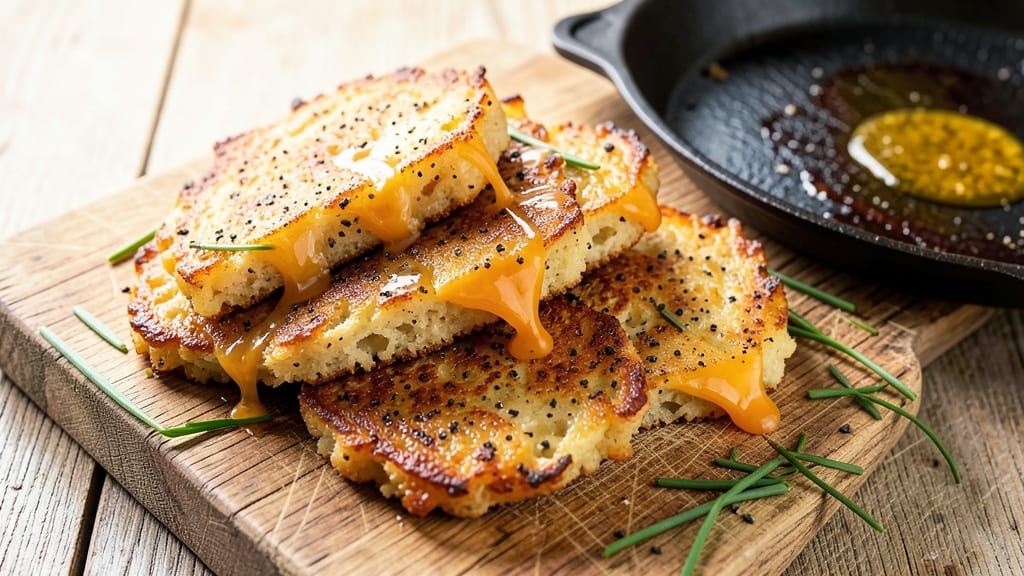
This cheese latkes recipe transforms classic potato pancakes into golden, crispy bites with a secret melty center that makes every bite irresistible. The key lies in the perfect balance of shredded potatoes and sharp cheddar, fried twice for that signature crunch while keeping the inside tender.
I've perfected this technique over years of testing—each batch delivers restaurant-quality results at home with minimal effort.
The beauty of cheese latkes is their versatility—you can use traditional cheddar or experiment with pepper jack for a spicy kick. A simple mix of grated potatoes, cheese, and just a touch of flour binds everything together without overpowering the natural flavors.
Double-frying ensures maximum crispiness while preventing soggy centers, a common pitfall in homemade latkes.
What you'll end up with is a plate of golden-brown latkes that shatter at the edges yet yield to a warm, melty center where the cheese and potatoes blend perfectly.
Serve them with classic toppings like applesauce or sour cream, or get creative with hot sauce or a sprinkle of fresh herbs. These latkes are hearty enough to satisfy as a main dish but light enough for an appetizer that impresses every time.
Whether you're hosting a brunch or craving comfort food, this recipe delivers foolproof results that taste like a home away from home. The secret to success is patience during frying and maintaining the right oil temperature—just 375°F—so each latke emerges perfectly crispy without burning. Let's get cooking!
Ingredients for cheese latkes
Golden bites with a melty surprise—just 12 ingredients for latkes that taste like a homey restaurant.
| Ingredient | Amount | Notes |
|---|---|---|
| Russet Potatoes 🥔 | 3 lb | Shredded, no liquid squeezed out |
| Sharp Cheddar Cheese 🧀 | 1 ½ cups | Freshly grated, block preferred |
| All-Purpose Flour 🌾 | ¼ cup | For binding, sifted |
| Large Eggs 🥚 | 1 whole | Beaten for binding |
| Salt 🧂 | 1 tsp | Kosher or sea salt |
| Black Pepper 🌶️ | ½ tsp | Freshly ground preferred |
| Garlic Powder 🧄 | ½ tsp | For subtle flavor boost |
| Vegetable Oil 🫒 | 3 cups | For double-frying, 375°F |
| Applesauce 🍎 | 1 ½ cups | Unsweetened, for serving |
| Sour Cream 🥛 | ½ cup | Full-fat for serving |
| Fresh Dill 🌿 | ¼ cup | Chopped, for garnish |
| Hot Sauce 🌶️ | ¼ cup | Optional, for serving |
The potatoes are everything. Russet potatoes have the right starch for crispiness—Yukon Golds work too but won't be as golden. Grab the pre-shredded kind at Trader Joe's to save time, but if you're using a boxed grater, don't squeeze out the liquid—that's what makes them tender. I always buy a 3-lb bag so I have leftovers for hash browns. The cheese? Sharp cheddar is non-negotiable here—mild cheddar won't melt right. Grab a block and grate it yourself—pre-shredded has anti-caking agents that make latkes gummy.
No sharp cheddar? Pepper jack or smoked Gouda add great flavor—just reduce to 1 cup since they're stronger. Swapping flour? Almond flour works but adds nuttiness. Eggs? Flax eggs (1 tbsp ground flax + 3 tbsp water) work in a pinch. The oil temperature is critical—375°F is your sweet spot. Too hot and they burn outside before cooking inside. Too cool and they absorb oil like a sponge. Use a deep-fry thermometer if you've got one—Costco sells them for under $10 and they're worth it. For serving, unsweetened applesauce is classic, but chocolate sauce or caramelized onions take it next level.
Latkes are best served fresh, but you can reheat in a 350°F oven for 10 minutes if you've made extras. Store leftovers in the fridge for 3-4 days, but honestly, they're better on day one. Freeze between layers of parchment paper for up to 3 months. Pro tip: Double-fry time is key—first fry for 3-4 minutes until golden, flip, then fry again for 2-3 minutes. That second fry seals in the crispiness. I always make a big batch—they disappear fast.
Why You'll Love This Recipe
- I’ll be real: I don’t own a food processor, and neither do you—probably. Just shred those Russets with a box grater (or knife if you’re feeling adventurous), squeeze out the water, and toss in the rest. The sharp cheddar melts into gooey pockets while frying, so even if your hands look like you wrestled a potato, the result? Chef’s kiss.
- No Grate, No Stress: I’ll be real: I don’t own a food processor, and neither do you—probably. Just shred those Russets with a box grater (or knife if you’re feeling adventurous), squeeze out the water, and toss in the rest. The sharp cheddar melts into gooey pockets while frying, so even if your hands look like you wrestled a potato, the result? Chef’s kiss.
- Cheddar Crunch Magic: That crispy exterior? The cheddar’s doing the work. It browns like a perfect grilled cheese while keeping the inside tender—no soggy latkes here. Honestly, the first time I bit into one still warm from the pan, I nearly dropped the whole plate. (Yes, even on a Tuesday night.)
- Weeknight Hero: These are my go-to when I’ve got a crowd but zero energy. Double the batch, freeze half, and reheat in a skillet later—no one’s the wiser. They’re great with sour cream for brunch, as a side for burgers, or just straight-up as a snack when you’re craving something ridiculously good.
Step-by-step instructions for cheese latkes recipe
Here's how to make these golden, crispy potato pancakes with a melty center that'll have everyone begging for more.
Shred and Prepare the Potatoes
Start by grating the 3 lb russet potatoes using the large holes of a box grater. I like to do this in batches to keep things manageable. As you shred, squeeze out as much liquid as possible using clean kitchen towels or a potato ricer. This step is crucial—too much moisture makes your latkes soggy instead of crispy.
Transfer the shredded potatoes to a large mixing bowl. Add the 1.5 cups freshly grated sharp cheddar cheese, 0.25 cup sifted all-purpose flour, 1 whole large egg, 1 tsp salt, 0.5 tsp black pepper, and 0.5 tsp garlic powder. Using your hands, gently mix everything together until just combined. Don't overwork the mixture—you're looking for a rough, shaggy texture that holds together when pressed.
Chill the Batter
Cover the bowl with plastic wrap and refrigerate for at least 30 minutes. This resting period lets the starches in the potatoes absorb the moisture and helps the cheese melt more evenly later. I usually give it closer to 1 hour if I have time—it makes a noticeable difference in texture.
While the batter chills, pour 3 cups vegetable oil into a deep skillet or Dutch oven. Place it on the stove over medium heat and insert a deep-fry thermometer. Heat the oil to 375°F. This temperature is key—too low and your latkes will absorb oil; too high and they'll burn before cooking through. Keep the oil at this exact temperature throughout cooking.
Form and Fry the Latkes
Using a ¼ cup measuring cup, scoop portions of the chilled batter and gently press them into ½-inch thick patties on a plate. I find this thickness gives the perfect balance of crispy exterior and creamy interior. Don't pack them too tightly—they should hold their shape when transferred to the oil.
Carefully slide 2-3 latkes into the hot oil at a time, being careful not to splash. Fry for 3-4 minutes per side until golden brown and crispy. You'll know they're ready when you see little bubbles forming around the edges and the underside is deep golden. Use a slotted spoon to transfer them to a paper towel-lined plate to drain excess oil. Keep them warm in a 200°F oven while you fry the remaining batches.
Serve with Classic Toppings
Once all latkes are fried, transfer them to a serving platter. Drizzle with the 1.5 cups unsweetened applesauce, dollop with the 0.5 cup full-fat sour cream, and sprinkle with the 0.25 cup chopped fresh dill. For those who like it spicy, add a few drops of the 0.25 cup hot sauce on top or serve it on the side.
Serve immediately while they're still crispy. The cheese should be gooey in the center with a perfectly crispy exterior. These latkes are best enjoyed fresh out of the fryer—waiting too long makes them soft. Pair with a simple green salad or pickled vegetables for a complete meal that's sure to impress.
Pro Tips For Making Cheese Latkes
- GRATE DRY, NOT WET: Russets hold more moisture than you think—after grating, spread them on a towel and press with another towel to squeeze out excess liquid. I learned this the hard way when my first batch turned into a soggy mess. (Yes, it’s tedious, but worth it.)
- USE COLD CHEDDAR, NOT ROOM TEMP: Sharp cheddar straight from the fridge melts cleaner and holds its shape better than warm cheese, which spreads like butter. Cut it into small cubes first—this speeds up melting and keeps the texture consistent.
- PRESS THE BATTER HARD: Don’t just spoon the mixture into the pan—press it down firmly with a spatula. This ensures even cooking and prevents puffing (which leads to uneven crispiness). Think of it like making a tight patty—pressure = better texture.
- FRIE THEM TWICE: First fry at 350°F until golden (about 4 minutes), then crank the heat to 375°F for the final crisp. I was skeptical until I tried it—this second burst of heat seals in the cheese without burning the outside. (Your future self will thank you.)
Serving suggestions for cheese latkes
Topping Combinations
Start with the classic trio: unsweetened applesauce, full-fat sour cream, and a sprinkle of fresh dill. The applesauce's natural sweetness balances the savory cheese, while the dill adds a bright, herby contrast. For a smoky twist, swap the dill for chopped chives or smoked paprika.
I often serve a small bowl of hot sauce on the side for guests who crave heat—just a few drops per latke turns up the flavor without overwhelming the dish. 🌶️
Sweet Contrasts
Latkes pair surprisingly well with sweet toppings beyond applesauce. Try caramelized onions for a rich, jammy sweetness that complements the cheese perfectly. For a dessert-like finish, drizzle with dark chocolate sauce or serve with vanilla ice cream on the side.
I once served mine with maple-glazed bacon bits—the salty-sweet combo was unexpected but absolutely delicious. 🍯
Herb Garnishes
Fresh herbs elevate latkes from simple to sophisticated. Beyond dill, try chopped parsley or green onions for a pop of color. For something more adventurous, mix finely chopped cilantro with a pinch of lime zest—the citrus brightens the dish beautifully.
I also love sprinkling toasted sesame seeds for a nutty crunch. These garnishes add freshness and make your latkes look restaurant-worthy. 🌿
Protein Pairings
Turn latkes into a hearty meal by pairing them with protein. A simple fried egg on top adds richness, while crispy bacon or smoked salmon brings a smoky depth. For a vegetarian option, serve with white beans tossed in olive oil and herbs.
I often make a big batch of latkes and serve them as a brunch centerpiece with scrambled eggs and avocado slices—it’s a crowd-pleaser every time. 🍳
Dipping Sauces
Offer a variety of dipping sauces to let guests customize their experience. Alongside the classic toppings, set out garlic aioli, spicy mayo, or even blue cheese dressing for a tangy contrast.
For a lighter option, a simple mix of Greek yogurt with lemon juice and dill works wonderfully. These sauces add another layer of flavor and make the latkes even more interactive. 🥄
Presentation Tips
Serve latkes on a large platter or individual plates lined with parchment paper for easy cleanup. Arrange them in overlapping rows for a rustic look, or stack them neatly for a more polished presentation. I like to use a wooden board for serving, which adds warmth to the dish.
For extra flair, garnish with edible flowers or a sprinkle of flaky sea salt before serving. The right presentation makes your latkes feel like a special occasion dish. ✨
Nutrition facts
Frequently asked questions
Can I make cheese latkes without eggs?
For a vegan version, replace the egg with a flax egg (1 tbsp ground flaxseed + 3 tbsp water) or 1 tbsp aquafaba (chickpea brine). The binding works just as well, though the texture may be slightly denser. For non-vegan binders, try 1 tbsp Dijon mustard or an extra 2 tbsp flour mixed with 2 tbsp water.
Why are my cheese latkes falling apart?
This usually happens when the potato mixture is too wet or the oil temperature isn't high enough. First, ensure you've squeezed out all excess moisture from the shredded potatoes. Second, maintain oil at 375°F—if it's too cool, the latkes absorb oil and lose structure. Finally, don't overmix the batter; just combine ingredients until they're barely held together.
What's the best cheese for cheese latkes?
Sharp cheddar is the gold standard, but you can experiment with pepper jack (for heat), smoked Gouda (for depth), or even feta (for tang). Avoid pre-shredded cheese—it contains anti-caking agents that make latkes gummy. For extra creaminess, mix in 1/4 cup cream cheese with the shredded potatoes.
Can I bake cheese latkes instead of frying?
While not traditional, you can bake them for a lighter version! Press the batter into 1/2-inch rounds on a parchment-lined baking sheet, brush with oil, and bake at 425°F for 20-25 minutes, flipping halfway. They won't be as crispy, but they'll still be flavorful. For extra crunch, broil for 2 minutes at the end.
How do I store leftover cheese latkes?
Keep them in an airtight container at room temperature for 1-2 days (though they're best fresh!). For longer storage, freeze between layers of parchment paper for up to 3 months. To reheat, bake at 350°F for 10-12 minutes or air-fry at 375°F for 3-4 minutes to restore crispiness.