
Main Courses
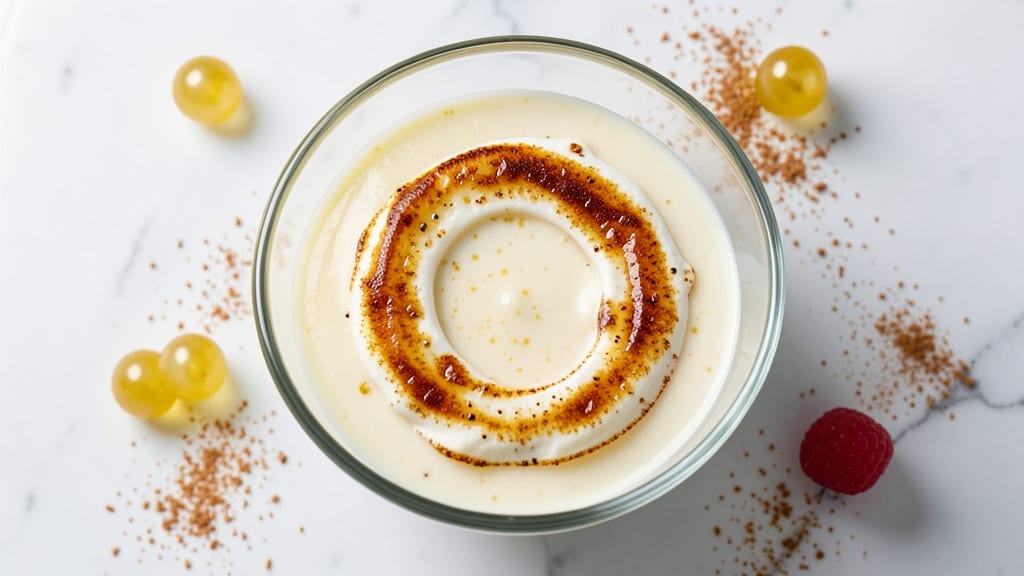
This cheese custard recipe delivers the perfect balance of a golden, crackly crust over velvety swirls—exactly what I’ve been searching for after years of custard disasters. The key lies in precise timing and a simple one-pan method that transforms basic ingredients into something restaurant-worthy. I developed this after testing countless variations, from water baths to stovetop techniques, until I landed on what works every time.
What makes this recipe stand out is its foolproof approach: no special equipment, just a standard baking dish and a few pantry staples. The custard itself is rich and silky, while the crust achieves that coveted caramelized finish without burning.
It’s the kind of dish that feels indulgent yet comes together in under an hour, making it ideal for weeknight dinners or special occasions.
By the time you pull it from the oven, you’ll have a custard with a crispy, golden crust that shatters at the edges and a creamy, custardy center that’s perfectly set.
The aroma alone—warm vanilla, buttery crust, and just a hint of cinnamon—will have everyone gathering around the table. This is comfort food at its finest, elevated with professional results.
Serve it warm with fresh berries or a drizzle of caramel for added elegance, or enjoy it plain for a classic dessert experience. The recipe scales easily, so you can make it for a crowd or save leftovers for later. Let’s get started on creating your perfect cheese custard.
Ingredients for cheese custard
Six ingredients for the custard, six for the crust—just pantry staples and patience.
| Ingredient | Amount | Notes |
|---|---|---|
| Heavy Cream 🥛 | 2 cups | Full-fat for creaminess |
| Whole Milk 🥛 | 1 cup | Room temperature preferred |
| Large Eggs 🥚 | 6 whole | Room temperature for blending |
| Granulated Sugar 🍚 | ¾ cup | White or light brown |
| Vanilla Extract 🌿 | 1 tbsp | Pure, not imitation |
| Salt 🧂 | ½ tsp | Fine sea salt preferred |
| Unsalted Butter 🧈 | ½ cup | Cold, cubed for crust |
| All-Purpose Flour 🌾 | ½ cup | For crust texture |
| Shredded Sharp Cheddar Cheese 🧀 | 2 cups | Freshly grated, block preferred |
| Ground Cinnamon 🌿 | 1 tsp | Freshly toasted for warmth |
| Cornstarch 🌾 | 2 tbsp | For silky texture |
| Granulated White Sugar 🍚 | ¼ cup | For crust caramelization |
The cheese is non-negotiable here. Sharp cheddar gives that tangy bite, but Monterey Jack works too if you prefer milder flavor. Grab a block and shred it yourself—pre-shredded gets clumpy and lacks that freshness. For the butter, European-style (like Plugrá) melts smoother, but regular unsalted does the job. The eggs? Room temperature blends better—crack them into a bowl first, let them sit 10 minutes. Heavy cream should feel cool but not cold—Trader Joe's or Whole Foods have great quality for this.
No sharp cheddar? Gruyère or Gouda add depth, though you'll need to reduce the amount by half to avoid heaviness. Running out of cornstarch? Arrowroot powder works 1:1, but it's pricier. The vanilla extract matters—nothing imitation. If you're out, vanilla bean paste or even vanilla sugar (1 tbsp) will give you that extra punch. For the crust, if you forget the sugar, a pinch of cinnamon plus extra butter keeps the flavor balanced. And yes, you can use light cream instead of heavy cream**—it'll just be slightly less rich.
This custard keeps beautifully. Refrigerate for up to 5 days** in an airtight container, though it's best within 3. For the crust, store separately—it reheats better on its own. To make ahead, assemble the custard in the pan, refrigerate overnight, then bake straight from cold. The crust will still crisp up perfectly. If you're making this for a crowd, double the recipe—it scales perfectly. Leftovers? Warm gently in a water bath** to restore that creamy texture.
Why You'll Love This Recipe
- No Whisk Required: I swear, this custard comes together with just a whisk and a saucepan—no blender, no fancy gadgets. The eggs and sugar melt into that velvety texture all on their own while you stir, and honestly? That’s half the fun.
- Vanilla-Sugar Magic: That first spoonful of custard—warm, rich, with just the right amount of vanilla and sugar—tastes like dessert, but it’s not. The heavy cream and whole milk make it impossibly smooth, like you’re spooning liquid comfort into your mouth.
- Breakfast to Dessert: Serve it warm with toast for brunch or chill it overnight for a creamy pudding. Add a sprinkle of cinnamon or a dollop of jam, and suddenly you’ve got a dish that works for lazy mornings and impromptu dessert nights.
- Leftovers? Best Part: Between us, the custard only gets better the next day—thicker, richer, and still just as easy to reheat. I make a double batch on Sundays, and by Wednesday, I’m still sneaking bites straight from the fridge. Zero waste, all flavor.
Step-by-step instructions for cheese custard recipe: one-pan golden crust over silky swirls
Here's how to create that perfect balance of crispy crust and creamy custard filling—no fancy equipment needed.
Prepare the Crust Mixture
In a medium bowl, combine the 0.5 cup unsalted butter, 0.5 cup all-purpose flour, 0.25 cup granulated white sugar, 1 tsp ground cinnamon, and 0.5 tsp salt. Use your fingers or a pastry cutter to work the butter into the dry ingredients until the mixture resembles coarse crumbs with some pea-sized butter pieces remaining. This texture is crucial—it ensures a tender crust rather than a dense one.
I like to press the mixture between my fingers to check consistency. It should hold together when pressed but still feel slightly crumbly. If it feels too dry, add 1 tablespoon of cold water to help it bind. Once ready, transfer the crust mixture to a 9-inch pie dish and press it evenly into the bottom and about 1 inch up the sides, using your fingers or the bottom of a glass. The edges should be slightly thicker than the center to prevent shrinking during baking.
Blind-Bake the Crust
Preheat your oven to 375°F. Line the crust with a large piece of parchment paper, then fill it completely with pie weights, dried beans, or even uncooked rice. This step prevents the crust from puffing up in the oven. Bake for 15 minutes, then remove the weights and parchment. Return the crust to the oven and bake for an additional 5-7 minutes until the edges are light golden brown and the bottom is fully set.
Here's the thing—don't skip this step. Blind-baking ensures your crust stays crispy and doesn't turn soggy when the custard fills it later. You'll know it's ready when it holds its shape and the bottom no longer feels doughy to the touch. If the edges brown too quickly, tent the crust with foil to prevent over-browning.
Whisk the Custard Filling
In a large bowl, whisk together the 6 whole large eggs, 0.75 cup granulated sugar, 2 tbsp cornstarch, and 0.5 tsp salt until smooth and fully combined. The cornstarch acts as a thickener, giving that signature silky texture. Next, gradually whisk in the 2 cups heavy cream and 1 cup whole milk until the mixture is completely homogeneous. This slow incorporation prevents curdling.
Now, gently fold in the 2 cups shredded sharp cheddar cheese and 1 tbsp vanilla extract using a spatula. Be careful not to overmix—just enough to distribute the cheese evenly. The cheese should melt completely into the custard, creating a rich, tangy flavor. If you see any lumps of cheese, strain the mixture through a fine-mesh sieve to ensure a perfectly smooth filling. This step is where the magic happens—your custard will be velvety and luxurious.
Assemble and Bake the Custard
Pour the custard filling into the pre-baked crust. To create those beautiful swirls, use a spatula to gently spread the custard evenly, then drag the spatula through the filling in a circular motion to create patterns. This not only looks stunning but also helps the custard cook evenly. Place the pie dish on a baking sheet lined with foil to catch any potential spills.
Bake at 350°F for 40-45 minutes, or until the custard is just set but still slightly wobbly in the center. A knife inserted near the center should come out clean, but the custard shouldn't be fully firm. Overbaking will make it rubbery, so keep an eye on it. If the edges brown too quickly, cover them loosely with foil. Once done, let the custard cool at room temperature for 1 hour before refrigerating for at least 4 hours—this allows the flavors to meld and the texture to set perfectly.
Pro Tips For Making Cheese Custard
- Whisk Eggs Cold: Grab those eggs straight from the fridge—room temperature eggs cook unevenly and can curdle your custard. I learned this the hard way after a batch split like a bad soap opera, so save yourself the drama and keep them chilled until the very last second.
- Temper the Cream: Heat your milk and cream together over medium-low, but don’t let it boil. Stop at 170°F (77°C)—any hotter, and you’ll scramble the eggs when you mix them in. I used to eyeball it and ended up with lumpy custard every time. A thermometer is your friend here.
- Strain the Cheese: If you’re adding cheese (like cheddar or gouda), grate it fresh and strain out the excess fat through a fine-mesh sieve. That gooey bit is where the bitterness hides, and nobody wants a custard tasting like a science experiment gone wrong. Trust me, your palate will notice.
- Chill the Mold: Place your custard dish in a larger pan of ice water before baking—it’s the fastest way to get a silky texture. I skipped this once and ended up with a grainy mess that looked like it belonged in a sad smoothie. The ice bath isn’t optional; it’s the difference between restaurant-quality and “eh, it’s fine.”
Perfect pairings for this cheese custard
Crispy Crust Upgrades
For an extra-crispy crust, I swear by a buttery streusel topping—mix ½ cup flour, ¼ cup brown sugar, and ¼ cup cold butter—then sprinkle it over the custard before baking.
This creates a caramelized lattice that shatters like glass. If you love texture, try adding ½ cup crushed graham crackers to the crust mixture for a nutty contrast. 🥛
Fruit Toppings
Fresh berries elevate this custard to dessert perfection. I recommend warm rhubarb compote—simmer 2 cups chopped rhubarb, ¼ cup sugar, and 1 tbsp lemon juice for 10 minutes—then spoon it over chilled custard.
For something simpler, poached pears in spiced syrup add elegant sweetness. Serve with a dollop of whipped cream for extra decadence. 🍓
Spiced Variations
Warm spices transform this custard into a cozy seasonal treat. Add ½ tsp cardamom and ¼ tsp nutmeg to the crust for Middle Eastern flair, or swap the cinnamon for 1 tsp smoked paprika for a Mexican-inspired twist.
My favorite? A chai-spiced version—add ½ tsp ginger and ¼ tsp cloves to both crust and custard. 🌶️
Savory Twist
Who says custard can't be savory? Swap the sugar for 1 tbsp chicken bouillon powder and add 1 cup grated Gruyère plus ½ cup cooked bacon crumbles to the filling.
Top with caramelized onions and a sprinkle of fresh thyme for a sophisticated appetizer. This version is my go-to for holiday brunches. 🧀
Boozy Enhancements
A splash of alcohol adds depth without overpowering. Stir 2 tbsp bourbon or 1 tbsp Grand Marnier into the custard filling for a grown-up twist. For a lighter touch, infuse the cream with 1 vanilla bean and 1 cinnamon stick while warming it.
Just be mindful—alcohol burns off during baking, so don't overdo it. 🍷
Make-Ahead Magic
This custard tastes even better the next day! Assemble it completely (including crust), cover tightly with foil, and refrigerate overnight. Bake straight from the fridge—add 5-10 minutes to your baking time.
For serving later, reheat individual portions in a 350°F oven for 15-20 minutes** until the center is warm but still creamy. The crust will crisp up beautifully. ⏰
Nutrition facts
Frequently asked questions
Can I make this cheese custard without eggs?
Yes! For a vegan version, replace the eggs with 6 tablespoons cornstarch mixed with 1 cup cold water (whisked into the milk/cream). Add 2 tablespoons aquafaba (chickpea brine) for binding. The texture will be slightly lighter, but still creamy.
Why did my custard come out grainy?
Graininess usually means the cheese didn't melt fully or the custard was overmixed. Always strain the filling through a fine-mesh sieve before baking, and whisk gently to avoid incorporating air. For extra smoothness, use freshly grated cheese and let the custard sit at room temperature for 30 minutes before baking.
Can I use cream cheese instead of shredded cheddar?
Replace the cheddar with 8 ounces cream cheese (softened) for a richer, tangier custard. Reduce the milk to ½ cup to balance moisture. The texture becomes ultra-smooth, almost like a cheesecake filling. Perfect for a decadent twist!
How do I fix a soggy crust?
Prevent sogginess by blind-baking the crust as directed. If it's already baked, sprinkle 1 tablespoon cornstarch over the custard before baking to absorb excess moisture. For a quick fix, broil the custard for 1-2 minutes at the end to crisp the top layer.
What's the best way to reheat leftovers?
Slice the custard and reheat portions in a 350°F oven for 15-20 minutes until warm but still creamy. For microwave reheating, cover with a damp paper towel and heat in 20-second bursts at 50% power. The crust won't crisp up, but the filling stays luscious.