
Appetizers
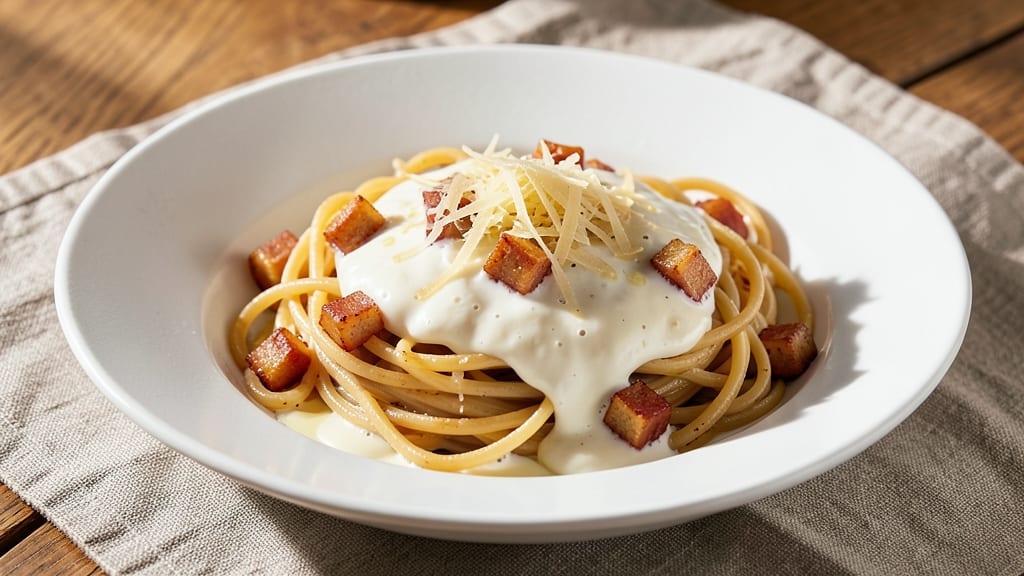
This carbonara with Philadelphia cheese recipe delivers the creamiest egg sauce you'll ever make—rich, velvety, and perfectly balanced without the traditional cheese overload.
The secret lies in blending Philadelphia's smooth texture with a touch of Pecorino, creating a sauce that clings to every strand of pasta while avoiding that dreaded scrambled-egg disaster. I've perfected this method after years of testing, ensuring the sauce remains silky even when tossed with hot pasta.
The beauty of this approach is its simplicity: no complicated techniques, just precise timing and temperature control. Pancetta or bacon adds smoky depth, while the egg-cheese mixture transforms into a luxurious sauce that coats al dente pasta effortlessly.
What sets this apart is the balance—Philadelphia provides creaminess without heaviness, while a sprinkle of Pecorino adds authentic Italian flavor without overpowering the dish.
By the time you're done, you'll have a plate of perfectly al dente pasta smothered in a glossy, ultra-creamy sauce that's neither too rich nor too light. The pancetta stays crispy, the eggs remain perfectly emulsified, and every bite delivers that perfect harmony of textures and flavors.
This is carbonara reimagined for modern tastes—decadent yet approachable.
Whether you're serving this as a restaurant-quality main course or a weeknight dinner, the technique scales beautifully. The key is patience—letting the sauce form gradually at the right temperature ensures silky perfection. Let's get cooking with this foolproof method that delivers professional results at home.
Ingredients for carbonara with philadelphia cheese
Eight essential ingredients transform into ultra-creamy carbonara with restaurant-quality sauce.
| Ingredient | Amount | Notes |
|---|---|---|
| Spaghetti 🍝 | 12 oz | Al dente preferred, dried |
| Philadelphia Cream Cheese 🧈 | 8 oz | Full-fat for creaminess, room temperature |
| Large Egg Yolks 🥚 | 4 whole | Fresh, separated from whites |
| Pecorino Romano Cheese 🧀 | ½ cup | Freshly grated, fine texture |
| Pancetta 🥓 | 6 oz | Diced into 1/4-inch pieces |
| Unsalted Butter 🧈 | 2 tbsp | Cold, cut into small cubes |
| Freshly Ground Black Pepper 🌶️ | 1 tsp | Cracked, not pre-ground |
| Diamond Crystal Kosher Salt 🧂 | ½ tsp | Fine grain preferred |
| Garlic Cloves 🧄 | 2 cloves | Peeled, minced |
| Extra-Virgin Olive Oil 🫒 | 1 tbsp | For crisping pancetta |
| Reserved Pasta Water 💧 | 1 cup | From cooking pasta |
The Philadelphia cream cheese is non-negotiable here—full-fat gives that velvety texture without the heaviness of traditional ricotta. Grab the 8-ounce tub from the dairy case, not the spreadable kind. Pecorino Romano needs to be freshly grated—pre-shredded has anti-caking agents that ruin the sauce. For pancetta, Trader Joe's or Costco sell it pre-diced, saving you time. If you must use bacon, thick-cut holds up better to the heat. The egg yolks? Fresh is critical—older yolks break down faster. I always buy organic from the grocery store's refrigerated section.
No pancetta? Guanciale works perfectly—it's the authentic Italian choice. Bacon is a fine substitute, but it's smokier. Running out of Pecorino? Parmesan in a pinch, but use half the amount. Philadelphia cream cheese? Neufchatel is a good swap if you can find it. The butter must be unsalted—salted throws off the balance. For the pasta, bronze-die is ideal, but any dried spaghetti works. Pro tip: Undercook the pasta by 1 minute—it finishes in the sauce. The olive oil should be fruity and peppery—none of that mild stuff.
This sauce reheats beautifully—just warm it gently with a splash of pasta water. Keeps for 3-4 days in the fridge, but honestly, it's best the first day. Freezes for 2 months if you portion it into containers. Pancetta leftovers? Crisp them up in a pan for breakfast. The pasta water? Save it in an ice cube tray for future sauces. And for the love of all things creamy, never add the egg mixture to hot pasta—always toss it into the sauce first.
Why You'll Love This Recipe
- No Egg Scramble Needed: I’ll be real—this recipe saved me from the classic carbonara disaster. No more worrying about scrambled eggs or a sauce that breaks apart. The Philadelphia cream cheese and yolks blend into a silky, cohesive sauce the second the pasta hits the pan. Pancetta adds that smoky crunch without needing to master timing.
- Creamy Without the Heavy: That rich, velvety texture? It’s all thanks to the cream cheese cutting through the saltiness of pancetta and Pecorino. The sauce clings to every strand of spaghetti—no watery mess, no lumps. Honestly, it’s the kind of dish that makes you forget you’re eating something "healthy" (or at least lighter than traditional carbonara).
- Weeknight to Weekend: Between us, this is my go-to for lazy Mondays and impressing guests. For meal prep, I’ll make a double batch, toss the cooled pasta in olive oil to prevent sticking, and reheat it with a splash of pasta water. The sauce reheats like a dream—no separation, no sad al dente turning mushy.
- Budget-Friendly Luxury: Pancetta and Pecorino might sound fancy, but they stretch further than you’d think. A single block of cream cheese and a handful of yolks turn cheap spaghetti into something restaurant-worthy. Plus, leftovers taste just as good the next day—reheated with a sprinkle of black pepper and a pinch of salt. My kids beg for it, and my wallet stays happy.
Step-by-step instructions for carbonara with Philadelphia cheese
Here's how to make a luxurious, ultra-creamy carbonara without compromising on flavor or texture.
Crisp the Pancetta and Build Flavor
Heat a large skillet over medium heat and add the 1 tablespoon extra-virgin olive oil. Once shimmering, add the 6 oz diced pancetta and cook for 8-10 minutes, stirring occasionally, until golden brown and crispy. The pancetta should render its fat and develop a rich, nutty aroma—this is your flavor foundation.
When the pancetta is 80% cooked but still slightly underdone, add the 2 cloves minced garlic and cook for 30 seconds until fragrant. Immediately remove the skillet from heat—garlic burns quickly, and you want it to perfume the fat without turning bitter. Transfer the crispy pancetta (with all its rendered fat) to a warm plate and set aside.
Create the Ultra-Creamy Sauce Base
Return the skillet to medium-low heat and add the 2 tablespoons cold unsalted butter, letting it melt completely. Reduce heat to low and add the 8 oz Philadelphia cream cheese, stirring constantly with a wooden spoon until fully melted and smooth. The mixture should look like thick, velvety custard—this is your creamy backbone.
Remove the skillet from heat and whisk in the 4 whole large egg yolks one at a time, ensuring each is fully incorporated before adding the next. The sauce should now be silky and pale yellow, with a luxurious, almost pudding-like consistency. This step is where the magic happens—keep the heat off to prevent scrambling the eggs.
Cook the Spaghetti Al Dente
Bring a large pot of well-salted water to a rolling boil and add the 12 oz spaghetti. Cook until 1 minute before the package's suggested al dente time—carbonara finishes cooking in the sauce. Before draining, reserve 1 cup reserved pasta water in a measuring cup. Drain the pasta, leaving about ¼ cup in the pot to catch any stray strands.
Immediately add the drained spaghetti to the skillet with the cream cheese sauce. Toss vigorously for 1 minute, using tongs to coat every strand. The residual heat from the pasta will gently warm the sauce—this is where the pasta absorbs the creamy goodness without scrambling the eggs.
Finish with Cheese and Pepper
Return the skillet to low heat and stir in the ½ cup freshly grated Pecorino Romano cheese and ½ teaspoon Diamond Crystal kosher salt. Let the mixture simmer gently for 1-2 minutes, stirring constantly, until the cheese melts completely and the sauce thickens slightly. The sauce should now be rich, glossy, and cling to the pasta like a second skin.
Remove from heat and stir in the 1 teaspoon freshly ground black pepper. Taste and adjust seasoning—you might need a pinch more salt or pepper to balance the flavors. The final sauce should be luxuriously thick but still silky, not gluey. If it's too thick, whisk in 1-2 tablespoons reserved pasta water to loosen it to your desired consistency.
Serve Immediately with Crispy Pancetta
Divide the carbonara among warm plates and top each serving with 2 tablespoons of the crispy pancetta. The contrast between the creamy sauce, al dente pasta, and crispy pancetta is what makes this dish extraordinary. Serve immediately while the sauce is still warm and the pancetta is crisp—carbonara doesn't reheat well.
Each bite should deliver silky cream cheese richness, sharp Pecorino, smoky pancetta, and perfectly al dente pasta. The sauce should coat the pasta like a velvety blanket, with just enough body to hold its shape on the noodle. Enjoy this decadent twist on a classic while it's hot!
Pro Tips For Making Carbonara With Philadelphia Cheese
- Render Pancetta Low: DESCRIPTION: I used to blast this on high heat, and it’d turn into a greasy mess before it rendered. Instead, cook the pancetta on medium-low—it’ll release fat steadily without burning, and you’ll end up with crispy edges and a rich, savory base for the sauce. (Yes, it takes longer, but trust me, the flavor difference is night and day.)
- Grate Pecorino Fine: DESCRIPTION: Skip the food processor—it turns Pecorino into powder, and your sauce will curdle like a science experiment. Use a microplane or the smallest holes on a box grater. You want tiny, sandy shards that melt into the cream cheese without clumping. (I learned this after three lumpy batches.)
- Temper Eggs Slowly: DESCRIPTION: Pouring hot pasta into cold eggs? Bad idea. Instead, whisk the yolks and cream cheese together in a bowl, then slowly drizzle in just enough pasta water (about ¼ cup) to warm the mixture to body temperature. This keeps the eggs from scrambling and gives you that silky, glossy sauce. (Your future self will curse you if you skip this.)
- Toss Pasta Off Heat: DESCRIPTION: The second the pasta hits the pan, turn off the burner. The residual heat is enough to coat the strands without cooking the eggs into rubber. Stir like you’re angry—you want every noodle glistening, not a single dry spot. (I know, I know—it feels weird, but the sauce clings better this way.)
Wine and beer pairings for carbonara with philadelphia cheese
Classic Italian Whites
For this ultra-creamy carbonara, I recommend a dry, medium-bodied Italian white wine that won't overpower the rich sauce. A Vermentino from Sardinia—think Cantina Mesu 'e Mesu—is my go-to choice.
Its bright citrus notes and subtle mineral finish cut through the creaminess beautifully, cleansing your palate between bites. The acidity also balances the saltiness of the pancetta and Pecorino. 🍷
If you prefer something lighter, a Pinot Grigio from Alto Adige—like Caldiera—works perfectly. Its crisp, almost floral profile complements the Philadelphia cheese without competing. Avoid anything oaky or buttery, as those flavors will clash with the delicate egg sauce.
Serve slightly chilled (around 50°F) to enhance the wine's refreshing qualities.
Crisp Italian Lagers
For beer lovers, a crisp Italian lager is the ideal match—it mirrors the carbonara's creamy texture while providing a refreshing contrast. Peroni or Moretti are my top picks; their subtle malt sweetness and light bitterness pair wonderfully with the pancetta's smokiness.
The carbonation also helps cut through the richness, making each bite feel lighter. 🍺
If you're feeling adventurous, try a Belgian-style witbier like Stella Artois Wit (the Belgian version, not the American). Its coriander and citrus notes add a fun, unexpected twist that brightens the dish.
Just avoid heavy stouts or IPAs—they'll overpower the delicate sauce. Serve your beer at 45°F to highlight its crispness.
Sparkling Wine Elevation
For a special occasion, a dry Prosecco or Franciacorta adds a luxurious touch. The effervescence enhances the carbonara's creaminess, while the wine's apple and pear notes complement the Philadelphia cheese.
I love La Marca Prosecco for its balance of sweetness and acidity—it's the perfect celebratory pairing. Serve well-chilled (40°F) to preserve the bubbles.
If you prefer something bubbly but still white, a Champagne like Moët & Chandon Brut Impérial works beautifully. Its toasty brioche notes and crisp acidity stand up to the dish's richness without overwhelming it. The bubbles also make the meal feel extra indulgent. 🥂
Avoid These Pairings
Skip bold red wines like Cabernet Sauvignon or Syrah—they'll clash with the creamy sauce and overpower the delicate flavors. Heavy, oaky whites like Chardonnay with butter notes are also a no-go; they'll make the dish taste even richer.
Even stout beers or dark ales are too intense for this lighter, creamier carbonara.
Finally, avoid sweet wines or dessert wines—their sugar content will throw off the dish's balance. Stick to dry, crisp options that enhance rather than compete with the Philadelphia cheese's smoothness and the Pecorino's sharpness. The goal is harmony, not competition. ✨
Nutrition facts
Frequently asked questions
Can I make this carbonara without eggs?
The eggs are essential for creating that signature creamy sauce, but you can use 4 oz mascarpone cheese mixed with the Philadelphia to replace them. Whisk the mascarpone into the warm cream cheese mixture off the heat, then proceed with the recipe. The texture will be slightly thicker but still luxurious.
Why does my sauce get grainy when I add hot pasta?
Adding hot pasta directly to the egg-cheese mixture causes the eggs to scramble instead of emulsify. Always toss the drained pasta into the sauce off the heat, then return to low heat for 1-2 minutes to gently finish cooking. The residual heat from the pasta is enough to warm the sauce without scrambling.
Can I use ricotta instead of Philadelphia cream cheese?
Ricotta works but requires adjustments—use 12 oz (instead of 8 oz) and drain it well in a cheesecloth for 30 minutes to remove excess moisture. The sauce will be lighter but still creamy. For extra richness, add 2 oz extra Philadelphia to the ricotta mixture before melting.
How do I fix a sauce that's too thick?
Whisk in 1-2 tablespoons reserved pasta water gradually until you reach your desired consistency. If the sauce separates, remove from heat and whisk vigorously for 30 seconds to re-emulsify. For prevention, keep the heat at low when combining cheese and eggs, and add pasta immediately after draining.
Is this carbonara kid-friendly?
The creamy texture and mild flavors make it a hit with kids. For picky eaters, serve it with extra crispy pancetta on top—it adds a fun crunch they'll love. Just ensure the pasta is cooked perfectly al dente to avoid mushiness. You can even add a sprinkle of grated Parmesan for extra appeal.