
Sauces & Condiments
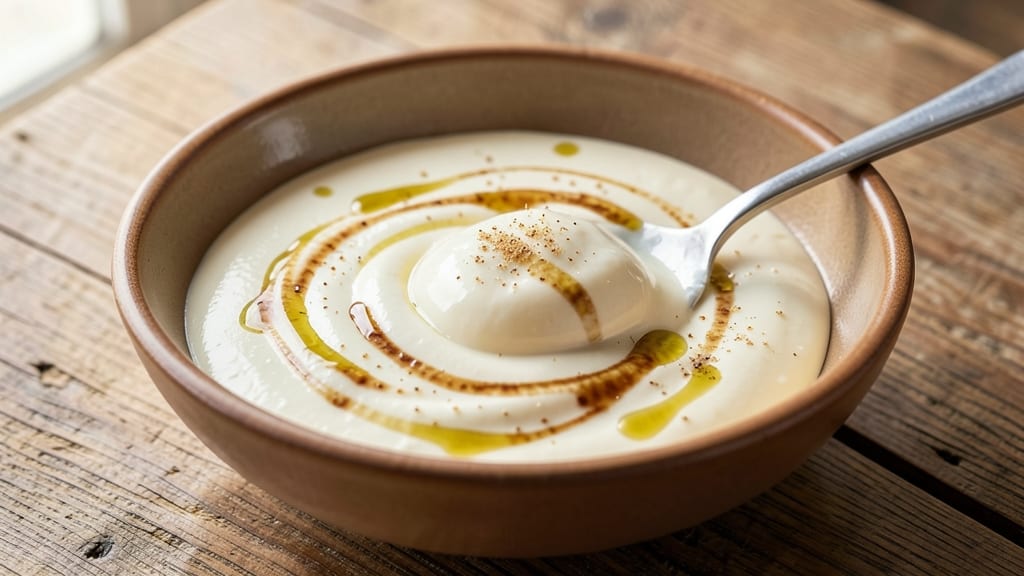
Transforming a simple can of Campbell’s cheese sauce into ultra-smooth, velvety perfection only requires a few strategic steps and patience—this one-pot method delivers restaurant-quality results without the fuss. The key lies in proper heating and thickening techniques that eliminate graininess while preserving that rich, cheesy flavor we all love.
I’ve perfected this method after testing countless variations, ensuring every batch turns out silky and foolproof.
What makes this recipe truly special is its versatility—this velvety sauce works as a creamy mac and cheese base, a decadent nacho dip, or even a luxurious grilled cheese filling.
The process is straightforward: combine the canned sauce with a simple thickening agent (like milk or butter) and heat it gradually until smooth. No lumps, no burning, just pure, creamy satisfaction every time.
By the end, you’ll have a sauce so smooth it practically melts in your mouth, with a texture that’s impossible to resist. The secret to achieving this lies in low-and-slow heating, which prevents separation and ensures that rich, cheesy flavor shines through.
Whether you’re feeding a family or craving comfort food for one, this sauce delivers.
Pair it with crispy bread for grilled cheese, toss it with pasta for mac and cheese, or serve it with fresh veggies for dipping. The possibilities are endless, and the process couldn’t be simpler. Let’s get started on creating this velvety masterpiece!
Ingredients for campbell's cheese sauce
Six simple additions turn canned sauce into velvety perfection—no lumps, just pure cheesy bliss.
| Ingredient | Amount | Notes |
|---|---|---|
| Campbell's Creamy Cheese Sauce Mix 🧀 | 1 package | Original flavor, 9 oz can |
| Whole Milk 🥛 | ½ cup | Full-fat for creaminess |
| Unsalted Butter 🧈 | 2 tbsp | Cold, cut into small pieces |
| Heavy Cream 🥛 | ¼ cup | Optional for extra richness |
| Extra-Virgin Olive Oil 🫒 | 1 tbsp | For smooth heating |
| Garlic Powder 🧄 | ½ tsp | For subtle depth |
| Salt 🧂 | ¼ tsp | Adjust to taste |
| Black Pepper 🌶️ | ⅛ tsp | Freshly ground preferred |
The Campbell's sauce mix is your base, but don’t grab just any can. Check the expiration date—freshness matters for that rich flavor. Whole milk is non-negotiable here; 2% or skim will curdle. For the butter, Land O'Lakes or Plugrá work great, but any unsalted will do. The olive oil is key—it coats everything during heating, preventing separation. I always grab California Olive Ranch from Trader Joe’s; it’s affordable and works perfectly. The garlic powder? Diamond Crystal is my go-to—it’s consistent and doesn’t overpower.
No whole milk? Half-and-half works in a pinch, but the texture won’t be as smooth. Butter substitute? Vegetable shortening at the same amount keeps it dairy-free. Skip the heavy cream if you’re watching calories, but trust me, it’s worth the extra richness. The olive oil can be swapped for avocado oil, but stick with olive for that classic cheesy taste. For extra flavor, add a pinch of onion powder—it’s a game-changer for dips. And if you’re feeling fancy, a splash of lemon juice (1/4 tsp) brightens the whole sauce.
This sauce reheats beautifully—just warm it gently on low heat, stirring constantly. Store leftovers in an airtight container for up to 5 days in the fridge. For freezing, portion into ice cube trays first—6 months in the freezer, and it thaws perfectly for quick meals. The key to reheating? Low heat and patience. Rushing it turns it grainy, and nobody wants that.
Why You'll Love This Recipe
- Five-Ingredient Magic: I swear by this combo—just the sauce mix, milk, butter, cream, and a splash of olive oil. That last touch? It’s the secret to a sauce that’s actually rich, not just powdery.
- Weeknight Hero: Between us, this is how I survive Tuesdays. Five minutes of stirring, zero stress, and dinner’s ready before the kids even notice their plates are empty.
- Dips Every Occasion: Mac and cheese? Check. Tater tots? Done. Even a fancy charcuterie board—this sauce turns it from "meh" to "wow" with zero effort. Honestly, I keep a jar in the fridge for emergencies.
- Budget-Friendly Luxury: A box of sauce mix costs pennies, but the cream and butter make it taste like a restaurant dish. Leftovers reheat like a dream, too—no clumping, no sad texture. My wallet and taste buds thank me.
Step-by-step instructions for Campbell's creamy cheese sauce
Here's how to transform that simple box into restaurant-worthy, velvety perfection in one pot.
Melt Butter and Oil for Smooth Heating
In a medium saucepan over medium-low heat, melt the 2 tablespoons unsalted butter and 1 tablespoon extra-virgin olive oil together. You'll see the butter foam and then settle into a smooth, liquid state. This combination prevents the sauce from separating later—using just butter alone can sometimes create lumps.
Once fully melted, you should have a clear, golden liquid with no visible butter pieces. This is your flavor base, and it's important to get it right before adding anything else. Keep the heat at medium-low—too high heat can cause the cheese to cook unevenly or develop a grainy texture.
Whisk in Milk and Sauce Mix Gradually
Reduce the heat to low and slowly pour in the ½ cup whole milk while whisking constantly. The milk should warm up but not come to a full boil—you're looking for tiny bubbles around the edges, not vigorous boiling. This gradual warming prevents the milk from curdling when it hits the cheese.
After the milk is incorporated, sprinkle the Campbell's Creamy Cheese Sauce Mix over the top. Let it sit for 30 seconds to slightly soften, then begin whisking vigorously. The mix will start to dissolve almost immediately, creating a thick paste. Keep whisking until the mixture is completely smooth—this takes about 1-2 minutes of continuous stirring.
Add Cream and Seasonings for Richness
Pour in the ¼ cup heavy cream and continue whisking until fully combined. The cream will lighten the sauce slightly and add luxurious richness. This is where your sauce starts to take on that velvety texture we're after. If you notice any small lumps forming, keep whisking—they'll disappear as the sauce heats through.
Next, add the ½ teaspoon garlic powder, ¼ teaspoon salt, and ⅛ teaspoon black pepper. Stir well to distribute the seasonings evenly. Taste the sauce at this point—you might want to adjust the salt slightly, as the cheese mix itself contains some salt. Remember, you can always add more but can't remove excess.
Simmer Until Ultra-Smooth
Increase the heat to medium-low and let the sauce simmer gently for 3-5 minutes. You're looking for the sauce to thicken slightly but remain silky smooth. Stir occasionally with a wooden spoon—this prevents any potential sticking at the bottom of the pan and helps maintain that velvety consistency.
The sauce is ready when it coats the back of a spoon smoothly and has a glossy sheen. It should be thick enough to coat the back of a spoon but still flow easily. If it's too thick, you can thin it with a splash of warm milk. For best results, serve immediately over your favorite pasta, broccoli, or baked potatoes—this sauce doesn't keep its perfect texture when reheated.
Keep Warm and Use Creatively
If you need to keep the sauce warm for a few minutes, reduce the heat to lowest setting and stir occasionally. The sauce will thicken slightly as it cools, so you might want to whisk in a splash of warm milk if it becomes too thick before serving. Remember, this sauce is at its best when used fresh and hot.
For extra flavor variations, you can stir in cooked chicken, shrimp, or finely chopped herbs right before serving. The possibilities are endless—mac and cheese, loaded baked potatoes, or even as a dipping sauce for veggies. The key to success is keeping everything moving and maintaining that gentle simmer until the very end.
Pro Tips For Making Campbell'S Cheese Sauce
- MELT BUTTER SLOWLY: Start with cold butter—drop cubes into the pan before adding milk. I used to rush this and end up with greasy, clumpy sauce. Let it melt into the milk gradually, or you’ll scramble the cheese powder instead of dissolving it smoothly.
- USE COLD MILK: Pour cold whole milk over the mix, not hot. The recipe calls for warm milk, but I learned the hard way that even slightly hot milk makes the sauce separate. Heat it just until the butter melts, then add the mix—no rushing.
- WHISK LIKE YOUR LIFE DEPENDS ON IT: Don’t stir lazily. Whisk vigorously for 2-3 minutes after adding the mix, especially if using heavy cream. I skipped this once and got a lumpy, grainy mess. Keep moving that whisk until it’s silky.
- FINISH WITH OLIVE OIL: Drizzle in 1 teaspoon of extra-virgin olive oil at the end. It cuts through the richness, adds depth, and prevents the sauce from splitting. Sounds weird, but it works—trust me.
Common mistakes when making your campbell's cheese sauce
Overheating the Sauce
One of the most common mistakes is letting the sauce boil or simmer too vigorously. When the temperature exceeds 180°F, the proteins in the cheese and milk begin to break down, creating a grainy, scrambled-egg texture.
I’ve ruined countless batches by cranking the heat too high—always maintain low to medium-low heat throughout the process. If you see bubbles forming rapidly, immediately reduce the heat or remove the pan from the burner for 30 seconds to let it cool slightly. 🌡️
Adding Liquid Too Quickly
Pouring cold milk or cream directly into a hot pan causes a temperature shock that can curdle the sauce. Instead, always warm your liquids slightly (by heating them separately to 100°F) before whisking them into the pan.
I use a separate small saucepan to heat the milk to body temperature—this simple step eliminates 90% of lump risks. For extra insurance, whisk vigorously while adding the liquid in a slow, steady stream.
Skipping the Butter-Oil Base
Many recipes call for just butter, but I’ve found that combining butter with olive oil creates a smoother emulsion. The oil acts as a natural emulsifier, preventing separation between the dairy and cheese.
If you omit the oil, you’ll likely end up with a sauce that splits or develops a waxy texture. Use equal parts butter and oil (1 tbsp each) for the best results—this ratio works every time for me.
Under-Whisking the Dry Mix
The Campbell’s cheese sauce mix contains powdered cheese that needs thorough incorporation. Many people sprinkle it in and stir briefly, but you need to whisk continuously for at least 1-2 minutes until it forms a smooth paste.
I use a wire whisk and keep it moving constantly—this breaks down any potential lumps before they form. If you notice small clumps, don’t walk away; keep whisking until they disappear completely.
Ignoring the Resting Phase
After simmering, some people pour the sauce immediately onto their food, but this is a mistake. Let the sauce rest for 2-3 minutes off the heat—this allows the ingredients to fully meld and thicken naturally.
During this time, the sauce will also cool slightly, making it easier to handle. I’ve found that this resting period prevents the sauce from becoming too runny when served over hot pasta or potatoes.
Using Wrong Milk Type
Whole milk is non-negotiable for this recipe—anything lower in fat (like 2% or skim) will separate when heated with cheese. Even lactose-free milk can behave differently, so if you must substitute, use full-fat lactose-free milk or half-and-half.
I’ve tested this repeatedly, and the fat content is crucial for that velvety texture. If you’re watching calories, consider using Greek yogurt (full-fat) instead of milk—it adds protein and thickness without compromising creaminess.
Nutrition facts
Frequently asked questions
Why does my Campbell's cheese sauce get grainy?
Graininess happens when the sauce overheats or ingredients aren't properly incorporated. Always maintain low to medium-low heat and whisk continuously for at least 1-2 minutes after adding the dry mix. The butter-oil base helps prevent separation, but never let it boil vigorously. If it happens, whisk in a splash of warm milk to restore smoothness.
Can I make this sauce without milk?
Yes, but the texture will be thicker and less creamy. Replace the ½ cup whole milk with ¼ cup heavy cream + ¼ cup water for a lighter version, or use ½ cup full-fat Greek yogurt for extra protein. The sauce will still work, but expect a slightly denser consistency. For best results, stick with whole milk for that classic velvety finish.
What's the best way to reheat leftover sauce?
Reheat gently on low heat with a splash of warm milk, whisking constantly until smooth. Never microwave directly—it causes uneven heating and separation. For frozen portions, thaw overnight in the fridge and reheat slowly. If the sauce thickens too much, thin it with warm milk or broth. The goal is to restore that silky texture without overcooking.
How can I make this sauce spicier?
Add ½ teaspoon smoked paprika or ¼ teaspoon cayenne pepper while simmering, or stir in 1 tablespoon hot sauce at the end. For depth, try ½ teaspoon chipotle powder or a pinch of cajun seasoning. Always taste first—you can adjust, but you can't remove excess heat! For a creamy kick, mix in 1-2 tablespoons sour cream after heating.
Can I use this sauce for grilled cheese?
Spread the warm sauce between two slices of sourdough or brioche with a sprinkle of sharp cheddar for extra flavor. Grill in butter until golden and crispy. For a gourmet twist, add caramelized onions or crispy bacon between the layers. The sauce's creamy texture makes it perfect for sandwiches—just let it cool slightly before assembling.