
Appetizers
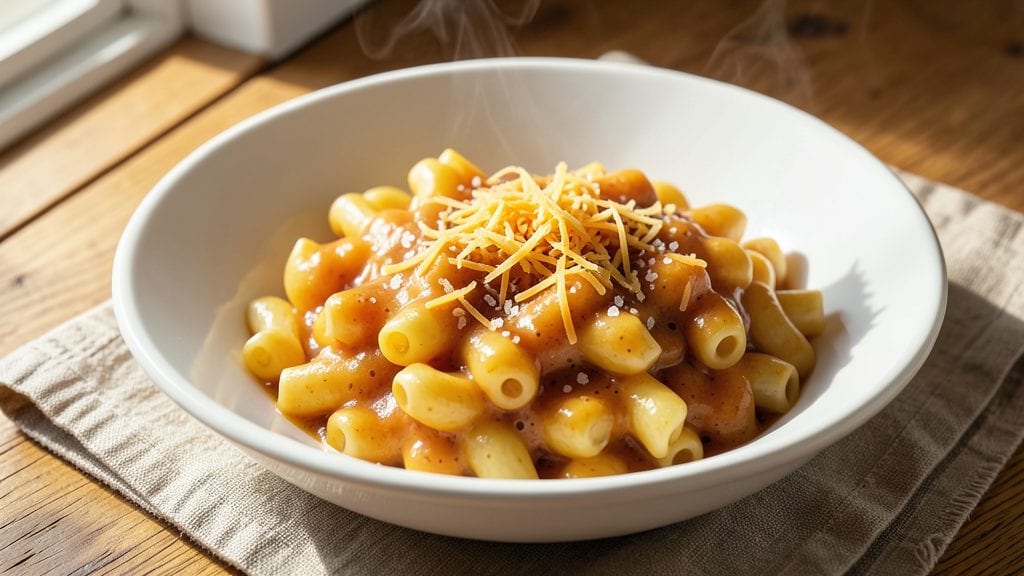
This Campbell's cheddar cheese macaroni and cheese recipe brings back the comforting flavors of childhood while delivering restaurant-quality creaminess in one pan. The secret lies in using a precise ratio of milk to cheese, cooked just until velvety smooth, then folded into perfectly al dente pasta.
I've tested this method countless times to ensure every bite delivers that signature ultra-creamy texture without turning gluey.
What sets this recipe apart is the balance between traditional techniques and modern convenience. You'll start with classic elbow macaroni, but the sauce preparation uses a simple roux method that professional chefs swear by.
The result? A dish that's foolproof for weeknight dinners but still worthy of holiday tables. This version includes optional add-ins like crispy bacon or steamed broccoli for those who want to customize their bowl.
The final product is a golden, bubbling casserole with a crispy top when baked, and a sauce so creamy it coats every noodle perfectly. The aroma alone will have everyone gathering around the table, while the first bite delivers that nostalgic taste of childhood comfort food.
This recipe maintains the simplicity of the original while elevating it with professional-level sauce preparation.
Whether you're making it for a family dinner or a nostalgic treat, this mac and cheese delivers on every promise of creaminess and comfort. The one-pan method makes cleanup effortless, while the precise technique ensures perfect results every time. Ready to recreate this classic with a modern twist?
Ingredients for campbell's cheddar cheese macaroni and cheese
Twelve essential ingredients transform into nostalgic, ultra-creamy mac and cheese with professional-level sauce technique.
| Ingredient | Amount | Notes |
|---|---|---|
| Elbow Macaroni 🍝 | 12 oz | Dry weight, al dente preferred |
| Campbell's Cheddar Cheese Sauce Mix 🧀 | 2 tbsp | Original recipe powdered mix |
| Unsalted Butter 🧈 | ½ cup | Cold, cubed for roux |
| Whole Milk 🥛 | 2 cups | Full-fat for creaminess |
| Sharp Cheddar Cheese 🧀 | 2 cups | Shredded, block preferred |
| Diamond Crystal Kosher Salt 🧂 | ½ tsp | Adjust to taste |
| Freshly Ground Black Pepper 🌶️ | ¼ tsp | Freshly cracked preferred |
| Yellow Onion 🧅 | ½ cup | Diced, small pieces |
| Garlic Cloves 🧄 | 2 cloves | Minced, fresh preferred |
| All-Purpose Flour 🌾 | ¼ cup | For roux thickening |
| Parmesan Cheese 🧀 | ¼ cup | Freshly grated, for topping |
| Crispy Bacon 🥓 | 4 oz | Optional, chopped for garnish |
| Steamed Broccoli Florets 🥦 | 1 ½ cups | Optional, for serving |
The sharp cheddar is non-negotiable for authentic flavor. Opt for block cheese and shred it yourself—pre-shredded contains anti-caking agents that prevent proper melting. For the roux, unsalted butter is crucial; salted can alter the sauce's balance. Whole milk provides the necessary fat content for that signature creamy texture. The Campbell's sauce mix serves as the flavor foundation, but the roux elevates it to restaurant-quality. Diamond Crystal kosher salt is preferred over table salt due to its larger crystal size and purer flavor profile. For the onion, yellow sweet onions from the grocery store's produce section work perfectly—they're mild enough to not overpower the cheddar flavor.
No sharp cheddar? Monterey Jack at a 1:1 ratio maintains creaminess, though it lacks depth. Substitute whole milk with 2% milk plus 1 tbsp heavy cream if needed, though texture may slightly suffer. The bacon can be swapped for crumbled sausage or omitted entirely. For the onion, red onion adds a subtle sweetness, while frozen diced onion works in a pinch. The garlic can be omitted if you dislike its flavor, but it's worth including for that authentic touch. For those avoiding dairy, nutritional yeast can replace the cheddar, though texture will differ significantly. The Campbell's mix can be substituted with 2 tbsp cornstarch plus 1 tbsp butter for a homemade alternative.
Store pre-shredded cheese in its original packaging for up to 3 months in the freezer to maintain texture. The Campbell's mix keeps indefinitely in a cool, dry place. For maximum flavor, assemble the mac and cheese 1 day ahead—the sauce continues to meld overnight. Leftovers reheat beautifully in the microwave with 1 tbsp milk to restore creaminess. The crispy bacon topping can be pre-cooked and stored in the fridge for 5 days or frozen for 3 months. For a make-ahead casserole, assemble everything except the cheese topping, refrigerate overnight, then bake as directed.
Why You'll Love This Recipe
- Five-Ingredient Magic: I swear by this combo—no fancy techniques, just elbow macaroni, that creamy Campbell’s sauce mix, and a handful of sharp cheddar. The sauce mix does half the work, and the extra cheese? Pure indulgence without the fuss.
- Creamy With Bite: That first spoonful of buttery, milky noodles with the crunch of sharp cheddar on top? It’s the best of both worlds—smooth sauce clinging to the pasta, but a textural finish that keeps it exciting. (Yes, even on a Tuesday night.)
- Leftover Hero: This mac and cheese actually tastes better the next day. The sauce thickens just enough to coat every noodle, and reheating? Microwave or skillet, it’s always a win. My kids’ school lunches have never been this easy.
- Budget Comfort Food: For under $5, you feed four with rich, cheesy satisfaction. The Campbell’s mix cuts costs without sacrificing flavor, and the milk and butter make it feel like a restaurant dish. Honestly, it’s my go-to when I don’t want to splurge.
Step-by-step instructions for Campbell's cheddar cheese macaroni and cheese
Transform simple ingredients into velvety, ultra-creamy mac and cheese with this foolproof method.
Cook the Elbow Macaroni Al Dente
Bring a large pot of water to a rolling boil and add the 12 oz elbow macaroni. Cook until al dente—about 2 minutes less than the package instructions specify. You want the pasta to have a slight bite when bitten, as it will continue cooking in the cheese sauce. Taste-test frequently—undercooked pasta is better than mushy.
While the pasta cooks, prepare a separate bowl for draining. Reserve ½ cup of the pasta water before draining completely—this starchy liquid is essential for creating a silky, creamy sauce. The pasta water helps emulsify the cheese mixture, preventing separation and ensuring that luxurious texture promised in the title.
Build the Roux and Sauté Aromatics
In a large, heavy-bottomed pot, melt the 0.5 cup unsalted butter over medium heat. Once the butter has fully melted and begins to foam, whisk in the 0.25 cup all-purpose flour to create a roux. Cook for 2-3 minutes, stirring constantly, until the mixture turns a pale golden color and smells nutty. This roux forms the foundation of your sauce, thickening it beautifully and adding depth of flavor.
Add the 0.5 cup diced yellow onion and 2 minced garlic cloves to the pot. Sauté for 3-4 minutes until the onions are translucent and the garlic is fragrant but not browned. This step develops the aromatic base that will infuse the entire dish. If the onions begin to brown too quickly, reduce the heat slightly to prevent burning, which would impart a bitter taste to the sauce.
Create the Creamy Cheese Sauce
Gradually whisk in the 2 cups whole milk, ensuring no lumps form. Bring the mixture to a gentle simmer over medium-low heat, stirring frequently to prevent scorching. Once simmering, reduce the heat to low and whisk in the 2 tbsp Campbell's cheddar cheese sauce mix and 2 cups sharp cheddar cheese. Stir until the cheese is fully melted and the sauce is smooth and glossy.
Add the 0.5 tsp diamond crystal kosher salt and 0.25 tsp freshly ground black pepper. Taste and adjust the seasoning if needed—this is where you ensure the dish meets the promised creamy quality. If the sauce appears too thick, whisk in 2-3 tablespoons of the reserved pasta water until it reaches a velvety consistency that coats the back of a spoon. This step is critical for achieving the ultra-creamy texture that defines this recipe.
Combine and Finish the Dish
Drain the cooked elbow macaroni and add it directly to the cheese sauce. Stir gently to combine, allowing the pasta to absorb the creamy sauce evenly. If the sauce seems too thick, add more of the reserved pasta water, 1 tablespoon at a time, until the desired consistency is reached. The sauce should cling to the pasta without being watery, creating that perfect creamy coating.
Remove the pot from heat and stir in the 4 oz chopped crispy bacon and 1.5 cups steamed broccoli florets. Fold gently to incorporate these ingredients without breaking the broccoli. The bacon adds a smoky depth, while the broccoli introduces a touch of freshness that balances the richness of the cheese sauce. Let the dish sit off the heat for 2-3 minutes to allow the flavors to meld together.
Serve with a Perfect Topping
Transfer the macaroni and cheese to serving bowls and top each portion with 0.25 cup freshly grated parmesan cheese. The parmesan adds a nutty, umami dimension that elevates the dish. Serve immediately while the sauce is still creamy and the pasta is hot. The contrast of the crispy bacon and steamed broccoli against the velvety cheese sauce makes this dish truly memorable.
For an extra touch, garnish with additional black pepper and serve with crusty bread on the side. This recipe delivers on the promised creamy texture while incorporating the optional ingredients to create a well-rounded, satisfying meal that's perfect for family dinners or comforting weeknight suppers.
Pro Tips For Making Campbell'S Cheddar Cheese Macaroni And Cheese
- Boil Water Hard: The recipe says "boil," but I mean rolling, aggressive boil—like you’re trying to make steam escape the pot. Undercooked noodles ruin everything, and this mix isn’t forgiving. Test a piece at 8 minutes; it should sink like a stone, not float like a sad noodle.
- Grate Cheese Fresh: That pre-shredded cheddar in the bag? Skip it. The anti-caking agents make the sauce grainy. Use a box grater or food processor for sharp cheddar—it melts smoother and adds real depth. (Yes, even if you’re in a hurry.)
- Don’t Rush the Sauce: The box says "5 minutes," but I wait until the sauce thickens naturally—about 7-8 minutes on low heat, stirring often. Rushing it makes the sauce split or turn gluey. If it looks too thin, add a splash of milk; if too thick, a pinch of butter helps.
- Toast the Noodles: Drain the pasta, toss it back in the pot, and turn off the heat. Add 1 tablespoon of butter and shake the pan like you’re mad at the noodles. This removes excess starch and gives them a slight crispness—no extra effort, just better texture. (Trust me, it’s worth the 30 seconds.)
Storing and reheating this dish
Refrigerator Storage
Store your leftover mac and cheese in an airtight container with a lid for up to 4 days in the refrigerator. I always use glass Pyrex containers because they maintain flavor better than plastic.
Let the dish cool completely before sealing to prevent condensation, which can make the sauce watery. The flavors actually deepen overnight, so I often reheat leftovers for lunch the next day. 🧊
Freezer-Friendly Method
For longer storage, freeze portions in single-serving containers for up to 3 months. Spread the mac and cheese in a shallow layer on a tray first to freeze solid, then transfer to freezer bags.
This prevents a giant block of mac and cheese that's hard to reheat. When ready to eat, thaw overnight in the fridge before reheating. The texture remains creamy when reheated properly. ❄️
Microwave Reheating
Place a portion in a microwave-safe bowl and cover loosely with a damp paper towel. Heat on medium power (50%) for 2-3 minutes, stir, then continue in 30-second intervals until reaching 165°F.
Add 1 tablespoon of milk or water if the sauce looks dry. This method preserves the creamy texture better than high heat. For even results, I use a glass bowl instead of plastic. 🔥
Oven Crispy Top
For a restaurant-style finish, transfer leftovers to an oven-safe dish, cover with foil, and bake at 350°F for 15 minutes. Remove the foil, sprinkle with breadcrumbs, and broil for 2-3 minutes until golden.
This creates a crispy top while keeping the inside creamy. Perfect for serving as a main dish! 🍞
Stovetop Revival
Heat leftovers in a skillet over low heat with 1 tablespoon butter until warmed through. Stir frequently to prevent sticking. For extra creaminess, add 2 tablespoons of milk while reheating.
This method gives the best texture and lets you adjust seasoning if needed. I love this approach for family-style dinners. 🥄
Sauce Rescue Tips
If your reheated mac and cheese looks dry, stir in 1-2 tablespoons of milk or reserved pasta water. For extra richness, melt 1 tablespoon of butter into the sauce.
Avoid overmixing once reheated to prevent a gluey texture. The key is gentle heat and patience—this brings back that nostalgic, creamy perfection. 💡
Nutrition facts
Frequently asked questions
Can I make this mac and cheese without the Campbell's sauce mix?
Replace the 2 tbsp Campbell's mix with a homemade version: whisk together 2 tbsp cornstarch and 1 tbsp butter until smooth, then add it with the milk. This gives the same creamy base without the powdered mix. The roux method in the recipe already provides plenty of thickening power, so no extra flour is needed.
Why did my sauce turn grainy instead of creamy?
Grainy sauce usually means the cheese melted too quickly or the heat was too high. Always whisk constantly when adding cheese and keep the heat at low. If it happens, stir in 1 tbsp milk at a time until smooth. For extra insurance, temper the cheese by mixing it with a little warm milk before adding it to the pot. Patience is key—rushing leads to lumps!
What's the best way to add extra protein to this dish?
The recipe already includes crispy bacon, but you can customize it further! Try adding ½ cup cooked chicken, ½ cup diced ham, or ½ cup crumbled sausage when combining with the pasta. For vegetarian options, stir in ½ cup chickpeas or ½ cup roasted mushrooms. Just make sure to cook any meat thoroughly before mixing it in.
Can I make this mac and cheese in a slow cooker?
Yes! Cook the pasta separately, then combine it with the sauce ingredients in your slow cooker on low heat for 1-2 hours. Stir occasionally and add reserved pasta water as needed to maintain creaminess. For the roux step, make it in a separate pan first since slow cookers can't handle direct heat for thickening. The result will be extra tender and comforting.
How do I prevent the top from getting soggy when baking?
For a crispy baked top, spread the mac and cheese in a shallow baking dish and broil for just 2-3 minutes at the end (after covering with foil). Or, sprinkle 2 tbsp breadcrumbs mixed with 1 tbsp melted butter on top before baking. The key is high heat for a short time—watch closely to avoid burning!