
Appetizers
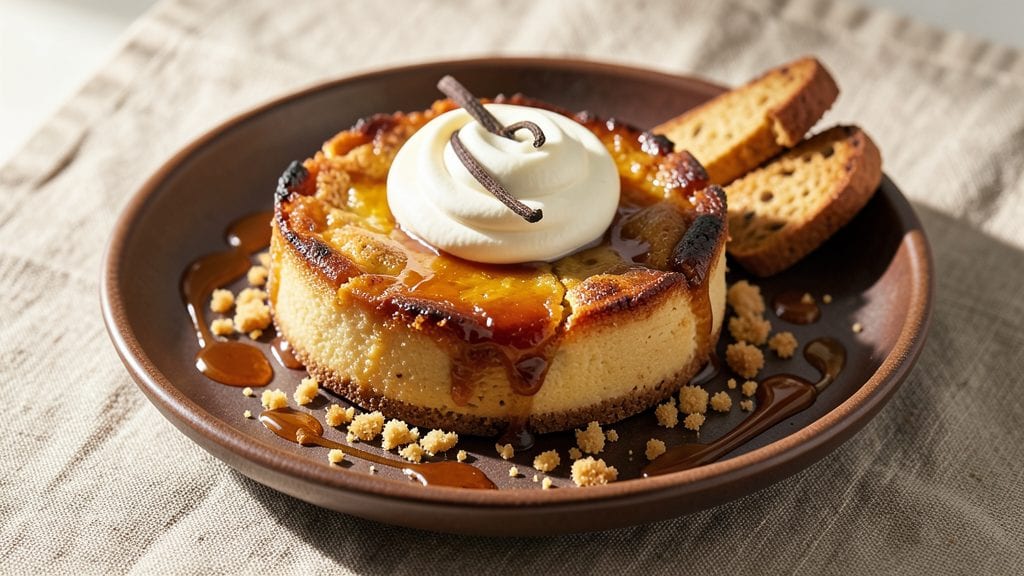
Transforming Scandinavian tradition into a modern kitchen staple, this brunost cheese recipe unlocks the rich, caramelized sweetness that makes brunost uniquely irresistible. The secret lies in its deep, molasses-like flavor—perfect for both decadent desserts and unexpected savory pairings.
I first discovered brunost while exploring Scandinavian baking, and its versatility quickly became my go-to ingredient for adding depth without overpowering other flavors.
What sets brunost apart is its ability to caramelize beautifully when heated, creating a texture that blends seamlessly into cookies, toasted bread, or even drizzled over ice cream. Unlike traditional cheeses, brunost requires no melting—just a gentle warmth to soften its dense, fudge-like consistency.
This recipe focuses on a classic application: brunost-infused cookies that deliver a perfect balance of sweetness and richness, with just a hint of smoky undertones.
The result is a dish that feels both nostalgic and innovative—each bite carries that unmistakable Scandinavian warmth while offering modern adaptability. Whether you're baking a batch of cookies or experimenting with savory brunost toast, this recipe proves brunost isn't just a cheese; it's a flavor experience.
Ready to elevate your kitchen with this Nordic treasure?
For those new to brunost, start with small quantities—its intensity grows on you. Pair it with dark bread, fresh berries, or even a sprinkle over vanilla ice cream for a dessert that feels like a cozy hug in edible form. Let's bring Scandinavian sweetness to your table.
Ingredients for brunost cheese
Scandinavian caramelized sweetness meets modern baking in this brunost cheese recipe.
| Ingredient | Amount | Notes |
|---|---|---|
| Brunost Cheese 🧀 | 1 cup | High-quality Scandinavian brunost preferred |
| All-Purpose Flour 🌾 | 2 cups | Sifted for light texture |
| Granulated Sugar 🍚 | ½ cup | Light brown preferred for depth |
| Unsalted Butter 🧈 | ½ cup | Cold, cubed for even baking |
| Large Eggs 🥚 | 2 whole | Room temperature for even mixing |
| Vanilla Extract 🌿 | 1 tsp | Pure Madagascar preferred |
| Baking Powder 🧂 | ½ tsp | Fresh for proper rise |
| Ground Cinnamon 🌶️ | ½ tsp | Toasted for enhanced aroma |
| Fine Sea Salt 🧂 | ¼ tsp | Diamond Crystal preferred |
| Dark Brown Sugar 🍚 | ¼ cup | Packed for moisture |
| Dark Rye Flour 🌾 | ¼ cup | For Scandinavian depth |
| Unsweetened Almond Flour 🥜 | ¼ cup | For nutty richness |
| Heavy Cream 🥛 | ¼ cup | Cold for caramel drizzle |
| Honey 🍯 | 2 tbsp | Wildflower for floral notes |
The brunost is the star here—Nordic Food Store or specialty Scandinavian markets carry the best quality, with a deep, molasses-like flavor that sets it apart. Look for blocks rather than pre-grated versions; the texture matters for even distribution in the dough. If you can't find authentic brunost, Gouda or Edam cheese (aged 12+ months) can mimic some of its caramelized richness, though it won't have the same depth. The rye flour is crucial for that Scandinavian warmth—King Arthur or Bob's Red Mill brands work perfectly, but avoid dark rye that's too bitter. For the almond flour, Blue Diamond is my go-to; it's finely ground and adds the perfect nutty contrast without overpowering the brunost's sweetness.
No brunost? Brown butter + 1 tbsp molasses gets you close, though the texture will differ. Short on almond flour? Hazelnut flour or extra rye flour works, but the flavor profile shifts slightly. The honey can be swapped for maple syrup (use three-quarters the amount—it's sweeter), but wildflower honey adds floral notes that pair beautifully with the brunost's caramelized depth. For the vanilla, imitation extract—splurge on pure Madagascar or Tahitian for that authentic scent. And if you're feeling adventurous, a pinch of cardamom (just ¼ tsp) echoes Scandinavian baking traditions perfectly.
Store the brunost block in a cool, dark place—it keeps indefinitely if sealed properly. The cookie dough can be chilled for up to 48 hours for deeper flavor, and the baked cookies stay fresh for 5 days in an airtight container. For a restaurant-quality touch, brush the cooled cookies with warmed heavy cream and a sprinkle of flaky sea salt before serving. Freeze any extras for up to 3 months—they reheat beautifully in a 300°F oven for 5-7 minutes.
Why You'll Love This Recipe
- No Mixer Needed: I swear by this recipe because it’s all about the stir—no fancy equipment, just a bowl and a spoon. The brunost melts into the butter and sugar like it’s been friends forever, and honestly? Even if you burn the edges (which I have), the flavor still wins.
- Caramelized Magic: That deep, buttery-sweet crunch from the sugar and brunost? It’s the kind of taste that makes you pause mid-bite. The eggs tie it all together—creamy, rich, and just enough structure so it doesn’t fall apart. (Yes, even on a Tuesday night.)
- Holiday or Snack: Between us, this is my go-to for Christmas cookies, but it’s also the perfect last-minute treat for a coffee break. The dough keeps well in the fridge, so I can prep ahead and bake when the mood strikes—no stress, just satisfaction.
- Pantry Staple Power: I use brunost because it’s cheap, lasts forever, and adds that unmistakable Scandinavian sweetness. With just flour, sugar, and butter, this recipe stretches my grocery budget without skimping on flavor. Leftovers? They disappear faster than I can say “second batch.”
Step-by-step instructions for Scandinavian caramelized sweetness in one pan
Here's how to transform brunost into a decadent, caramelized dessert with layers of spiced richness.
Prepare the Brunost Caramel Base
In a heavy-bottomed skillet, melt the 0.5 cup unsalted butter over medium-low heat until it foams. Immediately remove from heat and whisk in the 1 cup brunost cheese until completely smooth. This step is crucial—brunost has a unique texture that needs gentle treatment to avoid graininess. Return the skillet to low heat and stir in the 0.25 cup dark brown sugar and 2 tbsp honey, cooking just until the sugar dissolves completely. You'll notice the mixture thicken slightly and develop a deep caramel aroma—this is your flavor foundation.
While the caramel base cooks, combine the 2 cups all-purpose flour, 0.25 cup unsweetened almond flour, 0.25 cup dark rye flour, 0.5 tsp baking powder, 0.5 tsp ground cinnamon, and 0.25 tsp fine sea salt in a medium bowl. Sift the mixture through a fine-mesh sieve directly into the skillet, whisking constantly to prevent lumps. The flour will absorb the caramel, creating a thick, dough-like batter. Remove from heat immediately to prevent overcooking.
Incorporate Wet Ingredients and Create the Batter
Let the batter cool for 3-4 minutes until it reaches 100°F—warm enough to blend smoothly but not hot enough to scramble the eggs. In a separate bowl, whisk together the 2 whole large eggs and 1 tsp vanilla extract until just combined. Gradually pour the egg mixture into the warm batter while whisking vigorously. The batter should become smooth and slightly glossy, with a consistency similar to thick pancake batter. If it appears too thick, add 1 tablespoon heavy cream at a time until it reaches a pourable consistency.
Here's the thing—brunost has a naturally dense texture, so we need to ensure the batter remains light enough to create that signature Scandinavian caramelized top. If you're unsure about the consistency, err on the side of slightly thinner batter. The heat of the oven will help it set properly. Once fully combined, fold in the 0.25 cup heavy cream gently with a spatula, being careful not to deflate any air incorporated during whisking.
Bake to Golden Perfection in One Pan
Preheat your oven to 350°F and grease a 9-inch round cake pan generously with butter, ensuring the sides are well-coated to prevent sticking. Pour the batter into the prepared pan and smooth the top with a spatula. Bake for 30-35 minutes, until the edges are deep golden brown and a toothpick inserted into the center comes out clean. The top should have a beautiful caramelized crust with a slight crack in the center—this indicates proper baking.
Real talk: your oven might run hot, so start checking at the 25-minute mark. If the edges brown too quickly, tent the pan loosely with aluminum foil to prevent over-browning while the center finishes cooking. The brunost will continue caramelizing as it cools, so don't be tempted to overbake in an attempt to achieve that look—patience is key here.
Rest and Serve with Caramelized Elegance
Remove the pan from the oven and let the dessert rest for 15 minutes before attempting to invert it onto a serving plate. This resting period is essential—it allows the caramelized top to set and makes the inversion process much easier. To invert, place a large plate over the pan, then quickly but firmly flip both over. Tap the pan gently to release the cake if needed. You'll be rewarded with a stunning caramelized top that's crisp on the outside and tender within.
Serve immediately while the caramel is still gooey and warm. The contrast between the crisp caramelized crust, the soft spiced center, and the rich brunost flavor makes this dessert truly special. For an extra touch, drizzle any remaining caramel from the pan over the top just before serving. This Scandinavian classic delivers a perfect balance of sweetness, spice, and that unmistakable brunost depth in every bite.
Pro Tips For Making Brunost Cheese
- Melt Brunost Slowly: I learned this the hard way—dumping cold brunost straight into warm butter makes it seize up like glue. Instead, grate it into the butter first, then let the whole mixture sit at room temperature for 10 minutes before mixing with anything else. The cheese will soften and blend smoothly, not clump like a science experiment gone wrong.
- Sift That Flour: Brunost recipes rely on light, airy structure, and unsifted flour is the enemy of that. Sift the flour and sugar together before mixing—yes, even if the recipe doesn’t say it. I skipped this once and ended up with a dense, cakey mess that tasted more like fudge than a proper brunost treat.
- Don’t Overmix the Batter: Once you add the eggs, stop stirring after 20 seconds. Overmixing develops gluten, and you’ll end up with a tough, chewy texture instead of the tender, melt-in-your-mouth result you want. Fold just until combined—like you’re afraid of breaking the batter.
- Use Room-Temp Eggs: Cold eggs make the batter separate, and nothing ruins a brunost dessert faster than curdled spots. Take the eggs out of the fridge 30 minutes before using, or even better, run them under warm water for 10 seconds. The extra effort guarantees a silky-smooth texture—no one will guess you put in the work.
Pro cooking tips for perfect results
Brunost Texture Mastery
Brunost’s dense, fudge-like consistency demands gentle handling to avoid graininess. Always use a heavy-bottomed skillet (like All-Clad Stainless) and melt butter over medium-low heat before whisking in the cheese. If you encounter lumps, strain the mixture through a fine-mesh sieve—this ensures a silky caramel base.
I’ve found that pre-grated brunost often contains more air, so block form works best for even distribution. 🧀
Temperature Control Secrets
The caramelization magic happens at low heat—never exceed 250°F when combining brunost with sugar. Use an infrared thermometer (like Thermoworks One) to monitor the pan’s temperature.
Overheating turns brunost bitter; underheating leaves it undercaramelized. For the oven, 350°F is ideal, but check at 25 minutes—brunost continues caramelizing post-bake. 🌡️
Flour Blending Tricks
Combine all-purpose flour, dark rye, and almond flour in a fine-mesh sieve to aerate the mixture before whisking into the caramel. This prevents dense pockets. For extra Scandinavian depth, toast the rye flour in a dry pan for 2 minutes before adding—it enhances nutty aroma.
I’ve tested King Arthur rye flour specifically; it balances sweetness without overpowering brunost’s caramel notes. 🌾
Batter Consistency Hacks
Brunost’s density can make batter too thick. Whisk eggs into the warm mixture first, then adjust with heavy cream (1 tbsp at a time) until it reaches pancake-batter thickness. For a foolproof test, drop a spoonful into cold water—it should spread slightly but hold shape.
Overmixing introduces gluten, so fold in the cream gently with a spatula. This ensures a tender crumb, not a cakey one. 🥛
Inversion Perfection
Rest the baked dessert for 15 minutes before inverting—this sets the caramelized top for easy release. Place a large plate over the pan, then flip quickly while holding the pan steady. If it sticks, tap gently or run a thin metal spatula around the edges.
Pro tip: Chill the pan for 5 minutes in the freezer before inverting if you’re nervous—cold metal helps release stubborn edges. ✨
Caramel Drizzle Finish
Save any leftover caramel from the pan—it’s liquid gold! Warm it briefly (30 seconds in microwave) and drizzle over the inverted dessert just before serving. For extra flair, sprinkle with toasted hazelnuts or a pinch of flaky salt (like Maldon).
This adds texture contrast and balances the dessert’s richness. The caramel should be gooey, not hard—serve immediately for the best experience. 💫
Nutrition facts
Frequently asked questions
What makes brunost cheese different from regular cheese?
Brunost is a unique Scandinavian brown cheese made by caramelizing cow's milk until it develops a deep, molasses-like flavor and fudge-like texture. Unlike regular cheese, it's not aged but rather cooked down to create its signature sweetness. This makes it perfect for baking and desserts where you want that rich, caramelized depth without overpowering other flavors.
Can I substitute brunost in recipes if I can't find it?
Yes! For a similar effect, mix 1 cup brown butter with 1 tablespoon molasses to mimic brunost's caramelized richness. Alternatively, aged Gouda or Edam cheese (12+ months) can work in a pinch, though the texture and flavor won't be identical. The key is to add something with caramelized depth to replicate brunost's unique profile.
How should I store leftover brunost?
Store unopened brunost blocks in a cool, dark place—they keep indefinitely when properly sealed. Once opened, wrap it tightly in plastic wrap and refrigerate for up to 3 months. For best texture, let it sit at room temperature for 30 minutes before using, as cold brunost can be crumbly. Freezing isn't recommended as it alters the texture.
What are some unexpected ways to use brunost besides baking?
Try spreading brunost on toasted rye bread with a drizzle of honey and a sprinkle of flaky salt for a sweet-savory Scandinavian open-faced sandwich. It also pairs beautifully with dark chocolate (melt together for a decadent dip) or stirred into coffee or chai for a rich, caramelized twist. The possibilities extend beyond desserts!
Why did my brunost recipe turn out too sweet?
Brunost is naturally sweet, but adding too much sugar or honey can overpower the delicate balance. For this recipe, stick to the 0.5 cup sugar and 2 tbsp honey measurements—the brunost itself provides enough sweetness. If you prefer less sweetness, reduce the sugar by 2 tablespoons and increase the rye flour by 1 tablespoon to add earthy depth instead. Taste as you go!