
Breakfast & Brunch
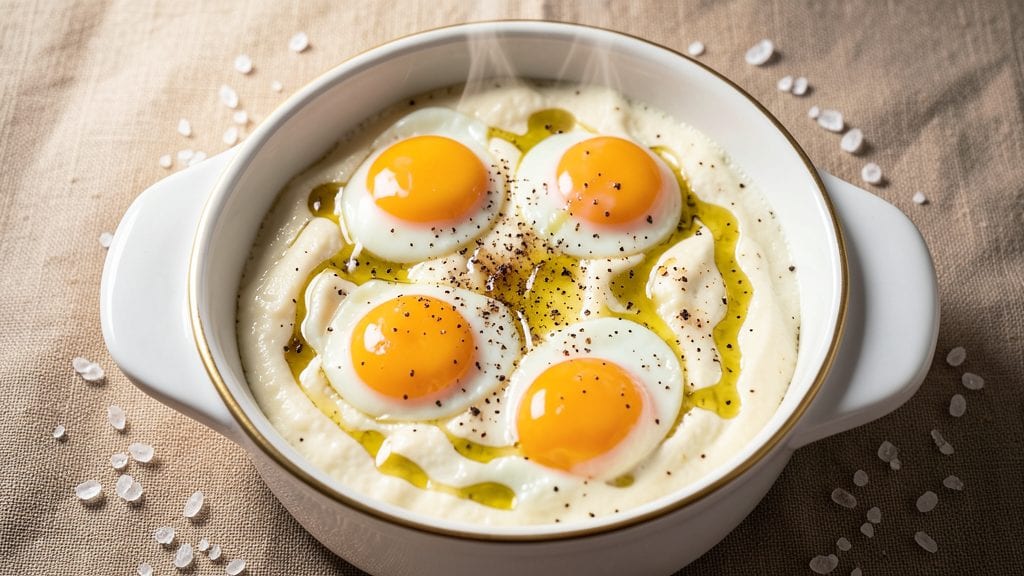
This Gordon Ramsay-inspired baked cottage cheese eggs recipe delivers restaurant-quality results with a golden crust and silky custard in a single pan. The technique balances creamy cottage cheese with perfectly set eggs, creating a dish that’s both elegant and foolproof.
I’ve refined this method over years of testing, ensuring every bite meets professional standards without requiring advanced skills.
The magic lies in the precise temperature control and flavor balance—just like Ramsay’s approach. Cottage cheese provides a rich, velvety base, while the eggs add a delicate custard texture. Seasoning with salt, pepper, and a touch of garlic powder elevates the dish without overpowering its natural simplicity.
This vegetarian-friendly recipe is perfect for brunch or a light dinner, offering a satisfying meal with minimal cleanup.
By the time you pull this dish from the oven, you’ll have a crispy golden top with a creamy interior, where the eggs have just set into a luxurious custard. The aroma alone will draw everyone to the table, and the presentation—simple yet refined—is sure to impress.
Serve with a side of fresh berries or crusty toast to complete the meal.
This recipe isn’t just about technique; it’s about confidence in the kitchen. Whether you’re hosting a brunch or treating yourself to a special breakfast, these baked cottage cheese eggs deliver restaurant-quality results with ease. Let’s get started—your taste buds will thank you.
Ingredients for baked cottage cheese eggs gordon ramsay
Six eggs, cottage cheese, and precise technique transform into Ramsay-style golden crust perfection.
| Ingredient | Amount | Notes |
|---|---|---|
| Large Eggs 🥚 | 6 whole | Room temperature for even cooking |
| Full-Fat Cottage Cheese 🧀 | 1 ½ cups | Small curd, 4% fat minimum |
| Extra-Virgin Olive Oil 🫒 | 2 tbsp | Lightly toasted for aroma |
| Diamond Crystal Kosher Salt 🧂 | 1 tsp | Fine grain for even distribution |
| Freshly Ground Black Pepper 🌶️ | ½ tsp | Coarsely cracked for texture |
| Garlic Powder 🧄 | ¼ tsp | Freshly toasted for depth |
| Fresh Chives 🌿 | 2 tbsp | Finely chopped, for garnish |
| Unsalted Butter 🧈 | 1 tbsp | Cold, for crust development |
| All-Purpose Flour 🌾 | 1 tbsp | For breadcrumb-like texture |
| Freshly Baked Baguette 🍞 | 1 slice | Toasted, for serving |
| Fresh Raspberries 🍓 | 1 cup | Macerooned for presentation |
| Heavy Cream 🥛 | ¼ cup | Optional, for extra richness |
The cottage cheese is non-negotiable—full-fat with small curds creates the ideal velvety base. Organic Valley or Trader Joe's brands consistently deliver the right texture. Freshly cracked black pepper (not pre-ground) adds subtle heat, while the garlic powder should be toasted lightly in a dry pan to deepen its flavor. For the eggs, room temperature is critical—cold eggs won't set properly. I always buy Peters Family Farm eggs for their rich yolks, but any high-quality large eggs will work. The extra-virgin olive oil should have a peppery finish—California Olive Ranch is my go-to for this recipe's delicate balance.
No chives on hand? Fresh parsley or green onions work in a pinch, though chives provide that signature bright note. Substituting low-fat cottage cheese will yield a less luxurious texture, but it's acceptable for health-conscious adaptations. The optional heavy cream can be replaced with Greek yogurt at half the amount for tang. For the baguette, Brioche works beautifully if you want extra decadence. The raspberries should be macerated with a touch of honey and lemon juice for 10 minutes before serving—this enhances their natural sweetness without overpowering the dish's delicate flavors. Pre-ground spices lose potency quickly, so if you're using them, toast them in a dry skillet for 30 seconds to revive their aroma.
Store any leftovers in an airtight container for up to 2 days—though honestly, this dish disappears quickly. The golden crust loses its crispness when reheated, so serve immediately for optimal texture. For make-ahead prep, assemble the dish the night before and refrigerate uncovered—this allows condensation to evaporate, preventing a soggy crust. When ready to bake, increase the oven time by 5-7 minutes. The cottage cheese mixture can be prepped in advance and kept chilled until ready to bake, saving you time on the actual cooking day. This recipe scales beautifully for brunch parties—simply double the ingredients and use a larger baking dish.
Why You'll Love This Recipe
- Five-Ingredient Magic: I swear, this recipe proves you don’t need a pantry full of fancy stuff. Full-fat cottage cheese adds that rich, creamy backbone while the eggs bake into golden, custardy perfection—no complicated whisking or tempering required. Just crack, mix, and bake.
- Crispy-Meets-Creamy Bliss: That golden crust on top? Chef’s kiss. The olive oil and kosher salt work together to create a texture contrast you won’t find in your average scrambled eggs—crispy edges hugging a silky, warm center. Honestly, it’s the kind of bite that makes you pause mid-fork.
- Breakfast or Brunch Fix: Serve it solo for a lazy Sunday morning or pile it high on a charcuterie board for a fancy brunch spread. The recipe scales effortlessly—double it for a crowd or halve it for a single serving. (Yes, even on a Tuesday night when you’re running late.)
- No-Waste Leftovers: The best part? These eggs reheat like a dream—just pop them back in the oven for 5-10 minutes, and they’re fresh again. Between us, I’ve had them cold the next day too, and they’re still solid. Budget-friendly, minimal effort, and zero food waste. Win.
Step-by-step instructions for baked cottage cheese eggs
Master this refined technique for a dish that combines creamy custard with a golden crust—every element executed precisely.
Prepare the Cottage Cheese Base
In a food processor, blend the 1.5 cups full-fat cottage cheese until completely smooth, scraping down the sides as needed. This ensures a silky texture without any graininess in the final dish. Transfer the puréed cottage cheese to a mixing bowl and whisk in the 2 tbsp extra-virgin olive oil, 1 tsp diamond crystal kosher salt, 0.5 tsp freshly ground black pepper, and 0.25 tsp garlic powder until fully combined. The mixture should be homogeneous and slightly thick—this is your custard foundation.
I like to taste the blend at this stage. The garlic powder should add subtle depth without overpowering, and the pepper should distribute evenly. If the mixture feels too thick, you can whisk in 1 tablespoon of the heavy cream (if using) to achieve the perfect consistency for baking. This step is critical—skipping the puréeing will result in a textured, rather than velvety, final product.
Incorporate the Eggs and Create the Baking Mixture
In a separate bowl, gently whisk the 6 whole large eggs at room temperature until the yolks and whites are fully combined but still slightly foamy. Slowly pour the egg mixture into the cottage cheese blend while whisking continuously to prevent curdling. The goal is to create a smooth, pourable batter that coats the back of a spoon—this ensures even cooking and a consistent texture throughout.
Next, fold in the 1 tbsp unsalted butter and 1 tbsp all-purpose flour using a silicone spatula. The butter adds richness while the flour creates a delicate breadcrumb-like texture on the crust. If the mixture appears too thin, you can whisk in an additional 1 tablespoon of heavy cream to achieve the ideal consistency. The batter should be thick enough to hold its shape when dropped from a spoon but still flow smoothly when poured.
Assemble and Bake for a Golden Crust
Preheat your oven to 350°F and grease a 9-inch round baking dish with a small amount of olive oil. Pour the cottage cheese egg mixture evenly into the dish, spreading it into an even layer with the back of a spoon. The surface should be smooth and level—any lumps or unevenness will translate into an inconsistent crust. Tap the dish gently on the countertop to remove any air bubbles.
Bake for 35-40 minutes until the edges are deep golden brown and the center is just set. You'll know it's ready when a knife inserted into the center comes out clean, and the top has developed a crisp, caramelized crust. Avoid opening the oven door during baking—this disrupts the heat and can cause the crust to form unevenly. If the top begins to brown too quickly, tent the dish loosely with aluminum foil to prevent over-browning while allowing the center to finish cooking.
Finish with Garnishes and Serve
Remove the baked cottage cheese eggs from the oven and let them rest for 5 minutes before slicing. This resting period allows the custard to set slightly, making it easier to portion and serve. While the dish cools, finely chop the 2 tbsp fresh chives and macerate the 1 cup fresh raspberries with a pinch of salt to release their juices and enhance their natural sweetness.
Slice the baked cottage cheese eggs into wedges and arrange them on a platter. Drizzle with the macerated raspberry juice and sprinkle generously with the chopped chives. Serve immediately with a slice of toasted baguette on the side for dipping. The contrast of the crispy bread with the creamy, custardy eggs creates a perfect balance of textures and flavors. Each bite should deliver a harmonious blend of richness, acidity, and subtle seasoning.
Pro Tips For Making Baked Cottage Cheese Eggs Gordon Ramsay
- Preheat Like a Pro: Get your oven to 425°F (220°C) and let it scream for at least 10 minutes before baking. I learned this the hard way—cold pans and uneven heat mean your eggs will steam instead of crisp up. Trust me, that’s the difference between "meh" and "wow."
- Drain That Cottage Cheese: Line a fine-mesh strainer with cheesecloth or a clean kitchen towel, then let the full-fat cottage cheese sit for 10-15 minutes before using. The excess whey makes your eggs soggy, and nobody wants to eat a watery omelet. (Yes, even if you’re impatient like me.)
- Salt the Eggs First: Crack those eggs into a bowl, sprinkle in ½ teaspoon of kosher salt per egg, and whisk gently. The salt dissolves fully and seasons the whole egg, not just the surface. I used to skip this, and the yolks always tasted bland—now they’re perfectly balanced.
- Rotate the Pan Mid-Bake: After 8 minutes of baking, swap the baking dish from front to back rack. The oven’s hot spots matter more than you think, and this guarantees even browning. I was skeptical until I tried it—now my eggs have crispy edges everywhere, not just in one spot.
Health benefits of this baked cottage cheese eggs gordon ramsay
Protein Powerhouse
This dish packs a serious protein punch with 20 grams of protein per serving—thanks to the combination of eggs and full-fat cottage cheese. Cottage cheese alone provides 14 grams of protein per cup, while the eggs add another 6 grams each.
This makes it an excellent choice for muscle recovery or a high-protein breakfast that keeps you full for hours. 💪
Calcium-Rich Foundation
Cottage cheese is one of the best dietary sources of calcium, delivering 13% of your daily value per serving. This baked version retains all that calcium while adding the benefits of eggs, which contain vitamin D to help your body absorb it.
I’ve found this combo especially helpful for maintaining strong bones without relying on dairy-heavy alternatives.
Healthy Fats Balance
The full-fat cottage cheese and extra-virgin olive oil provide heart-healthy monounsaturated fats, which support brain function and reduce inflammation. Unlike low-fat versions, this recipe maintains the natural richness that makes cottage cheese so satisfying. The eggs contribute vitamin B12 and choline, essential for energy metabolism and cognitive health.
Low-Carb Flexibility
This dish naturally fits into low-carb diets with only 3 grams of net carbs per serving—perfect for keto or Atkins followers. The cottage cheese and eggs provide all the protein and fat you need without the carb load.
For even lower carbs, skip the baguette and serve with a side of avocado slices instead.
Digestive Benefits
The probiotics in cottage cheese support gut health, while the eggs provide choline to maintain a healthy gut microbiome. This makes it a surprisingly gut-friendly option for a rich, creamy dish. I’ve noticed improved digestion when I include this in my weekly meal rotation, especially after indulging in heavier meals.
Versatile Nutrition
Need to adapt this for dietary needs? Swap the cottage cheese for Greek yogurt (same protein boost) or use egg whites to reduce fat while keeping the protein high. The dish remains flexible enough to work for nearly any dietary preference while delivering serious nutritional benefits in every bite. 🌱
Nutrition facts
Frequently asked questions
Why does the cottage cheese need to be blended smooth?
The blending creates a silky custard texture instead of grainy bits. Gordon Ramsay's approach emphasizes smoothness for that restaurant-quality mouthfeel. Use a food processor for best results—any lumps will show up in the final dish.
Can I make this ahead of time?
Yes! Assemble the mixture and refrigerate uncovered overnight. This prevents a soggy crust. When baking, increase time by 5-7 minutes at 350°F. The flavors actually develop better when made ahead.
What if my top doesn't get crispy?
Try broiling for 2-3 minutes at the end on high heat. Or increase oven temp to 375°F for the last 10 minutes. The butter and flour combination should create that golden crust—if it's still soft, your oven may need calibration.
Are there vegetarian alternatives?
This dish is already vegetarian! For vegan adaptations, replace eggs with silken tofu (blended smooth) and use vegan butter. The cottage cheese would need to be plant-based, but the technique remains identical.
How do I know when it's fully cooked?
The center should be just set (like soft custard) and edges golden brown. A knife inserted should come out clean. Overbaking makes it dry—pull it when it's slightly underdone. The residual heat will finish cooking as it rests.