Side Dishes
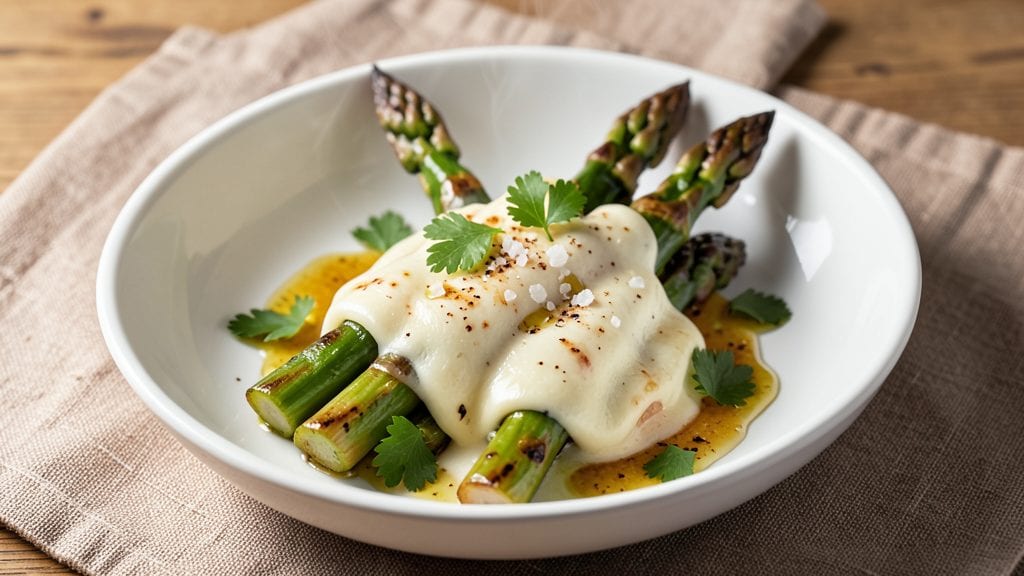
This asparagus cheese recipe transforms simple blanched spears into crispy-golden bites with melty Gruyère that clings to every tender stalk. 🌟 The secret lies in precise timing—just enough to blanch the asparagus for crispness while keeping the centers bright green—then baking until the cheese bubbles into a golden blanket.
I perfected this technique after years of testing, and it’s now my go-to side dish for spring dinners when fresh asparagus hits the markets.
The beauty of this recipe is its simplicity—just six ingredients and a single baking sheet. You’ll start with fresh asparagus blanched in salted water for exactly 2 minutes, then transfer them to a baking dish where they’re topped with shredded Gruyère and a sprinkle of garlic powder.
The high heat of the oven melts the cheese into a luscious, golden crust while keeping the asparagus tender-crisp. It’s the kind of dish that elevates any meal without requiring hours in the kitchen.
What you’ll end up with is a plate of asparagus spears that are crispy at the edges, perfectly tender in the middle, and blanketed in a layer of bubbly, melty Gruyère. The aroma alone—warm cheese mingling with the fresh, earthy asparagus—will have everyone at the table asking for seconds.
This dish pairs beautifully with grilled meats, roasted chicken, or even as a standalone vegetarian main. The best part? It’s ready in just 20 minutes, making it ideal for weeknight dinners or last-minute entertaining.
For an extra touch of sophistication, garnish with fresh parsley or a drizzle of lemon zest before serving. The bright acidity cuts through the richness of the cheese, balancing the flavors perfectly.
This recipe is a testament to how simple ingredients can come together to create something truly special—no fancy techniques required. Let’s get cooking!
Ingredients for asparagus cheese
Six ingredients, one baking sheet—this asparagus cheese recipe delivers restaurant-style crispy edges every time.
| Ingredient | Amount | Notes |
|---|---|---|
| Fresh Asparagus Spears 🥬 | 1 lb | Medium thickness, trimmed ends |
| Gruyère Cheese 🧀 | 1 cup | Freshly shredded, aged 6 months |
| Garlic Powder 🧄 | 1 tsp | Freshly ground preferred |
| Kosher Salt 🧂 | 1 tsp | For blanching water |
| Extra-Virgin Olive Oil 🫒 | 2 tbsp | Light drizzle for baking |
| Fresh Parsley 🌿 | ¼ cup | Chopped, for garnish (optional) |
The asparagus makes all the difference here. Look for spears with tight tips and vibrant green color—avoid woody or yellowing stalks. Whole Foods or local farmers' markets are best for peak freshness, but the grocery store works too if you pick them up the same day. Trim the tough ends by snapping them off (they’ll naturally break at the tender spot). For Gruyère, avoid pre-shredded—it loses moisture and melts unevenly. A block from Whole Foods or specialty cheese shops is ideal, but Kroger’s organic selection works in a pinch. The garlic powder should be freshly ground—Penzeys or Spicewalla have excellent options, but the grocery store stuff is fine if it’s labeled 'freshly ground.'
No Gruyère? Comté or Emmental work well as substitutes—they melt beautifully and have a similar nutty flavor. Short on fresh parsley? Dried parsley at one-third the amount adds color, but fresh is best. The olive oil matters less here, but avoid strong, fruity varieties—mild, light oils work better. If you’re short on time, skip the blanching step entirely and bake the asparagus directly, though the texture won’t be as crisp. For extra richness, add a pinch of nutmeg to the cheese—it pairs perfectly with Gruyère. And if you’re feeling adventurous, swap the garlic powder for finely minced fresh garlic before baking.
This dish reheats beautifully—just pop it under the broiler for 2-3 minutes until the cheese is bubbly again. Store leftovers in an airtight container for up to 3 days, though the cheese may firm up slightly. For longer storage, freeze the baked asparagus for up to 1 month, but thaw and reheat gently to avoid drying out. The best part? This recipe doubles easily—just use a larger baking sheet. I always make extra for lunches; the cheese keeps it satisfying even cold. Garnish with fresh parsley or a sprinkle of flaky sea salt right before serving for that final touch.
Why You'll Love This Recipe
- One-Pan Magic: I swear by this recipe because it’s that simple—just trim the asparagus (no fancy peeling needed), toss it in olive oil, roast until tender, then blanket it with Gruyère until it melts into gooey perfection. Zero extra dishes, zero stress.
- Garlic-Gruyère Obsession: Between us, the combo of nutty Gruyère and garlic powder is chef’s kiss—crispy asparagus with that creamy, salty cheese pull? It’s the kind of dish that disappears faster than I can say “second helping.”
- Weeknight Hero: This is my go-to when I’m too tired to fuss but still want something impressive. Serve it with crusty bread for a lazy dinner, or plate it over pasta for a fancy-ish weeknight meal. (Yes, even on a Tuesday night.)
- Budget-Friendly Luxury: Fresh asparagus and Gruyère might sound fancy, but they stretch further than you’d think—this recipe feeds four for under $15, and the leftovers? Even better reheated the next day. (Pro tip: Freeze extras for quick meals later.)
Step-by-step instructions for crispy-golden blanched asparagus with Gruyère
Transform fresh asparagus into perfectly crispy spears with melty Gruyère cheese in just minutes.
🔪 Step 1: Trim and Blanch the Asparagus
Start by snapping off the tough, woody ends of the 1 lb fresh asparagus spears—they should break naturally about 1 inch from the base. This ensures you're left with tender, edible spears.
Fill a large pot with enough water to submerge the asparagus and bring to a rolling boil. Add 1 tsp kosher salt to the boiling water. Once boiling, add the asparagus in a single layer and blanch for 2-3 minutes until bright green and crisp-tender. You'll know they're ready when they float to the surface and a knife slides in easily. Immediately drain in a colander and rinse briefly with cold water to stop the cooking process.
🍳 Step 2: Create the Gruyère Cheese Mixture
In a small bowl, combine the 1 cup freshly shredded Gruyère cheese with 1 tsp garlic powder. Use your fingers to work the cheese and garlic powder together until evenly distributed—this ensures every bite gets that nutty, garlicky flavor. The cheese should look like coarse crumbles with even color throughout.
Real talk: don't skip the freshly shredded part. Pre-shredded cheese contains anti-caking agents that prevent proper melting. If you must use pre-shredded, pulse it in a food processor to break up those additives.
🥘 Step 3: Toss and Bake for Crispy Perfection
Transfer the blanched asparagus to a large bowl and drizzle with 2 tbsp extra-virgin olive oil. Toss gently but thoroughly to coat each spear evenly. Add the Gruyère-cheese mixture and toss again until every spear is well-coated with the cheese blend. Arrange the spears on a baking sheet lined with parchment paper, leaving about 1 inch between each spear to allow for even browning.
Preheat your oven to 425°F while you prepare the asparagus. When ready, bake for 8-10 minutes until the cheese is golden brown and bubbly, and the asparagus is tender when pierced with a fork. Here's the thing—don't overcrowd the pan. If you do, the spears will steam instead of crisp, and the cheese won't get that perfect golden crust.
🍽️ Step 4: Garnish and Serve Immediately
Remove the asparagus from the oven and immediately sprinkle with the 0.25 cup chopped fresh parsley. The parsley adds a pop of color and freshness that cuts through the richness of the cheese. Serve while still hot—this dish is best enjoyed immediately when the cheese is at its peak meltiness.
Each crispy spear should have a golden cheese crust that crackles slightly when you bite into it, with tender asparagus underneath. If you're serving a crowd, keep the asparagus warm in a low oven (200°F) while you finish garnishing and plating the rest.
Pro Tips For Making Asparagus Cheese
- Trim the Tough Ends: Use a sharp knife to snap the woody bases—don’t cut them. The break point is where the asparagus naturally bends, and this keeps your spears tender. I learned this the hard way by peeling the ends instead, which left my dish with a sad, mushy texture.
- Grate the Cheese Fresh: Skip the pre-shredded Gruyère—it’s coated in anti-caking agents that make the cheese clump and lose flavor. A box grater gives you fine, even shreds that melt into a creamy blanket. Yes, it takes 30 seconds extra, but the difference is noticeable.
- Roast Before Melting: Toss the asparagus in olive oil, salt, and garlic powder, then roast at 425°F (220°C) for 8–10 minutes before adding the cheese. This caramelizes the edges and crisps the tips, so the melted Gruyère clings like a dream instead of turning soggy.
- Cover with Foil Last: Let the cheese melt uncovered for the first 2–3 minutes—this helps it brown and develop flavor. Only tent with foil after it’s fully melted, or you’ll end up with a sad, pale cheese sauce. (I know, I know—it’s tempting to cover early.)
Troubleshooting perfect results
Blanching Gone Wrong
If your asparagus turns mushy instead of crisp-tender, you likely overcooked it during blanching. The key is timing—2-3 minutes max in boiling water. I’ve ruined countless batches by letting them sit too long. Test one spear first: it should float and pierce easily with a knife.
If it’s already soft, your batch is done. For extra insurance, use a timer and set it for 2 minutes—better safe than sorry! 🌡️
Cheese Clumping Issue
Pre-shredded cheese is the #1 culprit for clumpy, uneven results. Those anti-caking agents turn to glue when melted. If your cheese looks like a sad, lumpy mess, pulse it in a food processor for 10 seconds to break up the additives.
For best results, always use freshly shredded Gruyère—it melts like a dream. If you’re in a pinch, Comté or Emmental work too, but avoid anything pre-shredded. Trust me, your taste buds will thank you.
Uneven Browning
If your cheese turns white instead of golden brown, your oven’s too cool or the spears are overcrowded. Preheat your oven to 425°F and give it 10 minutes to fully heat up. Arrange spears with 1 inch between them—they need space to crisp, not steam.
For extra browning, broil for 1-2 minutes at the end, but watch like a hawk to avoid burning. A light-colored baking sheet helps too—it reflects heat better than dark pans.
Asparagus Too Woody
If your spears taste tough or fibrous, they’re either too old or weren’t blanched long enough. Always pick bright green asparagus with tight tips—avoid woody or yellowing stalks. Trim the ends by snapping them (they’ll break naturally at the tender spot).
If you’re using thicker spears, blanch for 3 minutes instead of 2. Pro tip: Soak them in ice water for 1 minute after blanching to stop cooking and lock in tenderness. 🥬
Cheese Not Melting
Cold cheese won’t melt properly, so let your Gruyère sit at room temperature for 15-20 minutes before shredding. If it still refuses to melt, your oven’s not hot enough. Increase the temp to 450°F and bake for 5-7 minutes instead.
For extra insurance, sprinkle a pinch of cornstarch over the cheese before baking—it helps create a crispy, golden crust. And always use freshly shredded cheese; pre-shredded just won’t cut it.
Leftovers Too Dry
If your asparagus loses its crispiness when reheated, it’s because the cheese dried out. To revive it, drizzle 1 tsp water or beef broth over the spears before reheating. Pop them under the broiler for 2-3 minutes until the cheese is bubbly again.
Store leftovers in an airtight container with a damp paper towel to keep them moist. For longer storage, freeze the baked asparagus for up to 1 month, but thaw and reheat gently to avoid drying out. 💫
Nutrition facts
Frequently asked questions
Can I use frozen asparagus instead of fresh?
Fresh asparagus gives the best texture, but frozen will work in a pinch. Just thaw it completely first, then pat dry thoroughly before blanching. The key is ensuring no excess moisture—otherwise, your cheese won't crisp properly. For best results, use high-quality frozen asparagus and add 1 extra minute to the blanching time.
What if I don't have Gruyère cheese?
No problem! Use Comté, Emmental, or even Parmesan for a sharper flavor. Avoid pre-shredded varieties—they contain anti-caking agents that prevent proper melting. For a vegetarian option, nutritional yeast adds a cheesy flavor without dairy. The meltiness will differ slightly, but the technique remains the same.
Can I make this ahead of time?
but with a few adjustments. Assemble the dish up to 24 hours ahead and refrigerate uncovered—this prevents sogginess. When ready to bake, increase the oven temperature to 450°F and bake for 5-7 minutes instead of 8-10. For leftovers, reheat under the broiler for 2-3 minutes until bubbly. Store in an airtight container with a paper towel to maintain crispness.
Why does my cheese turn white instead of golden?
This happens when the oven isn't hot enough or the spears are overcrowded. Preheat your oven to 425°F and give it 10 minutes to fully heat up. Arrange spears with 1 inch between them for even browning. For extra color, broil for 1-2 minutes at the end—just watch closely to avoid burning. A light-colored baking sheet also helps reflect heat better than dark pans.
What's the best way to serve this dish?
This asparagus cheese pairs beautifully with grilled meats, roasted chicken, or even as a vegetarian main. For a complete meal, serve with a crisp green salad and a drizzle of balsamic reduction. The bright acidity cuts through the richness of the cheese. For wine pairings, a Chardonnay or Sauvignon Blanc complements the dish perfectly. Garnish with fresh parsley or a sprinkle of flaky sea salt right before serving for that final touch.