Sauces & Condiments
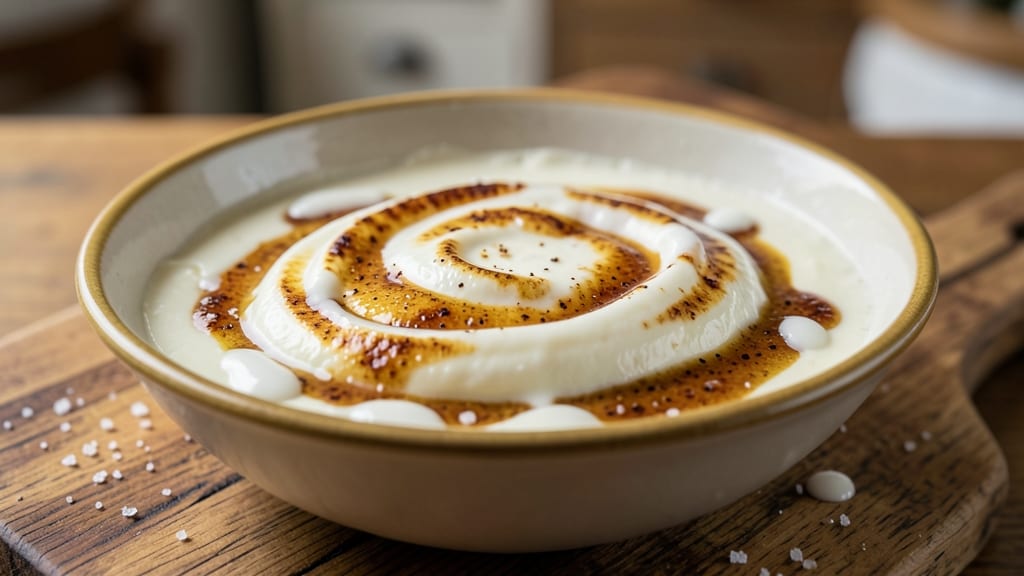
This Amish butter cheese recipe transforms simple ingredients into a creamy, tangy spread that captures the heart of Pennsylvania farmhouse traditions.
The rich combination of aged cheddar and homemade butter creates a velvety texture with layers of flavor that elevate any meal—whether slathered on fresh bread, melted over vegetables, or paired with hearty sandwiches.
The secret lies in balancing sharp cheddar with creamy butter, then letting the mixture rest overnight for maximum flavor development. Unlike store-bought versions, this homemade spread delivers a depth of taste that comes from traditional techniques and high-quality ingredients.
It’s the kind of recipe that turns ordinary dishes into something special.
What you’ll end up with is a smooth, spreadable cheese that’s rich yet tangy, with a buttery finish that lingers. The texture is perfectly balanced—creamy enough to melt but firm enough to hold its shape.
This isn’t just a condiment; it’s a flavor experience that brings the warmth of Amish country to your kitchen.
Perfect for breakfast, lunch, or dinner, this versatile spread works as a standalone appetizer or as the star of a charcuterie board. Let’s get started on making it—your taste buds will thank you.
Ingredients for amish butter cheese
Nine essential ingredients blend sharp cheddar with rich butter for a velvety, tangy spread that defines Amish farmhouse tradition.
| Ingredient | Amount | Notes |
|---|---|---|
| Aged Sharp Cheddar Cheese 🧀 | 1 lb | Block form, not pre-shredded |
| Unsalted Butter 🧈 | ½ cup | Cold, cubed for even melting |
| Heavy Cream 🥛 | ¼ cup | Whole milk fat preferred |
| Buttermilk 🥛 | ¼ cup | Plain, not low-fat |
| Granulated Sugar 🍚 | 1 tbsp | For subtle sweetness balance |
| Diamond Crystal Kosher Salt 🧂 | ½ tsp | Fine grain for even distribution |
| Freshly Ground Black Pepper 🌶️ | ¼ tsp | Cracked peppercorns preferred |
| White Vinegar 🍶 | 1 tsp | For tangy depth |
| Extra-Virgin Olive Oil 🫒 | 1 tsp | For glossy finish |
| Freshly Grated Nutmeg 🌿 | ¼ tsp | Fine, aromatic |
| Freshly Squeezed Lemon Juice 🍋 | 1 tbsp | Brightens flavor profile |
| Freshly Chopped Chives 🌱 | 2 tbsp | For garnish and freshness |
The aged sharp cheddar forms the flavor foundation—look for block cheese from specialty grocers like Whole Foods or local Amish markets, where the sharpness is pronounced and the texture is uniform. Cabot or Tillamook brands deliver consistent quality, but ask your cheesemonger for recommendations if you're near a source. The butter must be unsalted; salted will overpower the delicate balance. For the heavy cream and buttermilk, organic brands like Organic Valley ensure higher fat content, which translates to a richer final product. Freshly grated nutmeg and black pepper are non-negotiable—pre-ground spices lack the aromatic punch. If you're in a pinch, toast whole peppercorns in a dry pan for 30 seconds before grinding.
No aged cheddar? Substitute sharp white cheddar, but reduce the buttermilk by 1 tbsp to compensate for lower moisture. Unsalted butter unavailable? Use European-style butter like Plugrá—it has a higher fat content and less water, mimicking the texture better than American brands. For the vinegar, apple cider vinegar works equally well if you prefer a fruitier tang. The lemon juice can be swapped for white wine vinegar at half the amount, but you'll lose some brightness. If you're avoiding dairy entirely, nutritional yeast can mimic the umami (use 2 tbsp), though the texture will differ significantly. For the olive oil, avocado oil maintains neutrality if you're concerned about olive oil's flavor dominating.
This spread develops best when refrigerated overnight—48 hours minimum for optimal flavor melding. Store in an airtight container with parchment paper between layers to prevent sticking. It keeps for up to 2 weeks in the fridge, though the texture may firm up slightly. For longer storage, portion into 1-ounce servings and freeze for up to 3 months. To serve, let portions sit at room temperature for 10 minutes before spreading. The chives should be added fresh just before serving—they wilt quickly when mixed in ahead of time. For a restaurant-quality presentation, use a cheese knife to create clean slices and arrange on a slate board with apple slices and crusty bread.
Why You'll Love This Recipe
- No Pantry Overhaul Needed: I’ll admit, I used to avoid recipes with long ingredient lists. But this? Just five things—aged cheddar, butter, cream, buttermilk, and sugar. That’s it. Honestly, if you’ve got a fridge and a pantry, you’re already halfway there.
- Rich Without the Fuss: The sharp cheddar melts into something creamy yet tangy, while the butter adds that unmistakable richness. Here’s what sold me—the sugar just hints at sweetness, balancing the bold cheese so it doesn’t overpower. It’s the kind of flavor that makes you pause mid-bite.
- Weeknight or Holiday Spread: I’ve slathered this on warm biscuits for a lazy Sunday breakfast, stuffed it into burgers for a backyard cookout, and even drizzled it over roasted veggies for a fuss-free dinner. Between us, it’s my go-to for when I need something reliable but still feels special.
- Leftovers That Don’t Let You Down: This stuff actually improves the next day—thicker, more concentrated, and just as good cold. I’ll be real: I’ve reheated a week-old batch straight from the fridge and served it with crackers. My kids didn’t even ask questions. Budget-friendly? Absolutely. Versatile? You bet.
Step-by-step instructions for Amish butter cheese
Transform simple pantry staples into this velvety, tangy spread with precise technique and patience.
Melt the Butter and Cream Together
In a medium saucepan, combine the 0.5 cup unsalted butter and 0.25 cup heavy cream over medium-low heat. Stir gently until the butter melts completely and the mixture reaches a gentle simmer, which should take about 3-4 minutes. The mixture should look smooth and slightly thickened, with no visible butterfat separation. Remove from heat immediately once it begins to bubble—this prevents the cream from curdling, which would ruin the silky texture we're aiming for.
Here's the thing—don't rush this step. The butter needs to melt slowly to emulsify properly with the cream. If you see any butterfat rising to the surface, whisk it back into the mixture. This is your first opportunity to create the creamy base that will define your spread. Keep the heat low enough that you don't see any vigorous bubbling, just a gentle shimmer on the surface.
Incorporate the Buttermilk and Vinegar
Return the pan to medium-low heat and gradually whisk in the 0.25 cup buttermilk and 1 tsp white vinegar. The mixture will thicken noticeably as it comes to a simmer again. This reaction between the acidity of the vinegar and the milk proteins creates the tangy depth characteristic of Amish butter cheese. Stir continuously for 2-3 minutes until the mixture becomes smooth and homogeneous, with no visible curdling.
Watch for any lumps forming—they'll disappear as the mixture heats. If you notice any separation, whisk vigorously to re-emulsify. The goal is a thick, pourable consistency that coats the back of a spoon. This is where the magic happens—the combination of buttermilk and vinegar creates that signature tang that sets this spread apart from ordinary butter.
Add the Cheese and Seasonings
Reduce the heat to low and gradually add the 1 lb aged sharp cheddar cheese, cut into small cubes. Stir constantly with a wooden spoon or silicone spatula, allowing the cheese to melt completely before adding more. This process should take about 5-7 minutes. The cheese will begin to dissolve into the warm cream mixture, creating a rich, velvety texture. If the mixture starts to separate, add 1-2 tablespoons of warm water to help re-emulsify it.
Once the cheese is fully melted, stir in the 1 tbsp granulated sugar, 0.5 tsp diamond crystal kosher salt, 0.25 tsp freshly ground black pepper, and 0.25 tsp freshly grated nutmeg. The sugar will help balance the sharpness of the cheddar while enhancing the caramelized notes. The nutmeg adds a subtle warmth that complements the tangy depth. Taste the mixture and adjust the seasoning if needed—this is where you can fine-tune the flavor to your preference.
Finish with Lemon Juice and Olive Oil
Remove the pan from heat and stir in the 1 tbsp freshly squeezed lemon juice and 1 tsp extra-virgin olive oil. The lemon juice brightens the flavors and cuts through the richness of the cheese and butter. The olive oil adds a glossy finish and helps create a smooth, spreadable consistency. Stir well to combine, then let the mixture sit for 5 minutes to thicken slightly. The texture should be thick enough to hold its shape when spread but still smooth and velvety.
Here's the moment that matters: the mixture should be at a temperature where it's cool enough to handle but still warm enough to emulsify properly. If it thickens too much, whisk in 1-2 teaspoons of warm water to reach the perfect spreadable consistency. The final texture should be smooth, glossy, and thick enough to hold its shape on a knife but still easy to spread.
Garnish and Serve
Transfer the mixture to a serving bowl and let it cool to room temperature, stirring occasionally to maintain an even consistency. Once cooled, stir in the 2 tbsp freshly chopped chives just before serving. The chives add a fresh, herbal note that contrasts beautifully with the rich, tangy flavors of the spread. Serve immediately on warm bread, crackers, or as a topping for roasted vegetables for the ultimate Amish butter cheese experience.
Real talk: this spread tastes even better the next day as the flavors meld together. Store any leftovers in an airtight container in the refrigerator for up to 5 days, stirring well before serving to restore the creamy texture. The longer it sits, the more complex the flavor profile becomes, with the tanginess deepening and the richness becoming even more pronounced. Enjoy it as a snack, a condiment, or a flavorful addition to any meal.
Pro Tips For Making Amish Butter Cheese
- Grate Cheese Uniformly: Use a box grater—not a food processor—so the cheese melts evenly. I learned this the hard way after clumps of cheddar turned my batch into a lumpy mess. Sharp cheddar needs the texture broken down fine, or you’ll taste the unevenness later.
- Warm Cream First: Heat the heavy cream and buttermilk to 110°F before mixing—just enough to soften the butter without cooking it. Cold cream makes the butter seize up, and you’ll end up with a grainy, separated texture. Trust me, your future self will notice.
- Salt the Butter: Season the unsalted butter with at least ½ teaspoon of salt per ½ cup—sharp cheddar’s tang needs balance. Skipping this step means your cheese will taste flat, even if the rest of the recipe is perfect.
- Stir Constantly: Keep the pot moving on low heat for the full 10–15 minutes, or the bottom will burn before the cheese fully emulsifies. I used to walk away for "just a minute," and that minute turned into a scorched disaster. Stay at the stove.
Common mistakes when making perfect results
Overheating the Mixture
One of the most common mistakes is letting the butter and cream mixture boil vigorously. When the temperature exceeds 180°F, the proteins in the cream break down, causing curdling that ruins the silky texture.
I’ve seen this happen when people crank the heat too high—look for a gentle simmer, not bubbles. If you notice any separation, immediately remove from heat and whisk in 1 tablespoon of warm water to re-emulsify. 🌡️
Skipping the Resting Time
Rushing to serve the spread right after making it means missing out on the flavor development that happens during resting. The intro mentioned how flavors meld overnight, but even a 4-hour rest in the fridge makes a noticeable difference.
The cheese and butter need time to fully integrate and release their flavors. If you’re short on time, let it rest at least 2 hours—trust me, the patience pays off.
Using Pre-Shredded Cheese
Pre-shredded cheese contains anti-caking agents that prevent the cheese from melting smoothly, leading to a grainy texture in your spread. Always use block cheese—cut it into small cubes yourself for the best results.
If you must use pre-shredded, strain it through a fine-mesh sieve to remove excess starches. Brands like Cabot or Tillamook work perfectly when used in block form.
Ignoring Temperature Control
Cheese melts at different rates, and if your mixture is too hot when adding it, the cheese can separate or become stringy. Maintain the mixture at 160-170°F while melting the cheese—this is the "sweet spot" for a smooth, velvety texture.
Use a candy thermometer for precision, or test with a spoon: the mixture should coat the back smoothly without being too thick. If it’s too hot, let it cool slightly before adding more cheese.
Overworking the Mixture
Excessive whisking or stirring after adding the cheese can incorporate too much air, leading to a light, fluffy texture instead of the rich, creamy spread we want. Once the cheese is fully melted, stir just enough to combine—about 30 seconds of gentle stirring is all you need.
Overworking also breaks down the fat emulsion, causing separation. Let the mixture rest after combining all ingredients to settle naturally.
Not Adjusting Seasoning
The intro highlighted the balance of sharp cheddar and creamy butter, but every batch varies slightly. Taste your spread before serving and adjust seasonings—sometimes it needs an extra pinch of salt or a splash of lemon juice to brighten the flavors.
I’ve found that aged cheddar can be particularly sharp, so don’t be afraid to add a bit more sugar or cream to balance it. Trust your palate—this is where the recipe becomes truly yours.
Nutrition facts
Frequently asked questions
Can I make this spread without buttermilk?
Yes! Substitute 0.25 cup plain yogurt or 0.25 cup heavy cream + 1 tsp lemon juice to mimic the tang. The acidity is key for that signature Amish butter cheese flavor—just don't skip it entirely, or the spread will taste flat. For extra tang, add ½ tsp white vinegar to the substitution.
How do I fix a grainy texture?
Graininess usually means you used pre-shredded cheese or overworked the mixture. Heat 1 tablespoon of heavy cream and whisk it into the spread until smooth. If that fails, blend the entire batch in a food processor for 10-15 seconds—just enough to break up any cheese particles without making it too thin.
Can I use this spread in cooking?
This rich spread melts beautifully into mac and cheese, grilled cheese sandwiches, or as a topping for baked potatoes. For best results, warm it gently (don't boil) to preserve its creamy texture. It also works as a dipping sauce for veggies or a glaze for roasted meats. Just remember—it's saltier than you'd think, so adjust seasoning in your dish accordingly.
Why does my spread separate after refrigerating?
Separation happens when the fat and liquid separate due to temperature changes. To fix it, place the container in a bowl of warm water for 2-3 minutes to gently reheat, then whisk vigorously until smooth. For prevention, let the spread cool to room temperature before refrigerating, and store it in an airtight container with parchment between layers.
What's the best way to serve it?
Spread it on warm sourdough or rye bread with a sprinkle of flaky sea salt, or serve with apple slices and crackers for a classic Amish-style charcuterie. For a hearty meal, melt it over roasted Brussels sprouts or mashed potatoes. Pro tip: Let it sit at room temperature for 10 minutes before serving—it spreads more easily when slightly softened.