Appetizers
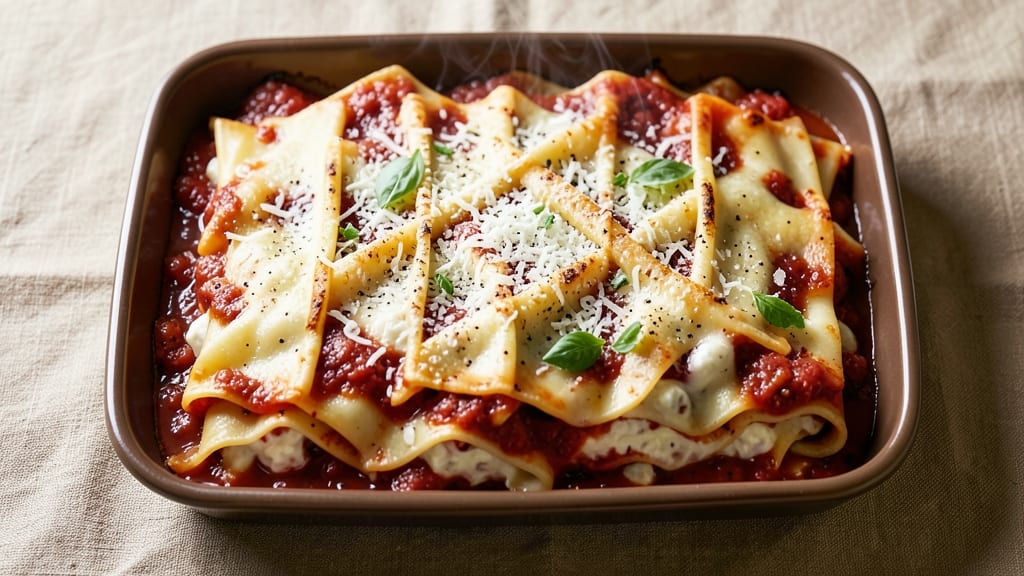
America's Test Kitchen cottage cheese lasagna delivers the creamy, layered perfection you crave without the heaviness of traditional recipes. The secret lies in blending cottage cheese with ricotta for a lighter texture that still holds together beautifully when baked.
This isn't your grandmother's lasagna—it's a refined, restaurant-quality dish with precise layering techniques that prevent sogginess and ensure every bite is rich yet balanced.
What sets this recipe apart is the attention to detail that makes all the difference: pre-cooking the noodles just until al dente (they'll finish in the oven), using a specific cheese ratio for optimal melt, and controlling the oven temperature to avoid overbrowning.
The cottage cheese creates a velvety, slightly tangy layer that complements the tomato sauce perfectly, while still delivering that satisfying cheesiness we all love. It's the kind of lasagna that impresses even the most critical diners.
By the time it emerges from the oven, you'll have a lasagna with perfectly tender noodles, a creamy cheese layer that doesn't separate, and a rich tomato sauce that's neither too acidic nor too sweet.
The texture is what you'd expect from a high-end Italian restaurant—creamy yet not greasy, substantial yet not heavy. This is comfort food elevated to a new level of precision and flavor.
The best part? This recipe offers flexibility for customization—add cooked ground beef or Italian sausage between layers, or substitute vegan cheese for a plant-based version without compromising texture. Whether you're feeding a family or hosting a dinner party, this lasagna delivers professional-quality results that will have everyone asking for seconds.
Let's get to the layering—this is where the magic happens.
Ingredients for america's test kitchen lasagna with cottage cheese
Cottage cheese and ricotta blend for creamy layers, paired with precise noodle prep and sauce balance.
| Ingredient | Amount | Notes |
|---|---|---|
| Lasagna Noodles 🍝 | 12 whole | No-boil or pre-cooked preferred |
| Small Curd Cottage Cheese 🧀 | 24 oz | 2% fat, drained well |
| Ricotta Cheese 🧀 | 15 oz | Whole milk preferred |
| Large Eggs 🥚 | 2 whole | Room temperature for blending |
| Parmesan Cheese 🧀 | 1 cup | Freshly grated, block preferred |
| Marinara Sauce 🍅 | 3 cups | Homemade or high-quality jarred |
| Garlic Cloves 🧄 | 4 cloves | Minced for sauce enhancement |
| Olive Oil 🫒 | ¼ cup | Extra-virgin for richness |
| Fresh Basil Leaves 🌿 | ¼ cup | Chopped for garnish |
| Ground Black Pepper 🌶️ | ½ tsp | Freshly cracked preferred |
| Sea Salt 🧂 | 1 ½ tsp | Fine grain for seasoning |
| Italian Seasoning 🌿 | 1 tsp | For extra flavor depth |
| Ground Beef (optional) 🥩 | 1 lb | 80% lean, finely ground |
The cottage cheese is the star here—small curd, 2% fat gives that perfect velvety texture without heaviness. Trader Joe's or Whole Foods carry the best brands, but any 2% works if it's fresh. Drain it well before mixing (just spread on paper towels for 10 minutes). Ricotta should be whole milk—part-skim gets rubbery when baked. For Parmesan, always grate it yourself—pre-shredded has anti-caking agents that make the sauce grainy. The lasagna noodles? No-boil or pre-cooked are your friends—they handle the oven better without turning mushy. If you must use regular noodles, boil them just until al dente (they'll finish in the oven).
No ricotta? Substitute extra cottage cheese plus 1 egg yolk for the same creamy texture. Running low on marinara? Crushed tomatoes with garlic, olive oil, and a pinch of sugar works in a pinch. The optional ground beef can be swapped for Italian sausage or mushrooms—just brown it well first. Fresh basil is ideal, but dried oregano at half the amount gets you close. For a vegan version, use cashew cream and vegan Parmesan (store-bought or homemade). The key is keeping the cheese blend balanced—too much ricotta makes it gummy, too much cottage cheese makes it dry. Trust me on the 24 oz cottage to 15 oz ricotta ratio.
This lasagna tastes even better the next day—make it ahead and bake when ready. Keeps 4-5 days in the fridge, freezes for 3 months (wrap tightly in foil first). For serving, let it rest 10 minutes after baking—this helps the layers set. I always slice it with a hot knife (dip in boiling water first) for clean cuts. The leftovers reheat beautifully—just cover with foil and warm at 350°F for 15 minutes. Portion into individual containers for easy lunches.
Why You'll Love This Recipe
- No Boil Hassle: I swear by no-boil noodles here—just layer, bake, and boom. No fussing with pasta water or waiting for them to cook. The noodles stay perfectly tender while soaking up that creamy cottage cheese-ricotta mix like a dream.
- Creamy Without the Guilt: That small-curd cottage cheese? It’s the secret weapon. Light, fluffy, and not heavy like some ricotta-heavy lasagnas I’ve tried. Plus, it cuts the fat while keeping every bite rich—my kids don’t even notice (or care) it’s “healthier.”
- Leftovers That Hit: This lasagna actually improves the next day. The cottage cheese firms up just enough to hold its shape, and the Parmesan gets extra crispy on top. I make a double batch on Sundays and eat it for lunch all week—no sad, soggy leftovers here.
- Budget-Friendly Luxury: Parmesan shavings on top make it feel fancy, but the real magic is the cottage cheese. It’s cheaper than ricotta alone, stretches further, and still delivers that chef’s kiss texture. Honestly? This is my go-to for feeding a crowd without breaking the bank.
Step-by-step instructions for america's Test Kitchen cottage cheese lasagna
Here's how to build layers of creamy cottage cheese goodness without heaviness—every step ensures perfect texture and flavor.
Prepare the Cottage Cheese Ricotta Mixture
In a large bowl, combine the 24 oz small curd cottage cheese (drained well), 15 oz ricotta cheese, 2 whole large eggs, 1 cup parmesan cheese, 0.5 tsp ground black pepper, 1.5 tsp sea salt, and 1 tsp italian seasoning. Use a hand mixer to blend until completely smooth and homogeneous—this prevents lumps in your lasagna layers.
I like to mix this at room temperature for better blending. If your cottage cheese feels too thick, press it through a fine-mesh strainer to remove excess liquid before combining. The mixture should be thick but still pipeable—like a rich, creamy pudding. Cover and refrigerate while you prepare the rest of the components.
Cook the Optional Ground Beef Sauce Layer
If using the 1 lb ground beef, heat 0.25 cup olive oil in a large skillet over medium-high heat. Add the beef and cook, breaking it apart with a wooden spoon, until browned and fully cooked—about 8-10 minutes. Drain excess fat if needed, then stir in 1 cup marinara sauce and 4 cloves minced garlic. Simmer for 5 minutes until flavors meld.
This beef sauce layer adds depth that balances the cottage cheese's mildness. If skipping beef, simply use 2 cups marinara sauce instead—just make sure to season it with 1 tsp italian seasoning and 0.5 tsp ground black pepper to match the flavor profile.
Assemble the Lasagna Layers
Preheat your oven to 375°F. Spread 1 cup marinara sauce on the bottom of a 9x13-inch baking dish. Arrange 4 lasagna noodles (no-boil or pre-cooked) to cover the bottom, slightly overlapping if needed. Spread one-third of the cottage cheese mixture evenly over the noodles, then add one-third of the beef sauce (or marinara if skipping beef).
Repeat with another layer of noodles, remaining cottage cheese mixture, and another third of the sauce. Top with final noodle layer, remaining sauce, and sprinkle 0.25 cup chopped fresh basil leaves over the top. This basil adds freshness that cuts through the richness.
Bake to Golden Perfection
Cover the lasagna tightly with aluminum foil and bake for 30 minutes. Remove the foil and bake another 15-20 minutes until the top is golden brown and bubbly. The edges should be lightly crisped while the center remains tender—this ensures the cottage cheese stays creamy, not rubbery.
Here's the thing—don't overbake. The lasagna will continue cooking as it rests. Let it sit for 15 minutes before slicing. This resting period allows the layers to set properly, preventing a runny mess when you serve. The cottage cheese should be warm but still hold its shape when cut.
Pro Tips For Making America'S Test Kitchen Lasagna With Cottage Cheese
- Preheat That Pan: America’s Test Kitchen swears by a hot baking dish—425°F (220°C) for at least 30 minutes before assembling. I used to skip this, and my lasagna always came out unevenly cooked. The first layer of noodles needs that heat to start softening immediately, or you’ll end up with a soggy bottom and dry top. Trust me, this isn’t the time to rush.
- Drain Cottage Cheese Well: Small-curd cottage cheese holds way more moisture than you’d think. After mixing it with ricotta, eggs, and Parmesan, spread the mixture on a plate and let it sit uncovered in the fridge for 20 minutes. This step cuts down on watery layers later—no one wants a lasagna swimming in its own cheese sauce.
- Salt the Noodles: The recipe says to boil the lasagna noodles in unsalted water, but I’ve learned the hard way: they need salt. Toss them in a bowl with 1 tablespoon of salt after boiling and before layering. This guarantees they’re seasoned through, not just on the surface. (Yes, even if you’re using salted pasta water—it’s not enough.)
- Layer Like a Pro: Don’t just dump everything in and hope for the best. Use a rimmed baking sheet to assemble the lasagna, then slide it onto the hot pan—this keeps the layers neat. Press each noodle sheet gently into the sauce below to prevent gaps, or you’ll end up with dry pockets. Think of it like tucking in a picky eater.
Make-ahead tips for this recipe
Prep Ahead Strategy
Assemble your lasagna up to 24 hours in advance and refrigerate uncovered on a wire rack. This dries the noodles slightly, preventing sogginess when baking. I cover it loosely with plastic wrap if I'm prepping 12+ hours ahead—just remove the wrap before baking to avoid steam buildup.
Bake straight from the fridge at 375°F for 50-60 minutes, adding 10-15 minutes of uncovered time at the end for browning.
Freezer-Friendly Assembly
For freezing, assemble completely (including sauce on top) and wrap tightly in heavy-duty aluminum foil, then place in a ziplock freezer bag. Label with the date—this lasagna stays excellent for 3 months.
When ready to bake, thaw overnight in the fridge, then bake uncovered at 375°F for 45-55 minutes, tenting with foil if the top browns too quickly. The cottage cheese texture remains creamy after freezing when handled this way.
Portion Control Tips
Divide the assembled lasagna into 8 individual portions before baking for easy reheating. Use a 9-inch round cake pan as a guide to cut perfect squares. Store portions in glass airtight containers with parchment paper between layers to prevent sticking.
Each serving reheats beautifully—just cover with foil and warm at 350°F for 15 minutes or microwave for 2 minutes on 50% power.
Sauce Prep Shortcut
Make your marinara sauce 2 days ahead and store it in the fridge. The flavors deepen over time, and you can use it straight from the fridge without thawing. For the cottage cheese mixture, prepare it 1 day ahead and refrigerate in a sealed container.
Stir well before using—it thickens slightly when chilled. This head start makes assembly on busy nights effortless.
Baking Schedule
Plan to bake your lasagna 1 hour before serving—this includes 15 minutes of resting time. If baking from frozen, add 20 minutes to your schedule. I always set a timer for the 30 minutes covered and 20 minutes uncovered phases separately to avoid overbaking.
The cottage cheese layer has a narrow window between creamy perfection and rubbery texture.
Make-Ahead Garnish
Chop your 0.25 cup fresh basil and store it in a small container with a damp paper towel to keep it fresh. You can also make a simple garnish mix ahead by combining 2 tbsp grated Parmesan with 0.5 tsp red pepper flakes—just sprinkle on top before serving.
This keeps your lasagna looking restaurant-fresh even when made ahead.
Nutrition facts
Frequently asked questions
Why does this recipe use cottage cheese instead of ricotta?
The cottage cheese creates a lighter, creamier texture while still delivering that rich lasagna experience. The small curd variety blends smoothly with ricotta to prevent graininess, and the eggs help bind everything together for a velvety layer that doesn't separate. It's a game-changer for anyone who wants a lighter take on traditional lasagna.
Can I make this lasagna ahead of time?
Assemble it up to 24 hours ahead and refrigerate uncovered to dry the noodles slightly. For freezing, wrap tightly and bake straight from frozen (add 10-15 extra minutes). The cottage cheese mixture actually improves overnight—just stir well before baking.
What's the secret to preventing a soggy lasagna?
Three key steps: use no-boil noodles, bake covered first to steam the layers, then uncover to crisp the top. Also, let it rest 15 minutes before slicing—this helps the cottage cheese set properly. Overbaking is the #1 cause of sogginess, so watch those edges!
Can I substitute other cheeses?
For the cottage cheese-ricotta blend, you can use mascarpone or cream cheese (add 1 egg to bind), but the texture will be richer. For Parmesan, always grate fresh—pre-shredded contains anti-caking agents that make the sauce grainy. The cottage cheese is irreplaceable for that signature lightness!
How do I know when it's fully cooked?
The edges should be golden brown and bubbly, while the center remains tender. Insert a knife near the center—it should come out hot but not carry raw cheese. The cottage cheese layer should be warm but still hold its shape when cut. Never overbake—it continues cooking as it rests!