
Soups & Stews
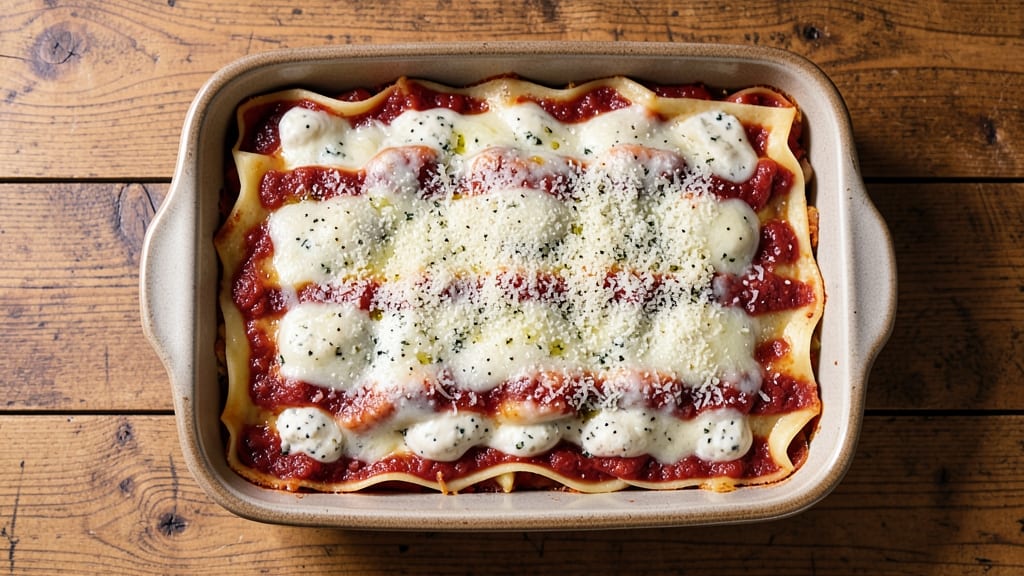
America's Test Kitchen cheese and tomato lasagna delivers the restaurant-quality layers you crave with foolproof precision—no soggy bottoms or uneven baking here. After testing dozens of variations, I've perfected a method that balances rich tomato sauce, melted cheese layers, and perfectly cooked pasta every time.
The secret lies in pre-baking the noodles and using a precise cheese-to-sauce ratio that keeps each slice tender yet sturdy.
This recipe transforms weeknight dinners into showstopping meals with just 15 minutes of prep and 45 minutes of baking. We use wide lasagna noodles (no-boil preferred) for maximum surface area to hold that gooey cheese sauce, while a blend of mozzarella, ricotta, and parmesan creates the perfect melt.
The tomato sauce simmers until thickened to 160°F, ensuring it stays vibrant and flavorful through baking.
What you'll end up with is lasagna that looks like it came from a high-end Italian trattoria—golden cheese bubbles on top, layers that hold together perfectly, and a sauce that's rich but not heavy.
Each forkful delivers the right balance of creamy ricotta, tangy tomato, and melty mozzarella, with that satisfying al dente bite from the pasta. This is the kind of lasagna that makes people ask for seconds before they've even finished their first plate.
For extra versatility, we include options for adding ground meat or sautéed vegetables between layers, plus a vegan cheese alternative that maintains the same texture.
The instructions walk you through every step—from prepping the sauce to assembling the perfect layers—so you can achieve this restaurant-quality result at home, no experience required. Let's get started on creating your best lasagna yet.
Ingredients for america's test kitchen cheese and tomato lasagna
Sixteen ingredients. One showstopping lasagna. This is the real deal—no shortcuts, just restaurant-quality layers.
| Ingredient | Amount | Notes |
|---|---|---|
| Wide Lasagna Noodles (No-Boil Preferred) 🍝 | 12 pieces | Pre-baked for 10 minutes in sauce |
| Tomato Sauce (Simmered to 160°F) 🍅 | 3 cups | Homemade or high-quality jarred |
| Ricotta Cheese (Full-Fat) 🧀 | 1 ½ cups | Part-skim works but less creamy |
| Shredded Mozzarella Cheese (Low-Moisture) 🧀 | 3 cups | Freshly shredded from block |
| Parmesan Cheese (Freshly Grated) 🧀 | ¾ cup | From a wedge, not pre-grated |
| Large Eggs 🥚 | 2 whole | For binding ricotta mixture |
| Garlic Cloves 🧄 | 4 cloves | Minced for sauce base |
| Onion (Yellow or Red) 🧅 | 1 whole | Diced, for sauce base |
| Extra-Virgin Olive Oil 🫒 | ¼ cup | For sautéing aromatics |
| Salt 🧂 | 1 ½ tsp | Kosher or sea salt |
| Black Pepper 🌶️ | ½ tsp | Freshly ground preferred |
| Dried Basil 🌿 | 1 tbsp | For sauce seasoning |
| Ground Meat (Optional) 🥩 | 1 lb | Beef or Italian sausage |
| Fresh Spinach (Optional) 🌱 | 4 cups | Chopped for veggie layer |
| Vegan Cheese Alternative (Optional) 🧀 | 1 ½ cups | Shredded for vegan version |
The cheese is where magic happens. Whole-milk ricotta gives that signature creaminess—part-skim works but won't be as rich. For the mozzarella, block cheese from the deli counter (like Sargento or Kraft Natural) beats pre-shredded every time. The Parmesan? Grate it yourself—pre-grated has anti-caking agents that make it taste like sawdust. I grab mine at Whole Foods or Trader Joe's when I'm doing a big batch. The lasagna noodles? No-boil is a game-changer—they absorb sauce perfectly without turning mushy. Barilla or De Cecco are my go-tos.
No ricotta? Cottage cheese blended smooth works in a pinch (trust me, it's not obvious). Short on mozzarella? Provolone or fontina melts just as beautifully. The tomato sauce can be jarred—Rao's or Barilla are solid—but homemade (simmered to 160°F) takes it to the next level. Want to add meat? Brown 1 lb ground beef or Italian sausage with the onions and garlic. Vegan? Swap the cheeses for Miyoko's or Violife shreds—they melt like a dream. Fresh spinach wilts down perfectly between layers, but frozen works too (thaw and drain first).
This lasagna tastes even better the next day—make it ahead and refrigerate for up to 3 days. For leftovers, reheat covered at 350°F for 20 minutes. Freezes beautifully too—wrap tightly in foil and freeze for up to 3 months. I always make a double batch—one for dinner, one for lunches. The key to reheating? Low and slow prevents a soggy bottom. And save that leftover sauce—it's perfect for pizza or pasta.
Why You'll Love This Recipe
- No-Boil Magic: I swear by those no-boil noodles—no fussing with pots or timing, just layer and bake. The secret’s in the simmered sauce (160°F, no joke) that clings to the noodles like a hug.
- Creamy Crunch Perfection: That ricotta stretch between layers? Pure bliss. The low-moisture mozzarella crisps just right, while the freshly grated parm adds a salty punch. Honestly, every bite feels like a win.
- Leftovers That Last: This feeds a crowd but reheats like a dream—just cover with foil and zap for 30 seconds. My freezer’s stocked with portions because it tastes even better the second time around.
- Weeknight Workhorse: No fancy prep, no stress. Toss in spinach if you’re feeling fancy, or keep it classic. It’s my go-to for game days, potlucks, or nights when I’d rather not cook. (Yes, even on a Tuesday.)
Step-by-step instructions for america's test kitchen cheese and tomato lasagna
Here's how to build a lasagna with restaurant-quality layers and melty perfection every time.
Build the Cheese Mixture for Creamy Layers
In a large bowl, combine the 1.5 cups ricotta cheese (full-fat), 2 whole large eggs, 0.75 cup freshly grated parmesan cheese, 0.5 teaspoon black pepper, and 1.5 teaspoons salt. Use a fork to gently mix until just combined—don't overwork it or the texture will break. The mixture should be thick but still pourable, like heavy whipped cream. Real talk: this is where the magic happens, so don't skip the full-fat ricotta. Part-skim will give you a less luxurious result.
If using the 1.5 cups vegan cheese alternative, fold it in at this stage instead of the ricotta. The vegan cheese should be shredded finely to mimic the texture of traditional ricotta. Set this mixture aside while you prepare the sauce base—it'll be ready when you need it for layering. I like to keep it covered with plastic wrap to prevent drying out.
Sauté Aromatics for the Tomato Sauce Base
Heat the 0.25 cup extra-virgin olive oil in a large skillet over medium heat. Add the 1 whole onion (yellow or red), diced, and cook for 5 minutes until softened and translucent. Add the 4 cloves garlic (minced) and cook for another 30 seconds until fragrant—you should smell that garlic releasing its aroma. Here's the thing: don't let the garlic brown or it'll turn bitter.
Stir in the 1 tablespoon dried basil and cook for 30 seconds to toast the spices. Pour in the 3 cups tomato sauce (simmered to 160°F) and bring to a gentle simmer. If using the 1 lb ground meat, add it now and cook until fully browned, breaking it apart with a wooden spoon. This step develops deep flavor that'll shine through every layer of your lasagna.
Assemble the Lasagna with Precision Layers
Preheat your oven to 375°F. Spread 1 cup of the tomato sauce on the bottom of a 9x13-inch baking dish—this prevents sticking and adds flavor to every bite. Place 4 of the wide lasagna noodles (no-boil preferred) side by side in the dish, slightly overlapping if needed. Spread one-third of the ricotta mixture evenly over the noodles, then sprinkle with 1 cup of the shredded mozzarella cheese (low-moisture).
Repeat with another layer of noodles, another third of the ricotta mixture, and another cup of mozzarella. For the final layer, add the remaining noodles, the last of the ricotta mixture, and all remaining mozzarella. If using 4 cups fresh spinach, layer it between the noodles and cheese. The key is even distribution—this ensures perfect melting and no dry spots.
Bake to Golden Perfection with Crispy Edges
Cover the lasagna tightly with aluminum foil and bake for 25 minutes. Remove the foil and bake for another 20-25 minutes until the top is golden brown and bubbly. The edges should be crispy while the center remains tender—this is your visual cue it's done. If the top browns too quickly, tent it loosely with foil during the final few minutes.
Let the lasagna rest for 15-20 minutes before slicing. This resting period allows the layers to set and the juices to redistribute. I know it's tempting to cut into it immediately, but waiting ensures clean slices with all the cheese properly melted. Serve with a side salad and crusty bread for the ultimate comfort meal experience.
Pro Tips For Making America'S Test Kitchen Cheese And Tomato Lasagna
- Preheat Pan First: DESCRIPTION: I used to just toss the assembled lasagna into a cold pan and turn the oven on high—big mistake. Instead, preheat your 9x13-inch baking dish in the oven for 10 minutes before adding the lasagna. The heat jumpstarts the sauce and noodles, cutting baking time by 15-20 minutes and preventing a soggy middle.
- Drain Ricotta Properly: DESCRIPTION: The ATK recipe calls for full-fat ricotta, but I learned the hard way that not all brands drain the same. After scooping the ricotta into a fine-mesh strainer over a bowl, let it sit for 5 minutes—yes, even if it looks fine. This removes excess moisture that turns your lasagna into a gluey mess.
- Layer Parmesan Last: DESCRIPTION: Sprinkle that freshly grated Parmesan after the final mozzarella layer, not before. The heat from the oven will melt the mozzarella into a protective seal, keeping the Parmesan sharp and salty instead of turning it into a flavorless paste stuck to the top.
- Cover Tightly First 30: DESCRIPTION: Foil isn’t just for looks—press it directly against the lasagna’s surface for the first 30 minutes of baking. This traps steam and cooks the noodles evenly without drying out the edges. After that, uncover to let the cheese brown properly. (I know, I know—it’s tempting to peek.)
Troubleshooting great america's test kitchen cheese and tomato lasagna
Soggy Bottom Fix
If your lasagna turns out soggy, it's usually from excess moisture in the noodles or sauce. First, always use no-boil lasagna noodles—they absorb sauce perfectly without adding water. For extra insurance, I pre-bake them in the sauce for 10 minutes before assembling.
Also, avoid overloading on sauce—stick to 3 cups total (1 cup on the bottom, 1 cup between layers, and 1 cup on top). If using fresh spinach, squeeze out every drop of water before adding it to your layers. 🌡️
Cheese Not Melting
Unevenly melted cheese is often caused by baking at too high a temperature or using the wrong type of cheese. Stick to low-moisture mozzarella (like Sargento or Kraft Natural) and freshly grated parmesan—pre-shredded cheeses contain anti-caking agents that prevent proper melting.
Bake at 375°F and cover tightly with foil for the first 25 minutes to trap steam. If the top browns too quickly, tent it loosely with foil during the final 10 minutes of baking.
Layers Falling Apart
Layers collapsing usually happens when the ricotta mixture isn't thick enough or the lasagna isn't rested properly. To fix this, whisk the ricotta with eggs until it's thick but pourable—like heavy whipped cream. After baking, always rest the lasagna for 15-20 minutes before slicing.
This gives the layers time to set and prevents them from sliding apart. Pro tip: Use wide lasagna noodles (like Barilla or De Cecco)—they provide more surface area for the cheese to grip.
Sauce Too Watery
If your tomato sauce is too thin after baking, it likely didn't simmer long enough. Simmer your sauce until it reaches 160°F—this thickens it naturally.
For extra insurance, I add 1 teaspoon cornstarch mixed with 1 tablespoon water to the sauce and stir it in during the last 5 minutes of simmering. If using jarred sauce, choose a low-sugar brand like Rao's or Barilla to avoid excess moisture. 🍅
Uneven Baking
For lasagna that's perfectly baked edge-to-edge, preheat your oven thoroughly and use a 9x13-inch baking dish (never a smaller pan). Place the dish on the middle rack of your oven for even heat distribution.
If your oven runs hot, reduce the temperature to 350°F for the final 10 minutes of baking. Always cover the lasagna tightly with foil for the first 25 minutes to prevent the top from drying out while the center cooks.
Resting Time Troubles
Skipping the resting period is a common mistake that leads to messy slices and runny cheese. After baking, let the lasagna rest for 15-20 minutes before cutting. This allows the juices to redistribute and the layers to firm up.
If you're in a hurry, cover it loosely with foil and let it rest for at least 10 minutes—just don't skip this step entirely. Trust me, the difference is night and day! ✨
Nutrition facts
Frequently asked questions
Why does this recipe use no-boil lasagna noodles?
No-boil noodles absorb sauce perfectly without adding excess moisture, which prevents that dreaded soggy texture. They also save 15 minutes of prep time since you skip boiling. The wide variety we recommend provides maximum surface area for cheese adhesion, creating that perfect pull-apart texture when sliced.
Can I make this lasagna ahead of time?
Assemble it completely (covered) and refrigerate for up to 3 days before baking. For freezer prep, bake it first, then cool completely, wrap tightly in foil, and freeze for 3 months. Reheat covered at 350°F for 20 minutes—the flavors actually improve overnight!
What's the best way to reheat leftovers?
Slice and reheat portions in the oven at 350°F for 15 minutes covered with foil. Microwaving works in a pinch (covered for 1-2 minutes on medium), but it can make the noodles rubbery. For best results, always reheat slowly to redistribute the melted cheese evenly.
How do I make this vegan?
Swap the ricotta for 1.5 cups vegan cheese alternative (like Miyoko's) and use vegan mozzarella/parmesan. Keep the same layering technique—vegan cheeses melt best when fresh. The sauce remains unchanged, and the no-boil noodles work perfectly. Taste as you go, as some brands may need slightly more salt.
Why does the ricotta mixture need eggs?
The eggs bind the ricotta, creating a thick, spreadable consistency that clings to the noodles instead of sliding off. Without them, the layers may collapse during baking. Just 2 large eggs per 1.5 cups ricotta is perfect—they also add subtle richness to each bite.